Supplement ScienceSupplementScience
Prostate Health

Best Supplements for Prostate Health

Prevalence: Approximately 50% of men over age 50 experience BPH symptoms

·

This content is for informational purposes only and does not constitute medical advice. Statements about dietary supplements have not been evaluated by the FDA and are not intended to diagnose, treat, cure, or prevent any disease. Individual results may vary — consult your healthcare provider before starting any supplement. Full disclaimer

Saw palmetto (320 mg daily of liposterolic extract) may reduce BPH symptoms by 20–30% on the IPSS scale.

Saw palmetto (320 mg daily of liposterolic extract) may reduce BPH symptoms by 20–30% on the IPSS scale. Beta-sitosterol (60–130 mg daily) has shown significant improvements in urinary flow rate. Pygeum africanum (100 mg daily) reduces nocturia and improves quality of life.

Get the free evidence-based Prostate Health guide — delivered in 60 seconds.

No spam. Unsubscribe anytime.

Overview

Benign prostatic hyperplasia (BPH) and prostate-related urinary symptoms become increasingly common with age. Several botanical extracts have demonstrated clinically meaningful improvements in urinary flow, frequency, and prostate symptom scores in randomized controlled trials.

Understanding Prostate Health

Benign prostatic hyperplasia (BPH) is driven primarily by the conversion of testosterone to dihydrotestosterone (DHT) via the enzyme 5-alpha reductase within prostate tissue. DHT binds androgen receptors in prostatic stromal and epithelial cells, stimulating cell proliferation and prostate enlargement. By age 60, approximately 50% of men have histological evidence of BPH; by age 85, it exceeds 90%. The enlarged prostate compresses the urethra, causing lower urinary tract symptoms (LUTS): increased frequency, urgency, nocturia, weak stream, and incomplete emptying. Pharmaceutical 5-alpha reductase inhibitors (finasteride, dutasteride) and alpha-1 adrenergic blockers (tamsulosin) are first-line, but side effects — sexual dysfunction, dizziness, retrograde ejaculation — make botanical alternatives attractive for mild-to-moderate symptoms. Several plant extracts have shown clinically meaningful effects on the International Prostate Symptom Score (IPSS), a validated 35-point scale. The mechanism of action for most botanical prostate supplements involves partial 5-alpha reductase inhibition, anti-inflammatory effects on prostatic tissue, and smooth muscle relaxation in the bladder neck and prostate capsule.

What the Research Shows

Saw palmetto (Serenoa repens) is the most studied botanical for BPH. A 2012 updated Cochrane review by Tacklind et al. analyzed 32 RCTs involving 5,666 men and found that saw palmetto provided modest improvement in urinary symptoms compared to placebo, though two large, well-designed trials (STEP and CAMUS) failed to show benefit over placebo for the IPSS. The discrepancy may relate to extract quality — the Permixon brand (hexanic liposterolic extract, 320 mg daily) has the strongest individual trial data, including Debruyne et al. (2002) who found non-inferiority to tamsulosin over 12 months. Saw palmetto appears to inhibit 5-alpha reductase types I and II, reduce nuclear estrogen receptors, and exert anti-inflammatory effects on prostatic tissue. Beta-sitosterol has more consistent positive evidence. A Cochrane review by Wilt et al. (1999) analyzed 4 RCTs with 519 men and found beta-sitosterol improved IPSS scores by 4.9 points (clinically meaningful on a 35-point scale) and increased peak urine flow by 3.91 mL/s versus placebo. Berges et al. (1995) confirmed these findings in a 6-month RCT of 200 men with BPH. Pygeum africanum (African plum bark) was reviewed in a Cochrane meta-analysis by Wilt et al. (2002) covering 18 RCTs with 1,562 men. Pygeum improved overall urological symptoms by 19%, reduced nighttime urination by 19%, and increased peak urine flow by 23% versus placebo. The extract contains pentacyclic triterpenes that inhibit fibroblast growth factors and reduce prostatic inflammation. Standard dose is 100 mg daily of standardized bark extract. Lycopene has emerging evidence — Schwarz et al. (2008) found that 15 mg daily of lycopene slowed PSA progression in men with BPH, and observational studies consistently link higher lycopene intake to lower BPH risk, though the evidence is not yet strong enough for a primary recommendation.

What to Look For in Supplements

For saw palmetto, extract quality is the primary variable. Choose hexanic liposterolic extracts standardized to contain 85–95% fatty acids and sterols — this is the formulation used in positive European trials. The raw berry or powder form has not demonstrated efficacy. Dose: 320 mg daily, taken with food. For beta-sitosterol, look for products providing 60–130 mg of free beta-sitosterol (not total phytosterols, which may include less active compounds). For pygeum, choose standardized bark extracts providing 14% triterpenes and 0.5% n-docosanol at 100 mg daily. All three can be taken together safely. Third-party testing matters because saw palmetto supplements have shown wide variability in fatty acid content — ConsumerLab has found products with as little as 2% of labeled fatty acid content. Look for USP or NSF verification.

What Doesn't Work (And Why)

Stinging nettle root is frequently combined with saw palmetto in prostate formulas, but its independent evidence is weak — a 2007 Cochrane assessment found no RCTs of sufficient quality to evaluate nettle for BPH. Pumpkin seed oil is marketed heavily for prostate health but evidence is limited to a small number of poorly designed studies with high bias risk. Zinc supplementation, despite the prostate containing high zinc concentrations, has no clinical trial evidence showing it reduces BPH symptoms — and high-dose zinc (over 40 mg/day) may actually increase prostate cancer risk, as suggested by Leitzmann et al. (2003) in a large prospective cohort. Cranberry supplements, while useful for urinary tract health, do not address BPH-related urinary symptoms. "Prostate support" multivitamins that blend 10+ ingredients at sub-therapeutic doses are unlikely to provide meaningful benefit for any single pathway.

Combination Protocol

For mild-to-moderate BPH symptoms (IPSS 8–19), combine saw palmetto liposterolic extract (320 mg with dinner), beta-sitosterol (60–130 mg daily with meals), and pygeum africanum (100 mg daily). This triple approach targets 5-alpha reductase inhibition, prostatic smooth muscle relaxation, and anti-inflammatory activity. Allow 4–8 weeks for initial symptom improvement and 3–6 months for maximal benefit. Track symptoms using the free IPSS questionnaire monthly. If nocturia is the primary complaint, take saw palmetto and pygeum with the evening meal. If symptoms do not improve after 3 months, consult a urologist — moderate-to-severe BPH (IPSS 20+) typically requires pharmaceutical intervention. No existing stack page applies directly, but immune-resilience principles at /stacks/immune-resilience overlap with the anti-inflammatory component.

Top Evidence-Based Supplements for Prostate Health

#SupplementTypical DoseEvidence
1Saw Palmetto320 mg daily (liposterolic extract)Moderate
See top saw palmetto picks →
2Beta-Sitosterol60–130 mg dailyModerate
See top beta-sitosterol picks →
3Pygeum Africanum100 mg dailyModerate
See top pygeum africanum picks →

Top Product Picks

As an Amazon Associate, we earn from qualifying purchases. Some links below are affiliate links — this doesn't affect our editorial independence or product ratings. How we evaluate products

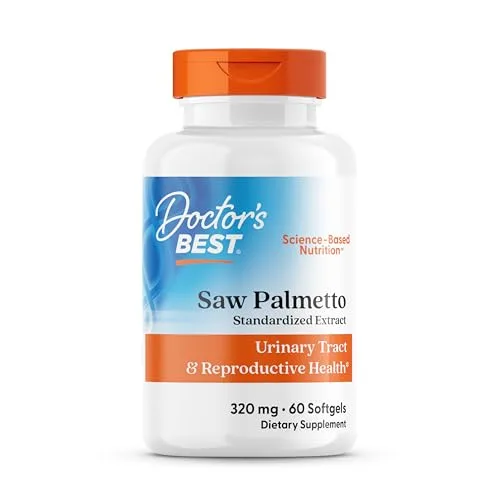
Doctor's Best Saw Palmetto with Euromed

Doctor's Best Saw Palmetto with Euromed

Doctor's BEST

9.3/10
Premium standardized extract with European provenance$0.38/serving
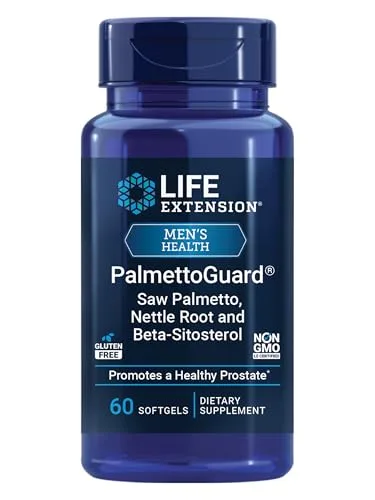
Life Extension Super Saw Palmetto/Nettle Root with Beta-Sitosterol

Life Extension Super Saw Palmetto/Nettle Root with Beta-Sitosterol

Life Extension

9/10
Best combination formula with beta-sitosterol, saw palmetto, and nettle root$0.70/serving
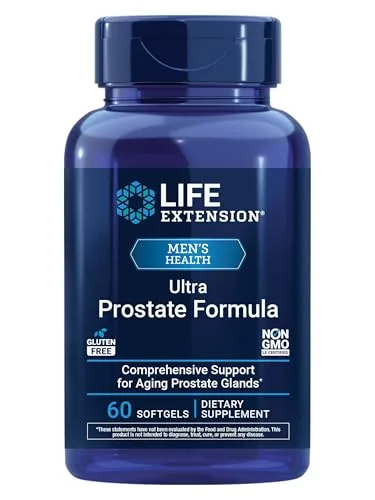
Life Extension Ultra Prostate Formula

Life Extension Ultra Prostate Formula

Life Extension

9.2/10
Most comprehensive prostate support formula$0.88/serving

Related Research

Learn More

Frequently Asked Questions

Can prostate supplements replace prescription BPH medications?

For mild BPH symptoms (IPSS under 8), supplements like saw palmetto and beta-sitosterol may provide sufficient relief. For moderate to severe symptoms, prescription alpha-blockers or 5-alpha reductase inhibitors are more effective. Supplements should never replace medical evaluation, as urinary symptoms can indicate other conditions.

Does saw palmetto affect PSA levels?

Unlike finasteride, which lowers PSA by about 50%, saw palmetto does not significantly alter PSA readings. This is an advantage as PSA tests remain reliable for prostate cancer screening while taking saw palmetto. Always inform your urologist about supplements before PSA testing.

How long do prostate supplements take to work?

Most clinical trials show symptom improvements beginning at 4–8 weeks, with maximum benefit by 3–6 months. Saw palmetto and pygeum tend to show initial relief of nocturia within the first month. If no improvement after 3 months, the supplement is unlikely to be effective and medical alternatives should be discussed.

Continue Reading

References

  1. Wilt T, Ishani A, Mac Donald R (2002). Serenoa repens for benign prostatic hyperplasia. Cochrane Database of Systematic Reviews. DOI PubMed