Supplement ScienceSupplementScience
Sleep

Best Supplements for Sleep

Prevalence: 70 million Americans affected by sleep disorders

·

This content is for informational purposes only and does not constitute medical advice. Statements about dietary supplements have not been evaluated by the FDA and are not intended to diagnose, treat, cure, or prevent any disease. Individual results may vary — consult your healthcare provider before starting any supplement. Full disclaimer

The top evidence-backed sleep supplements are magnesium glycinate (200-400mg), ashwagandha (300mg Sensoril), and...

The top evidence-backed sleep supplements are magnesium glycinate (200-400mg), ashwagandha (300mg Sensoril), and melatonin (0.5-3mg). Magnesium and ashwagandha improve sleep quality without next-day grogginess, while melatonin is best for jet lag or shift work.

Get the free evidence-based Sleep guide — delivered in 60 seconds.

No spam. Unsubscribe anytime.

Overview

Poor sleep affects approximately 70 million Americans and is linked to increased risk of chronic disease, cognitive impairment, and reduced quality of life. Several supplements have demonstrated clinically meaningful improvements in sleep onset, duration, and quality in controlled trials.
Understanding Sleep

The biggest misconception about sleep supplements is that they should knock you out like a sleeping pill. That approach — seeking sedation — actually undermines sleep quality. Healthy sleep depends on your brain cycling through distinct stages: light sleep, deep slow-wave sleep (where physical restoration occurs), and REM sleep (critical for memory consolidation and emotional regulation). Sedatives, including high-dose melatonin, often increase total sleep time while reducing the proportion of restorative deep and REM sleep. The real problem for most poor sleepers is not an inability to become unconscious — it is nervous system hyperarousal that prevents the natural transition from wakefulness to sleep. Elevated evening cortisol, magnesium deficiency (which affects GABA receptor sensitivity), and disrupted circadian signaling are the three most common biochemical drivers. Approximately 50% of Americans consume less than the estimated average requirement for magnesium, and magnesium is a cofactor in over 600 enzymatic reactions including those governing melatonin synthesis and GABA neurotransmission. Addressing these root causes — calming the nervous system, restoring mineral balance, and supporting natural circadian rhythm — produces better sleep architecture than any sedative approach.

What the Research Shows

Magnesium has the most robust evidence base for sleep improvement among non-hormonal supplements. A 2023 meta-analysis by Arab et al. analyzing 8 randomized controlled trials with 2,132 total participants found that magnesium supplementation reduced sleep onset latency by an average of 17 minutes and significantly improved Pittsburgh Sleep Quality Index (PSQI) scores. The effects were most pronounced in participants over 55 and those with low baseline magnesium intake. The glycinate form is specifically preferred for sleep because glycine — the amino acid it is chelated to — independently promotes sleep. Bannai et al. (2012) demonstrated in a controlled trial that 3g of glycine before bed improved subjective sleep quality, reduced sleep onset latency, and enhanced next-day cognitive performance without causing daytime drowsiness. Ashwagandha targets sleep through cortisol modulation rather than sedation. Langade et al. (2019) published a 10-week double-blind RCT in which 300mg of ashwagandha root extract (Sensoril) taken at bedtime improved sleep quality scores by 72% on the PSQI, with significant improvements in sleep onset latency, total sleep time, and sleep efficiency. A subsequent trial by Langade et al. (2021) confirmed these findings and showed that ashwagandha improved sleep quality in both healthy individuals and those with insomnia, with a number needed to treat (NNT) of 4 for clinically meaningful improvement. Melatonin occupies a more nuanced position. A meta-analysis by Ferracioli-Oda et al. (2013) of 19 RCTs found melatonin reduced sleep onset latency by about 7 minutes and increased total sleep time by 8 minutes — statistically significant but clinically modest effects. However, melatonin's true value is as a circadian signal, not a sedative. It is most effective for jet lag, shift work adjustment, and delayed sleep phase syndrome where the circadian clock needs resetting. Doses above 1-3mg provide no additional benefit and may cause next-morning grogginess, yet many commercial products contain 5-10mg — far exceeding therapeutic ranges. Tart cherry juice concentrate, which provides small natural amounts of melatonin plus anti-inflammatory anthocyanins, showed a 1.5-hour increase in sleep time in a crossover trial by Howatson et al. (2012), suggesting the combination of melatonin with polyphenols may be more effective than synthetic melatonin alone.

What to Look For in Supplements

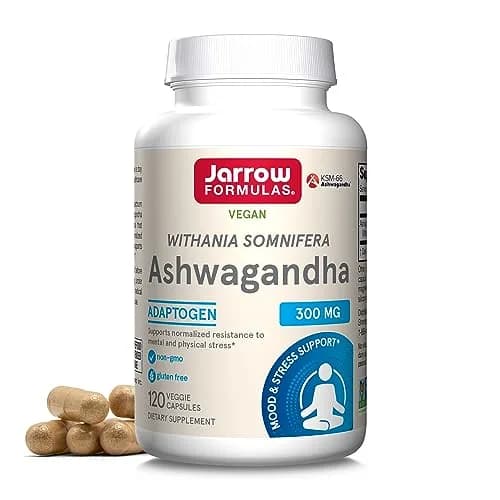
For magnesium, the glycinate (also called bisglycinate) form is the clear first choice for sleep — it provides both magnesium and the sleep-promoting amino acid glycine, with 2-3x better absorption than oxide. Look for chelated magnesium from Albion Minerals (labeled as TRAACS or Albion chelated). The elemental magnesium content matters: a "400mg magnesium glycinate" capsule typically contains only about 56mg of elemental magnesium — check the Supplement Facts panel for the actual elemental amount and target 200-400mg elemental. For ashwagandha, Sensoril is the form used in sleep trials (vs. KSM-66 which was studied more for anxiety and stress). For melatonin, choose the lowest effective dose (0.5-1mg) in immediate-release form for sleep onset issues, or extended-release for sleep maintenance. Avoid melatonin gummies, which often contain added sugars that can paradoxically impair sleep quality.

What Doesn't Work (And Why)

High-dose melatonin (5-10mg) is the most common sleep supplement mistake. Research consistently shows no dose-response benefit above 1-3mg, and higher doses can cause vivid nightmares, next-day grogginess, and may suppress endogenous melatonin production with long-term use. Diphenhydramine-based sleep aids (Benadryl, ZzzQuil) are antihistamines, not true sleep aids — they reduce sleep onset but significantly impair sleep architecture, reducing REM and deep sleep. Long-term use has been associated with increased dementia risk in the landmark Gray et al. (2015) study in JAMA Internal Medicine. Valerian root, despite centuries of traditional use, has disappointing clinical evidence — a systematic review by Fernandez-San-Martin et al. (2010) found that most positive trials had high risk of bias, and well-designed studies showed no significant benefit over placebo. Magnesium oxide, despite being the cheapest form on shelves, has an absorption rate of approximately 4% and is essentially an expensive laxative when used for sleep. 5-HTP is sometimes promoted for sleep, but it can cause serotonin syndrome when combined with SSRIs and has limited evidence for sleep specifically.

Combination Protocol

The optimal sleep stack combines magnesium glycinate (300-400mg elemental, taken with dinner or 1-2 hours before bed), ashwagandha Sensoril (300mg, taken 30-60 minutes before bed), and optionally low-dose melatonin (0.5-1mg, 30 minutes before bed, only if circadian rhythm disruption is a factor). Magnesium and ashwagandha address the two primary barriers to sleep — mineral-dependent neurotransmitter function and HPA axis hyperarousal — while melatonin provides a circadian timing signal. Start with magnesium alone for one week to establish a baseline response, then add ashwagandha. Add melatonin only if sleep onset remains problematic after 2-3 weeks on the base stack. Avoid blue light exposure for 60 minutes before bed to allow natural melatonin secretion, which supplements are meant to augment rather than replace.

Top Evidence-Based Supplements for Sleep

#SupplementTypical DoseEvidence
1Magnesium Glycinate200-400mg, 30-60 min before bedStrong
See top magnesium glycinate picks →
2Ashwagandha (Sensoril)300mg before bedModerate
See top ashwagandha (sensoril) picks →

Top Product Picks

As an Amazon Associate, we earn from qualifying purchases. Some links below are affiliate links — this doesn't affect our editorial independence or product ratings. How we evaluate products

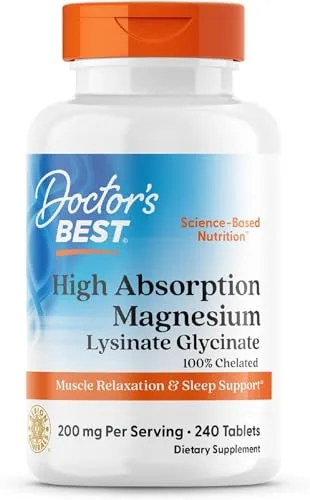
Doctor's Best High Absorption Magnesium Glycinate

Doctor's Best High Absorption Magnesium Glycinate

Doctor's BEST

9.2/10
Overall / Sleep support$0.17/serving
Sports Research Organic Ashwagandha KSM-66

Sports Research Organic Ashwagandha KSM-66

Sports Research

8.5/10
Organic ashwagandha at the full clinical dose with KSM-66 extract$0.37/serving

Detailed Ingredient Guides

Magnesium
Mineral Supplement
Magnesium is an essential mineral that supports muscle function, sleep quality, and stress management. Most adults benefit from 200-400mg daily, with magnesium glycinate being the best-absorbed form for general use.
Ashwagandha
Adaptogenic Herb
Yes, ashwagandha is one of the most clinically studied adaptogens, with over 22 published clinical trials backing its benefits. A 2019 meta-analysis found it reduced stress scores by 44% and cortisol by 23% compared to placebo. The recommended dose is 300-600mg of root extract (KSM-66, standardized to withanolides) daily.
5-HTP
Amino Acid
5-HTP directly increases serotonin production in the brain. At 100-300 mg/day, it is used for mood support, appetite suppression, and sleep. It has stronger acute serotonin-boosting effects than L-tryptophan but requires more caution with serotonergic medications.
Apigenin
Flavonoid
Apigenin is the active sleep compound in chamomile, available as a purified supplement. It binds GABA-A benzodiazepine receptors for mild sedation and anxiety relief. Doses of 50mg before bed are widely used for sleep, based on chamomile clinical trial data. Bonus: it inhibits CD38 to boost NAD+ levels.
CBD
Phytocannabinoid
CBD is a non-intoxicating cannabinoid with clinical evidence for anxiety and sleep. A large case series found 79% of patients had reduced anxiety and 67% had improved sleep with 25-175mg daily. A single 300mg dose reduced public speaking anxiety in an RCT. Regulation and quality vary significantly between products.
Chamomile
Botanical Extract
Chamomile is clinically validated for generalized anxiety disorder, with an 8-week RCT showing significant symptom reduction. Its active compound apigenin binds GABA-A receptors. A long-term study showed chamomile reduced anxiety relapse rates over 38 weeks. Safe, gentle, and effective for mild anxiety and sleep.
GABA
Amino Acid Neurotransmitter
GABA is the brain's main calming neurotransmitter. Supplemental GABA (especially PharmaGABA) has been shown to increase relaxing alpha brain waves within 60 minutes and reduce stress biomarkers. While BBB penetration is debated, clinical effects are measurable at 100-200mg doses.
Glycine
Amino Acid
Glycine at 3-5 g/day supports sleep quality, collagen synthesis, and glutathione production. A 2006 study showed 3 g before bed significantly improved subjective sleep quality and reduced next-day fatigue. Glycine is also essential for glutathione and creatine synthesis, making it a foundational amino acid.
Kava
Botanical Extract
Kava has the strongest clinical evidence of any herbal anxiolytic — a Cochrane review of 11 RCTs confirms significant anxiety reduction. Kavalactones modulate GABA-A receptors through multiple mechanisms. Take 120-250mg kavalactones daily from noble kava cultivars. Liver safety concerns are tied to poor-quality products, not properly prepared noble kava.
L-Ornithine
Amino Acid
L-Ornithine supports ammonia detoxification via the urea cycle, reducing exercise fatigue and supporting liver function. At 2-6 g/day, it may improve sleep quality, reduce perceived fatigue during prolonged exercise, and support recovery in hepatic encephalopathy.
L-Theanine
Amino Acid
L-Theanine at 100-200 mg promotes calm focus by increasing alpha brain waves and neurotransmitter balance. Combined with caffeine, it enhances attention and reaction time while reducing caffeine jitteriness. A 2008 study showed 50 mg L-theanine significantly increased alpha wave activity within 30 minutes.
L-Tryptophan
Amino Acid
L-Tryptophan is the essential amino acid precursor to serotonin and melatonin. At 1-3 g/day, it supports mood, sleep onset, and emotional well-being. Unlike 5-HTP, it can also feed the kynurenine pathway for immune and niacin support.
Lemon Balm
Botanical Extract
Lemon balm is a gentle calming herb that works by inhibiting GABA breakdown in the brain. Clinical studies show 300-600mg reduces stress and anxiety within hours, while the Cyracos extract reduced anxiety by 49% and insomnia by 39% over 15 days. It is safe, well-tolerated, and effective for mild anxiety-related sleep difficulties.
Magnesium Glycinate
Mineral
Magnesium glycinate is the best-absorbed, gentlest form of magnesium for sleep and stress. A 2012 RCT showed it improved insomnia scores, increased melatonin, and reduced cortisol in elderly adults. The glycine carrier provides additional calming effects through GABA receptor modulation.
Magnolia Bark
Botanical Extract
Magnolia bark contains honokiol and magnolol — potent GABA-A receptor modulators that reduce anxiety and promote sleep. The Relora extract reduced cortisol and perceived stress in a 6-week RCT. Honokiol crosses the blood-brain barrier efficiently for fast-acting calming effects.
Melatonin
Neurohormone
Melatonin is the most well-studied natural sleep supplement, shown in a meta-analysis of 19 RCTs to reduce sleep onset latency by 7-12 minutes and improve sleep quality. Importantly, more is NOT better — doses as low as 0.5mg can be as effective as 5mg for sleep onset. It is also the best-evidenced supplement for jet lag.
Passionflower
Botanical Extract
Passionflower is a clinically validated herbal anxiolytic. A double-blind RCT found it as effective as the benzodiazepine oxazepam for anxiety, with less cognitive impairment. It works through GABA-A receptor modulation and is especially effective for anxiety-related sleep difficulties.
Phosphatidylserine
Phospholipid
Phosphatidylserine is a brain phospholipid that directly blunts the cortisol stress response. Studies show 300-800mg reduces cortisol during physical and mental stress. It also supports cognitive function and may improve sleep quality by lowering evening cortisol levels.
Reishi
Medicinal Mushroom
Reishi is a calming medicinal mushroom adaptogen best for immune modulation, sleep quality, and stress relief. Unlike stimulating adaptogens, it promotes relaxation. Standard dose is 1.5-3g dried mushroom powder or 500-1000mg extract (standardized to polysaccharides and triterpenes) daily.
Saffron Extract
Botanical Extract
Saffron extract is one of the most clinically validated natural mood-support supplements, with multiple RCTs showing efficacy comparable to SSRIs for mild-to-moderate depression. The standardized extract affron at 28mg daily improved mood scores by 33% vs placebo. Saffron also shows emerging benefits for sleep quality and PMS symptoms.
Tart Cherry
Botanical Extract
Tart cherry is one of the few foods clinically proven to improve sleep. An RCT found tart cherry juice increased melatonin levels, added 25 minutes of sleep time, and improved sleep efficiency by 5-6%. It provides natural melatonin plus anti-inflammatory proanthocyanidins that reduce sleep-disrupting inflammation.
Valerian Root
Botanical Extract
Valerian root is a well-established herbal sleep aid that modulates GABA receptors. A meta-analysis of 16 studies found it improves subjective sleep quality, though effects are modest and require 2-4 weeks of consistent use. Take 300-600mg of standardized extract 30-60 minutes before bed.
Vitamin D3
Fat-Soluble Vitamin
Vitamin D3 is essential for bone health, immune function, and mood regulation. An estimated 42% of U.S. adults are deficient. Most adults benefit from 1,000-4,000 IU daily, and a 2017 meta-analysis found supplementation reduced the risk of acute respiratory infections by 12%.
St. John's Wort
Herbal Extract
St. John's Wort is clinically proven to match SSRIs for mild-to-moderate depression with fewer side effects, working through multi-target neurotransmitter reuptake inhibition. At 900mg daily (standardized to 0.3% hypericin), it effectively treats depression, anxiety, and mood disorders — but has extensive, serious drug interactions that require careful screening.
Athletic Performance & Recovery
4 ingredients · $40–60/month
The evidence-based athletic performance stack is creatine monohydrate (5g/day maintenance), vitamin D3 (2000–4000 IU), omega-3 (2–3g EPA+DHA), and magnesium glycinate (300–400mg post-workout). Creatine is the most studied performance supplement in existence. The other three address the foundational deficiencies that silently cap performance and slow recovery in most athletes.
Cognitive Performance & Focus
4 ingredients · $55–80/month
The most evidence-backed cognitive stack uses lion's mane (500–1000mg extract), bacopa monnieri (300mg standardized to 55% bacosides), omega-3 (2g EPA+DHA daily), and L-theanine (100–200mg with caffeine). Lion's mane and bacopa build long-term neuroplasticity; omega-3 provides structural support; L-theanine+caffeine delivers clean acute focus.
Immune Resilience
4 ingredients · $30–50/month
The most evidence-backed immune resilience stack is vitamin D3 (2000–4000 IU daily), zinc picolinate (15–25mg daily), vitamin C (500–1000mg daily), and elderberry extract (600mg during illness). Vitamin D and zinc address the most prevalent immune-relevant deficiencies. Vitamin C has decades of evidence for reducing illness duration. Elderberry has RCT support specifically for shortening respiratory illness.
Longevity & Healthy Aging
4 ingredients · $60–90/month
The most evidence-backed longevity foundation stack includes CoQ10 as ubiquinol (200–400mg), omega-3 fatty acids (2–3g EPA+DHA), vitamin D3 with K2 (2000–4000 IU D3 + 100–200mcg MK-7), and magnesium glycinate (200–400mg). These address the four most documented aging mechanisms: mitochondrial decline, inflammation, calcium dysregulation, and deficiency-driven accelerated aging.
Sleep Optimization
3 ingredients · $35–55/month
The most evidence-backed sleep stack combines magnesium glycinate (400mg), L-theanine (200mg), and ashwagandha KSM-66 (300–600mg), all taken 30–60 minutes before bed. This trio addresses the three main drivers of poor sleep: magnesium deficiency, overactive nervous system arousal, and elevated cortisol.

Related Conditions

Related Research

Learn More

Frequently Asked Questions

What is the most effective natural sleep supplement?

Magnesium glycinate at 200-400mg taken 30-60 minutes before bed is the most consistently effective natural sleep aid across clinical trials. It reduces sleep onset latency, improves sleep efficiency, and does not cause next-day drowsiness. For people who also experience nighttime anxiety, combining magnesium with ashwagandha (Sensoril extract) provides additional benefits.

Does magnesium actually help you sleep?

Yes. A 2023 meta-analysis of 8 RCTs (n=2,132) found magnesium supplementation reduced the time to fall asleep by an average of 17 minutes and significantly improved sleep quality scores. Magnesium glycinate is the preferred form for sleep due to its high absorption and the calming effect of the glycine component.

How much melatonin should I take for sleep?

Less than you might think. Research shows 0.5-3mg taken 30-60 minutes before bed is effective, with diminishing returns above 3mg. A meta-analysis of 19 RCTs found melatonin reduced sleep onset latency by about 7 minutes with no evidence of tolerance. Start low (0.5-1mg) to minimize next-morning grogginess.

What supplements help with insomnia?

For insomnia specifically, magnesium glycinate (200-400mg before bed) reduces sleep onset latency by 17 minutes per meta-analysis. Melatonin (0.5-3mg) is effective for circadian rhythm disruptions like jet lag and shift work. Ashwagandha Sensoril (300mg) improved sleep quality by 72% in a 10-week RCT. L-theanine (200mg) promotes relaxation without drowsiness, making it good for anxiety-related insomnia.

Is it safe to take magnesium every night for sleep?

Yes, magnesium glycinate at 200-400mg is considered safe for daily long-term use. Unlike melatonin, it does not suppress your body's natural sleep hormone production. The tolerable upper limit for supplemental magnesium is 350mg/day per the NIH, though glycinate forms are better tolerated than oxide or citrate at higher doses.

Built from 2,400+ clinical studies. Join the weekly research brief.

No spam. Unsubscribe anytime.

Continue Reading

References

  1. ReviewArab A, Rafie N, Amani R, Shirani F (2023). The Role of Magnesium in Sleep Health: a Systematic Review of Available Literature. Biological Trace Element Research. DOI PubMed