SupplementScience
Ashwagandha supplement
Adaptogenic Herb

Ashwagandha: Benefits, Dosage, Forms & Research

Adaptogenic Herb

DJP
Reviewed by , MD, Board Certified Internal Medicine

This content is for informational purposes only and does not constitute medical advice. Consult your healthcare provider before starting any supplement. Full disclaimer

TL;DR — Quick Answer

Ashwagandha is an adaptogenic herb that significantly reduces cortisol and anxiety. A 2019 meta-analysis found it reduced stress scores by 44% compared to placebo. The recommended dose is 300-600mg of root extract (standardized to withanolides) daily.

Key Facts

  • What it is: An adaptogenic herb (Withania somnifera) used in Ayurvedic medicine
  • Primary benefits:
    • Reduces cortisol and stress
    • Decreases anxiety symptoms
    • Improves sleep quality
    • May boost testosterone in men
    • Supports thyroid function
  • Typical dosage: 300-600mg standardized root extract daily
  • Evidence level: Strong
  • Safety: Safe with Caution

What the Research Says

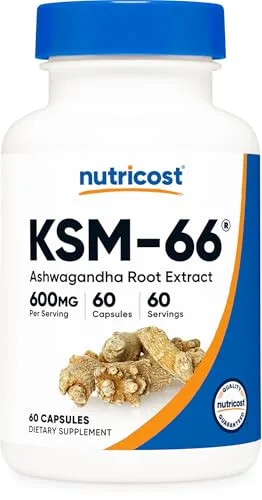
Ashwagandha has one of the strongest evidence bases among adaptogens. A comprehensive 2019 meta-analysis published in the Journal of Alternative and Complementary Medicine, analyzing 5 randomized controlled trials, found statistically significant reductions in stress and anxiety scores. The most studied extract, KSM-66, has over 22 published clinical trials demonstrating benefits for stress, sleep, cognitive function, and sexual health.

Benefits of Ashwagandha

  • Stress and cortisol reduction — a 2019 meta-analysis of 5 RCTs found ashwagandha reduced serum cortisol by 23% compared to placebo
  • Anxiety relief — KSM-66 extract at 300mg twice daily reduced anxiety scores by 44% on the HAM-A scale
  • Sleep improvement — 300mg twice daily improved sleep quality scores and reduced sleep onset latency
  • Testosterone support — 600mg daily increased testosterone by 14.7% in a 2019 RCT of 57 men
  • Exercise performance — improved VO2 max and strength in resistance-trained individuals

Forms of Ashwagandha

FormBioavailabilityBest For
KSM-66HighStress, anxiety, general use — most studied extract
SensorilHighRelaxation, sleep — uses leaf + root extract
Root PowderModerateTraditional use, lower cost — less standardized

Dosage Recommendations

General recommendation: 300-600mg standardized root extract daily

Timing: With meals; split into morning and evening doses for anxiety • Take with food for best absorption.

Dosage by Condition

ConditionRecommended DoseEvidence
Stress/anxiety300mg KSM-66 twice dailyStrong
Sleep300mg Sensoril before bedModerate
Testosterone600mg KSM-66 dailyModerate
Exercise performance300-600mg dailyModerate

Upper limit: 600mg standardized extract daily (higher doses not well-studied)

Side Effects and Safety

Safety profile: Safe with Caution

Potential Side Effects

  • Mild digestive upset (uncommon)
  • Drowsiness at higher doses
  • May aggravate autoimmune conditions (thyroid, lupus, RA)
  • Rare: liver injury reported in case studies (primarily at high doses)

Drug & Supplement Interactions

  • May enhance effects of thyroid medications (monitor TSH)
  • May increase effects of sedatives and anti-anxiety medications
  • May lower blood sugar — monitor if taking diabetes medications
  • Avoid during pregnancy
BenefitsDosage GuideSide EffectsTypes & FormsResearchFAQ

Related Conditions

Related Research

Related Supplements

Looking for the best ashwagandha supplement?

We analyzed and ranked the top products based on form, dosage, third-party testing, and value.

See Our Top Picks

Frequently Asked Questions

How long does ashwagandha take to work?

Most clinical trials show measurable benefits within 4-8 weeks of consistent use. Some people report improvements in stress and sleep within 2 weeks. For testosterone and body composition effects, expect 8-12 weeks for noticeable changes. Ashwagandha works best as a daily supplement rather than an as-needed remedy.

Is ashwagandha safe to take every day?

Clinical trials lasting up to 12 weeks have shown daily ashwagandha use to be safe in healthy adults at doses of 300-600mg. However, cycling (e.g., 8 weeks on, 2 weeks off) is sometimes recommended due to limited long-term data. People with autoimmune thyroid conditions, pregnant women, and those on sedative medications should consult a healthcare provider first.

What is the difference between KSM-66 and Sensoril?

KSM-66 is extracted from the root only and standardized to 5% withanolides. It is the most clinically studied form with 22+ trials, and tends to be more energizing. Sensoril uses both root and leaf extract, is standardized to 10% withanolides, and tends to be more calming. For anxiety and stress, both are effective; for sleep, Sensoril may have a slight edge.

References

  1. (). An Alternative Treatment for Anxiety: A Systematic Review of Human Trial Results Reported for the Ayurvedic Herb Ashwagandha. Journal of Alternative and Complementary Medicine. DOI
  2. (). An investigation into the stress-relieving and pharmacological actions of an ashwagandha extract. Medicine. DOI