Supplement ScienceSupplementScience
Anxiety

Best Supplements for Anxiety

Prevalence: 40 million US adults affected annually (19.1% of population)

·

This content is for informational purposes only and does not constitute medical advice. Statements about dietary supplements have not been evaluated by the FDA and are not intended to diagnose, treat, cure, or prevent any disease. Individual results may vary — consult your healthcare provider before starting any supplement. Full disclaimer

The most evidence-backed supplements for anxiety are magnesium (200-400mg glycinate), ashwagandha (300mg KSM-66 twice...

The most evidence-backed supplements for anxiety are magnesium (200-400mg glycinate), ashwagandha (300mg KSM-66 twice daily), and L-theanine (200-400mg). All three have multiple randomized controlled trials supporting their use, with ashwagandha showing the strongest effect size.

Get the free evidence-based Anxiety guide — delivered in 60 seconds.

No spam. Unsubscribe anytime.

Overview

Anxiety disorders affect approximately 40 million adults in the United States annually, making them the most common mental health condition. While supplements should not replace professional treatment for diagnosed anxiety disorders, several natural compounds have shown meaningful anxiolytic effects in clinical trials.
Understanding Anxiety

Most people think anxiety is purely a mental health issue that requires psychiatric medication or therapy alone. While those interventions are valuable, anxiety has a significant biochemical dimension that is often overlooked. At its core, anxiety involves dysregulation of the hypothalamic-pituitary-adrenal (HPA) axis — the body's central stress response system. When the HPA axis is chronically activated, it produces excess cortisol, which disrupts neurotransmitter balance, impairs GABA signaling, and creates a self-reinforcing loop of physiological arousal. Magnesium deficiency — which affects an estimated 50% of Americans according to USDA data — directly impairs GABA receptor function, the brain's primary calming neurotransmitter system. Similarly, chronic stress depletes the body's adaptogenic reserves, making recovery from stress responses slower and less complete. This is where targeted supplementation enters the picture: not as a replacement for therapy or medication, but as a way to address the underlying nutrient depletions and neurochemical imbalances that make the nervous system more reactive. The clinical evidence for certain compounds — particularly ashwagandha, magnesium glycinate, and L-theanine — shows they can meaningfully modulate these pathways, reducing both the subjective experience of anxiety and its measurable biomarkers like salivary cortisol.

What the Research Shows

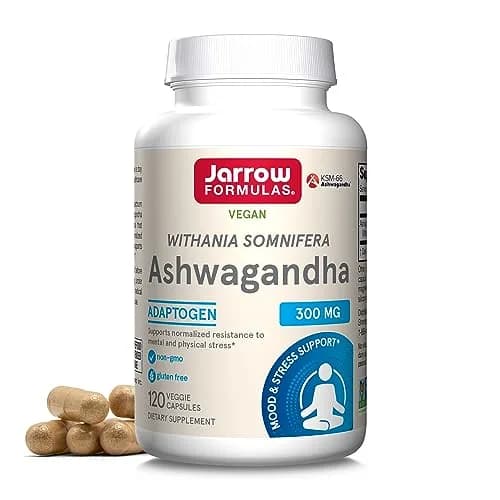
Ashwagandha is the single most studied adaptogen for anxiety, with at least six randomized controlled trials published between 2009 and 2022. The most cited is Lopresti et al. (2019), which found that 300mg of KSM-66 ashwagandha taken twice daily reduced Hamilton Anxiety Scale scores by 44% compared to placebo over 8 weeks. A systematic review by Pratte et al. (2014) in the Journal of Alternative and Complementary Medicine analyzed five human trials and concluded that ashwagandha consistently produced significant improvements in anxiety outcomes, with effect sizes comparable to common anxiolytic medications. The mechanism appears to involve GABAergic modulation and cortisol reduction — participants in the Lopresti trial showed a 23% reduction in morning cortisol levels. Magnesium glycinate addresses anxiety through a different but complementary pathway. A systematic review by Boyle et al. (2017) of 18 studies found significant anxiolytic effects across populations, with the strongest benefits in people with low baseline magnesium levels. The glycinate form is specifically preferred because glycine itself acts as an inhibitory neurotransmitter, effectively providing a dual calming mechanism. Doses of 200-400mg of elemental magnesium daily showed consistent results. The bioavailability advantage of glycinate over oxide is substantial — approximately 2.3x higher absorption rates according to Schuette et al. (1994). L-theanine, an amino acid found naturally in green tea, works rapidly via a distinct mechanism: it crosses the blood-brain barrier within 30 minutes and increases alpha brain wave activity, the pattern associated with calm alertness. Hidese et al. (2019) demonstrated in a randomized trial that 200mg of L-theanine significantly reduced stress-related symptoms and improved cognitive function under stress conditions. Unlike benzodiazepines, L-theanine promotes relaxation without sedation or cognitive impairment, making it suitable for daytime use. Emerging research also points to the gut-brain axis as an anxiety driver — Nikolova et al. (2019) published a meta-analysis of 34 RCTs showing that probiotic supplementation had a small but significant effect on anxiety symptoms, though the evidence is not yet strong enough to place probiotics among first-line recommendations.

What to Look For in Supplements

For ashwagandha, the extract standardization matters enormously. KSM-66 (standardized to 5% withanolides from root-only extraction) and Sensoril (standardized to 10% withanolides from root and leaf) are the two clinically validated forms. Generic "ashwagandha powder" has not been tested at the same rigor and may contain variable withanolide concentrations. Look for third-party testing certifications from NSF International, USP, or Informed Sport, which verify both potency and the absence of heavy metals — a genuine concern with ashwagandha grown in contaminated soils. For magnesium, avoid oxide forms (absorption rate of approximately 4%) and choose glycinate, which provides therapeutic levels of both magnesium and the calming amino acid glycine. Chelated forms from Albion Minerals (TRAACS) are the gold standard. For L-theanine, Suntheanine is the most studied branded form; ensure the product provides pure L-theanine rather than a D/L-theanine mix, which is less effective.

What Doesn't Work (And Why)

Valerian root is perhaps the most oversold anxiety supplement. Despite its long folk medicine history, a Cochrane review by Miyasaka et al. (2006) found insufficient evidence to support valerian for anxiety, with most positive studies suffering from serious methodological flaws. Kava, while showing genuine anxiolytic effects in trials, carries a well-documented risk of severe hepatotoxicity — multiple countries including Germany have banned or restricted its sale, and the FDA issued a consumer advisory in 2002. GABA supplements taken orally are largely ineffective because GABA molecules are too large to cross the blood-brain barrier in significant quantities; the calming effects people report are likely placebo. St. John's wort is sometimes marketed for anxiety but its evidence base is for depression, not generalized anxiety, and it carries dangerous interactions with SSRIs, birth control, and blood thinners. CBD oil, despite enormous marketing claims, has inconsistent evidence — a 2020 systematic review by Kayser et al. found that while single high doses (300-600mg) showed acute anxiolytic effects in experimental settings, evidence for chronic anxiety management at consumer-available doses was insufficient.

Combination Protocol

The evidence supports a three-part stack combining ashwagandha KSM-66 (300mg twice daily with meals), magnesium glycinate (200mg with dinner and 200mg before bed), and L-theanine (200mg as needed, up to twice daily). This combination targets three distinct anxiety mechanisms: HPA axis regulation (ashwagandha), GABAergic support (magnesium glycinate), and alpha-wave promotion (L-theanine). Start with magnesium alone for the first week to assess tolerance, then add ashwagandha, and finally L-theanine. Ashwagandha's full effects build over 4-8 weeks of consistent use, while L-theanine and magnesium work within the first 1-2 hours. Take magnesium away from zinc or calcium supplements to avoid absorption competition.

When to See a Doctor

Supplements support general stress and mild-to-moderate anxiety; they are not treatment for crisis-level symptoms. Seek urgent care (or call/text 988 in the US) if you are experiencing thoughts of self-harm or suicide, a panic attack with chest pain or shortness of breath you cannot distinguish from a cardiac event, new severe anxiety after a head injury or medication change, or symptoms severe enough to prevent you from eating, sleeping, or leaving the house. Book a clinician visit if anxiety has lasted six months or more, is worsening, is interfering with work or relationships, or coincides with insomnia, weight change, palpitations, or tremor (which can signal hyperthyroidism or medication interactions). Evidence-based therapies (CBT, SSRIs, SNRIs) remain first-line; magnesium, L-theanine, ashwagandha, and saffron are reasonable adjuncts within that framework, not substitutes.

Top Evidence-Based Supplements for Anxiety

#SupplementTypical DoseEvidence
1Ashwagandha (KSM-66)300mg twice dailyStrong
See top ashwagandha (ksm-66) picks →
2Magnesium Glycinate200-400mg dailyStrong
See top magnesium glycinate picks →

Top Product Picks

As an Amazon Associate, we earn from qualifying purchases. Some links below are affiliate links — this doesn't affect our editorial independence or product ratings. How we evaluate products

Sports Research Organic Ashwagandha KSM-66

Sports Research Organic Ashwagandha KSM-66

Sports Research

8.5/10
Organic ashwagandha at the full clinical dose with KSM-66 extract$0.37/serving
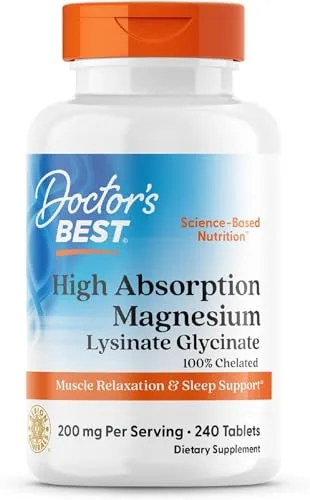
Doctor's Best High Absorption Magnesium Glycinate

Doctor's Best High Absorption Magnesium Glycinate

Doctor's BEST

9.2/10
Overall / Sleep support$0.17/serving

Detailed Ingredient Guides

Ashwagandha
Adaptogenic Herb
Yes, ashwagandha is one of the most clinically studied adaptogens, with over 22 published clinical trials backing its benefits. A 2019 meta-analysis found it reduced stress scores by 44% and cortisol by 23% compared to placebo. The recommended dose is 300-600mg of root extract (KSM-66, standardized to withanolides) daily.
Magnesium
Mineral Supplement
Magnesium is an essential mineral that supports muscle function, sleep quality, and stress management. Most adults benefit from 200-400mg daily, with magnesium glycinate being the best-absorbed form for general use.
5-HTP
Amino Acid
5-HTP directly increases serotonin production in the brain. At 100-300 mg/day, it is used for mood support, appetite suppression, and sleep. It has stronger acute serotonin-boosting effects than L-tryptophan but requires more caution with serotonergic medications.
Gotu Kola
Adaptogenic Herb
Gotu kola is an Ayurvedic brain tonic and wound-healing herb with evidence for anxiety reduction, cognitive enhancement, and skin/wound repair. Standard dose is 500-1000mg standardized extract daily (or 1-2g dried herb).
L-Lysine
Amino Acid
L-Lysine is an essential amino acid most studied for reducing herpes simplex (cold sore) outbreaks by antagonizing arginine. At 1-3 g/day, it may reduce HSV recurrence frequency and severity. It also supports collagen formation, calcium absorption, and carnitine synthesis.
L-Theanine
Amino Acid
L-Theanine at 100-200 mg promotes calm focus by increasing alpha brain waves and neurotransmitter balance. Combined with caffeine, it enhances attention and reaction time while reducing caffeine jitteriness. A 2008 study showed 50 mg L-theanine significantly increased alpha wave activity within 30 minutes.
L-Tryptophan
Amino Acid
L-Tryptophan is the essential amino acid precursor to serotonin and melatonin. At 1-3 g/day, it supports mood, sleep onset, and emotional well-being. Unlike 5-HTP, it can also feed the kynurenine pathway for immune and niacin support.
Lithium Orotate
Trace Mineral
Lithium orotate is a low-dose nutritional form of lithium used for mood support and brain health. At 5-20mg daily, it provides far less lithium than prescription doses. Epidemiological studies link trace lithium in water to lower suicide and dementia rates. Evidence is promising but mostly observational.
St. John's Wort
Herbal Extract
St. John's Wort is clinically proven to match SSRIs for mild-to-moderate depression with fewer side effects, working through multi-target neurotransmitter reuptake inhibition. At 900mg daily (standardized to 0.3% hypericin), it effectively treats depression, anxiety, and mood disorders — but has extensive, serious drug interactions that require careful screening.

Related Conditions

Related Research

Learn More

Frequently Asked Questions

What is the best supplement for anxiety?

Based on clinical evidence, ashwagandha (KSM-66 extract at 300mg twice daily) has the strongest effect size for anxiety reduction, with a 44% improvement on standardized anxiety scales. Magnesium glycinate (200-400mg) and L-theanine (200mg) are also well-supported and can be combined with ashwagandha for enhanced effects.

Can supplements replace anxiety medication?

Supplements should not replace prescribed anxiety medications without medical guidance. However, for mild to moderate anxiety, supplements like ashwagandha and magnesium have shown clinically meaningful effects comparable to low-dose anxiolytics in some studies. Always consult your healthcare provider before making changes to prescribed medications.

Does ashwagandha actually work for anxiety?

Yes. A 2019 randomized controlled trial found that KSM-66 ashwagandha at 300mg twice daily reduced anxiety scores by 44% on the Hamilton Anxiety Scale compared to placebo. Multiple systematic reviews confirm its anxiolytic effects, making it one of the most well-supported natural options for anxiety relief [1].

Evidence:Review (2014) · 5 RCTs · moderate confidence[#1]. See full reference list below.

How much magnesium should I take for anxiety?

Most studies showing anxiety benefits used 200-400mg of magnesium glycinate daily, often split into two doses. A systematic review of 18 studies found significant anxiolytic effects at these doses, particularly in people with low baseline magnesium levels. Glycinate is preferred over oxide or citrate for anxiety because of its superior absorption and the calming properties of glycine.

Built from 2,400+ clinical studies. Join the weekly research brief.

No spam. Unsubscribe anytime.

Continue Reading

References

  1. ReviewPratte MA, Nanavati KB, Young V, Morley CP (2014). An Alternative Treatment for Anxiety: A Systematic Review of Human Trial Results. Journal of Alternative and Complementary Medicine. DOI PubMed