Supplement ScienceSupplementScience
Joint Pain

Best Supplements for Joint Pain

Prevalence: 32.5 million US adults affected by osteoarthritis

·

This content is for informational purposes only and does not constitute medical advice. Statements about dietary supplements have not been evaluated by the FDA and are not intended to diagnose, treat, cure, or prevent any disease. Individual results may vary — consult your healthcare provider before starting any supplement. Full disclaimer

The top evidence-backed supplements for joint pain are omega-3 fatty acids (2-4g EPA+DHA, shown to reduce NSAID use by...

The top evidence-backed supplements for joint pain are omega-3 fatty acids (2-4g EPA+DHA, shown to reduce NSAID use by 59% in RA patients) and creatine monohydrate (3-5g daily, which supports cartilage metabolism and reduces inflammatory markers). Omega-3s have the strongest evidence for inflammatory joint conditions, while creatine supports joint-supporting muscle strength.

Get the free evidence-based Joint Pain guide — delivered in 60 seconds.

No spam. Unsubscribe anytime.

Overview

Joint pain and osteoarthritis affect over 32.5 million adults in the US, with prevalence increasing sharply after age 45. Conventional treatments like NSAIDs carry significant gastrointestinal and cardiovascular risks with long-term use. Several supplements have demonstrated clinically meaningful reductions in joint pain and inflammation in well-designed trials.

Understanding Joint Pain

Most people approach joint pain as a wear-and-tear problem that requires pain relief. But the modern understanding of osteoarthritis and inflammatory joint conditions has shifted dramatically: joint pain is primarily an inflammatory condition, not a mechanical one. The cartilage in your joints does not have nerve endings — the pain you feel comes from inflammation in the synovial membrane, subchondral bone, and surrounding tissues. This is why anti-inflammatory interventions often outperform structural ones. Cartilage degradation is driven by pro-inflammatory cytokines (IL-1beta, TNF-alpha, IL-6) that activate matrix metalloproteinases — enzymes that literally digest cartilage matrix. Simultaneously, oxidative stress damages chondrocytes (cartilage-producing cells), reducing their ability to repair damage. This creates a vicious cycle: inflammation causes cartilage loss, which causes joint instability, which causes more inflammation. Long-term NSAID use — the conventional approach — provides symptom relief but paradoxically accelerates cartilage degradation according to multiple studies, and carries well-documented gastrointestinal and cardiovascular risks. Supplements that interrupt the inflammatory cascade while supporting cartilage metabolism address the root mechanism rather than masking symptoms.

What the Research Shows

Omega-3 fatty acids have the deepest evidence base for joint pain, with anti-inflammatory effects that target the same COX and LOX pathways as NSAIDs but without the gastrointestinal damage. Goldberg and Katz (2007) conducted a meta-analysis of 42 randomized controlled trials examining omega-3 supplementation in inflammatory joint conditions and found significant reductions in joint pain intensity (standardized mean difference -0.21) and morning stiffness. In rheumatoid arthritis specifically, Lee et al. (2012) reported that 59% of patients supplementing with 2-4g EPA+DHA daily were able to reduce their NSAID use after 3-4 months. The mechanism involves EPA and DHA competing with arachidonic acid for COX-2 binding, producing anti-inflammatory resolvins and protectins instead of pro-inflammatory prostaglandins. Importantly, omega-3 benefits require consistent daily use for 8-12 weeks before meaningful results appear — this is not an acute pain reliever but a systemic anti-inflammatory. Curcumin, the active compound in turmeric, has emerged as a potent anti-inflammatory for joint conditions. A landmark study by Kuptniratsaikul et al. (2014) directly compared curcumin (1,500mg/day of Curcuma domestica extract) to ibuprofen (1,200mg/day) in 367 patients with knee osteoarthritis over 4 weeks. Curcumin was as effective as ibuprofen for pain and function with significantly fewer gastrointestinal adverse events. A meta-analysis by Daily et al. (2016) of 8 RCTs confirmed that curcumin significantly reduced joint pain and physical function scores in osteoarthritis, with a large pooled effect size. Bioavailability is the critical factor: standard curcumin is poorly absorbed, but formulations using piperine (20mg increases absorption 2,000%), phospholipid complexes (Meriva), or nanoparticle technology (Theracurmin) solve this problem. Creatine monohydrate is an emerging option with a unique mechanism — it supports the strength of muscles surrounding the joint, reducing mechanical stress on cartilage. Neves et al. (2011) showed in a controlled trial that creatine combined with resistance exercise improved physical function by 15% and reduced inflammatory marker IL-6 compared to exercise alone in knee osteoarthritis patients. Glucosamine and chondroitin, once the default joint supplements, now have more controversial evidence. The large NIH-funded GAIT trial (Clegg et al., 2006) found that the combination was effective only in the moderate-to-severe pain subgroup, not in the overall population.

What to Look For in Supplements

For omega-3, the total EPA+DHA content per serving is what matters — not the total "fish oil" amount. Many products advertise 1,000mg fish oil but contain only 300mg of combined EPA+DHA. For joint pain, you need 2-4g of EPA+DHA, which may require 4-8 capsules of standard fish oil. Concentrated forms (60-80% omega-3 content) from brands verified by IFOS (International Fish Oil Standards) reduce pill burden. Triglyceride-form omega-3s have approximately 70% better absorption than ethyl ester forms. For curcumin, always choose a bioavailable formulation — standard curcumin powder has less than 1% oral bioavailability. Look for Meriva (curcumin-phospholipid complex), Longvida (lipidated curcumin), or formulations with BioPerine (piperine). NSF or USP certification ensures the product actually contains what the label claims.

What Doesn't Work (And Why)

Glucosamine sulfate alone has weak evidence despite being the most commonly purchased joint supplement worldwide. The definitive GAIT trial (Clegg et al., 2006, n=1,583) found glucosamine was not significantly better than placebo for overall knee osteoarthritis pain. Type II collagen supplements (UC-II) show promise in preliminary trials but lack the robust meta-analytic evidence of omega-3s or curcumin. MSM (methylsulfonylmethane) has limited evidence from small, short-duration trials with high risk of bias. SAMe (S-adenosyl methionine) showed some benefit in older trials but more recent, better-designed studies found no significant advantage over placebo for osteoarthritis. Topical capsaicin provides temporary pain relief through nerve desensitization but does nothing to address underlying inflammation or cartilage degradation. Bone broth, despite enormous popularity, provides negligible amounts of collagen peptides and no controlled trials support its use for joint health.

Combination Protocol

The evidence-based joint support stack combines omega-3 fatty acids (2g EPA+DHA daily, split into two doses with fatty meals for absorption), curcumin (500-1,000mg of a bioavailable form like Meriva, taken with meals), and creatine monohydrate (5g daily, any time) if you are also doing resistance exercise. Omega-3s and curcumin target inflammation through complementary pathways — omega-3s through resolvin/protectin production and curcumin through NF-kB inhibition — while creatine supports the muscle strength that protects joint structures. Allow 8-12 weeks for full anti-inflammatory effects. Add vitamin D (2,000 IU daily) if blood levels are below 30 ng/mL, as deficiency is associated with accelerated cartilage loss.

Top Evidence-Based Supplements for Joint Pain

#SupplementTypical DoseEvidence
1Omega-3 (EPA/DHA)2-4g EPA+DHA dailyStrong
See top omega-3 (epa/dha) picks →
2Creatine Monohydrate3-5g dailyEmerging
See top creatine monohydrate picks →

Top Product Picks

As an Amazon Associate, we earn from qualifying purchases. Some links below are affiliate links — this doesn't affect our editorial independence or product ratings. How we evaluate products

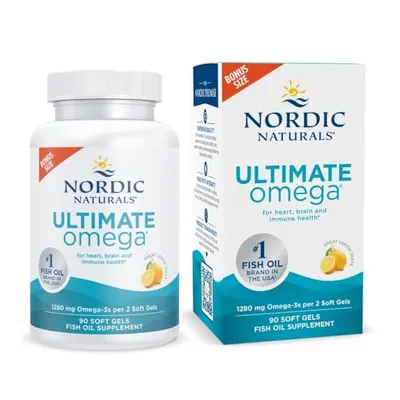
Sports Research Triple Strength Omega-3

Sports Research Triple Strength Omega-3

Sports Research

9.1/10
Heart health / EPA-predominant$0.31/serving
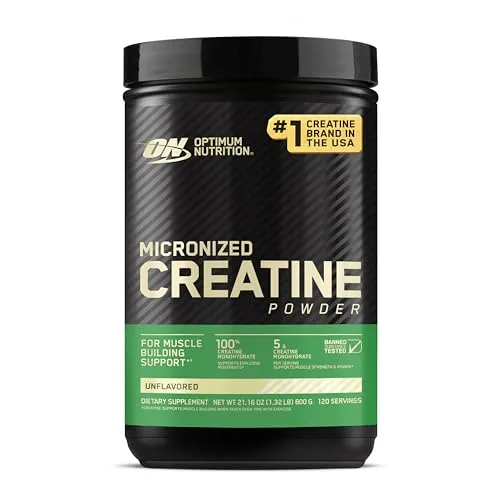
Optimum Nutrition Micronized Creatine Monohydrate Powder

Optimum Nutrition Micronized Creatine Monohydrate Powder

Optimum Nutrition

9.5/10
Athletes and anyone seeking the most researched form$0.23/serving

Detailed Ingredient Guides

Omega-3
Essential Fatty Acid
Omega-3 fatty acids (EPA + DHA) reduce inflammation, support heart and brain health, and may improve mood. The REDUCE-IT trial showed high-dose EPA (4g/day) reduced cardiovascular events by 25%. Most adults benefit from 1,000-2,000mg combined EPA+DHA daily.
Creatine
Amino Acid Derivative
Creatine monohydrate at 3-5 g/day is the most evidence-backed sports supplement in existence. The International Society of Sports Nutrition (ISSN) position stand confirms it increases strength, power output, and lean mass. Loading is optional. Emerging evidence also supports cognitive and neuroprotective benefits.
Krill Oil
Omega-3 Supplement
Krill oil provides phospholipid-bound omega-3s (EPA and DHA) with up to 68% better cell membrane incorporation than fish oil triglycerides. At 1-3g daily, it supports heart health, reduces inflammation, lowers triglycerides, and relieves PMS symptoms. Natural astaxanthin prevents rancidity.
Bone Marrow
Organ / Ancestral Supplement
Bone marrow supplements provide alkylglycerols, fat-soluble vitamins, collagen, and growth factors in freeze-dried capsule form. While traditional use spans millennia, clinical evidence is emerging — with the strongest data supporting alkylglycerols for immune modulation and the fat-soluble nutrient profile for joint and bone health.
Boron
Trace Mineral
Boron supports bone health, may boost free testosterone, and reduces inflammatory markers. Doses of 3-6mg daily show benefits in research. It enhances the metabolism of calcium, magnesium, and vitamin D. Calcium fructoborate is the best-studied form.
Calcium
Essential Macromineral
Calcium is essential for bone strength and muscle function. Adults need 1,000-1,200mg daily from food and supplements combined. Calcium citrate is better absorbed than carbonate, especially on an empty stomach. Always pair with vitamin D and K2 for optimal bone benefit.
Cetyl Myristoleate
Fatty Acid Ester
Cetyl myristoleate at 350-500mg daily may reduce joint pain and improve range of motion through anti-inflammatory and lubricating effects. Limited but positive clinical trials exist, with one RCT showing 63% improvement in knee OA symptoms. Evidence is still emerging.
Chondroitin
Glycosaminoglycan
Chondroitin sulfate at 800-1,200mg daily reduces osteoarthritis pain comparably to NSAIDs and may slow cartilage loss over 2+ years. It is most effective in pharmaceutical-grade formulations and is often combined with glucosamine for additive benefit.
Collagen Peptides
Amino Acid
Collagen peptides provide the amino acids (glycine, proline, hydroxyproline) needed for skin, joint, and connective tissue repair. At 5-15 g/day, clinical trials show reduced wrinkles, improved joint pain, and enhanced tendon recovery. Type I and III support skin; Type II targets joints.
Collagen Type II
Collagen Protein
Hydrolyzed type II collagen at 1-10g daily provides cartilage-specific amino acids and bioactive peptides that stimulate chondrocyte activity, reducing joint pain and supporting cartilage structure. Clinical trials show significant improvements in OA symptoms over 3-6 months of use.
Collagen
Structural Protein
Collagen peptides (hydrolyzed collagen) provide the amino acids glycine, proline, and hydroxyproline needed for connective tissue repair. A 2019 meta-analysis found collagen supplementation significantly improved skin elasticity and reduced joint pain in osteoarthritis. Standard dosing is 5-15g hydrolyzed collagen daily, with type-specific targeting: type I/III for skin, type II for cartilage.
Eggshell Membrane (NEM)
Natural Matrix
NEM (eggshell membrane) at 500mg daily provides fast-acting joint pain relief, often within 7-10 days, by delivering a natural matrix of collagen, chondroitin, hyaluronic acid, and growth factors. Multiple RCTs support its efficacy for both OA and exercise-related joint discomfort.
Glucosamine
Amino Sugar
Glucosamine sulfate at 1,500mg daily reduces osteoarthritis pain and slows cartilage loss, supported by multiple large RCTs and meta-analyses. The sulfate form is preferred over hydrochloride based on clinical evidence. Benefits typically appear after 4-8 weeks of consistent use.
Glycine
Amino Acid
Glycine at 3-5 g/day supports sleep quality, collagen synthesis, and glutathione production. A 2006 study showed 3 g before bed significantly improved subjective sleep quality and reduced next-day fatigue. Glycine is also essential for glutathione and creatine synthesis, making it a foundational amino acid.
Hyaluronic Acid
Glycosaminoglycan
Oral hyaluronic acid at 80-200mg daily reduces knee osteoarthritis pain and improves joint function, supported by multiple RCTs. It works by supplementing synovial fluid viscosity and may stimulate endogenous HA production. Benefits appear within 2-3 months of daily use.
Magnesium
Mineral Supplement
Magnesium is an essential mineral that supports muscle function, sleep quality, and stress management. Most adults benefit from 200-400mg daily, with magnesium glycinate being the best-absorbed form for general use.
Manganese
Essential Trace Mineral
Manganese supports bone health, antioxidant defense, and cartilage formation. Most people get adequate amounts (1.8-2.3mg) from diet alone. Supplementation is rarely needed and high doses can be neurotoxic. It is commonly included in bone-support formulas and multivitamins.
Omega-3 Fish Oil
Essential Fatty Acid
Omega-3 fish oil (EPA + DHA) at 2-4g daily reduces inflammatory markers like CRP by 15-30% and triglycerides by 15-25%. EPA is the primary anti-inflammatory component. Choose a product providing at least 1g combined EPA/DHA per serving for meaningful benefits.
Phosphorus
Essential Macromineral
Phosphorus is essential for bone health, energy production, and DNA structure. Most people consume more than enough (700mg RDA) through diet — deficiency is rare. Supplementation is rarely needed and excess phosphorus (from processed foods) may harm bone and cardiovascular health.
SAMe (S-Adenosyl Methionine)
Amino Acid Derivative
SAMe at 600-1,200mg daily reduces osteoarthritis pain comparably to NSAIDs like ibuprofen and celecoxib, with fewer side effects. It also promotes cartilage repair by stimulating proteoglycan synthesis. Benefits typically appear after 2-4 weeks of consistent use.
Strontium
Trace Mineral
Strontium citrate is used for bone density support at 680mg daily. Prescription strontium ranelate reduced fractures by 41% in large RCTs. OTC strontium citrate has less evidence but shares the same mechanism. Note: strontium inflates DEXA scan readings. Take separately from calcium.
Turmeric / Curcumin
Plant Extract / Polyphenol
Curcumin is the primary bioactive in turmeric with strong evidence for reducing joint pain (comparable to ibuprofen in meta-analysis), lowering inflammatory markers, and supporting gut and brain health. Standard curcumin absorbs poorly (~1%); choose enhanced forms like Meriva phytosome (29x), Longvida (65x free curcumin), or piperine-boosted C3 Complex (20x) for clinically relevant blood levels. Typical effective dose: 500-1500mg curcumin daily with an absorption enhancer.
UC-II (Undenatured Type II Collagen)
Collagen Protein
UC-II at 40mg daily reduces joint pain and improves function through immune-mediated oral tolerance, where the body learns to stop attacking its own cartilage. A head-to-head trial showed UC-II outperformed 1,500mg glucosamine + 1,200mg chondroitin for knee OA symptoms.
Vitamin D3
Fat-Soluble Vitamin
Vitamin D3 is essential for bone health, immune function, and mood regulation. An estimated 42% of U.S. adults are deficient. Most adults benefit from 1,000-4,000 IU daily, and a 2017 meta-analysis found supplementation reduced the risk of acute respiratory infections by 12%.
Vitamin K2 (MK-7)
Fat-Soluble Vitamin
Vitamin K2 (especially MK-7) directs calcium to bones and away from arteries by activating osteocalcin and matrix Gla protein. MK-7 has a longer half-life than MK-4 and only needs once-daily dosing. Most adults benefit from 100-200 mcg MK-7 daily, especially when supplementing vitamin D and calcium.
Fish Oil
Omega-3 Supplement
Fish oil provides preformed EPA and DHA omega-3s — the gold standard for cardiovascular, brain, and anti-inflammatory support. At 1-3g combined EPA+DHA daily, it reduces triglycerides by 15-30%, lowers inflammation, supports cognitive function, and improves joint pain. High-dose EPA reduces cardiovascular events by 25%.
Athletic Performance & Recovery
4 ingredients · $40–60/month
The evidence-based athletic performance stack is creatine monohydrate (5g/day maintenance), vitamin D3 (2000–4000 IU), omega-3 (2–3g EPA+DHA), and magnesium glycinate (300–400mg post-workout). Creatine is the most studied performance supplement in existence. The other three address the foundational deficiencies that silently cap performance and slow recovery in most athletes.
Cognitive Performance & Focus
4 ingredients · $55–80/month
The most evidence-backed cognitive stack uses lion's mane (500–1000mg extract), bacopa monnieri (300mg standardized to 55% bacosides), omega-3 (2g EPA+DHA daily), and L-theanine (100–200mg with caffeine). Lion's mane and bacopa build long-term neuroplasticity; omega-3 provides structural support; L-theanine+caffeine delivers clean acute focus.
Immune Resilience
4 ingredients · $30–50/month
The most evidence-backed immune resilience stack is vitamin D3 (2000–4000 IU daily), zinc picolinate (15–25mg daily), vitamin C (500–1000mg daily), and elderberry extract (600mg during illness). Vitamin D and zinc address the most prevalent immune-relevant deficiencies. Vitamin C has decades of evidence for reducing illness duration. Elderberry has RCT support specifically for shortening respiratory illness.
Longevity & Healthy Aging
4 ingredients · $60–90/month
The most evidence-backed longevity foundation stack includes CoQ10 as ubiquinol (200–400mg), omega-3 fatty acids (2–3g EPA+DHA), vitamin D3 with K2 (2000–4000 IU D3 + 100–200mcg MK-7), and magnesium glycinate (200–400mg). These address the four most documented aging mechanisms: mitochondrial decline, inflammation, calcium dysregulation, and deficiency-driven accelerated aging.

Related Conditions

Related Research

Learn More

Frequently Asked Questions

Can omega-3 replace anti-inflammatory drugs for joint pain?

While omega-3s should not be used as a direct replacement for prescribed medications, clinical evidence is encouraging. A meta-analysis of 42 trials found that patients supplementing with 2-4g EPA+DHA daily experienced significant reductions in joint pain and morning stiffness [1]. In rheumatoid arthritis specifically, 59% of patients were able to reduce their NSAID use after 3-4 months of omega-3 supplementation [1]. Always consult your doctor before adjusting medications.

Evidence:Meta-analysis (2007) · moderate confidence[#1]. See full reference list below.

How does creatine help with joint pain?

Creatine supports joint health primarily through two mechanisms: it strengthens the muscles surrounding joints (reducing mechanical stress on cartilage) and has demonstrated anti-inflammatory properties by reducing IL-6 and TNF-alpha levels. A controlled trial in osteoarthritis patients showed that creatine supplementation combined with resistance exercise improved physical function scores by 15% more than exercise alone over 12 weeks.

What is the best supplement for joint pain?

Omega-3 fatty acids (2-4g EPA+DHA daily) have the strongest clinical evidence for joint pain, with a meta-analysis of 42 RCTs showing significant reductions in pain and stiffness. For osteoarthritis specifically, curcumin (500-1500mg bioavailable form) has also shown large effect sizes comparable to ibuprofen with fewer side effects.

Built from 2,400+ clinical studies. Join the weekly research brief.

No spam. Unsubscribe anytime.

Continue Reading

References

  1. Meta-analysisGoldberg RJ, Katz J (2007). A Meta-Analysis of the Analgesic Effects of Omega-3 Polyunsaturated Fatty Acid Supplementation for Inflammatory Joint Pain. Pain. DOI PubMed
  2. Lee YH, Bae SC, Song GG (2012). Omega-3 Polyunsaturated Fatty Acids and the Treatment of Rheumatoid Arthritis: A Meta-Analysis. Archives of Medical Research. DOI PubMed
  3. RCTNeves M Jr, Gualano B, Roschel H, Fuller R, Benatti FB, et al. (2011). Beneficial Effect of Creatine Supplementation in Knee Osteoarthritis. Medicine & Science in Sports & Exercise. DOI PubMed