SupplementScience

Fish Oil — Research Profile

Omega-3 Supplement

Reviewed by·PharmD, BCPS

This content is for informational purposes only and does not constitute medical advice. Consult your healthcare provider before starting any supplement. Full disclaimer

Fish oil provides preformed EPA and DHA omega-3s — the gold standard for cardiovascular, brain, and anti-inflammatory...

Fish oil provides preformed EPA and DHA omega-3s — the gold standard for cardiovascular, brain, and anti-inflammatory support. At 1-3g combined EPA+DHA daily, it reduces triglycerides by 15-30%, lowers inflammation, supports cognitive function, and improves joint pain. High-dose EPA reduces cardiovascular events by 25%.

Key Facts

What it is
A marine-derived supplement providing preformed EPA and DHA omega-3 fatty acids extracted from cold-water fish (anchovies, sardines, mackerel), the most clinically studied supplement worldwide
Primary benefits
  • Reduces triglycerides by 15-30% at standard doses and up to 45% at prescription doses
  • REDUCE-IT: high-dose EPA reduced major cardiovascular events by 25%
  • Lowers systemic inflammation (CRP, IL-6, TNF-alpha)
  • EPA-dominant formulations improve mild-to-moderate depression
  • Reduces joint pain and morning stiffness in inflammatory arthritis
Typical dosage
1-3g combined EPA+DHA daily
Evidence level
Strong
Safety profile
Generally Safe

Time to Effect

Hours
Days
Weeks
Months
2-12 weekstypical onset

Triglyceride reduction measurable within 2-4 weeks, with full effect at 8-12 weeks. Anti-inflammatory effects (CRP reduction) begin within 2-4 weeks. Depression improvement typically requires 4-8 weeks. Joint pain relief in arthritis studies seen at 8-12 weeks. Omega-3 Index (red blood cell EPA+DHA) takes 3-4 months to reach steady state.

What the Research Says

Fish oil has the deepest evidence base of any nutritional supplement. The REDUCE-IT trial (Bhatt et al., 2019, NEJM) is the landmark study: 8,179 statin-treated patients with elevated triglycerides randomized to 4g icosapent ethyl (purified EPA) or placebo showed a 25% reduction in major adverse cardiovascular events — the first supplement trial to demonstrate hard cardiovascular endpoint reduction at this magnitude. A 2020 Cochrane review by Abdelhamid et al. analyzed 86 RCTs and confirmed omega-3s reliably reduce triglycerides and may slightly reduce coronary heart disease events and mortality, though effects on total mortality were less clear. For depression, Liao et al. (2019) meta-analyzed 26 RCTs and found significant benefit, particularly with EPA-dominant formulations at doses above 1g/day. Calder (2017) elucidated the anti-inflammatory mechanisms: EPA and DHA compete with arachidonic acid for COX-2/LOX enzymes and generate specialized pro-resolving mediators (resolvins, protectins, maresins) that actively resolve — rather than merely suppress — inflammation. Goldberg & Katz (2007) meta-analyzed 17 RCTs showing significant joint pain reduction in inflammatory arthritis. The evidence for cognitive decline prevention in healthy adults is weaker, though DHA is a structural component of brain cell membranes. Bioavailability research shows re-esterified triglyceride (rTG) form is 70% better absorbed than ethyl esters.

Benefits of Fish Oil

  • Cardiovascular event reduction — The REDUCE-IT trial (Bhatt et al., 2019) randomized 8,179 statin-treated patients with elevated triglycerides to 4g icosapent ethyl (high-purity EPA) or placebo; EPA reduced major adverse cardiovascular events by 25%, ischemic events by 26%, and cardiovascular death by 20%, establishing high-dose EPA as a prescription-grade cardiovascular intervention
  • Triglyceride reduction — A Cochrane meta-analysis by Abdelhamid et al. (2020) confirmed that omega-3 supplementation reliably reduces triglycerides by 15-30% at standard doses (2-4g EPA+DHA), with effects dose-dependent and most pronounced in hypertriglyceridemic patients; this is the most robust and reproducible effect of fish oil supplementation
  • Depression and mood improvement — Liao et al. (2019) published a meta-analysis of 26 RCTs showing omega-3 supplementation significantly improved depressive symptoms compared to placebo, with EPA-predominant formulations (≥60% EPA) showing the largest effect sizes; DHA-predominant formulations were less effective for depression specifically
  • Anti-inflammatory effects — Calder (2017) reviewed the mechanisms by which EPA and DHA reduce inflammation: they compete with arachidonic acid for COX-2 and LOX enzymes, reduce pro-inflammatory prostaglandins and leukotrienes, and generate specialized pro-resolving mediators (resolvins and protectins) that actively resolve inflammation rather than merely suppressing it
  • Joint pain and arthritis relief — Goldberg & Katz (2007) meta-analyzed 17 RCTs and found that omega-3 supplementation significantly reduced joint pain intensity and morning stiffness in patients with rheumatoid arthritis and inflammatory joint disease, with some patients able to reduce NSAID use
Did you know?

Fish oil has the deepest evidence base of any nutritional supplement.

Forms of Fish Oil

Fish Oil supplement forms compared by bioavailability and best use
FormBioavailabilityBest For
Triglyceride Form (rTG)HighOptimal absorption — re-esterified triglyceride form is 70% better absorbed than ethyl esters; the gold standard for consumer fish oil supplements
Ethyl Ester Form (EE)ModerateConcentrated EPA/DHA per capsule — allows higher potency but lower bioavailability; must be taken with a high-fat meal; form used in most clinical trials including REDUCE-IT
Liquid Fish OilHighHigh-dose supplementation without swallowing multiple capsules — flavored versions mask taste; allows precise dose titration
Enteric-Coated SoftgelsHighEliminating fishy burps — coating prevents capsule dissolution in the stomach, releasing omega-3s in the small intestine instead; slightly delayed absorption

Dosage Recommendations

General recommendation: 1-3g combined EPA+DHA daily with a fat-containing meal

Timing: With the largest fat-containing meal of the day for optimal absorption; divide doses above 2g into two daily servings for GI tolerance • Take with food for best absorption.

Dosage by Condition

General cardiovascular support
1g combined EPA+DHA dailyStrong
High triglycerides
2-4g combined EPA+DHA dailyStrong
Depression (mild-to-moderate)
1-2g EPA daily (EPA-dominant formulation, ≥60% EPA)Moderate
Joint pain / inflammatory arthritis
2.5-3g combined EPA+DHA daily for 12+ weeksModerate
Cognitive support / brain health
1-2g combined EPA+DHA daily (DHA-emphasis for structural brain support)Moderate

Upper limit: 5g combined EPA+DHA/day (FDA considers up to 5g/day safe from supplements; prescription icosapent ethyl uses 4g/day under medical supervision)

Our Top Fish Oil Picks

As an Amazon Associate, we earn from qualifying purchases. Some links below are affiliate links — this doesn't affect our editorial independence or product ratings. How we evaluate products

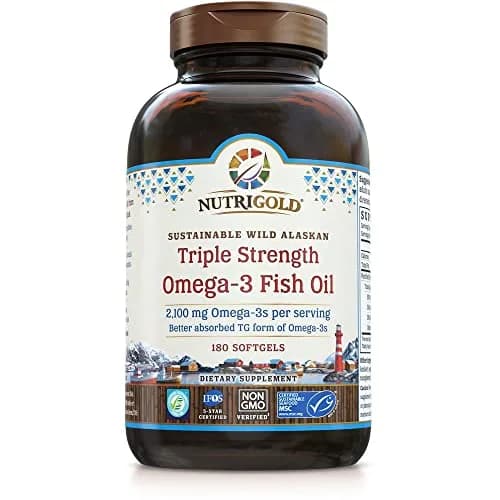
NutriGold Triple Strength Omega-3 Gold
NutriGold
Overall / Highest PotencyForm: Softgel (Burpless)Price: $1.00/serving (2 softgels)
Buy Now on Amazon
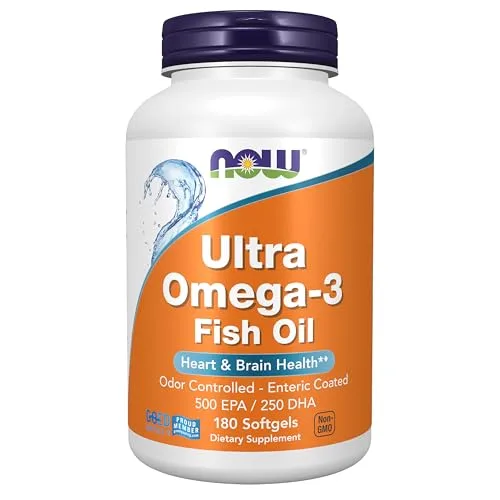
NOW Foods Ultra Omega-3
NOW Foods
BudgetForm: Softgel (Enteric Coated)Price: $0.16/softgel
Buy Now on Amazon
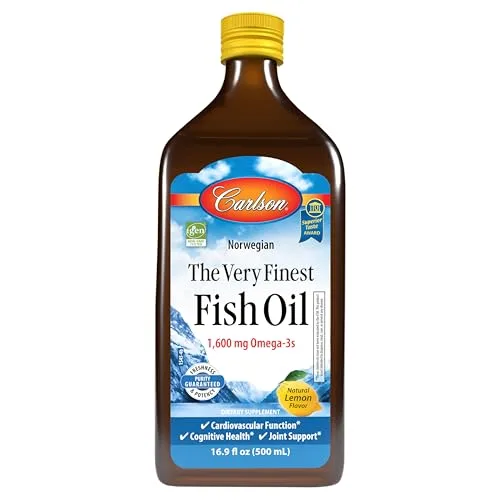
Carlson The Very Finest Fish Oil Liquid
Carlson
Best LiquidForm: Liquid (Lemon Flavor)Price: $0.60/tsp
Buy Now on Amazon
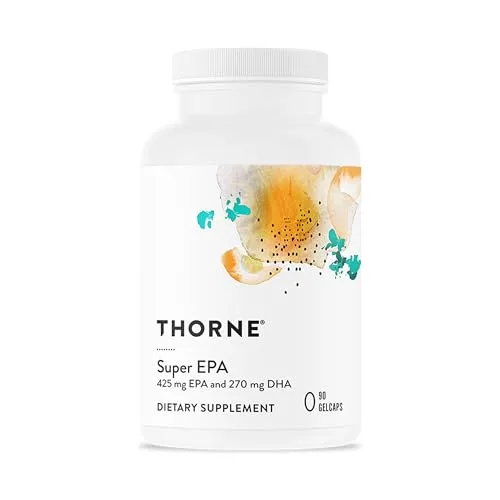
Thorne Super EPA
Thorne
Best for AthletesForm: GelcapPrice: $0.42/gelcap
Buy Now on Amazon
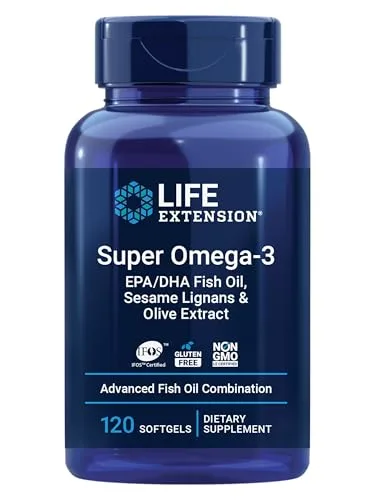
Life Extension Super Omega-3 EPA/DHA
Life Extension
Best with AntioxidantsForm: SoftgelPrice: $0.37/serving (2 softgels)
Buy Now on Amazon

Medication Interactions & Contraindications

Drug Interactions

Warfarin
moderate
Anticoagulant
Fish oil omega-3s have antiplatelet activity that may potentiate warfarin's anticoagulant effect, especially at doses above 2g EPA+DHA daily. Monitor INR more frequently when starting, stopping, or changing fish oil doses. Inform your anticoagulation clinic about fish oil use.
Aspirin / Clopidogrel
moderate
Antiplatelet
Additive antiplatelet effects may increase bleeding risk. Generally well-tolerated at standard doses (1-2g EPA+DHA) but caution at higher doses. Report unusual bruising or prolonged bleeding to your physician. REDUCE-IT used 4g EPA with aspirin without excessive bleeding.
Lisinopril / Amlodipine / Losartan
minor
Antihypertensive
Fish oil may lower blood pressure by 2-5 mmHg. This is generally beneficial but monitor for dizziness or hypotension symptoms, especially when initiating high-dose fish oil alongside blood pressure medications.
Orlistat
minor
Weight Loss
Orlistat blocks fat absorption and reduces fish oil omega-3 uptake by approximately 30%. Separate fish oil and orlistat doses by at least 2 hours for optimal absorption.
Cyclosporine
moderate
Immunosuppressant
Fish oil may alter cyclosporine blood levels. In organ transplant patients, monitor cyclosporine trough levels when starting or adjusting fish oil doses. Coordinate with your transplant team.

Who Should NOT Take This

Fish or seafood allergy(absolute)
Individuals with confirmed fish allergy must avoid fish oil supplements. Highly purified fish oil concentrates may contain trace fish proteins that can trigger allergic reactions including anaphylaxis. Algal oil (derived from microalgae) is the appropriate EPA/DHA alternative.
Bleeding disorders (hemophilia, von Willebrand disease)(relative)
High-dose omega-3s have antiplatelet activity that may exacerbate bleeding disorders. Standard doses (1g EPA+DHA) are generally safe, but use under medical supervision with coagulation monitoring.
Scheduled surgery (within 2 weeks)(relative)
Many surgeons recommend discontinuing fish oil 1-2 weeks before surgery due to antiplatelet effects. Recent evidence suggests standard doses are safe perioperatively, but follow your surgeon's specific instructions.

This information is for educational purposes only. Always consult your healthcare provider before starting or stopping any supplement, especially if you take prescription medications.

Side Effects and Safety

Safety profile: Generally Safe

Potential Side Effects

  • Fishy burps and aftertaste — the most common complaint; reduced by enteric-coated capsules, triglyceride-form oil, refrigeration, or taking with meals
  • GI discomfort (nausea, diarrhea, bloating) — dose-dependent; start at 1g and increase gradually
  • Increased bleeding time — clinically insignificant at doses under 3g; relevant at high doses or with anticoagulants
  • Mild fishy body odor at high doses — uncommon but reported; may indicate oxidized (rancid) product
  • LDL cholesterol increase at very high doses — high-dose DHA (>2g) may modestly raise LDL in some individuals; EPA-only formulations avoid this

Drug & Supplement Interactions

  • Anticoagulants and antiplatelets (warfarin, aspirin, clopidogrel, heparin) — omega-3s have antiplatelet effects; additive bleeding risk at high doses
  • Antihypertensive medications — fish oil may lower blood pressure by 2-5 mmHg; monitor for additive hypotension
  • Orlistat — blocks fat absorption, reducing fish oil uptake; separate doses by 2+ hours
  • Statin medications — fish oil complements statins for triglyceride reduction (REDUCE-IT used fish oil + statin); no negative interaction
  • Cyclosporine — fish oil may alter cyclosporine levels; monitor in transplant patients
Check Fish Oil interactions with other supplements →
BenefitsDosage GuideSide EffectsTypes & FormsResearchFAQ

Related Conditions

Related Supplements

Frequently Asked Questions

How much fish oil should I take daily?

It depends on your goal. For general cardiovascular maintenance, 1g combined EPA+DHA daily is the standard recommendation from most cardiology organizations. For high triglycerides, 2-4g daily is needed. For depression, 1-2g EPA-dominant formulation. For joint pain, 2.5-3g for 12+ weeks. The FDA considers up to 5g daily from supplements as safe. Always check the supplement facts label for actual EPA+DHA content per serving — a '1000mg fish oil' capsule may contain only 300mg combined EPA+DHA.

What is the difference between fish oil and krill oil?

Both provide EPA and DHA, but in different molecular forms. Fish oil delivers omega-3s primarily as triglycerides (or ethyl esters in concentrates), while krill oil delivers them bound to phospholipids. Studies suggest phospholipid-bound omega-3s may incorporate into cell membranes more efficiently, potentially allowing lower krill oil doses. However, fish oil provides far more EPA+DHA per capsule (typically 500-1000mg vs. 50-150mg in krill oil), has a vastly larger clinical evidence base (including the REDUCE-IT trial), and costs less per gram of omega-3.

Does fish oil really help with depression?

Yes, with important nuances. A meta-analysis of 26 RCTs found fish oil significantly improves depressive symptoms, but the effect depends on formulation: EPA-dominant products (where EPA is ≥60% of total omega-3) show the best results. DHA-dominant formulations are less effective for depression specifically. The typical effective dose is 1-2g EPA daily. Fish oil works best as an adjunct to standard depression treatment, not a replacement. It appears most beneficial for mild-to-moderate depression.

How do I avoid fishy burps from fish oil?

Five strategies: (1) Choose enteric-coated capsules that dissolve in the intestine, not the stomach. (2) Use triglyceride-form (rTG) fish oil instead of ethyl ester form — it digests more smoothly. (3) Take fish oil with your largest meal containing fat. (4) Refrigerate or freeze capsules — cold oil digests more slowly with less reflux. (5) Check for rancidity — fishy burps worsen with oxidized oil. Cut a capsule open and smell it; fresh fish oil should smell mildly oceanic, not intensely fishy.

Is fish oil safe with blood thinners?

Standard doses (1-2g EPA+DHA) are generally considered safe alongside most blood thinners, though caution increases with dose. The REDUCE-IT trial used 4g EPA daily in patients already on aspirin without excessive bleeding. However, with warfarin specifically, omega-3s may shift INR and require more frequent monitoring. Always inform your physician about fish oil use, especially if you take warfarin, heparin, or dual antiplatelet therapy. Discontinue fish oil 1-2 weeks before planned surgery per your surgeon's guidance.

What should I look for when buying fish oil?

Check five things: (1) EPA+DHA content per serving — not total fish oil weight; aim for 500-1000mg combined EPA+DHA per capsule. (2) Molecular form — re-esterified triglyceride (rTG) absorbs 70% better than ethyl ester (EE). (3) Third-party testing — IFOS, USP, or NSF certification ensures purity and potency. (4) Freshness — check oxidation values (TOTOX) on the label or manufacturer's website. (5) Sustainability — look for MSC, FOS, or IFFO certification for responsibly sourced fish.

Can I get enough omega-3 from diet alone?

It depends on your fish intake. Two servings of fatty fish per week (salmon, mackerel, sardines, herring) provides roughly 500mg EPA+DHA daily — enough for general cardiovascular maintenance. However, most people eat far less fish than this. For therapeutic goals (triglyceride reduction, depression, joint pain), the required 2-4g daily EPA+DHA would require eating fatty fish at every meal, which is impractical and raises mercury concerns. Supplementation is the realistic path to therapeutic omega-3 levels for most people.

Does fish oil expire or go rancid?

Yes, and rancid fish oil may be harmful rather than beneficial. Omega-3 fatty acids are highly susceptible to oxidation. Signs of rancidity include strong fishy smell, bitter taste, and darkened color. Store fish oil in a cool, dark place or refrigerate after opening. Check expiration dates and discard expired products. When purchasing, choose brands that publish TOTOX (total oxidation) values — lower is better. A TOTOX under 26 meq/kg is considered acceptable by GOED (Global Organization for EPA and DHA Omega-3s).

Continue Reading

References

  1. Bhatt DL, Steg PG, Miller M, Brinton EA, Jacobson TA, Ketchum SB, Doyle RT Jr, Juliano RA, Jiao L, Granowitz C, Tardif JC, Ballantyne CM (2019). Cardiovascular risk reduction with icosapent ethyl for hypertriglyceridemia. New England Journal of Medicine. DOI PubMed
  2. Abdelhamid AS, Brown TJ, Brainard JS, Biswas P, Thorpe GC, Moore HJ, Deane KH, Summerbell CD, Worthington HV, Song F, Hooper L (2020). Omega-3 fatty acids for the primary and secondary prevention of cardiovascular disease. Cochrane Database of Systematic Reviews. DOI PubMed
  3. Liao Y, Xie B, Zhang H, He Q, Guo L, Subramanieapillai M, Fan B, Lu C, McIntyre RS (2019). Efficacy of omega-3 PUFAs in depression: a meta-analysis. Translational Psychiatry. DOI PubMed
  4. Calder PC (2017). Omega-3 fatty acids and inflammatory processes: from molecules to man. Biochemical Society Transactions. DOI PubMed
  5. Goldberg RJ, Katz J (2007). A meta-analysis of the analgesic effects of omega-3 polyunsaturated fatty acid supplementation for inflammatory joint pain. Pain. DOI PubMed
  6. Dyerberg J, Madsen P, Moller JM, Aardestrup I, Schmidt EB (2010). Bioavailability of marine n-3 fatty acid formulations. Prostaglandins, Leukotrienes and Essential Fatty Acids. DOI PubMed
  7. Mocking RJ, Harmsen I, Assies J, Koeter MW, Ruhe HG, Schene AH (2016). Meta-analysis and meta-regression of omega-3 polyunsaturated fatty acid supplementation for major depressive disorder. Translational Psychiatry. DOI PubMed