SupplementScience

Krill Oil — Research Profile

Omega-3 Supplement

Reviewed by·PharmD, BCPS

This content is for informational purposes only and does not constitute medical advice. Consult your healthcare provider before starting any supplement. Full disclaimer

Krill oil provides phospholipid-bound omega-3s (EPA and DHA) with up to 68% better cell membrane incorporation than...

Krill oil provides phospholipid-bound omega-3s (EPA and DHA) with up to 68% better cell membrane incorporation than fish oil triglycerides. At 1-3g daily, it supports heart health, reduces inflammation, lowers triglycerides, and relieves PMS symptoms. Natural astaxanthin prevents rancidity.

Key Facts

What it is
A marine omega-3 supplement from Antarctic krill (Euphausia superba) providing EPA and DHA in phospholipid-bound form with natural astaxanthin
Primary benefits
  • 68% greater EPA/DHA incorporation into cell membranes vs. fish oil
  • Reduces triglycerides and LDL cholesterol
  • Relieves PMS symptoms including emotional and physical discomfort
  • Reduces inflammatory markers (CRP) and joint stiffness
  • Contains natural astaxanthin — no fishy burps or rancidity
Typical dosage
1-3g daily (providing 250-500mg combined EPA+DHA)
Evidence level
Moderate
Safety profile
Generally Safe

Time to Effect

Hours
Days
Weeks
Months
2-12 weekstypical onset

Inflammatory markers (CRP) may improve within 2-4 weeks. Cholesterol and triglyceride changes typically require 8-12 weeks. PMS benefits observed within 1-3 menstrual cycles. Consistent daily use required for cumulative membrane incorporation.

What the Research Says

Krill oil research centers on its unique phospholipid-bound omega-3 delivery system. Ulven et al. (2011) published the landmark bioavailability study in Lipids, demonstrating 68% greater EPA and DHA incorporation into red blood cell membranes compared to fish oil triglycerides at matched doses — a finding attributed to phospholipids being the native form of fatty acid transport in human cell membranes. Bunea et al. (2004) conducted a 12-week RCT showing krill oil reduced LDL cholesterol by 34%, triglycerides by 11.5%, and increased HDL by 43.5% in hyperlipidemic patients, outperforming fish oil on multiple endpoints. Sampalis et al. (2003) demonstrated significant PMS symptom relief with 2g krill oil daily across emotional and physical domains. Deutsch (2007) showed even low-dose krill oil (300mg/day) significantly reduced CRP and pain scores in patients with inflammatory conditions. A 2014 Cochrane-style review noted the overall evidence base for krill oil is smaller than fish oil's but consistently shows comparable or superior effects at lower doses, likely due to the phospholipid absorption advantage. The natural astaxanthin content (0.1-0.2mg per gram) provides oxidative stability superior to fish oil and may contribute independently to the anti-inflammatory benefits.

Benefits of Krill Oil

  • Superior omega-3 absorption — Ulven et al. (2011) demonstrated that phospholipid-bound omega-3s from krill oil achieve 68% greater incorporation of EPA and DHA into red blood cell membranes compared to equivalent doses of fish oil triglycerides, likely because phospholipids are the native transport form in human cell membranes
  • Cardiovascular protection — Bunea et al. (2004) showed 1-3g krill oil daily for 90 days significantly reduced total cholesterol, LDL, and triglycerides while increasing HDL in hyperlipidemic patients; effects were dose-dependent and superior to fish oil at equivalent omega-3 doses
  • PMS symptom relief — Sampalis et al. (2003) published in the Journal of the American College of Nutrition showed 2g krill oil daily significantly reduced emotional symptoms (irritability, depression, stress) and physical symptoms (breast tenderness, joint pain, bloating) compared to fish oil and placebo over three menstrual cycles
  • Anti-inflammatory effects — Deutsch (2007) found 300mg krill oil daily for 30 days reduced CRP by 30%, pain scores by 28.9%, stiffness by 20.3%, and functional impairment by 22.8% in patients with cardiovascular disease, rheumatoid arthritis, or osteoarthritis
  • Natural antioxidant protection — krill oil contains 100-200mcg astaxanthin per gram, a carotenoid antioxidant that prevents lipid peroxidation during storage and digestion, eliminating the rancidity and fishy aftertaste common with conventional fish oil supplements
Did you know?

Krill oil research centers on its unique phospholipid-bound omega-3 delivery system.

Forms of Krill Oil

Krill Oil supplement forms compared by bioavailability and best use
FormBioavailabilityBest For
Softgels (Phospholipid Complex)HighStandard supplementation — most common and convenient form; phospholipid matrix disperses in stomach acid for rapid absorption without requiring bile salts
Liquid Krill OilHighFlexible dosing — rare form for those who cannot swallow softgels; requires refrigeration and has shorter shelf life

Dosage Recommendations

General recommendation: 1-3g daily with a meal containing fat

Timing: With breakfast or lunch for best absorption; evening dosing acceptable but may cause mild GI discomfort if taken on an empty stomach • Take with food for best absorption.

Dosage by Condition

General cardiovascular support
1g dailyModerate
High cholesterol / triglyceride reduction
2-3g dailyModerate
PMS symptom relief
2g dailyModerate
Joint inflammation / arthritis
300mg-2g dailyEmerging
General omega-3 maintenance
1-2g daily (250-500mg combined EPA+DHA)Moderate

Upper limit: 4g/day (higher doses studied safely but offer diminishing returns; doses above 3g rarely needed)

Our Top Krill Oil Picks

As an Amazon Associate, we earn from qualifying purchases. Some links below are affiliate links — this doesn't affect our editorial independence or product ratings. How we evaluate products

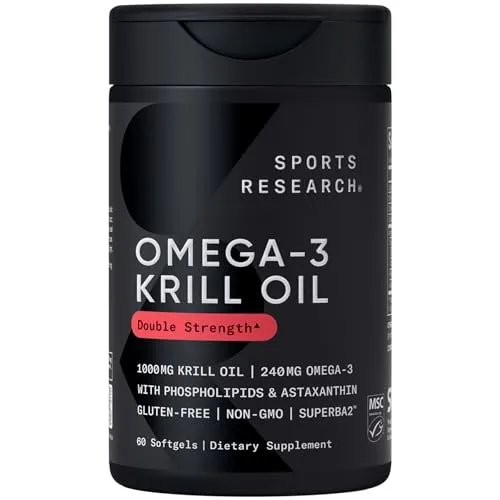
Sports Research Antarctic Krill Oil 1000mg
Sports Research
OverallForm: SoftgelPrice: $0.42/serving
Buy Now on Amazon
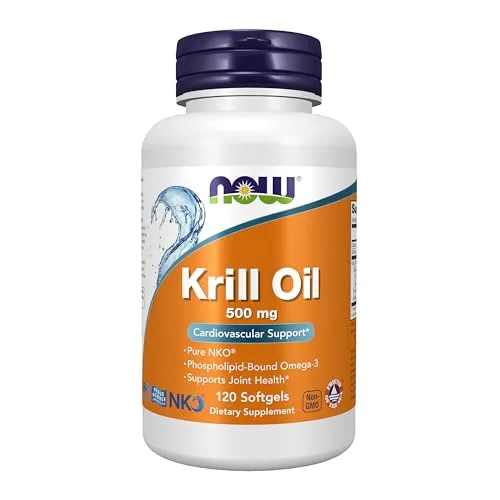
NOW Supplements Neptune Krill Oil 500mg
NOW Foods
Budget / ValueForm: SoftgelPrice: $0.25/serving
Buy Now on Amazon
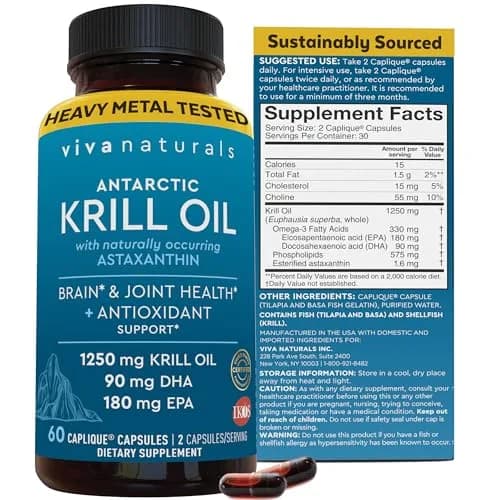
Viva Naturals Antarctic Krill Oil 1250mg
Viva Naturals
Highest AstaxanthinForm: SoftgelPrice: $0.45/serving
Buy Now on Amazon
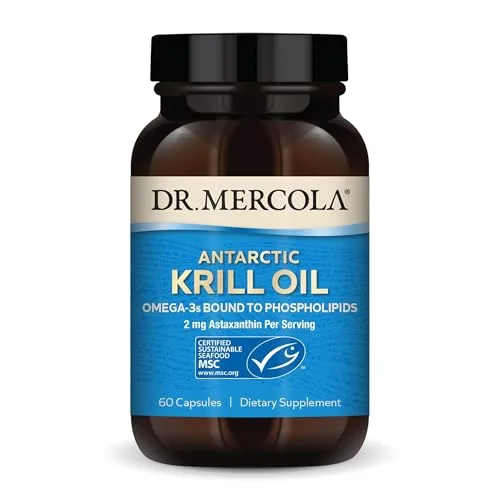
Dr. Mercola Antarctic Krill Oil 1000mg
Dr. Mercola
Most SustainableForm: CapsulePrice: $0.58/serving
Buy Now on Amazon
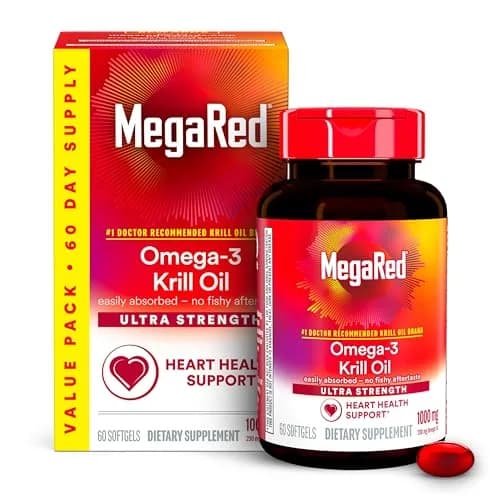
MegaRed Ultra Strength Krill Oil 1000mg
MegaRed
Most Trusted BrandForm: SoftgelPrice: $0.58/serving
Buy Now on Amazon

Medication Interactions & Contraindications

Drug Interactions

Warfarin
moderate
Anticoagulant
Krill oil omega-3s have antiplatelet activity that may potentiate warfarin's anticoagulant effect. Monitor INR more frequently when starting or changing krill oil doses. Discuss with prescribing physician before combining.
Aspirin / Clopidogrel
moderate
Antiplatelet
Additive antiplatelet effects may increase bleeding risk. Generally well-tolerated at standard krill oil doses (1-2g) but report unusual bruising or prolonged bleeding to your physician.
Lisinopril / Amlodipine
minor
Antihypertensive
Krill oil may modestly lower blood pressure (2-3 mmHg). Monitor for dizziness or hypotension symptoms, especially when initiating krill oil alongside blood pressure medications.
Orlistat
minor
Weight Loss
Orlistat blocks fat absorption and may reduce krill oil omega-3 uptake. Separate krill oil and orlistat doses by at least 2 hours for optimal absorption.

Who Should NOT Take This

Shellfish or crustacean allergy(absolute)
Krill are crustaceans (order Euphausiacea). Individuals with confirmed shellfish or crustacean allergies must avoid krill oil entirely due to risk of anaphylaxis. This is a true allergy contraindication — no safe dose exists.
Bleeding disorders (hemophilia, von Willebrand disease)(relative)
Omega-3 fatty acids have antiplatelet activity that may exacerbate bleeding disorders. Use only under medical supervision with regular coagulation monitoring.
Upcoming surgery (within 2 weeks)(relative)
Discontinue krill oil at least 2 weeks before scheduled surgery due to antiplatelet effects that may increase intraoperative and postoperative bleeding risk. Resume after surgical wound has healed and with surgeon's approval.

This information is for educational purposes only. Always consult your healthcare provider before starting or stopping any supplement, especially if you take prescription medications.

Side Effects and Safety

Safety profile: Generally Safe

Potential Side Effects

  • Mild GI discomfort (nausea, diarrhea, bloating) — less common than with fish oil due to phospholipid form
  • Fishy aftertaste — significantly less than fish oil due to natural astaxanthin antioxidant protection
  • Potential for increased bleeding time at high doses — clinically insignificant at standard doses
  • Loose stools — uncommon, typically resolves with dose adjustment or taking with food
  • Allergic reactions in individuals with shellfish/crustacean allergy — krill are crustaceans

Drug & Supplement Interactions

  • Anticoagulants and antiplatelets (warfarin, heparin, aspirin, clopidogrel) — omega-3s have additive antiplatelet effects; may increase bleeding risk
  • Antihypertensive medications — krill oil may modestly lower blood pressure; monitor for additive hypotension
  • Orlistat (weight loss medication) — may reduce absorption of fat-soluble nutrients including krill oil omega-3s; separate doses by 2+ hours
  • Other omega-3 supplements — additive effects; total EPA+DHA intake should be considered
Check Krill Oil interactions with other supplements →
BenefitsDosage GuideSide EffectsTypes & FormsResearchFAQ

Related Conditions

Related Supplements

Frequently Asked Questions

Is krill oil better than fish oil?

Krill oil and fish oil both provide EPA and DHA omega-3 fatty acids, but they differ in delivery form. Krill oil's omega-3s are bound to phospholipids, which studies show are incorporated into cell membranes 68% more efficiently than the triglyceride form in fish oil. This means you may need a lower dose of krill oil to achieve similar blood levels. Krill oil also contains natural astaxanthin, eliminating fishy burps. However, fish oil is cheaper per gram of EPA+DHA and has a larger clinical evidence base.

Can I take krill oil if I have a shellfish allergy?

No. Krill are crustaceans, and krill oil may contain proteins that trigger allergic reactions in individuals with shellfish or crustacean allergies. This is an absolute contraindication — anaphylaxis is possible. If you have a shellfish allergy and want omega-3 supplementation, consider algal oil (derived from microalgae), which provides DHA and EPA without any crustacean or fish-derived ingredients.

Why does krill oil cause fewer fishy burps than fish oil?

Two reasons. First, the phospholipid-bound omega-3s in krill oil disperse easily in stomach acid and are absorbed more rapidly than fish oil triglycerides, reducing the time fatty acids sit in the stomach. Second, krill oil contains natural astaxanthin, a powerful antioxidant that prevents the lipid oxidation responsible for fishy odor and taste. Conventional fish oil is more prone to oxidative rancidity both in the capsule and during digestion.

How much krill oil should I take daily?

Most clinical studies use 1-3g of krill oil daily, which typically provides 250-500mg of combined EPA and DHA. For general cardiovascular support, 1g daily is sufficient. For high cholesterol or PMS symptom relief, 2-3g daily is supported by clinical evidence. Take krill oil with a fat-containing meal to maximize absorption. Start at the lower end and increase gradually to assess tolerance.

Is krill oil sustainable and environmentally friendly?

Antarctic krill (Euphausia superba) is the largest biomass on Earth, estimated at 379 million metric tons. However, krill are the foundation of the Antarctic food web, feeding whales, seals, and penguins. Reputable krill oil brands carry MSC (Marine Stewardship Council) certification, which ensures harvesting stays within sustainable limits — currently about 1% of total biomass. Look for the MSC blue label when purchasing.

Does krill oil help with joint pain and arthritis?

Emerging evidence suggests yes. Deutsch (2007) found that just 300mg of krill oil daily for 30 days reduced pain scores by 28.9%, stiffness by 20.3%, and functional impairment by 22.8% in arthritis patients. The anti-inflammatory effect is attributed to both the omega-3 fatty acids (which reduce pro-inflammatory prostaglandins) and natural astaxanthin. However, the evidence base is smaller than for fish oil, and more large-scale RCTs are needed.

Can I take krill oil with blood thinners?

Use caution. Omega-3 fatty acids, including those in krill oil, have mild antiplatelet effects that may increase the anticoagulant action of blood thinners like warfarin, heparin, or antiplatelet drugs like aspirin and clopidogrel. While standard krill oil doses (1-2g) are generally tolerable, you should inform your physician, have your INR monitored more frequently if on warfarin, and report any unusual bruising or bleeding.

When should I stop taking krill oil before surgery?

Discontinue krill oil at least 2 weeks (14 days) before any scheduled surgical procedure. The omega-3 fatty acids in krill oil have antiplatelet activity that may increase bleeding risk during and after surgery. Resume only after your surgical wound has adequately healed and with your surgeon's approval. Inform your surgical team about all supplements you take during pre-operative consultation.

Continue Reading

References

  1. Ulven SM, Kirkhus B, Lamglait A, Basu S, Elind E, Haider T, Berge K, Vik H, Pedersen JI (2011). Metabolic effects of krill oil are essentially similar to those of fish oil but at lower dose of EPA and DHA, in healthy volunteers. Lipids. DOI PubMed
  2. Bunea R, El Farrah K, Deutsch L (2004). Evaluation of the effects of Neptune Krill Oil on the clinical course of hyperlipidemia. Alternative Medicine Review. PubMed
  3. Sampalis F, Bunea R, Pelland MF, Kowalski O, Duguet N, Dupuis S (2003). Evaluation of the effects of Neptune Krill Oil on the management of premenstrual syndrome and dysmenorrhea. Alternative Therapies in Health and Medicine. PubMed
  4. Deutsch L (2007). Evaluation of the effect of Neptune Krill Oil on chronic inflammation and arthritic symptoms. Journal of the American College of Nutrition. DOI PubMed
  5. Ramprasath VR, Eyal I, Zchut S, Jones PJ (2013). Enhanced increase of omega-3 index in healthy individuals with response to 4-week n-3 fatty acid supplementation from krill oil versus fish oil. Lipids in Health and Disease. DOI PubMed
  6. Cicero AFG, Rosticci M, Morbini M, Cagnati M, Grandi E, Parini A, Borghi C (2016). Lipid-lowering and anti-inflammatory effects of omega 3 ethyl esters and krill oil: a randomized, cross-over, clinical trial. Archives of Medical Science. DOI PubMed
  7. Konagai C, Yanagimoto K, Hayamizu K, Han L, Tsuji T, Koga Y (2013). Effects of krill oil containing n-3 polyunsaturated fatty acids in phospholipid form on human brain function: a randomized controlled trial in healthy elderly volunteers. Clinical Interventions in Aging. DOI PubMed