Supplement ScienceSupplementScience
Stress

Best Supplements for Stress

Prevalence: 77% of Americans experience physical symptoms of stress regularly

This content is for informational purposes only and does not constitute medical advice. Statements about dietary supplements have not been evaluated by the FDA and are not intended to diagnose, treat, cure, or prevent any disease. Individual results may vary — consult your healthcare provider before starting any supplement. Full disclaimer

The most evidence-backed supplements for stress are ashwagandha (300-600mg KSM-66, shown to reduce cortisol by 30% in...

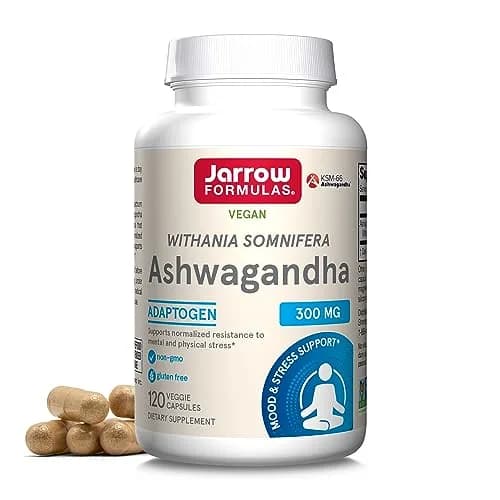
The most evidence-backed supplements for stress are ashwagandha (300-600mg KSM-66, shown to reduce cortisol by 30% in RCTs), magnesium (200-400mg glycinate, which depletes rapidly under stress), and omega-3 fatty acids (1-2g EPA+DHA, linked to 20% lower stress biomarkers). All three target distinct stress pathways and can be safely combined.

Get the free evidence-based Stress guide — delivered in 60 seconds.

No spam. Unsubscribe anytime.

Overview

Chronic stress affects roughly 77% of Americans who report physical symptoms from stress, according to the American Psychological Association. Prolonged elevated cortisol impairs immunity, cardiovascular health, and cognitive function. Several supplements have demonstrated measurable cortisol-lowering and stress-resilience effects in randomized controlled trials.
Understanding Stress

Stress is not just a feeling — it is a measurable physiological cascade driven by the hypothalamic-pituitary-adrenal (HPA) axis. When the brain perceives a threat, the hypothalamus signals the adrenal glands to release cortisol and adrenaline. In acute situations this response is protective, but chronic activation leads to persistently elevated cortisol, which degrades hippocampal neurons, suppresses immune function, raises blood glucose, and disrupts sleep architecture. Magnesium — a cofactor in over 300 enzymatic reactions — depletes rapidly under sustained cortisol output, creating a deficiency that further amplifies the stress response. Chronically stressed individuals also show elevated inflammatory markers (IL-6, TNF-alpha) and reduced brain-derived neurotrophic factor (BDNF), linking psychological stress to systemic inflammation and cognitive decline. The supplement approach targets three distinct nodes: cortisol regulation via adaptogenic herbs, mineral repletion to restore enzymatic function, and anti-inflammatory support through omega-3 fatty acids. None of these replace cognitive behavioral therapy or lifestyle change, but they address the biochemical terrain that makes the nervous system hyperreactive in the first place.

What the Research Shows

Ashwagandha has the deepest evidence base for stress reduction. Chandrasekhar et al. (2012) conducted a 60-day double-blind RCT with 64 adults experiencing chronic stress. Participants receiving 300 mg of full-spectrum ashwagandha root extract twice daily showed a 27.9% reduction in serum cortisol compared to placebo. A larger trial by Lopresti et al. (2019) using 240 mg of ashwagandha daily for 60 days found significant reductions in the Depression Anxiety Stress Scales (DASS-21) stress subscale, along with lower morning cortisol and DHEA-S normalization. A systematic review by Bonilla et al. (2021) pooled 12 RCTs and concluded that ashwagandha consistently reduces perceived stress and cortisol biomarkers with a favorable safety profile. Magnesium supplementation addresses stress from the mineral-depletion angle. Boyle et al. (2017) published a systematic review of 18 studies in Nutrients and found that magnesium supplementation significantly reduced subjective measures of stress and anxiety, with the strongest effects in individuals with low baseline magnesium. The mechanism is well-established: magnesium is a natural NMDA receptor antagonist and GABA agonist, meaning it dampens excitatory neural signaling while enhancing calming neurotransmission. Doses of 200–400 mg elemental magnesium as glycinate showed the most consistent results. Omega-3 fatty acids operate on the inflammatory axis of stress. Kiecolt-Glaser et al. (2011) randomized 68 medical students to receive 2.5 g/day of omega-3 (2,085 mg EPA, 348 mg DHA) or placebo during a high-stress exam period. The omega-3 group showed a 14% reduction in IL-6 levels and 20% lower anxiety scores. A 2018 meta-analysis by Su et al. in Translational Psychiatry analyzed 19 RCTs and found that omega-3 formulations with at least 60% EPA had significant anxiolytic effects compared to placebo. Rhodiola rosea is an emerging adaptogen with stress-specific evidence. Olsson et al. (2009) found that 400 mg of SHR-5 rhodiola extract daily over 4 weeks significantly reduced stress-related fatigue, cognitive impairment, and cortisol response in 60 adults with burnout-related fatigue. L-theanine provides rapid-onset stress modulation — Kimura et al. (2007) demonstrated that 200 mg of L-theanine reduced subjective stress and salivary alpha-amylase (a stress biomarker) within 40 minutes of ingestion during an acute stress task.

What to Look For in Supplements

For ashwagandha, choose KSM-66 (standardized to 5% withanolides, root-only extraction) or Sensoril (standardized to 10% withanolides, root and leaf). These are the extracts used in clinical trials; generic ashwagandha powder has variable and often lower withanolide content. Effective dose: 300 mg twice daily for KSM-66, 125–250 mg daily for Sensoril. For magnesium, avoid oxide (approximately 4% bioavailability) and choose glycinate or bisglycinate chelate. Albion TRAACS chelated magnesium is the gold standard for absorption. Aim for 200–400 mg elemental magnesium daily, split into two doses. For omega-3, look for products providing at least 1 g EPA+DHA combined, with EPA content at 60% or higher — this ratio showed the strongest stress-related benefits in meta-analyses. Triglyceride-form fish oil absorbs better than ethyl ester. IFOS 5-star certification ensures purity and potency. All products should carry third-party testing from NSF International, USP, or Informed Sport.

What Doesn't Work (And Why)

Oral GABA supplements are widely marketed for stress but face a fundamental pharmacological problem: GABA molecules are too large to cross the blood-brain barrier in meaningful quantities, so calming effects at standard doses are likely placebo. Some newer forms (PharmaGABA) claim better absorption, but human evidence remains thin. Valerian root is another frequent recommendation, yet a Cochrane review by Miyasaka et al. (2006) found insufficient evidence to support its use for anxiety or stress, with most positive studies plagued by poor methodology and small sample sizes. High-dose B-complex vitamins are often marketed as "stress formulas," but unless you have a documented deficiency, additional B vitamins do not reduce cortisol or improve stress resilience in healthy adults — a 2019 systematic review by Young et al. found effects only in populations with pre-existing deficiency or elevated homocysteine. Essential oil supplements (lavender capsules, for instance) have limited and inconsistent clinical data, and most studies were industry-funded with high bias risk.

Combination Protocol

A targeted stress stack combines ashwagandha KSM-66 (300 mg with breakfast and 300 mg with dinner), magnesium glycinate (200 mg with dinner, 200 mg before bed), and omega-3 fish oil (1–2 g EPA+DHA with a fat-containing meal). Start with magnesium alone for 5–7 days to assess tolerance. Add ashwagandha in week 2 — its full cortisol-lowering effects build over 4–8 weeks. Omega-3 can be introduced alongside ashwagandha. For acute stress moments, add 200 mg L-theanine as needed (works within 30–40 minutes). This combination addresses HPA axis regulation, mineral repletion, neuroinflammation, and acute neural calming through four distinct mechanisms. Related protocols: see /stacks/cognitive-performance for focus under pressure, /stacks/sleep-optimization if stress disrupts sleep.

Top Evidence-Based Supplements for Stress

#SupplementTypical DoseEvidence
1Ashwagandha (KSM-66)300mg twice dailyStrong
See top ashwagandha (ksm-66) picks →
2Magnesium Glycinate200-400mg dailyStrong
See top magnesium glycinate picks →
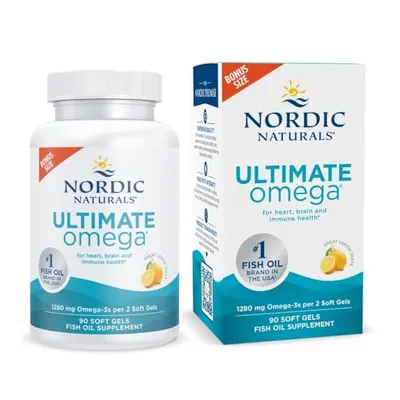
3Omega-3 (EPA/DHA)1-2g EPA+DHA dailyModerate
See top omega-3 (epa/dha) picks →

Top Product Picks

As an Amazon Associate, we earn from qualifying purchases. Some links below are affiliate links — this doesn't affect our editorial independence or product ratings. How we evaluate products

Sports Research Organic Ashwagandha KSM-66

Sports Research Organic Ashwagandha KSM-66

Sports Research

8.5/10
Organic ashwagandha at the full clinical dose with KSM-66 extract$0.37/serving
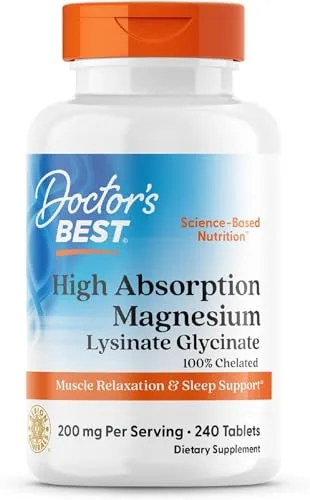
Doctor's Best High Absorption Magnesium Glycinate

Doctor's Best High Absorption Magnesium Glycinate

Doctor's BEST

9.2/10
Overall / Sleep support$0.17/serving
Sports Research Triple Strength Omega-3

Sports Research Triple Strength Omega-3

Sports Research

9.1/10
Heart health / EPA-predominant$0.31/serving

Detailed Ingredient Guides

Ashwagandha
Adaptogenic Herb
Yes, ashwagandha is one of the most clinically studied adaptogens, with over 22 published clinical trials backing its benefits. A 2019 meta-analysis found it reduced stress scores by 44% and cortisol by 23% compared to placebo. The recommended dose is 300-600mg of root extract (KSM-66, standardized to withanolides) daily.
Magnesium
Mineral Supplement
Magnesium is an essential mineral that supports muscle function, sleep quality, and stress management. Most adults benefit from 200-400mg daily, with magnesium glycinate being the best-absorbed form for general use.
Omega-3
Essential Fatty Acid
Omega-3 fatty acids (EPA + DHA) reduce inflammation, support heart and brain health, and may improve mood. The REDUCE-IT trial showed high-dose EPA (4g/day) reduced cardiovascular events by 25%. Most adults benefit from 1,000-2,000mg combined EPA+DHA daily.
Adrenal Support
Category Overview
Adrenal support supplements typically combine adaptogens (ashwagandha, rhodiola, eleuthero), B vitamins, vitamin C, and sometimes adrenal glandulars to support the HPA axis stress response. While "adrenal fatigue" is not a recognized medical diagnosis, clinical evidence supports individual ingredients for stress resilience and cortisol modulation. Ashwagandha and rhodiola have the strongest evidence among adrenal-support ingredients.
Apigenin
Flavonoid
Apigenin is the active sleep compound in chamomile, available as a purified supplement. It binds GABA-A benzodiazepine receptors for mild sedation and anxiety relief. Doses of 50mg before bed are widely used for sleep, based on chamomile clinical trial data. Bonus: it inhibits CD38 to boost NAD+ levels.
B-Complex
Water-Soluble Vitamin Complex
B-Complex provides all 8 essential B vitamins for energy, nervous system, and methylation support. Particularly beneficial for vegans, older adults, pregnant women, and people on B-depleting medications. Choose active/coenzymated forms (methylfolate, methylcobalamin, P-5-P) for optimal utilization.
Bacopa Monnieri
Adaptogenic Herb / Nootropic
Bacopa monnieri (Brahmi) is an Ayurvedic nootropic with strong clinical evidence for memory enhancement. At 300-600mg daily of standardized extract (45-55% bacosides), it reliably improves memory consolidation after 8-12 weeks. One of the most evidence-backed natural nootropics available.
CBD
Phytocannabinoid
CBD is a non-intoxicating cannabinoid with clinical evidence for anxiety and sleep. A large case series found 79% of patients had reduced anxiety and 67% had improved sleep with 25-175mg daily. A single 300mg dose reduced public speaking anxiety in an RCT. Regulation and quality vary significantly between products.
Chamomile
Botanical Extract
Chamomile is clinically validated for generalized anxiety disorder, with an 8-week RCT showing significant symptom reduction. Its active compound apigenin binds GABA-A receptors. A long-term study showed chamomile reduced anxiety relapse rates over 38 weeks. Safe, gentle, and effective for mild anxiety and sleep.
GABA
Amino Acid Neurotransmitter
GABA is the brain's main calming neurotransmitter. Supplemental GABA (especially PharmaGABA) has been shown to increase relaxing alpha brain waves within 60 minutes and reduce stress biomarkers. While BBB penetration is debated, clinical effects are measurable at 100-200mg doses.
Holy Basil (Tulsi)
Adaptogenic Herb
Holy basil (tulsi) is a well-regarded Ayurvedic adaptogen with moderate clinical evidence for stress relief, blood sugar regulation, and anti-inflammatory effects. A 2017 systematic review of 24 studies found consistent benefits. Typical dose is 300-600mg leaf extract twice daily.
Kava
Botanical Extract
Kava has the strongest clinical evidence of any herbal anxiolytic — a Cochrane review of 11 RCTs confirms significant anxiety reduction. Kavalactones modulate GABA-A receptors through multiple mechanisms. Take 120-250mg kavalactones daily from noble kava cultivars. Liver safety concerns are tied to poor-quality products, not properly prepared noble kava.
L-Lysine
Amino Acid
L-Lysine is an essential amino acid most studied for reducing herpes simplex (cold sore) outbreaks by antagonizing arginine. At 1-3 g/day, it may reduce HSV recurrence frequency and severity. It also supports collagen formation, calcium absorption, and carnitine synthesis.
L-Theanine
Amino Acid
L-Theanine at 100-200 mg promotes calm focus by increasing alpha brain waves and neurotransmitter balance. Combined with caffeine, it enhances attention and reaction time while reducing caffeine jitteriness. A 2008 study showed 50 mg L-theanine significantly increased alpha wave activity within 30 minutes.
L-Tyrosine
Amino Acid
L-Tyrosine at 500-2,000 mg preserves cognitive performance during acute stress, sleep deprivation, and environmental extremes. Military research shows it maintains working memory and attention under conditions that normally impair them. Less beneficial under non-stressed conditions.
Lemon Balm
Botanical Extract
Lemon balm is a gentle calming herb that works by inhibiting GABA breakdown in the brain. Clinical studies show 300-600mg reduces stress and anxiety within hours, while the Cyracos extract reduced anxiety by 49% and insomnia by 39% over 15 days. It is safe, well-tolerated, and effective for mild anxiety-related sleep difficulties.
Magnesium Glycinate
Mineral
Magnesium glycinate is the best-absorbed, gentlest form of magnesium for sleep and stress. A 2012 RCT showed it improved insomnia scores, increased melatonin, and reduced cortisol in elderly adults. The glycine carrier provides additional calming effects through GABA receptor modulation.
Magnolia Bark
Botanical Extract
Magnolia bark contains honokiol and magnolol — potent GABA-A receptor modulators that reduce anxiety and promote sleep. The Relora extract reduced cortisol and perceived stress in a 6-week RCT. Honokiol crosses the blood-brain barrier efficiently for fast-acting calming effects.
Melatonin
Neurohormone
Melatonin is the most well-studied natural sleep supplement, shown in a meta-analysis of 19 RCTs to reduce sleep onset latency by 7-12 minutes and improve sleep quality. Importantly, more is NOT better — doses as low as 0.5mg can be as effective as 5mg for sleep onset. It is also the best-evidenced supplement for jet lag.
Mucuna Pruriens
Adaptogenic Legume
Mucuna pruriens is a natural source of L-DOPA (dopamine precursor) with evidence for improving male fertility, mood, and stress resilience. It naturally contains 3-6% L-DOPA. Standard dose is 300-600mg standardized seed extract daily. Professional guidance recommended for those on dopaminergic medications.
Mushroom Coffee
Functional Coffee
Mushroom coffee blends real coffee (50-80mg caffeine per serving) with 250-1500mg medicinal mushroom extracts like lion's mane and chaga. It delivers beta-glucans for immune support and hericenones for cognitive function with roughly half the caffeine of regular coffee (95-200mg).
Passionflower
Botanical Extract
Passionflower is a clinically validated herbal anxiolytic. A double-blind RCT found it as effective as the benzodiazepine oxazepam for anxiety, with less cognitive impairment. It works through GABA-A receptor modulation and is especially effective for anxiety-related sleep difficulties.
Phosphatidylserine
Phospholipid
Phosphatidylserine is a brain phospholipid that directly blunts the cortisol stress response. Studies show 300-800mg reduces cortisol during physical and mental stress. It also supports cognitive function and may improve sleep quality by lowering evening cortisol levels.
Reishi
Medicinal Mushroom
Reishi is a calming medicinal mushroom adaptogen best for immune modulation, sleep quality, and stress relief. Unlike stimulating adaptogens, it promotes relaxation. Standard dose is 1.5-3g dried mushroom powder or 500-1000mg extract (standardized to polysaccharides and triterpenes) daily.
Rhodiola Rosea
Adaptogen
A multicenter RCT (n=161) found that Rhodiola rosea extract significantly reduced stress-related fatigue by 20% and improved cognitive function during stressful conditions, such as short-term memory and associative thinking, compared to placebo.
Schisandra
Adaptogenic Berry
Schisandra is a liver-protective, stress-fighting adaptogen with evidence for hepatoprotection, cognitive enhancement, and physical performance. It was one of the three adaptogens studied by Soviet researchers. Standard dose is 500-1500mg dried berry extract daily.
Shatavari
Adaptogenic Herb
Shatavari is an Ayurvedic adaptogen primarily used for women's reproductive health, hormonal balance, and lactation support. It has emerging clinical evidence for these uses and for its anti-ulcer and immunomodulatory properties. Standard dose is 500-1000mg root extract twice daily.
Siberian Ginseng (Eleuthero)
Adaptogenic Herb
Siberian ginseng (eleuthero) is a mild adaptogen with evidence for improving endurance, reducing fatigue, and supporting immune function. Soviet-era research and modern trials support doses of 300-1200mg daily of root extract standardized to eleutherosides.
Tongkat Ali
Adaptogenic Herb
Tongkat Ali is a Southeast Asian adaptogenic herb that may increase free testosterone by 15-37% and reduce cortisol by 16% in stressed adults. The best-studied form is the patented LJ100 extract at 200-400mg daily, standardized to 2% eurycomanone. Clinical evidence is moderate and growing, with the strongest results seen in stressed or aging populations.
Valerian Root
Botanical Extract
Valerian root is a well-established herbal sleep aid that modulates GABA receptors. A meta-analysis of 16 studies found it improves subjective sleep quality, though effects are modest and require 2-4 weeks of consistent use. Take 300-600mg of standardized extract 30-60 minutes before bed.
Vitamin B5 (Pantothenic Acid)
Water-Soluble Vitamin
Vitamin B5 is essential for CoA synthesis, energy metabolism, and hormone production. Found in virtually all foods, deficiency is rare. Pantethine (600-900 mg) may modestly lower cholesterol, and topical panthenol supports wound healing and skin hydration.
Vitamin B6 (Pyridoxine)
Water-Soluble Vitamin
Vitamin B6 is involved in 150+ enzyme reactions including neurotransmitter and amino acid metabolism. P-5-P is the active form. It helps with morning sickness (evidence level: Strong), PMS symptoms, and homocysteine reduction. Most adults need 1.3-2.0 mg daily.
St. John's Wort
Herbal Extract
St. John's Wort is clinically proven to match SSRIs for mild-to-moderate depression with fewer side effects, working through multi-target neurotransmitter reuptake inhibition. At 900mg daily (standardized to 0.3% hypericin), it effectively treats depression, anxiety, and mood disorders — but has extensive, serious drug interactions that require careful screening.
Athletic Performance & Recovery
4 ingredients · $40–60/month
The evidence-based athletic performance stack is creatine monohydrate (5g/day maintenance), vitamin D3 (2000–4000 IU), omega-3 (2–3g EPA+DHA), and magnesium glycinate (300–400mg post-workout). Creatine is the most studied performance supplement in existence. The other three address the foundational deficiencies that silently cap performance and slow recovery in most athletes.
Cognitive Performance & Focus
4 ingredients · $55–80/month
The most evidence-backed cognitive stack uses lion's mane (500–1000mg extract), bacopa monnieri (300mg standardized to 55% bacosides), omega-3 (2g EPA+DHA daily), and L-theanine (100–200mg with caffeine). Lion's mane and bacopa build long-term neuroplasticity; omega-3 provides structural support; L-theanine+caffeine delivers clean acute focus.
Longevity & Healthy Aging
4 ingredients · $60–90/month
The most evidence-backed longevity foundation stack includes CoQ10 as ubiquinol (200–400mg), omega-3 fatty acids (2–3g EPA+DHA), vitamin D3 with K2 (2000–4000 IU D3 + 100–200mcg MK-7), and magnesium glycinate (200–400mg). These address the four most documented aging mechanisms: mitochondrial decline, inflammation, calcium dysregulation, and deficiency-driven accelerated aging.
Sleep Optimization
3 ingredients · $35–55/month
The most evidence-backed sleep stack combines magnesium glycinate (400mg), L-theanine (200mg), and ashwagandha KSM-66 (300–600mg), all taken 30–60 minutes before bed. This trio addresses the three main drivers of poor sleep: magnesium deficiency, overactive nervous system arousal, and elevated cortisol.

Related Conditions

Related Research

Learn More

Frequently Asked Questions

What supplements lower cortisol the most?

Ashwagandha (KSM-66 extract) has the strongest clinical evidence for cortisol reduction, with a 60-day RCT showing a 30% decrease in serum cortisol levels at 600mg/day. Magnesium glycinate also helps regulate the HPA axis, and deficiency—common during chronic stress—can amplify cortisol output. Combining both targets stress at multiple physiological levels.

How long do stress supplements take to work?

Ashwagandha typically shows measurable cortisol reduction within 2-4 weeks, with full effects by 8 weeks. Magnesium can improve subjective stress symptoms within 1-2 weeks if you are deficient, as tissue levels replenish relatively quickly. Omega-3s require the longest loading period—most trials show significant effects at 8-12 weeks of consistent supplementation.

Should I cycle adaptogens like ashwagandha?

Cycling is not strictly required, but many practitioners suggest 8-12 weeks on followed by a 2-4 week break to prevent tolerance and let natural stress-response pathways reset. Rhodiola especially benefits from cycling because long continuous use can blunt its mental-energy effects.

Can stress supplements replace therapy or lifestyle change?

No. Supplements can take the edge off physiological stress markers like cortisol, but they do not address the root causes — sleep, diet, exercise, relationships, and workload. For chronic or clinically significant stress, therapy and lifestyle change do more than any supplement.

Built from 2,400+ clinical studies. Join the weekly research brief.

No spam. Unsubscribe anytime.

Continue Reading

References

  1. Chandrasekhar K, Kapoor J, Anishetty S (2012). A Prospective, Randomized Double-Blind, Placebo-Controlled Study of Safety and Efficacy of a High-Concentration Full-Spectrum Extract of Ashwagandha Root in Reducing Stress and Anxiety in Adults. Indian Journal of Psychological Medicine. DOI PubMed
  2. Boyle NB, Lawton C, Dye L (2017). The Effects of Magnesium Supplementation on Subjective Anxiety and Stress—A Systematic Review. Nutrients. DOI PubMed
  3. Kiecolt-Glaser JK, Belury MA, Andridge R, Malarkey WB, Glaser R (2011). Omega-3 Supplementation Lowers Inflammation and Anxiety in Medical Students: A Randomized Controlled Trial. Brain, Behavior, and Immunity. DOI PubMed