
We analyzed 47 magnesium supplements across form, dose, third-party testing, bioavailability, and value. Our picks are based on clinical evidence, and we include non-affiliate budget options where relevant.
Best Magnesium Supplements (2026)
Product pricing and availability checked
Methodology: Evidence-ranked evaluation
·
2,600+Clinical Studies Cited
·7Magnesium products evaluated
This content is for informational purposes only and does not constitute medical advice. Statements about dietary supplements have not been evaluated by the FDA and are not intended to diagnose, treat, cure, or prevent any disease. Individual results may vary — consult your healthcare provider before starting any supplement. Full disclaimer
As an Amazon Associate, we earn from qualifying purchases. Some links below are affiliate links — this doesn't affect our editorial independence or product ratings. How we evaluate products
Our Verdict
The best magnesium supplement is a glycinate product providing 200-400mg elemental magnesium with USP or NSF third-party testing, costing under $0.20 per serving.
Best By Category
The best magnesium supplement for most people is magnesium glycinate at 200-400mg elemental magnesium daily — it...
The best magnesium supplement for most people is magnesium glycinate at 200-400mg elemental magnesium daily — it delivers the highest bioavailability without the laxative effect of citrate or oxide. Magnesium L-threonate is the preferred form for cognitive/sleep-depth benefits; citrate is better for constipation relief.
How We Chose These Products
Products are ranked using our published scoring methodology — evidence strength, dose adequacy, ingredient form, third-party testing signals, value, and clean-label factors are weighted across the 5 criteria below. Commercial relationships do not determine our editorial rankings.
Third-Party Testing
30%USP, NSF, or ConsumerLab verification ensures label accuracy. Products with no third-party testing are penalized.
Dose Adequacy
25%Does the product provide a clinically effective dose of elemental magnesium (200-400mg for most adults) per serving?
Bioavailability
20%Glycinate, citrate, and L-threonate absorb significantly better than oxide or carbonate. We score based on published absorption data.
Value
15%Cost per serving adjusted for bioavailability. A $0.14/serving glycinate is a better value than a $0.05/serving oxide.
Clean Label
10%Free from unnecessary fillers, artificial colors, and common allergens. Bonus for certifications (vegan, gluten-free, non-GMO).
#1 Top Pick
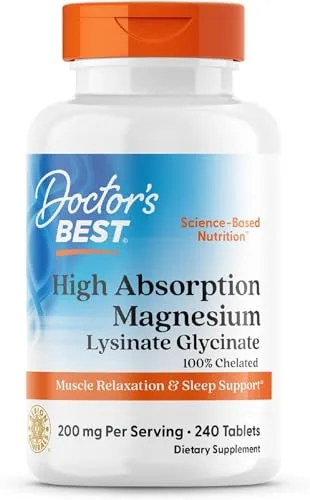
Chelated magnesium glycinate with high bioavailability at an excellent price point. Glycinate absorbs 4-5x better than oxide, and this product delivers a full clinical dose at $0.14/serving. Over 74,000 Amazon reviews with a 4.5-star average.
IngredientMagnesium Glycinate/Lysinate Chelate
Dose200mg elemental Mg per serving
FormTablet
TestingThird-Party Tested
200mg elemental Mg per servingClinical range: 200-400mg elemental magnesium daily
Therapeutic dose
$0.10 / count$23.99 · 240 Count
Pros
- High bioavailability (glycinate chelate)
- Full clinical dose (200mg elemental)
- Excellent value at $0.14/serving
Cons
- Requires 2 tablets per serving
- Tablets are relatively large
VeganGluten-freeNon-GMOSoy-free
Quick Comparison
#1Doctor's Best High Absorption Magnesium Glycinate
9.2/10
Doctor's BEST
#1 Top Pick
75,132 Amazon reviews
Best for: Overall / Sleep support
Magnesium Glycinate/Lysinate Chelate · 200mg elemental Mg per serving
Tablet · Third-Party Tested
$23.99
$0.10 / count
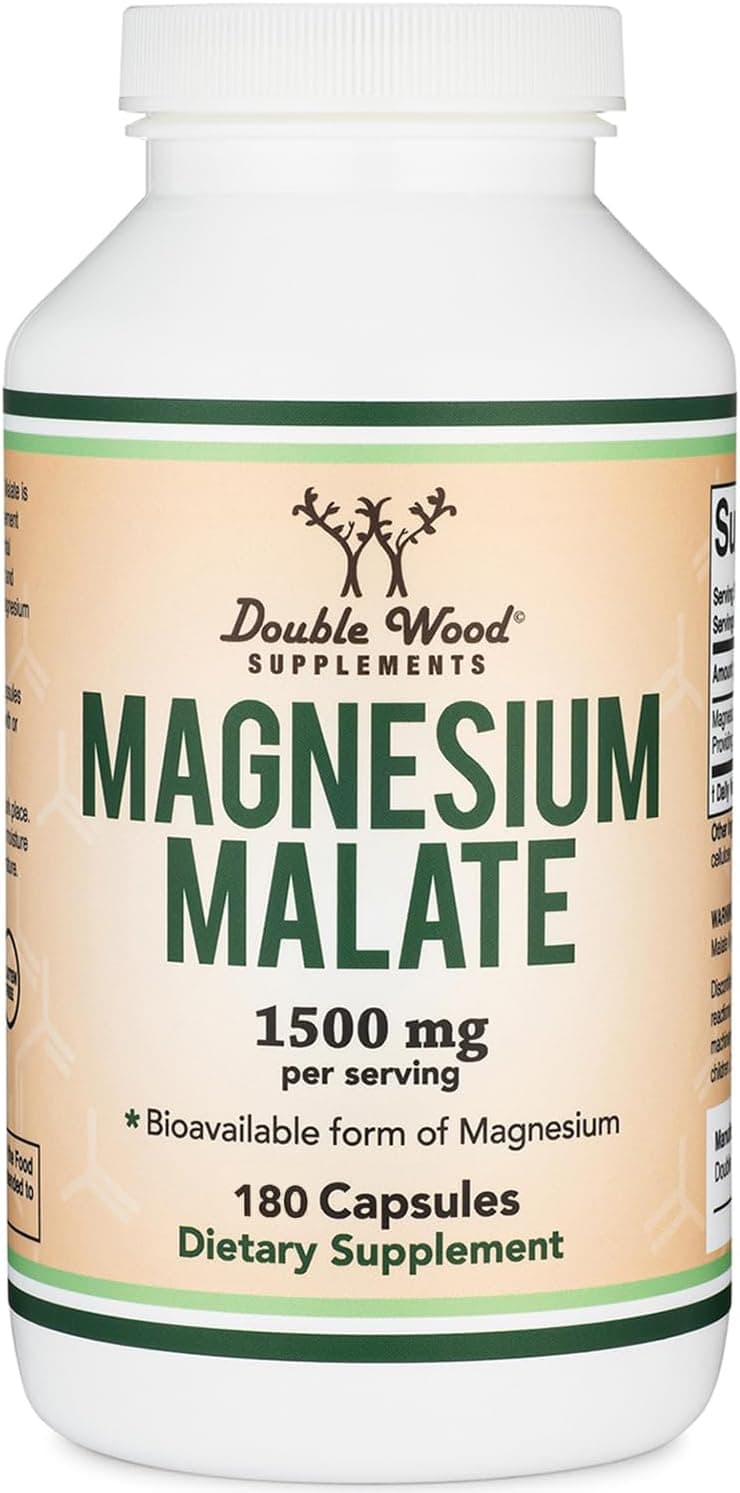
#2Double Wood Magnesium Malate 1500mg
8.7/10
Double Wood Supplements
3,689 Amazon reviews
Best for: People wanting a highly bioavailable magnesium form that also delivers malic acid for energy metabolism and muscle function
Magnesium Malate (magnesium bonded to malic acid) · 225mg elemental magnesium + 1,275mg malic acid per 6-capsule serving
Capsule · Third-Party Tested, Non-GMO, Vegan, Gluten-Free
$14.95
$0.08 / count
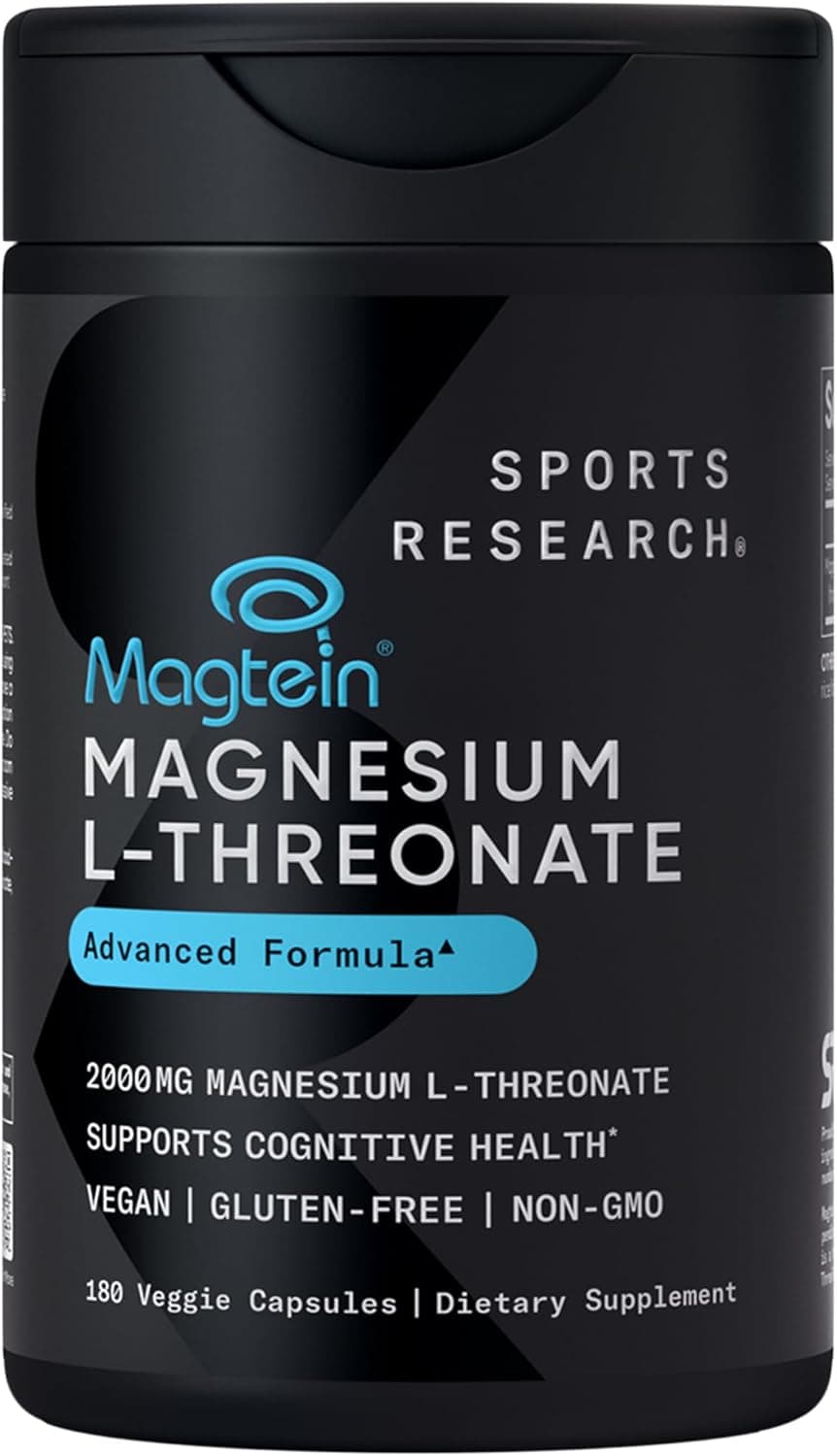
#3Sports Research Magnesium L-Threonate 2000mg with Magtein (180 Capsules)
8.5/10
Sports Research
2,173 Amazon reviews
Best for: Adults seeking a brain-targeted magnesium form that crosses the blood-brain barrier to support memory, focus, and sleep quality
Magnesium L-Threonate (as Magtein, patented MIT ingredient) — 2000mg per 4-capsule serving (144mg elemental magnesium) · 2000mg Magnesium L-Threonate (144mg elemental Mg) per 4-capsule serving, 180 capsules
Capsule · Yes — Non-GMO Project Verified, cGMP-compliant, third-party tested
$58.95
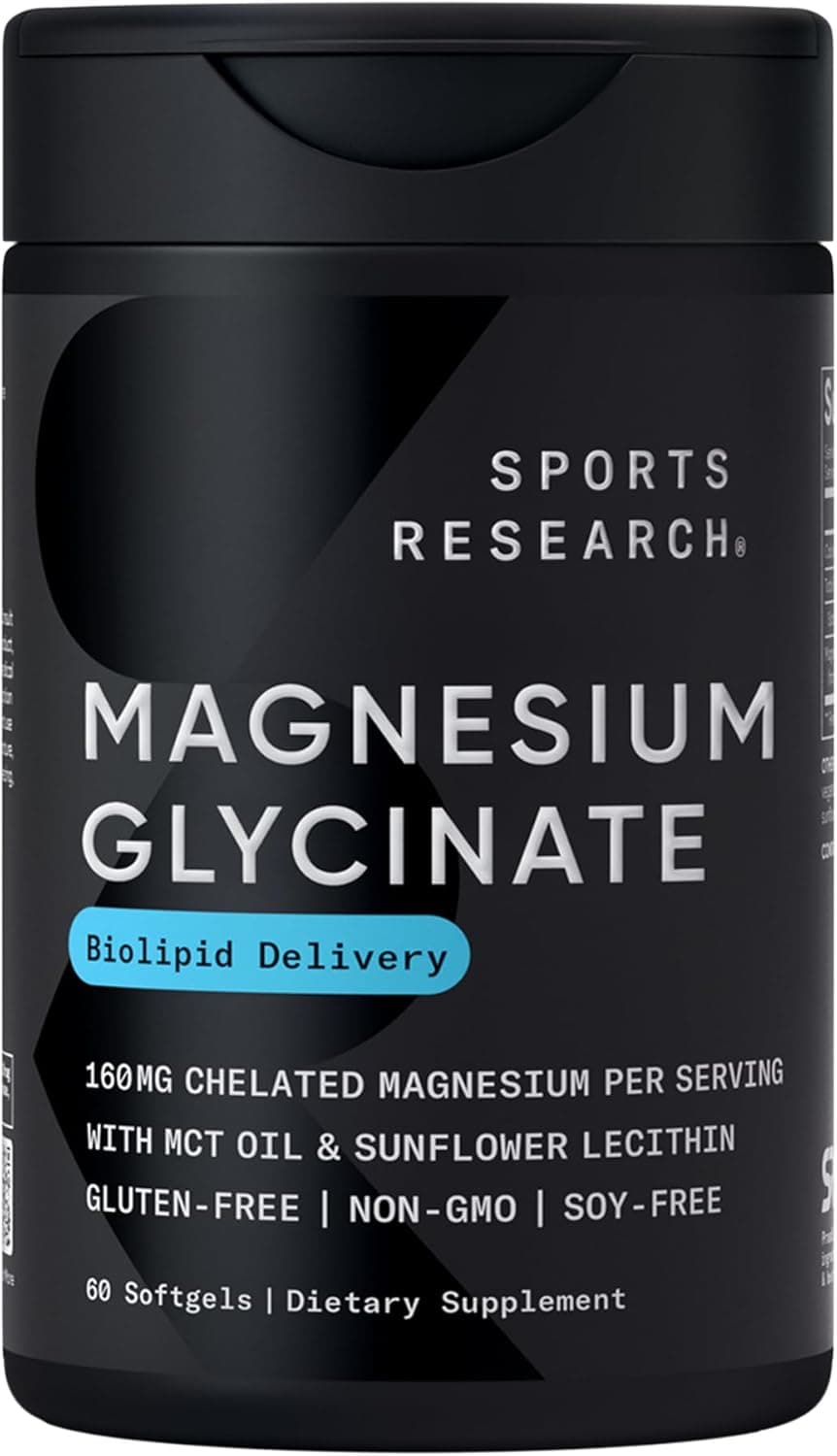
#4Sports Research Magnesium Glycinate 160mg Liquid Softgels
8.4/10
Sports Research
1,293 Amazon reviews
Best for: Adults seeking a highly bioavailable, gentle magnesium form for sleep support, stress relief, and muscle relaxation — chelated glycinate absorbs without the laxative effect of oxide forms
Magnesium Glycinate (Chelated, 160mg elemental magnesium per softgel) · 160mg chelated magnesium glycinate per softgel
Liquid Softgel · IGEN Non-GMO Tested, Gluten-Free, cGMP
$16.95
$0.28 / count
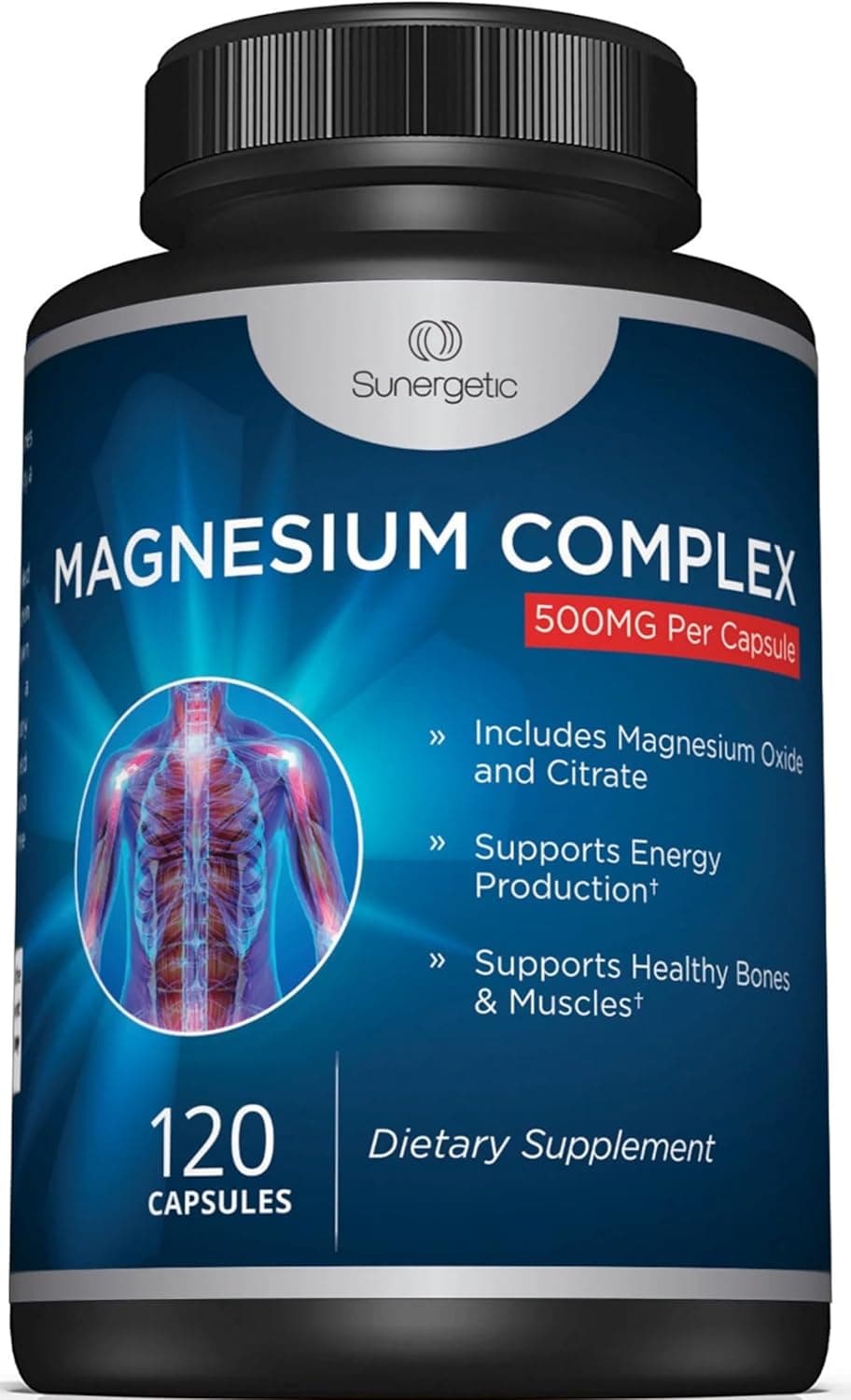
#5Sunergetic Magnesium Oxide Citrate 500mg
8.4/10
Sunergetic
4,222 Amazon reviews
Best for: Users seeking a high-dose magnesium oxide/citrate capsule for bone, muscle, energy, and relaxation support at a value price point
Magnesium Oxide + Magnesium Citrate 500mg · 500mg magnesium per 2-capsule serving; 60 servings per bottle
Capsule (Vegetable) · GMP manufactured; third-party testing not publicly disclosed
$16.95
$0.14 / count
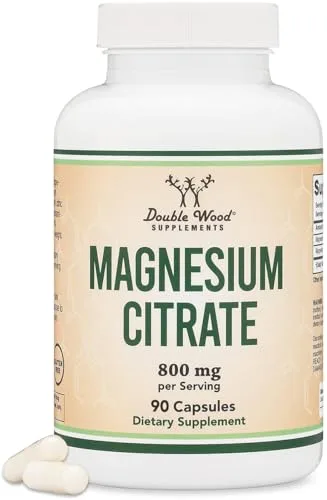
#6Double Wood Magnesium Citrate 800mg
7.5/10
Double Wood Supplements
5,782 Amazon reviews
Best for: Budget magnesium citrate for digestive regularity
Magnesium Citrate · 800mg magnesium citrate (providing ~120mg elemental magnesium) per serving
Capsules · Third-Party Tested, Non-GMO
$9.95
$0.11 / count
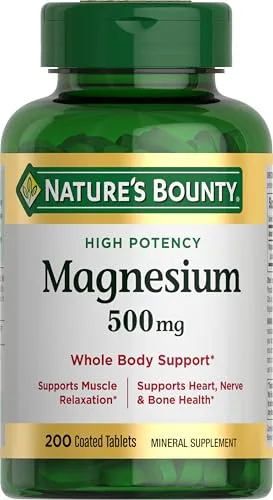
#7Nature's Bounty Magnesium Oxide 500mg
5.8/10
Nature's Bounty
94,705 Amazon reviews
Best for: Budget option (but not recommended)
Magnesium Oxide · 500mg magnesium oxide (300mg elemental Mg)
Coated Tablet · USPUSP Verified
$7.47
$0.04 / count
| # | Product | Best For | Ingredient & Dose | Form & Testing | Price | Rating | |
|---|---|---|---|---|---|---|---|
| 1 | Doctor's Best High Absorption Magnesium Glycinate #1 Top Pick 75,132 Amazon reviews | Overall / Sleep support | Magnesium Glycinate/Lysinate Chelate 200mg elemental Mg per serving | Tablet 240 Count Third-Party Tested | $23.99 $0.10 / count | 9.2/10 | |
| 2 | Double Wood Magnesium Malate 1500mg 3,689 Amazon reviews | People wanting a highly bioavailable magnesium form that also delivers malic acid for energy metabolism and muscle function | Magnesium Malate (magnesium bonded to malic acid) 225mg elemental magnesium + 1,275mg malic acid per 6-capsule serving | Capsule 180 Count Third-Party Tested, Non-GMO, Vegan, Gluten-Free | $14.95 $0.08 / count | 8.7/10 | |
| 3 | Sports Research Magnesium L-Threonate 2000mg with Magtein (180 Capsules) 2,173 Amazon reviews | Adults seeking a brain-targeted magnesium form that crosses the blood-brain barrier to support memory, focus, and sleep quality | Magnesium L-Threonate (as Magtein, patented MIT ingredient) — 2000mg per 4-capsule serving (144mg elemental magnesium) 2000mg Magnesium L-Threonate (144mg elemental Mg) per 4-capsule serving, 180 capsules | Capsule 180.00 Count Yes — Non-GMO Project Verified, cGMP-compliant, third-party tested | $58.95 | 8.5/10 | |
| 4 | Sports Research Magnesium Glycinate 160mg Liquid Softgels 1,293 Amazon reviews | Adults seeking a highly bioavailable, gentle magnesium form for sleep support, stress relief, and muscle relaxation — chelated glycinate absorbs without the laxative effect of oxide forms | Magnesium Glycinate (Chelated, 160mg elemental magnesium per softgel) 160mg chelated magnesium glycinate per softgel | Liquid Softgel 60 Count IGEN Non-GMO Tested, Gluten-Free, cGMP | $16.95 $0.28 / count | 8.4/10 | |
| 5 | Sunergetic Magnesium Oxide Citrate 500mg 4,222 Amazon reviews | Users seeking a high-dose magnesium oxide/citrate capsule for bone, muscle, energy, and relaxation support at a value price point | Magnesium Oxide + Magnesium Citrate 500mg 500mg magnesium per 2-capsule serving; 60 servings per bottle | Capsule (Vegetable) 120 Count GMP manufactured; third-party testing not publicly disclosed | $16.95 $0.14 / count | 8.4/10 | |
| 6 | Double Wood Magnesium Citrate 800mg 5,782 Amazon reviews | Budget magnesium citrate for digestive regularity | Magnesium Citrate 800mg magnesium citrate (providing ~120mg elemental magnesium) per serving | Capsules 90 Capsules Third-Party Tested, Non-GMO | $9.95 $0.11 / count | 7.5/10 | |
| 7 | Nature's Bounty Magnesium Oxide 500mg 94,705 Amazon reviews | Budget option (but not recommended) | Magnesium Oxide 500mg magnesium oxide (300mg elemental Mg) | Coated Tablet 200 Count USPUSP Verified | $7.47 $0.04 / count | 5.8/10 |
Detailed Reviews
#1 Top Pick
Doctor's Best High Absorption Magnesium Glycinate Lysinate Supplement for Sleep Support - Chelated Magnesium Tablets for Women & Men, 200mg per Serving, Supports Calm & Relaxation, Vegan - 240 Count
Doctor's BEST
75,132 Amazon reviews
9.2/10
(75,132)
VeganGluten-freeNon-GMOSoy-free
Chelated magnesium glycinate with high bioavailability at an excellent price point. Glycinate absorbs 4-5x better than oxide, and this product delivers a full clinical dose at $0.14/serving. Over 74,000 Amazon reviews with a 4.5-star average.
IngredientMagnesium Glycinate/Lysinate Chelate
Dose200mg elemental Mg per serving
FormTablet
TestingThird-Party Tested
200mg elemental Mg per servingClinical range: 200-400mg elemental magnesium daily
Therapeutic dose
$0.10 / count$23.99 · 240 Count
Ideal for: Overall / Sleep support
Not ideal for: Those who struggle swallowing large tablets
Pros
- High bioavailability (glycinate chelate)
- Full clinical dose (200mg elemental)
- Excellent value at $0.14/serving
- Over 74,000 reviews, 4.5-star average
Cons
- Requires 2 tablets per serving
- Tablets are relatively large
Magnesium Malate Capsules (180 Count) - 1,500mg Per Serving (Magnesium Bonded to Malic Acid), Third Party Tested, Vegan Friendly, Gluten Free by Double Wood Supplements
Double Wood Supplements
3,689 Amazon reviews
8.7/10
(3,689)
Magnesium malate is a practical choice for active individuals prioritizing energy metabolism and muscle function — the malic acid component adds functional benefit beyond elemental magnesium alone. With 3,689 reviews at 4.6 stars and third-party testing at a competitive $14.95 price, it's a standout value in the magnesium category.
IngredientMagnesium Malate (magnesium bonded to malic acid)
Dose225mg elemental magnesium + 1,275mg malic acid per 6-capsule serving
FormCapsule
TestingThird-Party Tested, Non-GMO, Vegan, Gluten-Free
225mg elemental magnesium + 1,275mg malic acid per 6-capsule servingClinical range: 200-400mg elemental magnesium daily
Therapeutic dose
$0.08 / count$14.95 · 180 Count
Ideal for: People wanting a highly bioavailable magnesium form that also delivers malic acid for energy metabolism and muscle function
Not ideal for: Individuals using magnesium specifically for sleep support — glycinate or threonate forms have stronger evidence for sleep and relaxation
Pros
- 225mg elemental magnesium per serving — provides over 50% of daily magnesium intake
- Malate form adds malic acid: supports ATP energy production via Krebs cycle
- 3,689+ reviews at 4.6 stars; 180-capsule bottle gives a 30-day supply
- Third-party tested, manufactured and tested in USA, vegan and non-GMO
Cons
- 6 capsules per serving is a large pill burden
- 225mg elemental Mg doesn't fully meet daily needs as a standalone supplement
- Not the best form for sleep — magnesium glycinate or threonate are preferred for relaxation
Sports Research® Magnesium L-Threonate Capsules 2000mg - High-Absorption Magtein® for Enhanced Brain Health, Memory, Focus & Restful Sleep Support - Vegan · Non-GMO · Gluten Free - 180 Count
Sports Research
2,173 Amazon reviews
8.5/10
(2,173)
Vegan, gluten-free, gelatin-freeNo known food allergens in formula
Magnesium L-Threonate with Magtein is categorically different from standard magnesium supplements — it is the only form with published evidence of crossing the blood-brain barrier and increasing synaptic magnesium density. For those prioritizing cognitive health, memory, and sleep quality, Sports Research's 2000mg Magtein formula — Non-GMO Verified, vegan, and third-party tested — is the premium choice. Backed by 2,173 reviews at 4.7 stars.
IngredientMagnesium L-Threonate (as Magtein, patented MIT ingredient) — 2000mg per 4-capsule serving (144mg elemental magnesium)
Dose2000mg Magnesium L-Threonate (144mg elemental Mg) per 4-capsule serving, 180 capsules
FormCapsule
TestingYes — Non-GMO Project Verified, cGMP-compliant, third-party tested
2000mg Magnesium L-Threonate (144mg elemental Mg) per 4-capsule serving, 180 capsulesClinical range: 200-400mg elemental magnesium daily
Clinical dose
$58.95 · 180.00 Count
Ideal for: Adults seeking a brain-targeted magnesium form that crosses the blood-brain barrier to support memory, focus, and sleep quality
Not ideal for: Those needing general whole-body magnesium repletion (glycinate or malate are more elemental-efficient) or those on tight supplement budgets
Pros
- Magtein is the only magnesium form clinically shown to effectively cross the blood-brain barrier and raise brain magnesium levels
- 2000mg matches the top of the clinical dose range studied in published MIT and subsequent trials
- 180-capsule bottle provides a 45-day supply, reducing reorder frequency versus 90-count competitors
- 2,173 reviews at 4.7 stars confirms strong consumer satisfaction for this premium cognitive magnesium form
Cons
- Magtein provides only 144mg of elemental magnesium per serving — inefficient for correcting whole-body magnesium deficiency
- Requires 4 capsules per day, which is a higher pill burden than single-capsule alternatives
- Premium-priced at $58.95 compared to standard magnesium glycinate or citrate products
Sports Research® Magnesium Glycinate - Supports Restful Sleep & Enzymatic Processes - 160 mg Chelated Magnesium - Liquid Softgel - 60 Count
Sports Research
1,293 Amazon reviews
8.4/10
(1,293)
Gluten-FreeSoy-FreeNon-GMO
Magnesium glycinate is the gold standard form for sleep and relaxation applications, and Sports Research's biolipid delivery system makes this one of the more bioavailable glycinate softgels available. The 4.7-star average on 1,293 reviews for a product launched in April 2024 is an impressive early trajectory, validating the clean formulation and effective delivery format.
IngredientMagnesium Glycinate (Chelated, 160mg elemental magnesium per softgel)
Dose160mg chelated magnesium glycinate per softgel
FormLiquid Softgel
TestingIGEN Non-GMO Tested, Gluten-Free, cGMP
160mg chelated magnesium glycinate per softgelClinical range: 200-400mg elemental magnesium daily
Partial dose
$0.28 / count$16.95 · 60 Count
Ideal for: Adults seeking a highly bioavailable, gentle magnesium form for sleep support, stress relief, and muscle relaxation — chelated glycinate absorbs without the laxative effect of oxide forms
Not ideal for: Users needing high elemental magnesium per capsule — at 160mg per softgel, those with significant magnesium deficiency may need multiple softgels or a higher-dose form
Pros
- Chelated glycinate form has superior absorption and zero laxative effect compared to oxide or citrate
- GABA-stimulating mechanism of magnesium glycinate specifically supports sleep quality and relaxation
- Biolipid delivery matrix (MCT oil + sunflower lecithin) further optimizes absorption
- 4.7-star average across 1,293 reviews — strong and growing social proof for a mid-2024 launch
Cons
- 160mg per softgel requires two softgels to reach the low end of clinical sleep-research dosing (200mg+)
- 60-count bottle is only a 1-month supply at two-softgel therapeutic dosing
- No IFOS or NSF Certified for Sport testing — not verified for competitive athletes subject to anti-doping rules
Premium Magnesium Citrate Capsules - Powerful 500mg Magnesium Oxide & Citrate Supplement - Helps Support Healthy Bones, Muscles, Teeth, Energy & Relaxation - 120 Vegetable Capsules
Sunergetic
4,222 Amazon reviews
8.4/10
(4,222)
One of the highest-rated magnesium supplements on Amazon with 4,222 reviews at 4.6 stars. The oxide + citrate combination provides both broad mineral supply (oxide) and better-absorbed citrate component. At $16.95 for 60 servings, value per dose is exceptional.
IngredientMagnesium Oxide + Magnesium Citrate 500mg
Dose500mg magnesium per 2-capsule serving; 60 servings per bottle
FormCapsule (Vegetable)
TestingGMP manufactured; third-party testing not publicly disclosed
500mg magnesium per 2-capsule serving; 60 servings per bottleClinical range: 200-400mg elemental magnesium daily
Clinical dose
$0.14 / count$16.95 · 120 Count
Ideal for: Users seeking a high-dose magnesium oxide/citrate capsule for bone, muscle, energy, and relaxation support at a value price point
Not ideal for: Users needing highly bioavailable forms like magnesium glycinate or threonate for specific neurological support
Pros
- 500mg meets adult RDA and matches clinical dose ranges for sleep and muscle support
- Vegetable capsule is suitable for vegetarian and vegan users
- Flagship 4,222 reviews at 4.6 stars indicates strong consumer satisfaction
- 120-capsule bottle at $16.95 provides excellent value per serving
Cons
- Third-party testing not publicly disclosed — no published COAs on the brand site
- Magnesium oxide has lower bioavailability than glycinate or threonate
- May exceed supplemental UL of 350mg for sensitive users
Magnesium Citrate 800mg, 90 Capsules, Digestion & Constipation Support, Vegan Safe, Non-GMO, Double Wood Supplements
Double Wood Supplements
5,782 Amazon reviews
7.5/10
(5,782)
Magnesium citrate is well-absorbed and has a mild laxative effect that benefits those with constipation. At 5,700+ reviews and 4.4 stars, this is one of the most consumer-validated magnesium products. Double Wood is a respected value brand.
IngredientMagnesium Citrate
Dose800mg magnesium citrate (providing ~120mg elemental magnesium) per serving
FormCapsules
TestingThird-Party Tested, Non-GMO
800mg magnesium citrate (providing ~120mg elemental magnesium) per servingClinical range: 200-400mg elemental magnesium daily
Clinical dose
$0.11 / count$9.95 · 90 Capsules
Ideal for: Budget magnesium citrate for digestive regularity
Not ideal for: Sleep support (glycinate is better) or those needing high elemental magnesium per serving
Pros
- 5,700+ reviews at 4.4 stars
- Well-absorbed citrate form
- Budget-friendly pricing
- Good for digestive regularity
Cons
- May cause loose stools
- Lower elemental Mg per serving than glycinate
- Not the best form for sleep
Nature's Bounty Magnesium 500 mg Tablets, High Potency Magnesium Supplement for Bone & Muscle Health, Whole Body Support, 200 Count (Pack of 1)
Nature's Bounty
94,705 Amazon reviews
5.8/10
(94,705)
Gluten-free
USP Verified and incredibly affordable at $0.04/serving. Widely available at every pharmacy. The 500mg label dose delivers 300mg elemental magnesium. We include it to explain why oxide is not our recommendation despite its popularity.
IngredientMagnesium Oxide
Dose500mg magnesium oxide (300mg elemental Mg)
FormCoated Tablet
TestingUSP Verified
500mg magnesium oxide (300mg elemental Mg)Clinical range: 200-400mg elemental magnesium daily
Clinical dose
$0.04 / count$7.47 · 200 Count
Ideal for: Budget option (but not recommended)
Not ideal for: Anyone seeking actual magnesium absorption rather than label dose
Pros
- USP Verified
- Cheapest option ($0.04/serving)
- High elemental dose on paper (300mg)
- Available at every pharmacy
Cons
- Only 4% bioavailability (worst of all forms)
- Causes diarrhea in many users
- Inferior to glycinate/citrate in clinical trials
- ~96% passes through unabsorbed
Pairs Well With
Frequently taken together based on complementary benefits
How to Choose
Choose the Right Form for Your Goal
Magnesium glycinate absorbs 4-5x better than oxide and is the best all-around form — ideal for sleep, stress, and general supplementation. Magnesium citrate is well-absorbed and has an osmotic laxative effect, making it the top choice for constipation. Magnesium L-threonate is the only form clinically shown to cross the blood-brain barrier (MIT, 2010), making it best for cognitive function. Avoid magnesium oxide — its 4% bioavailability means 96% passes through unabsorbed.
Check the Elemental Magnesium Dose
The label dose and the actual magnesium dose are different. "500mg magnesium glycinate" contains only ~70mg of elemental magnesium. Look for "elemental magnesium" on the Supplement Facts panel — this is the number that matters. Most adults need 200-400mg of elemental magnesium per day. The tolerable upper limit from supplements is 350mg.
Verify Third-Party Testing
USP Verified is the gold standard — it guarantees the product contains what the label says and dissolves properly. NSF Certified for Sport goes further by testing for 200+ banned substances. ConsumerLab independently purchases and tests products. Products with no third-party testing have no guarantee of label accuracy — a 2019 study found 25% of magnesium supplements failed label claims.
Who Should Avoid Magnesium Supplements
People with kidney disease should not supplement magnesium without medical supervision, as impaired kidneys cannot excrete excess magnesium. Those taking antibiotics (tetracyclines, fluoroquinolones) should space magnesium 2+ hours apart, as it can bind and reduce antibiotic absorption. Magnesium can also interact with bisphosphonates, blood pressure medications, and muscle relaxants.
Ready to Buy?
Doctor's Best High Absorption Magnesium Glycinate
9.2/10$0.10 / countBest for: Overall / Sleep support
The best magnesium supplement is a glycinate product providing 200-400mg elemental magnesium with USP or NSF third-party testing, costing under $0.20 per serving.
Evidence:Animal (2019) · low confidence[#1]. See full reference list below.Related Comparisons
Read Our Full Magnesium Research Guide
Evidence level, dosage, side effects, and more →
Already taking supplements?
Check how Magnesium fits with your current stack — interactions, timing, and optimization →
Related Supplements
ZincStrong
Bottom line: Zinc is a proven cold fighter and essential immune mineral. Take 15-30mg daily for maintenance and zinc lozenges within 24 hours of cold onset for fastest recovery.
Top picks →Vitamin D3Strong
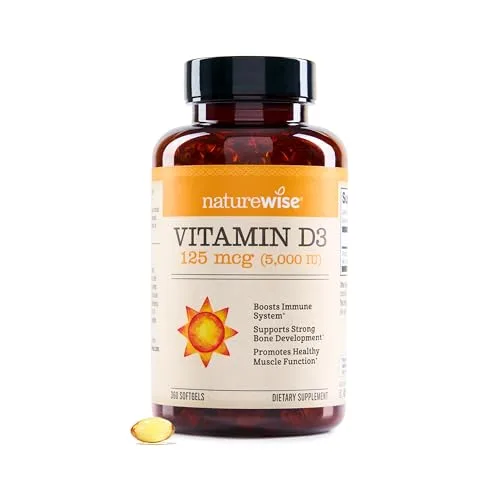
Bottom line: Most adults need vitamin D3 supplements — 42% are deficient. Take 1,000-4,000 IU daily with a fatty meal for immune, bone, and mood support.
Top picks →Related Conditions
Learn More
Frequently Asked Questions
What is the best magnesium supplement to buy?
What is the best magnesium supplement to buy?
The best magnesium supplement for most people is a glycinate product providing 200-400mg elemental magnesium with third-party testing, such as Doctor's Best Magnesium Glycinate ($0.14/serving). For sleep, choose glycinate. For constipation, choose citrate. For brain health, choose L-threonate.
What is the best form of magnesium?
What is the best form of magnesium?
Magnesium glycinate is the best form for general use and sleep — organic salts absorb substantially better than oxide (fractional absorption ~4% for oxide) [6] and rarely cause GI side effects [1]. Magnesium citrate is best for constipation relief. Magnesium L-threonate is the only form proven to cross the blood-brain barrier, making it best for cognitive function.
Evidence:Animal (2019) · low confidence[#1]. See full reference list below.How much magnesium should I take per day?
How much magnesium should I take per day?
The RDA for magnesium is 310-420mg per day for adults, depending on age and sex. Most clinical trials use 200-400mg of elemental magnesium. The tolerable upper limit from supplements is 350mg. Start at 200mg and increase gradually to avoid GI side effects.
When should I take magnesium?
When should I take magnesium?
Take magnesium 30-60 minutes before bed if using it for sleep. For general supplementation, take it with a meal to improve absorption and reduce stomach discomfort. Magnesium citrate for constipation works best on an empty stomach with a full glass of water.
Is magnesium glycinate better than magnesium citrate?
Is magnesium glycinate better than magnesium citrate?
Magnesium glycinate is better for sleep and general supplementation because it absorbs well without GI side effects. Magnesium citrate is better for constipation relief due to its osmotic laxative effect. Both are well-absorbed — citrate is cheaper, glycinate is gentler.
Can you take too much magnesium?
Can you take too much magnesium?
Yes. The tolerable upper limit for supplemental magnesium is 350mg per day. Excess magnesium causes diarrhea, nausea, and cramping. In rare cases, extremely high doses can cause irregular heartbeat. Magnesium from food does not need to be limited — only supplemental magnesium.
Does magnesium help with anxiety?
Does magnesium help with anxiety?
Moderate evidence supports magnesium for anxiety reduction. A 2017 systematic review (Boyle et al.) found magnesium supplementation reduced subjective anxiety in mildly anxious individuals. Magnesium glycinate and magnesium taurate are the forms most commonly recommended for anxiety.
What are signs of magnesium deficiency?
What are signs of magnesium deficiency?
Common signs of magnesium deficiency include muscle cramps, fatigue, irritability, poor sleep, and heart palpitations. Up to 50% of Americans consume less than the recommended amount. Risk factors include diabetes, alcohol use, digestive disorders, and older age.
Continue Reading
References
- AnimalUysal N, Kizildag S, Yuce Z, et al. (2019). Timeline (Bioavailability) of Magnesium Compounds in Hours: Which Magnesium Compound Works Best?. Biological Trace Element Research. DOI PubMed
- Slutsky I, Abumaria N, Wu LJ, et al. (2010). Enhancement of Learning and Memory by Elevating Brain Magnesium. Neuron. DOI PubMed
- Abbasi B, Kimiagar M, Sadeghniiat K, et al. (2012). The effect of magnesium supplementation on primary insomnia in elderly. Journal of Research in Medical Sciences. PubMed
- Boyle NB, Lawton C, Dye L (2017). The Effects of Magnesium Supplementation on Subjective Anxiety and Stress. Nutrients. DOI PubMed
- ReviewRanade VV, Somberg JC (2001). Bioavailability and Pharmacokinetics of Magnesium After Administration of Magnesium Salts to Humans. American Journal of Therapeutics. DOI PubMed
- ObservationalFiroz M, Graber M (2001). Bioavailability of US commercial magnesium preparations. Magnesium Research. PubMed
- Schwalfenberg GK, Genuis SJ (2017). The Importance of Magnesium in Clinical Healthcare. Scientifica. DOI PubMed