Supplement ScienceSupplementScience
Back Pain

Best Supplements for Back Pain

Prevalence: Up to 80% of adults experience back pain in their lifetime; 20% develop chronic low back pain — The Lancet / Global Burden of Disease

·

This content is for informational purposes only and does not constitute medical advice. Statements about dietary supplements have not been evaluated by the FDA and are not intended to diagnose, treat, cure, or prevent any disease. Individual results may vary — consult your healthcare provider before starting any supplement. Full disclaimer

The most evidence-backed supplements for back pain are turmeric/curcumin (1000mg daily, shown to reduce pain scores...

The most evidence-backed supplements for back pain are turmeric/curcumin (1000mg daily, shown to reduce pain scores comparably to NSAIDs), omega-3 fatty acids (2-4g EPA+DHA daily for their anti-inflammatory effects), and magnesium (300-400mg daily, which reduces muscle tension and spasm).

Get the free evidence-based Back Pain guide — delivered in 60 seconds.

No spam. Unsubscribe anytime.

Overview

Back pain is one of the most common musculoskeletal complaints, affecting approximately 80% of adults at some point in their lives. Chronic low back pain is the leading cause of disability worldwide. While structural and lifestyle factors are primary drivers, several anti-inflammatory and musculoskeletal supplements have shown benefits for reducing pain and improving function in clinical trials.

Understanding Back Pain

Chronic back pain — defined as pain lasting more than 12 weeks — is the leading cause of disability worldwide. Its pathophysiology is complex and often multifactorial: intervertebral disc degeneration, facet joint arthropathy, myofascial trigger points, sacroiliac dysfunction, and central sensitization can all contribute. In many cases, structural findings on imaging (disc bulges, mild degeneration) correlate poorly with pain severity, suggesting that inflammation, muscle deconditioning, and pain processing amplification play major roles. Pro-inflammatory mediators — TNF-alpha, IL-1-beta, IL-6 — are elevated in degenerated disc tissue and surrounding structures, driving both nociceptive and neuropathic pain components. The supplement approach to chronic back pain focuses on systemic anti-inflammatory effects, cartilage and disc support, and muscle function. Evidence is more limited than for pharmacological interventions, but several compounds have shown meaningful pain reduction in RCTs, particularly when the inflammatory component predominates.

What the Research Shows

Omega-3 fatty acids reduce systemic inflammation through competitive inhibition of arachidonic acid metabolism. Maroon and Bost (2006) surveyed 250 patients with chronic spine pain who took 1,200 mg EPA+DHA daily for 75 days. Fifty-nine percent reported significant pain improvement, and 60% stated their joint pain had improved enough to discontinue NSAIDs. While this was an open-label survey rather than an RCT, it aligns with the broader omega-3/pain literature. Goldberg and Katz (2007) conducted a meta-analysis confirming that omega-3 supplementation at 2.7 g or more EPA+DHA daily significantly reduced inflammatory pain across joint conditions. Curcumin has demonstrated anti-inflammatory effects relevant to back pain. Bannuru et al. (2018) published a systematic review of 29 RCTs involving curcumin for musculoskeletal pain and found moderate evidence for pain reduction, particularly with bioavailable formulations. Kuptniratsaikul et al. (2014) found that curcumin extract (1,500 mg daily) was comparable to ibuprofen (1,200 mg daily) for knee osteoarthritis pain — a finding potentially applicable to inflammatory back pain components. Vitamin D deficiency is strongly associated with chronic back pain. Plotnikoff and Quigley (2003) found that 93% of patients presenting with persistent nonspecific musculoskeletal pain had vitamin D deficiency (25(OH)D below 20 ng/mL). Ghai et al. (2015) randomized chronic low back pain patients with vitamin D deficiency to 60,000 IU weekly for 8 weeks or placebo and found significant improvements in pain and functional disability in the supplemented group. Magnesium may help through its role as a muscle relaxant and NMDA receptor antagonist. Yousef and Al-deeb (2013) found that IV magnesium reduced postoperative pain following lumbar spine surgery, though evidence for oral magnesium in chronic back pain is still emerging.

What to Look For in Supplements

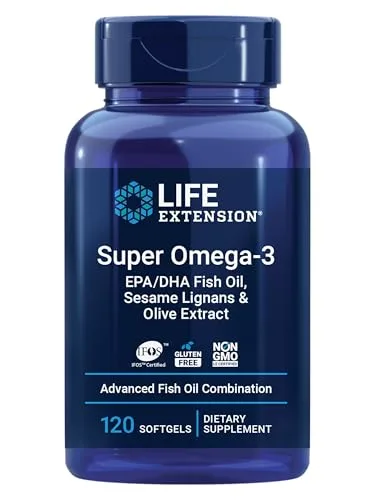
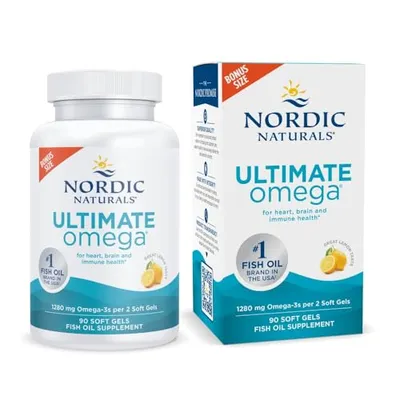
For omega-3, choose concentrated fish oil providing at least 2 g EPA+DHA daily in triglyceride form. EPA should constitute at least 60% of the total, as EPA has stronger anti-inflammatory effects than DHA for pain conditions. IFOS 5-star certification ensures purity. For curcumin, bioavailable formulations are essential — standard curcumin has approximately 1% absorption. Meriva (curcumin phytosome), CurcuWIN, Theracurmin, or BCM-95 all have enhanced bioavailability data. Take 500–1,000 mg of enhanced curcumin twice daily with food. For vitamin D, get a baseline 25(OH)D blood test. If below 30 ng/mL, supplement with 2,000–5,000 IU vitamin D3 daily. If below 20 ng/mL, a physician may prescribe higher loading doses. For magnesium, glycinate is preferred for its muscle-relaxant and NMDA-antagonist properties at 400 mg elemental daily. Third-party testing is important for all supplements, but especially curcumin products, which have wide quality variation.

What Doesn't Work (And Why)

Glucosamine and chondroitin are the most commonly tried supplements for back pain, but evidence specifically for spinal conditions is essentially negative. The large GAIT trial (Clegg et al., 2006) found no significant benefit for joint pain, and back-pain-specific evidence is even weaker. Willow bark (Salix alba), often called "natural aspirin," has limited low-quality evidence — Chrubasik et al. (2000) found modest benefits at high doses (240 mg salicin daily), but the effect is small and GI side effects persist. Collagen supplements for disc health are biologically implausible at oral doses — disc collagen turnover is extremely slow and not responsive to supplemental collagen peptides in any demonstrated way. Devil's claw (Harpagophytum) has some positive European data for back pain, but a 2014 Cochrane review found the evidence to be low quality and insufficient for a recommendation. Topical menthol and camphor products provide temporary pain relief through counter-irritation but do not address underlying pathology.

Combination Protocol

For chronic inflammatory back pain: omega-3 fish oil (2–3 g EPA+DHA daily with meals), bioavailable curcumin (500 mg enhanced form twice daily), vitamin D3 (dose based on blood levels, typically 2,000–4,000 IU daily), and magnesium glycinate (200 mg twice daily). This combination targets inflammatory mediators via multiple pathways while supporting muscle function and addressing a common deficiency linked to chronic pain. Start omega-3 and vitamin D together, add curcumin after 1 week, and magnesium after 2 weeks. Full anti-inflammatory effects develop over 6–12 weeks. These supplements are adjuncts to physical therapy, exercise, and proper ergonomics — the evidence base for exercise in chronic back pain is substantially stronger than for any supplement. No existing stack page directly covers back pain protocols.

Top Evidence-Based Supplements for Back Pain

#SupplementTypical DoseEvidence
1Turmeric / Curcumin1000mg curcumin daily (with piperine for absorption)Moderate
See top turmeric / curcumin picks →
2Omega-3 Fatty Acids2-4g EPA+DHA dailyModerate
See top omega-3 fatty acids picks →
3Magnesium300-400mg daily (glycinate or citrate)Emerging
See top magnesium picks →
4Boswellia Serrata300-500mg standardized extract dailyModerate
Top picks for Osteoarthritis →
5Vitamin D2000-4000 IU dailyModerate
See top vitamin d picks →

Top Product Picks

As an Amazon Associate, we earn from qualifying purchases. Some links below are affiliate links — this doesn't affect our editorial independence or product ratings. How we evaluate products

Peak Performance Theracurmin

Peak Performance Theracurmin

Peak Performance

8/10
Daily anti-inflammatory support for active RA patients seeking the most bioavailable curcumin form on the market$0.33/serving
Sports Research Triple Strength Omega-3

Sports Research Triple Strength Omega-3

Sports Research

9.1/10
Heart health / EPA-predominant$0.31/serving
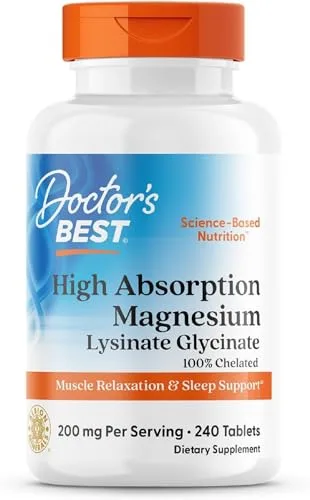
Doctor's Best High Absorption Magnesium Glycinate

Doctor's Best High Absorption Magnesium Glycinate

Doctor's BEST

9.2/10
Overall / Sleep support$0.17/serving
NatureWise Vitamin D3 5000 IU

NatureWise Vitamin D3 5000 IU

NatureWise

9/10
Best value vitamin D3$0.04/serving

Detailed Ingredient Guides

Turmeric / Curcumin
Plant Extract / Polyphenol
Curcumin is the primary bioactive in turmeric with strong evidence for reducing joint pain (comparable to ibuprofen in meta-analysis), lowering inflammatory markers, and supporting gut and brain health. Standard curcumin absorbs poorly (~1%); choose enhanced forms like Meriva phytosome (29x), Longvida (65x free curcumin), or piperine-boosted C3 Complex (20x) for clinically relevant blood levels. Typical effective dose: 500-1500mg curcumin daily with an absorption enhancer.
Omega-3
Essential Fatty Acid
Omega-3 fatty acids (EPA + DHA) reduce inflammation, support heart and brain health, and may improve mood. The REDUCE-IT trial showed high-dose EPA (4g/day) reduced cardiovascular events by 25%. Most adults benefit from 1,000-2,000mg combined EPA+DHA daily.
Magnesium
Mineral Supplement
Magnesium is an essential mineral that supports muscle function, sleep quality, and stress management. Most adults benefit from 200-400mg daily, with magnesium glycinate being the best-absorbed form for general use.
Boswellia
Herbal Extract
Boswellia serrata extract (standardized to AKBA) at 300-500mg daily reduces joint pain and inflammation by inhibiting 5-LOX enzyme. Clinical trials show significant improvement in osteoarthritis symptoms within 1-2 weeks. Choose extracts standardized to ≥30% boswellic acids.
Vitamin D3
Fat-Soluble Vitamin
Vitamin D3 is essential for bone health, immune function, and mood regulation. An estimated 42% of U.S. adults are deficient. Most adults benefit from 1,000-4,000 IU daily, and a 2017 meta-analysis found supplementation reduced the risk of acute respiratory infections by 12%.
Devil's Claw
Herbal Extract
Devil's claw extract providing 50-100mg harpagosides daily reduces lower back pain and OA symptoms comparably to some NSAIDs. Approved by German Commission E for musculoskeletal pain. Choose products standardized to ≥2% harpagosides.
White Willow Bark
Herbal Extract
White willow bark providing 120-240mg salicin daily reduces lower back pain and OA symptoms. It acts like a gentler, slower-acting aspirin with added polyphenol benefits. Effects take 1-2 weeks to develop. Not suitable for aspirin-allergic individuals.
Athletic Performance & Recovery
4 ingredients · $40–60/month
The evidence-based athletic performance stack is creatine monohydrate (5g/day maintenance), vitamin D3 (2000–4000 IU), omega-3 (2–3g EPA+DHA), and magnesium glycinate (300–400mg post-workout). Creatine is the most studied performance supplement in existence. The other three address the foundational deficiencies that silently cap performance and slow recovery in most athletes.
Cognitive Performance & Focus
4 ingredients · $55–80/month
The most evidence-backed cognitive stack uses lion's mane (500–1000mg extract), bacopa monnieri (300mg standardized to 55% bacosides), omega-3 (2g EPA+DHA daily), and L-theanine (100–200mg with caffeine). Lion's mane and bacopa build long-term neuroplasticity; omega-3 provides structural support; L-theanine+caffeine delivers clean acute focus.
Immune Resilience
4 ingredients · $30–50/month
The most evidence-backed immune resilience stack is vitamin D3 (2000–4000 IU daily), zinc picolinate (15–25mg daily), vitamin C (500–1000mg daily), and elderberry extract (600mg during illness). Vitamin D and zinc address the most prevalent immune-relevant deficiencies. Vitamin C has decades of evidence for reducing illness duration. Elderberry has RCT support specifically for shortening respiratory illness.
Longevity & Healthy Aging
4 ingredients · $60–90/month
The most evidence-backed longevity foundation stack includes CoQ10 as ubiquinol (200–400mg), omega-3 fatty acids (2–3g EPA+DHA), vitamin D3 with K2 (2000–4000 IU D3 + 100–200mcg MK-7), and magnesium glycinate (200–400mg). These address the four most documented aging mechanisms: mitochondrial decline, inflammation, calcium dysregulation, and deficiency-driven accelerated aging.

Related Conditions

Related Research

Learn More

Frequently Asked Questions

Does turmeric help with back pain?

Yes. A systematic review of randomized controlled trials found that curcumin (the active compound in turmeric) at 1000mg daily reduced musculoskeletal pain and improved function at levels comparable to NSAIDs like ibuprofen, with fewer gastrointestinal side effects [1]. Take with piperine (black pepper extract) or use a bioavailable formulation for adequate absorption.

Evidence:Meta-analysis (2016) · high confidence[#1]. See full reference list below.

Can omega-3 fish oil reduce back pain?

An RCT published in Surgical Neurology found that 75% of patients with chronic back and neck pain who took 2.4g of omega-3 daily for 2 weeks were able to reduce or eliminate their NSAID use. Omega-3s reduce prostaglandin and leukotriene production, which drive inflammation and pain signaling in spinal structures.

Why is vitamin D important for back pain?

Vitamin D deficiency is strongly correlated with chronic low back pain, particularly in populations with limited sun exposure. A meta-analysis found that vitamin D supplementation significantly reduced pain intensity in deficient individuals. Vitamin D supports calcium absorption for bone health and modulates inflammatory pathways. Testing serum 25(OH)D levels is recommended before supplementing.

Does magnesium help with muscle spasms in the back?

Magnesium plays a critical role in muscle relaxation by regulating calcium channels and neuromuscular transmission. Deficiency, which affects roughly 50% of Americans, can lead to muscle tension, spasm, and cramping that exacerbate back pain. Supplementing with 300-400mg of magnesium glycinate or citrate daily may help reduce muscle-related back pain.

Continue Reading

References

  1. Meta-analysisDaily JW, Yang M, Park S (2016). Efficacy of turmeric extracts and curcumin for alleviating the symptoms of joint arthritis: a systematic review and meta-analysis. Journal of Medicinal Food. DOI PubMed
  2. RCTMaroon JC, Bost JW (2006). Omega-3 fatty acids (fish oil) as an anti-inflammatory: an alternative to nonsteroidal anti-inflammatory drugs for discogenic pain. Surgical Neurology. DOI PubMed
  3. RCTKimmatkar N, Thawani V, Hingorani L, Khiyani R (2003). Efficacy and tolerability of Boswellia serrata extract in treatment of osteoarthritis of knee. Phytomedicine. DOI PubMed
  4. Meta-analysisZadro JR, Shirley D, Ferreira M, et al. (2018). Is vitamin D supplementation effective for low back pain? A systematic review and meta-analysis. Pain Physician. PubMed