Supplement ScienceSupplementScience
Osteoarthritis

Best Supplements for Osteoarthritis

Prevalence: Over 32.5 million US adults affected (roughly 1 in 7 adults)

·

This content is for informational purposes only and does not constitute medical advice. Statements about dietary supplements have not been evaluated by the FDA and are not intended to diagnose, treat, cure, or prevent any disease. Individual results may vary — consult your healthcare provider before starting any supplement. Full disclaimer

Glucosamine sulfate (1,500mg/day) and chondroitin (1,200mg/day) are the most studied supplements for osteoarthritis,...

Glucosamine sulfate (1,500mg/day) and chondroitin (1,200mg/day) are the most studied supplements for osteoarthritis, with the GAIT trial and European guidelines supporting their use for moderate-to-severe knee OA pain.

Get the free evidence-based Osteoarthritis guide — delivered in 60 seconds.

No spam. Unsubscribe anytime.

Overview

Osteoarthritis (OA) is the most common form of arthritis, affecting over 32.5 million US adults. It involves progressive degradation of joint cartilage, leading to pain, stiffness, and reduced mobility. Several supplements have demonstrated meaningful benefits for joint pain and function in large-scale clinical trials.

Understanding Osteoarthritis

Osteoarthritis (OA) is the most common joint disease, affecting over 32.5 million US adults. Unlike rheumatoid arthritis (an autoimmune condition), OA is driven by mechanical wear, failed cartilage repair, and low-grade chronic inflammation. The pathology involves progressive degradation of articular cartilage, subchondral bone remodeling, osteophyte formation, and synovial inflammation. Matrix metalloproteinases (MMPs) — particularly MMP-13 — break down type II collagen faster than chondrocytes can synthesize it. Inflammatory mediators (IL-1-beta, TNF-alpha, PGE2) from the inflamed synovium accelerate this destruction. Risk factors include age, obesity, joint injury, and genetic predisposition. NSAIDs provide symptomatic relief but do not slow disease progression and carry significant cardiovascular and GI risks with long-term use. The supplement approach to OA aims to provide symptomatic pain relief (comparable to or supplementing analgesics), modulate the inflammatory component, and potentially slow structural progression — though the last goal remains the most debated area.

What the Research Shows

Glucosamine and chondroitin remain the most studied OA supplements despite controversy. The large NIH-funded GAIT trial (Clegg et al., 2006) randomized 1,583 knee OA patients and found that glucosamine HCl plus chondroitin sulfate did not significantly outperform placebo for the overall population, but did show significant benefit in the moderate-to-severe pain subgroup (79.2% response versus 54.3% placebo). A Cochrane meta-analysis by Towheed et al. (2005) of glucosamine studies found that pharmaceutical-grade glucosamine sulfate (Rotta Pharm preparation, 1,500 mg daily) showed significant pain reduction, while glucosamine HCl did not — suggesting the preparation and salt form matter. Reginster et al. (2001) demonstrated in a 3-year RCT that glucosamine sulfate 1,500 mg daily significantly slowed radiographic joint space narrowing compared to placebo in 212 knee OA patients, one of the few studies showing structural disease modification. Undenatured type II collagen (UC-II) has emerging evidence. Lugo et al. (2016) randomized 191 knee OA patients to UC-II (40 mg daily), glucosamine plus chondroitin (1,500 mg + 1,200 mg), or placebo for 180 days. UC-II significantly outperformed both placebo and glucosamine/chondroitin on the WOMAC pain and function indices. UC-II works through oral tolerance — small doses of native collagen train the immune system to reduce the autoimmune-like cartilage destruction component of OA. Curcumin targets the inflammatory OA component. Kuptniratsaikul et al. (2014) randomized 367 knee OA patients to curcumin (1,500 mg Curcuma domestica extract daily) or ibuprofen (1,200 mg daily) for 4 weeks and found similar efficacy for pain and function with fewer GI adverse effects in the curcumin group. Haroyan et al. (2018) found that CuraMed (bioavailable curcumin, 500 mg three times daily) significantly reduced knee OA pain and improved function. SAMe (S-adenosyl-L-methionine) has been compared directly to NSAIDs. A meta-analysis by Soeken et al. (2002) of 11 studies found SAMe (1,200 mg daily) as effective as NSAIDs for OA pain with fewer side effects. Najm et al. (2004) compared SAMe (1,200 mg daily) to celecoxib (200 mg daily) and found equal efficacy by month 2, though celecoxib worked faster in month 1.

What to Look For in Supplements

For glucosamine, choose the sulfate salt form (not HCl) — this distinction matters based on the trial evidence. Pharmaceutical-grade crystalline glucosamine sulfate at 1,500 mg daily, taken as a single dose, is the best-studied formulation. The Rotta Pharm product used in positive European trials is the gold standard. For UC-II, look for products providing 40 mg of undenatured (native) type II collagen — not hydrolyzed collagen peptides, which work through a completely different (and less proven for OA) mechanism. UC-II is taken on an empty stomach, away from food. For curcumin, use bioavailable formulations: Meriva (1,000 mg twice daily), BCM-95 (1,000 mg daily), or Theracurmin (180 mg daily) — standard curcumin powder requires impractically large doses. For SAMe, enteric-coated tablets protect the molecule from gastric degradation. Start at 400 mg daily and increase to 1,200 mg over 2 weeks to reduce GI side effects. SAMe is expensive and degrades easily — choose reputable brands with proper packaging.

What Doesn't Work (And Why)

MSM (methylsulfonylmethane), despite widespread marketing, has underwhelming evidence — the few positive trials are small, short-term, and predominantly from industry-funded researchers. A 2019 review by Xu et al. found insufficient evidence to recommend MSM for OA. Avocado-soy unsaponifiables (ASU) showed initial promise in French trials, but a large Australian RCT by Fransen et al. (2015) found no significant benefit for knee OA symptoms or structure modification over 2 years. Hydrolyzed collagen peptides (the type in most "collagen" supplements) have far weaker OA evidence than undenatured type II collagen — they are different products working through entirely different mechanisms. Shark cartilage, based on the discredited theory that sharks do not get cancer, has no evidence for OA. Cetyl myristoleate, marketed as a "natural joint lubricant," has only a single small, industry-funded trial with methodological concerns. Magnetic bracelets and copper bracelets have been specifically studied and shown to be no better than placebo for OA pain.

Combination Protocol

For knee or hip OA: start with glucosamine sulfate (1,500 mg daily) combined with bioavailable curcumin (500 mg enhanced form twice daily) for the first 3 months. If response is insufficient, add UC-II (40 mg daily on an empty stomach). SAMe (1,200 mg daily) is an alternative or addition for those who cannot tolerate NSAIDs. Omega-3 (2 g EPA+DHA daily) provides complementary anti-inflammatory support. Allow 8–12 weeks for glucosamine and curcumin to reach full effect — OA supplements work slowly. Combine with exercise (particularly strength training of the muscles surrounding the affected joint), weight management if applicable, and physical therapy. Monitor progress using WOMAC or a simple pain diary. No existing stack page covers OA specifically, but /stacks/athletic-performance includes joint support elements.

Top Evidence-Based Supplements for Osteoarthritis

#SupplementTypical DoseEvidence
1Glucosamine Sulfate1,500mg dailyStrong
Top picks for Osteoarthritis →
2Chondroitin Sulfate800-1,200mg dailyModerate
Top picks for Osteoarthritis →
3Undenatured Type II Collagen (UC-II)40mg dailyModerate
Top picks for Osteoarthritis →
4Boswellia Serrata100-250mg daily (AKBA-enriched)Moderate
Top picks for Osteoarthritis →
5Omega-3 Fatty Acids2-4g EPA+DHA dailyModerate
See top omega-3 fatty acids picks →

Top Product Picks

As an Amazon Associate, we earn from qualifying purchases. Some links below are affiliate links — this doesn't affect our editorial independence or product ratings. How we evaluate products

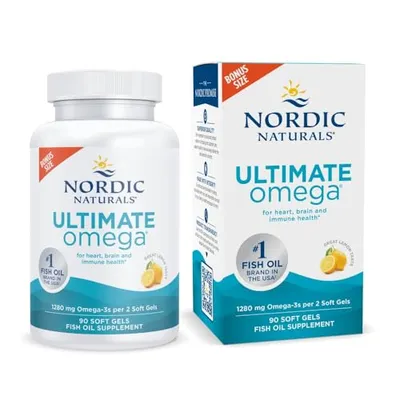
Nordic Naturals Ultimate Omega, Lemon Flavor - 90 Soft Gels - 1280 mg Omega-3 - High-Potency Omega-3

Nordic Naturals Ultimate Omega, Lemon Flavor - 90 Soft Gels - 1280 mg Omega-3 - High-Potency Omega-3

Nordic Naturals

9.4/10
Premium flagship: highest customer trust and review volume among omega-3 supplements$0.75/serving

Detailed Ingredient Guides

Glucosamine
Amino Sugar
Glucosamine sulfate at 1,500mg daily reduces osteoarthritis pain and slows cartilage loss, supported by multiple large RCTs and meta-analyses. The sulfate form is preferred over hydrochloride based on clinical evidence. Benefits typically appear after 4-8 weeks of consistent use.
Chondroitin
Glycosaminoglycan
Chondroitin sulfate at 800-1,200mg daily reduces osteoarthritis pain comparably to NSAIDs and may slow cartilage loss over 2+ years. It is most effective in pharmaceutical-grade formulations and is often combined with glucosamine for additive benefit.
Collagen Type II
Collagen Protein
Hydrolyzed type II collagen at 1-10g daily provides cartilage-specific amino acids and bioactive peptides that stimulate chondrocyte activity, reducing joint pain and supporting cartilage structure. Clinical trials show significant improvements in OA symptoms over 3-6 months of use.
Boswellia
Herbal Extract
Boswellia serrata extract (standardized to AKBA) at 300-500mg daily reduces joint pain and inflammation by inhibiting 5-LOX enzyme. Clinical trials show significant improvement in osteoarthritis symptoms within 1-2 weeks. Choose extracts standardized to ≥30% boswellic acids.
Omega-3
Essential Fatty Acid
Omega-3 fatty acids (EPA + DHA) reduce inflammation, support heart and brain health, and may improve mood. The REDUCE-IT trial showed high-dose EPA (4g/day) reduced cardiovascular events by 25%. Most adults benefit from 1,000-2,000mg combined EPA+DHA daily.
Bromelain
Proteolytic Enzyme
Bromelain at 500-2,000 GDU/day reduces post-surgical swelling by 50-70% and improves sinusitis symptoms. It works by modulating prostaglandins and degrading fibrin. Take on an empty stomach for systemic anti-inflammatory effects or with food for digestive support.
Calcium
Essential Macromineral
Calcium is essential for bone strength and muscle function. Adults need 1,000-1,200mg daily from food and supplements combined. Calcium citrate is better absorbed than carbonate, especially on an empty stomach. Always pair with vitamin D and K2 for optimal bone benefit.
Cat's Claw
Herbal Extract
Cat's claw extract at 60-350mg daily reduces joint pain in osteoarthritis and rheumatoid arthritis. It inhibits NF-kB and TNF-alpha production. Choose extracts standardized to pentacyclic oxindole alkaloids (POAs). Evidence is emerging but promising.
Cetyl Myristoleate
Fatty Acid Ester
Cetyl myristoleate at 350-500mg daily may reduce joint pain and improve range of motion through anti-inflammatory and lubricating effects. Limited but positive clinical trials exist, with one RCT showing 63% improvement in knee OA symptoms. Evidence is still emerging.
Devil's Claw
Herbal Extract
Devil's claw extract providing 50-100mg harpagosides daily reduces lower back pain and OA symptoms comparably to some NSAIDs. Approved by German Commission E for musculoskeletal pain. Choose products standardized to ≥2% harpagosides.
Eggshell Membrane (NEM)
Natural Matrix
NEM (eggshell membrane) at 500mg daily provides fast-acting joint pain relief, often within 7-10 days, by delivering a natural matrix of collagen, chondroitin, hyaluronic acid, and growth factors. Multiple RCTs support its efficacy for both OA and exercise-related joint discomfort.
Ginger
Herbal Extract
Ginger extract at 250-1,000mg daily reduces osteoarthritis pain by ~30% and lowers inflammatory markers including CRP and IL-6. It inhibits both COX-2 and 5-LOX pathways. Also highly effective for nausea. Choose standardized extracts with ≥5% gingerols.
Hyaluronic Acid
Glycosaminoglycan
Oral hyaluronic acid at 80-200mg daily reduces knee osteoarthritis pain and improves joint function, supported by multiple RCTs. It works by supplementing synovial fluid viscosity and may stimulate endogenous HA production. Benefits appear within 2-3 months of daily use.
Manganese
Essential Trace Mineral
Manganese supports bone health, antioxidant defense, and cartilage formation. Most people get adequate amounts (1.8-2.3mg) from diet alone. Supplementation is rarely needed and high doses can be neurotoxic. It is commonly included in bone-support formulas and multivitamins.
SAMe (S-Adenosyl Methionine)
Amino Acid Derivative
SAMe at 600-1,200mg daily reduces osteoarthritis pain comparably to NSAIDs like ibuprofen and celecoxib, with fewer side effects. It also promotes cartilage repair by stimulating proteoglycan synthesis. Benefits typically appear after 2-4 weeks of consistent use.
Strontium
Trace Mineral
Strontium citrate is used for bone density support at 680mg daily. Prescription strontium ranelate reduced fractures by 41% in large RCTs. OTC strontium citrate has less evidence but shares the same mechanism. Note: strontium inflates DEXA scan readings. Take separately from calcium.
UC-II (Undenatured Type II Collagen)
Collagen Protein
UC-II at 40mg daily reduces joint pain and improves function through immune-mediated oral tolerance, where the body learns to stop attacking its own cartilage. A head-to-head trial showed UC-II outperformed 1,500mg glucosamine + 1,200mg chondroitin for knee OA symptoms.
White Willow Bark
Herbal Extract
White willow bark providing 120-240mg salicin daily reduces lower back pain and OA symptoms. It acts like a gentler, slower-acting aspirin with added polyphenol benefits. Effects take 1-2 weeks to develop. Not suitable for aspirin-allergic individuals.

Related Conditions

Related Research

Learn More

Frequently Asked Questions

Do glucosamine and chondroitin really work for osteoarthritis?

The evidence is mixed but leans positive for specific forms. Pharmaceutical-grade glucosamine sulfate (not hydrochloride) at 1,500mg/day showed significant benefits in the GUIDE trial and long-term European studies [4]. The NIH-funded GAIT trial found the glucosamine-chondroitin combination was effective for moderate-to-severe knee OA pain [1]. Results typically take 8-12 weeks to become apparent.

Evidence:RCT (2006) · n=1,583 · high confidence[#1]. See full reference list below.

What is the best supplement for joint pain?

For osteoarthritis-related joint pain, UC-II collagen (40mg/day) and glucosamine sulfate (1,500mg/day) have the strongest evidence. A head-to-head trial found UC-II more effective than glucosamine+chondroitin combined. Boswellia serrata (AKBA-enriched, 100-250mg/day) offers faster pain relief, often within 7 days, and works through anti-inflammatory pathways.

How long does it take for glucosamine to work?

Most clinical trials show glucosamine sulfate requires 8-12 weeks of consistent daily use (1,500mg) before meaningful improvements in pain and function are observed. Some patients report gradual improvements as early as 4 weeks. Unlike NSAIDs, glucosamine works by supporting cartilage structure rather than simply blocking pain signals.

Can supplements reverse osteoarthritis?

Supplements cannot reverse existing cartilage damage, but some may slow progression. A 3-year RCT found glucosamine sulfate (1,500mg/day) reduced joint space narrowing compared to placebo, suggesting a disease-modifying effect. UC-II collagen and boswellia may help preserve remaining cartilage by modulating immune responses and reducing inflammatory enzymes.

Continue Reading

References

  1. RCTClegg DO, Reda DJ, Harris CL, et al. (2006). Glucosamine, chondroitin sulfate, and the two in combination for painful knee osteoarthritis. New England Journal of Medicine. DOI PubMed
  2. RCTLugo JP, Saiber ZM, Yao X, et al. (2013). Undenatured type II collagen (UC-II) for joint support: a randomized, double-blind, placebo-controlled study in healthy volunteers. Journal of the International Society of Sports Nutrition. DOI PubMed
  3. RCTSengupta K, Alluri KV, Satish AR, et al. (2008). A double blind, randomized, placebo controlled study of the efficacy and safety of 5-Loxin for treatment of osteoarthritis of the knee. Arthritis Research & Therapy. DOI PubMed
  4. RCTReginster JY, Deroisy R, Rovati LC, et al. (2001). Long-term effects of glucosamine sulphate on osteoarthritis progression: a randomised, placebo-controlled clinical trial. The Lancet. DOI PubMed