SupplementScience
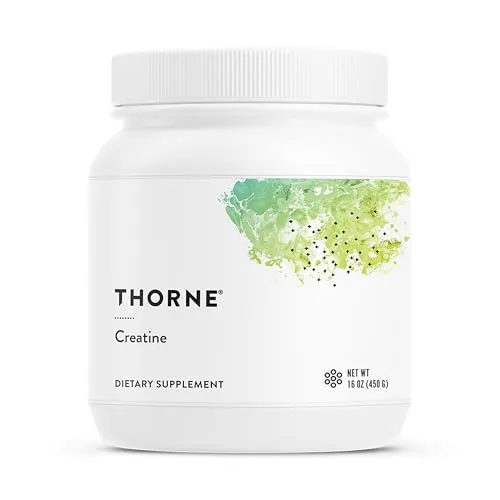
Creatine supplement
Sports Nutrition / Amino Acid Derivative

Creatine: Benefits, Dosage, Forms & Research

Sports Nutrition / Amino Acid Derivative

DJP
Reviewed by , MD, Board Certified Internal Medicine

This content is for informational purposes only and does not constitute medical advice. Consult your healthcare provider before starting any supplement. Full disclaimer

TL;DR — Quick Answer

Creatine monohydrate is the most researched sports supplement in history, with over 500 studies confirming it increases strength by 5-10% and lean muscle mass by 1-2kg over 4-12 weeks. The standard dose is 3-5g daily, and it also shows emerging benefits for brain health.

Key Facts

  • What it is: A naturally occurring amino acid derivative stored as phosphocreatine in muscles
  • Primary benefits:
    • Increases strength and power output
    • Enhances lean muscle mass
    • Speeds recovery between sets
    • Supports brain energy metabolism
    • May protect against neurodegeneration
  • Typical dosage: 3-5g creatine monohydrate daily
  • Evidence level: Strong
  • Safety: Generally Safe

What the Research Says

Creatine monohydrate is the most studied ergogenic supplement in history. The International Society of Sports Nutrition (ISSN) position stand (2017) concluded that creatine monohydrate is the most effective ergogenic nutritional supplement available to athletes for increasing high-intensity exercise capacity and lean body mass. A 2003 meta-analysis by Rawson & Volek analyzed 22 studies and found significant increases in strength, power, and lean mass. The 2018 review by Avgerinos et al. in Experimental Gerontology extended these findings to cognitive benefits, particularly under conditions of sleep deprivation and mental fatigue.

Benefits of Creatine

  • Strength and power — a 2003 meta-analysis of 22 studies found creatine supplementation increased maximal strength by 8% and repetition strength by 14% compared to placebo
  • Lean muscle mass — creatine promotes muscle protein synthesis and cell volumization; typical gains of 1-2kg lean mass over 4-12 weeks of training
  • Sprint and high-intensity performance — improves performance in repeated sprint bouts by 5-15% by accelerating ATP regeneration
  • Cognitive function — a 2018 systematic review found creatine supplementation improved short-term memory and reasoning, particularly under stress or sleep deprivation
  • Recovery — reduces muscle damage markers (CK) and inflammation after intense exercise, allowing higher training frequency

Forms of Creatine

FormBioavailabilityBest For
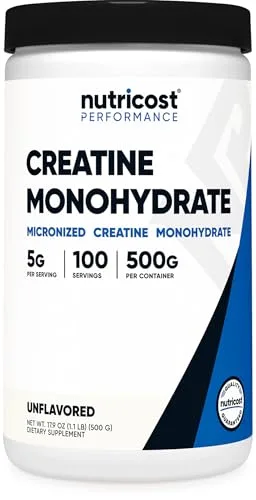
Creatine MonohydrateHigh (99%+ absorption)All purposes — gold standard, most researched, most cost-effective
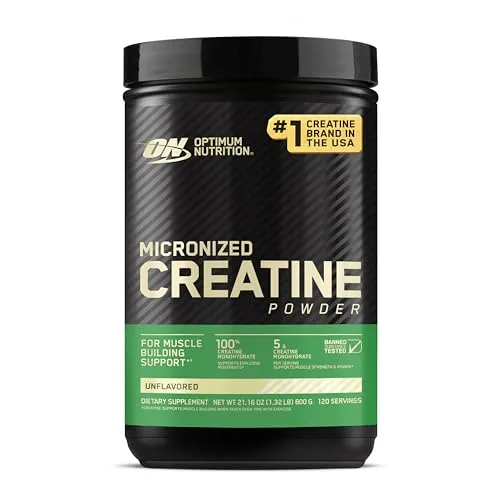
Micronized Creatine MonohydrateHighBetter mixability — same efficacy as standard monohydrate, finer particle size
Creatine HCl (Hydrochloride)HighThose with stomach sensitivity — more soluble, smaller doses claimed
CreapureHighPurity-conscious consumers — German-manufactured with 99.99% purity guarantee

Dosage Recommendations

General recommendation: 3-5g creatine monohydrate daily (no loading phase required)

Timing: Post-workout with carbohydrates for optimal uptake; timing is flexible on rest days

Dosage by Condition

ConditionRecommended DoseEvidence
Muscle and strength3-5g daily (optional loading: 20g/day for 5-7 days)Strong
Cognitive support5g dailyModerate
Recovery5g post-workout with carbohydratesStrong
Older adults (sarcopenia)3-5g daily combined with resistance trainingStrong

Upper limit: 5g/day for long-term use; 20g/day for 5-7 days during loading phase

Side Effects and Safety

Safety profile: Generally Safe

Potential Side Effects

  • Water retention and weight gain (1-3 lbs, especially during loading phase)
  • Mild digestive discomfort at high doses (>10g single dose)
  • Muscle cramping (anecdotal — not supported by clinical data)
  • Rare: mild kidney stress in those with pre-existing kidney conditions

Drug & Supplement Interactions

  • NSAIDs (ibuprofen, naproxen) — theoretical increased kidney stress when combined
  • Caffeine may partially blunt creatine uptake during loading phase (evidence mixed)
  • Nephrotoxic medications — use caution if taking medications that stress the kidneys
BenefitsDosage GuideSide EffectsTypes & FormsResearchFAQ

Related Conditions

Related Research

Related Supplements

Looking for the best creatine supplement?

We analyzed and ranked the top products based on form, dosage, third-party testing, and value.

See Our Top Picks

Frequently Asked Questions

Do I need to do a creatine loading phase?

No. While a loading phase (20g/day for 5-7 days) saturates muscles faster, taking 3-5g daily achieves the same saturation within 3-4 weeks. Loading may cause more digestive discomfort and water retention. Most researchers and the ISSN consider loading optional.

Is creatine safe for your kidneys?

In healthy individuals, creatine does not harm kidney function. A 2019 meta-analysis of 15 studies found no adverse effects on kidney function in doses up to 10g/day for up to 5 years. However, those with pre-existing kidney disease should consult their physician, as creatinine (a breakdown product) may elevate lab markers.

Does creatine cause hair loss?

This concern comes from a single 2009 study that found creatine increased DHT levels by 56% during a loading phase. However, no study has directly linked creatine to hair loss, and subsequent research has not replicated the DHT finding. The International Society of Sports Nutrition does not list hair loss as a side effect.

Can women take creatine?

Yes. Creatine is equally effective and safe for women. Research shows women benefit from the same strength, recovery, and cognitive effects. Women typically experience less water retention than men. A 2021 review in Nutrients specifically highlighted benefits for female athletes and post-menopausal women.

References

  1. (). International Society of Sports Nutrition position stand: safety and efficacy of creatine supplementation in exercise, sport, and medicine. Journal of the International Society of Sports Nutrition. DOI
  2. (). Effects of creatine supplementation and resistance training on muscle strength and weightlifting performance. Journal of Strength and Conditioning Research. DOI
  3. (). Effects of creatine supplementation on cognitive function of healthy individuals: A systematic review of 6 randomized controlled trials. Experimental Gerontology. DOI