Supplement ScienceSupplementScience
Longevity & Healthy Aging

Best Supplements for Longevity & Healthy Aging

Prevalence: Aging affects 100% of the population; age-related diseases account for >60% of global mortality

·

This content is for informational purposes only and does not constitute medical advice. Statements about dietary supplements have not been evaluated by the FDA and are not intended to diagnose, treat, cure, or prevent any disease. Individual results may vary — consult your healthcare provider before starting any supplement. Full disclaimer

The top evidence-backed supplements for longevity and healthy aging are NMN (250-500mg, raises NAD+ levels to support...

The top evidence-backed supplements for longevity and healthy aging are NMN (250-500mg, raises NAD+ levels to support DNA repair and mitochondrial function), spermidine (1-6mg, induces autophagy for cellular recycling), berberine (1000-1500mg, activates AMPK for metabolic health), and quercetin (500-1000mg, has senolytic properties that may help clear damaged cells). Each targets a distinct hallmark of aging.

Get the free evidence-based Longevity & Healthy Aging guide — delivered in 60 seconds.

No spam. Unsubscribe anytime.

Overview

Aging is increasingly understood as a modifiable biological process driven by measurable hallmarks — NAD+ decline, impaired autophagy, accumulation of senescent cells, mitochondrial dysfunction, and chronic low-grade inflammation. While no supplement has been proven to extend human lifespan, several compounds target these hallmarks with growing clinical evidence for improving healthspan markers. The longevity supplement space is evolving rapidly, moving from animal models to the first wave of human interventional trials.

Understanding Longevity & Healthy Aging

Aging is increasingly understood not as a passive deterioration but as a set of identifiable, modifiable biological processes — collectively called the hallmarks of aging. These include mitochondrial dysfunction, cellular senescence (accumulation of zombie cells that secrete inflammatory factors), NAD+ depletion (which impairs DNA repair and energy metabolism), telomere shortening, and chronic low-grade inflammation (inflammaging). The longevity supplement field targets these specific hallmarks. CoQ10 supports mitochondrial electron transport. NAD+ precursors (NMN, NR) replenish the coenzyme critical for sirtuin-mediated DNA repair. Resveratrol activates SIRT1 and AMPK longevity pathways. Omega-3 fatty acids reduce inflammaging. While no supplement has been proven to extend maximum human lifespan, several have demonstrated meaningful improvements in biomarkers associated with healthier aging and reduced age-related disease risk.

What the Research Shows

CoQ10 levels decline significantly with age — cardiac tissue CoQ10 drops by 57% between ages 20 and 80. Supplementation at 100-300mg daily (ubiquinol form) has been shown to improve mitochondrial function, reduce oxidative stress markers, and improve exercise capacity in older adults. The Q-SYMBIO trial (2014) found that CoQ10 supplementation in heart failure patients reduced major adverse cardiovascular events by 43% over 2 years. NMN and NR (nicotinamide riboside) are NAD+ precursors with rapidly expanding clinical data. A 2022 RCT by Yi et al. in Science found that NMN supplementation (250mg daily) increased blood NAD+ levels by 38% and improved muscle insulin sensitivity in overweight adults. NR at 1,000mg daily (Chromadex Niagen) increased NAD+ by 40-90% in multiple studies. However, long-term outcomes data in humans is still limited. Omega-3 fatty acids have the longest track record in aging populations. The VITAL trial (n=25,871) found that omega-3 supplementation reduced total cardiovascular events, and a 2021 analysis showed significant reduction in all-cause mortality in people who maintained higher omega-3 index levels (>8%). Resveratrol activates SIRT1 (a key longevity gene) in cell and animal studies, but human evidence is more modest — beneficial effects on blood pressure and inflammatory markers at 150-500mg daily, though life extension in humans is unproven.

What to Look For in Supplements

For CoQ10, switch to ubiquinol (reduced form) after age 40, as the body's ability to convert ubiquinone to ubiquinol diminishes. 100-200mg daily with fat. For NMN, pharmaceutical-grade powder at 250-500mg daily (sublingual absorption may be superior). For NR, Niagen (Chromadex) is the most studied form at 300-1,000mg daily. For omega-3, target an omega-3 index of 8-12% (measurable via finger-prick blood test). For resveratrol, trans-resveratrol at 150-500mg daily with fat; micronized or liposomal forms improve the otherwise poor bioavailability.

What Doesn't Work (And Why)

Telomerase activators (TA-65, astragaloside IV) have minimal evidence in humans despite bold marketing claims. Senolytics (fisetin, quercetin + dasatinib) show promise in animal models and early human trials but are not ready for general supplementation — optimal dosing protocols and long-term safety in humans remain unknown. Colloidal silver, hydrogen water, and alkaline supplements have no legitimate anti-aging evidence. Anti-aging hormone supplements (DHEA, HGH precursors) carry significant endocrine disruption risks.

Combination Protocol

The foundational longevity stack includes CoQ10 ubiquinol (100-200mg daily with a fat-containing meal), omega-3 EPA+DHA (2g daily), and vitamin D3 (2,000-4,000 IU daily). For advanced longevity targeting, add an NAD+ precursor — either NMN 250-500mg daily or NR 300-500mg daily — and resveratrol 150-500mg daily taken with fat. This stack addresses the major hallmarks: mitochondrial function (CoQ10), NAD+ depletion (NMN/NR), inflammaging (omega-3), and sirtuin activation (resveratrol). See our complete [longevity stack protocol](/stacks/longevity-foundation) for detailed dosing and timing.

Top Evidence-Based Supplements for Longevity & Healthy Aging

#SupplementTypical DoseEvidence
1NMN (Nicotinamide Mononucleotide)250-500mg dailyEmerging
See top nmn (nicotinamide mononucleotide) picks →
2Berberine500mg 2-3x dailyStrong
See top berberine picks →
3Spermidine1-6mg dailyEmerging
See spermidine research →

Top Product Picks

As an Amazon Associate, we earn from qualifying purchases. Some links below are affiliate links — this doesn't affect our editorial independence or product ratings. How we evaluate products

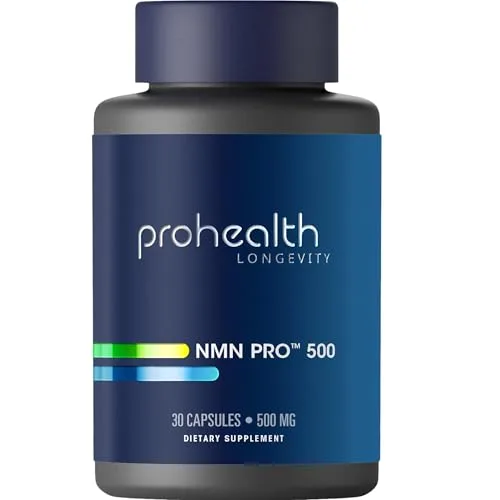
ProHealth Longevity NMN Pro 500

ProHealth Longevity NMN Pro 500

ProHealth

9.3/10
Overall — verified purity with enteric-coated delivery$1.43/serving
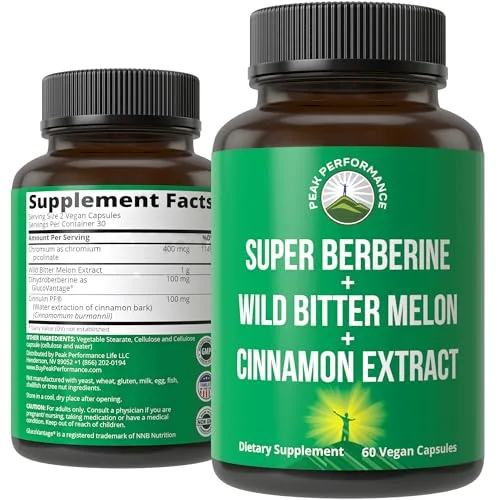
Sunergetic Premium Berberine Supplement

Sunergetic Premium Berberine Supplement

Sunergetic

8.6/10
Best value high-dose berberine$0.26/serving

Detailed Ingredient Guides

NMN
NAD+ Precursor / Longevity
NMN is a NAD+ precursor that combats age-related NAD+ decline. Human trials show 250-500mg/day increases blood NAD+ by 40-90% within 12 weeks, with a 2021 trial demonstrating improved insulin sensitivity in premenopausal women. Standard dose is 250-500mg daily.
Spermidine
Polyamine / Autophagy Activator
Spermidine is a natural polyamine that powerfully induces autophagy, the cellular housekeeping process linked to longevity. Epidemiological data from the Bruneck Study showed that people in the highest tertile of dietary spermidine intake had significantly lower cardiovascular and all-cause mortality. Supplement doses range from 1-6mg daily, typically derived from wheat germ extract.
Berberine
Plant Alkaloid
Berberine is a plant alkaloid that lowers blood sugar with efficacy comparable to metformin in several head-to-head trials. It activates AMPK, reduces HbA1c by 0.5-0.9%, and lowers LDL cholesterol and triglycerides. The standard dose is 500mg 2-3x daily with meals (1000-1500mg total).
Quercetin
Flavonoid / Senolytic
Quercetin is a flavonoid with dual senolytic and antioxidant properties. The dasatinib + quercetin protocol is the most studied senolytic in humans (Kirkland, 2019). As a standalone supplement, quercetin reduces inflammation, supports immunity, and shows anti-allergic effects. Standard dose is 500-1000mg daily.
Alpha-Lipoic Acid
Antioxidant / Mitochondrial Cofactor
Alpha-lipoic acid is a universal antioxidant that works in both water and fat compartments and regenerates vitamins C, E, and glutathione. The SYDNEY 2 trial showed 600mg/day significantly reduces diabetic neuropathy symptoms. Standard dose is 300-600mg daily of R-lipoic acid.
Astaxanthin (Eye Health)
Carotenoid
Astaxanthin is a powerful carotenoid antioxidant that crosses the blood-retinal barrier. Clinical studies show 6-12 mg daily reduces eye fatigue, improves accommodative function, and increases retinal capillary blood flow. It is 6,000 times stronger than vitamin C as a singlet oxygen quencher.
Astaxanthin
Carotenoid / Antioxidant
Astaxanthin is a carotenoid antioxidant 6,000x more potent than vitamin C in laboratory assays. Clinical trials show it reduces oxidative stress biomarkers, supports skin health (reduced wrinkles in UV-exposed skin), and improves exercise recovery. Standard dose is 4-12mg daily.
Coenzyme Q10 (CoQ10)
Antioxidant / Energy Metabolism
CoQ10 (100-300 mg/day) is essential for mitochondrial ATP production and is a powerful antioxidant. The Q-SYMBIO trial (2014) showed 100 mg three times daily reduced cardiovascular mortality by 43% in heart failure patients. For exercise, benefits are modest and mainly observed in older or untrained individuals. Ubiquinol is the preferred form for supplementation due to superior absorption.
Coenzyme Q10 (CoQ10)
Coenzyme / Antioxidant
CoQ10 is a mitochondrial coenzyme essential for cellular energy production and a powerful antioxidant. The landmark Q-SYMBIO trial (2014) showed CoQ10 reduced major cardiovascular events by 43% in heart failure patients. Standard dose is 100-300mg daily, with ubiquinol being approximately 2x more bioavailable than ubiquinone.
Creatine
Amino Acid Derivative
Creatine monohydrate at 3-5 g/day is the most evidence-backed sports supplement in existence. The International Society of Sports Nutrition (ISSN) position stand confirms it increases strength, power output, and lean mass. Loading is optional. Emerging evidence also supports cognitive and neuroprotective benefits.
DHEA
Hormone Precursor
DHEA is the body's most abundant steroid hormone precursor, declining ~2-3% per year after age 25. Supplementing 25-50mg daily may benefit men over 40 with documented low DHEA-S levels, improving body composition, bone density, and mood. Requires medical supervision and hormone panel monitoring.
Epigallocatechin Gallate (EGCG)
Polyphenol / Catechin
EGCG is the key catechin in green tea responsible for its health benefits. A 2019 meta-analysis of 41 RCTs confirmed EGCG reduces body weight, LDL cholesterol, and fasting glucose. It activates AMPK, inhibits mTOR, and promotes autophagy. Standard dose is 200-500mg EGCG daily.
Fisetin
Flavonoid / Senolytic
Fisetin is a strawberry-derived flavonoid and the most potent natural senolytic identified to date. Yousefzadeh et al. (2018) showed it extended median lifespan in aged mice by ~10% by clearing senescent cells. Mayo Clinic human trials are ongoing. Typical dose is 100-500mg daily or intermittent high-dose protocols.
He Shou Wu
Adaptogenic Herb
He shou wu is a TCM longevity tonic with preliminary evidence for anti-aging, cholesterol reduction, and neuroprotection. Use only processed (zhi) form due to liver safety concerns with raw root. Standard dose is 500-1000mg processed root extract daily. Professional guidance recommended.
Metformin (Longevity Context)
Pharmaceutical / AMPK Activator
Metformin is a prescription diabetes drug being studied for longevity. A 2014 UK study found diabetics on metformin lived 15% longer than non-diabetics. It activates AMPK, inhibits mTOR, and reduces inflammation. The landmark TAME trial is testing it as an anti-aging drug. This is a prescription medication — not an OTC supplement.
Nicotinamide Riboside (NR)
NAD+ Precursor / Longevity
Nicotinamide riboside (NR) is a NAD+ precursor with the most human clinical trial data of any NAD+ booster. Doses of 300-1000mg/day reliably increase blood NAD+ by 40-90%. The CHROMAVITA trial confirmed safety and efficacy at 1000mg/day for 8 weeks.
PQQ (Pyrroloquinoline Quinone)
Cofactor / Mitochondrial Biogenesis
PQQ is a redox cofactor that uniquely stimulates mitochondrial biogenesis via PGC-1α activation. A 2012 trial by Itoh et al. showed 20mg PQQ daily improved cognitive function and reduced fatigue in middle-aged adults. Standard dose is 10-20mg daily.
Pterostilbene
Stilbenoid / Sirtuin Activator
Pterostilbene is a "better-absorbed resveratrol" with ~80% oral bioavailability versus resveratrol's <1%. It activates SIRT1 and AMPK, reduces blood pressure (Riche et al., 2014), lowers LDL oxidation, and shows neuroprotective effects. Typical dose is 50-250mg daily.
Rapamycin (Longevity Context)
Pharmaceutical / mTOR Inhibitor
Rapamycin is the only drug proven to extend maximum lifespan in every species tested. The NIA's ITP showed 9-14% lifespan extension in mice. It works by inhibiting mTOR, the master growth/aging switch. This is a prescription immunosuppressant — off-label longevity use requires medical supervision.
Resveratrol
Polyphenol / Sirtuin Activator
Resveratrol is a polyphenol that activates SIRT1 and AMPK, key longevity pathways. While animal studies show lifespan extension, human evidence is mixed. A 2015 meta-analysis found it improves fasting glucose and insulin in diabetics. Typical dose is 150-500mg trans-resveratrol daily.
Shilajit
Mineral Adaptogen
Shilajit is a mineral-rich Himalayan exudate with emerging evidence for testosterone support, mitochondrial energy, and anti-aging. Fulvic acid enhances CoQ10 and nutrient absorption. Standard dose is 250-500mg purified shilajit daily (PrimaVie is the most studied form).
Sulforaphane
Isothiocyanate / Nrf2 Activator
Sulforaphane from broccoli sprouts is the most potent natural Nrf2 activator, upregulating 200+ protective genes. Human trials show it reduces inflammation markers, supports detoxification of air pollutants, and may protect against cancer progression. Standard dose is 30-60mg sulforaphane daily.
Taurine
Amino Acid
Taurine at 1-3 g/day has broad physiological benefits including cardiovascular protection, exercise performance, and anti-aging effects. A 2023 Science paper showed taurine supplementation extended lifespan in mice and improved healthspan markers. It is also one of the best-studied amino acids for heart health.

Related Conditions

Related Research

Learn More

Frequently Asked Questions

Can supplements actually slow aging?

Several supplements target measurable hallmarks of aging with clinical evidence for improving biomarkers [2]. NMN raises NAD+ levels (which decline 50% between ages 40-60). Spermidine induces autophagy (cellular recycling that slows with age), and dietary spermidine intake was inversely associated with cardiovascular and all-cause mortality over 20 years in the Bruneck cohort [1]. Berberine activates AMPK for metabolic optimization. Quercetin has senolytic properties. However, no supplement has yet been proven to extend human lifespan in a clinical trial — the evidence is strongest for improving healthspan markers like insulin sensitivity, inflammation, and cellular energy.

Evidence:Observational (2016) · n=829 · moderate confidence[#2]. See full reference list below.

What is the difference between lifespan and healthspan?

Lifespan is how long you live. Healthspan is how long you live in good health — free from chronic disease, cognitive decline, and physical frailty. Most longevity researchers now focus on healthspan because extending years of disability is not the goal. The supplements with the most evidence for longevity primarily target healthspan markers: metabolic function, inflammation, cellular energy, and cognitive performance.

Should I take NMN, spermidine, or berberine for longevity?

Each targets a different hallmark of aging, so the choice depends on your priorities. NMN addresses NAD+ decline and mitochondrial function. Spermidine promotes autophagy (cellular cleanup). Berberine supports metabolic health via AMPK activation. Some longevity-focused practitioners recommend combinations since the mechanisms are complementary. Start with one and assess before adding others. Berberine has the strongest human evidence, NMN has the most mechanistic support, and spermidine has the most compelling epidemiological data.

Continue Reading

References

  1. ObservationalEisenberg T, Abdellatif M, Schroeder S, et al. (2016). Cardioprotection and lifespan extension by the natural polyamine spermidine. Nature Medicine. DOI PubMed
  2. ReviewLopez-Otin C, Blasco MA, Partridge L, Serrano M, Kroemer G (2023). Hallmarks of aging: An expanding universe. Cell. DOI PubMed