SupplementScience
Berberine supplement
Plant Alkaloid

Berberine: Benefits, Dosage, Forms & Research

Plant Alkaloid

DJP
Reviewed by , MD, Board Certified Internal Medicine

This content is for informational purposes only and does not constitute medical advice. Consult your healthcare provider before starting any supplement. Full disclaimer

TL;DR — Quick Answer

Berberine is a plant alkaloid that lowers blood sugar with efficacy comparable to metformin in several head-to-head trials. It activates AMPK, reduces HbA1c by 0.5-0.9%, and lowers LDL cholesterol and triglycerides. The standard dose is 500mg 2-3x daily with meals (1000-1500mg total).

Key Facts

  • What it is: A bioactive plant alkaloid that activates AMP-activated protein kinase (AMPK)
  • Primary benefits:
    • Lowers fasting blood glucose (comparable to metformin)
    • Reduces HbA1c by 0.5-0.9%
    • Lowers LDL cholesterol and triglycerides
    • Activates AMPK pathway
    • Potential anti-inflammatory and antimicrobial effects
  • Typical dosage: 500mg 2-3x daily with meals (1000-1500mg total)
  • Evidence level: Strong
  • Safety: Safe with Caution

What the Research Says

Berberine has strong clinical evidence for metabolic benefits. Yin et al. (2008) published a landmark trial showing berberine lowered fasting blood glucose and HbA1c comparably to metformin in type 2 diabetes patients. A 2019 systematic review by Liang et al. confirmed these findings across multiple trials. Zhang et al. (2008) demonstrated combined benefits for both blood sugar and dyslipidemia. The AMPK activation mechanism is well-characterized in pharmacological studies, providing a clear biological basis for its metabolic effects.

Benefits of Berberine

  • Blood sugar control — a 2008 clinical trial found berberine lowered fasting blood glucose by 3.6 mmol/L and HbA1c by 0.9%, comparable to metformin at the same dose in a head-to-head comparison
  • Lipid metabolism — berberine reduces LDL cholesterol by 20-25%, triglycerides by 35%, and increases HDL cholesterol in multiple controlled trials, with a unique mechanism via upregulating LDL receptor expression
  • AMPK activation — berberine activates AMP-activated protein kinase, a master metabolic regulator that increases glucose uptake, enhances insulin sensitivity, and promotes fatty acid oxidation
  • Anti-inflammatory effects — berberine inhibits NF-kB signaling and reduces inflammatory markers including CRP, TNF-alpha, and IL-6 in clinical studies
  • Antimicrobial properties — demonstrated activity against bacterial, fungal, and parasitic infections; historically used for gastrointestinal infections in traditional Chinese medicine

Forms of Berberine

FormBioavailabilityBest For
Berberine HCl CapsulesModerateStandard supplementation — most common and studied form
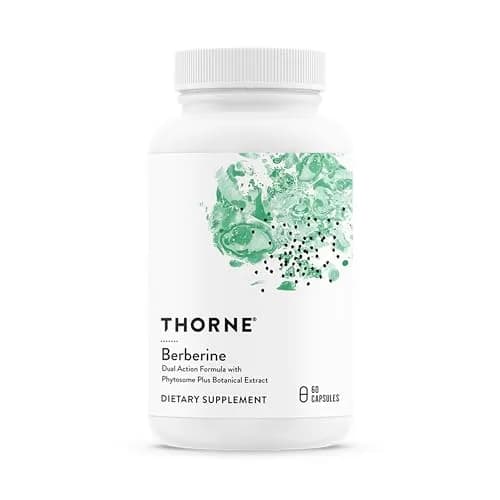
Berberine PhytosomeHighEnhanced absorption — lipid-bound for improved bioavailability
Dihydroberberine (DHB)High (5x berberine HCl)Lower dose needed — active metabolite with superior absorption
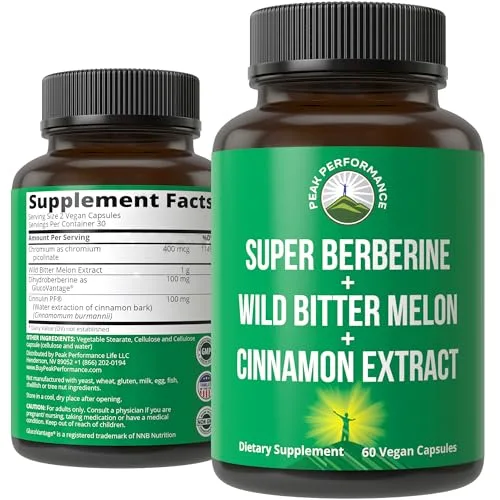
Berberine + Bitter MelonModerateSynergistic blood sugar support — combines two glucose-lowering compounds
Berberine + Milk ThistleModerateLiver support — milk thistle may offset berberine's hepatic effects

Dosage Recommendations

General recommendation: 500mg 2-3x daily with meals (1000-1500mg total daily)

Timing: With meals to reduce GI side effects and improve blood sugar response; split into 2-3 doses • Take with food for best absorption.

Dosage by Condition

ConditionRecommended DoseEvidence
Blood sugar management500mg 3x daily with mealsStrong
Cholesterol/lipids500mg 2x daily with mealsStrong
Metabolic support (AMPK)500mg 2x dailyModerate
GI antimicrobial500mg 3x daily for 7-14 daysModerate

Upper limit: 1500mg/day (higher doses increase GI side effects without proportional benefit)

Side Effects and Safety

Safety profile: Safe with Caution

Potential Side Effects

  • GI symptoms — diarrhea, cramping, flatulence, and nausea (most common, especially at higher doses)
  • Constipation in some individuals
  • Hypoglycemia risk when combined with diabetes medications
  • Possible headache and dizziness
  • Rare: liver enzyme elevation at high doses or with prolonged use

Drug & Supplement Interactions

  • Metformin and other diabetes drugs — additive hypoglycemia risk; monitor blood sugar closely
  • CYP3A4 substrates — berberine inhibits this enzyme, potentially increasing levels of many medications including statins, calcium channel blockers, and immunosuppressants
  • Cyclosporine — berberine significantly increases cyclosporine blood levels (contraindicated)
  • Blood thinners (warfarin) — berberine may affect anticoagulant metabolism
  • Avoid during pregnancy — berberine may stimulate uterine contractions
BenefitsDosage GuideSide EffectsTypes & FormsResearchFAQ

Related Conditions

Related Research

Related Supplements

Looking for the best berberine supplement?

We analyzed and ranked the top products based on form, dosage, third-party testing, and value.

See Our Top Picks

Frequently Asked Questions

Is berberine as effective as metformin?

In several head-to-head trials, berberine showed comparable effects on fasting blood glucose and HbA1c. A 2008 clinical trial found berberine reduced HbA1c by 0.9% vs metformin's 0.8% over 3 months. However, berberine should not be used as a replacement for prescribed diabetes medication without medical supervision. It may be most appropriate for prediabetes or as an adjunct therapy.

Can I take berberine for weight loss?

Berberine's AMPK activation can modestly support weight management by improving insulin sensitivity and promoting fatty acid oxidation. Some studies show 2-5 lbs of weight loss over 12 weeks. However, the "Nature's Ozempic" label is a significant overstatement — berberine does not suppress appetite or slow gastric emptying like GLP-1 agonists. It is primarily studied for blood sugar control.

What are the side effects of berberine?

GI symptoms are the most common — diarrhea, cramping, and flatulence affect 10-30% of users. Starting at 500mg/day and gradually increasing to the full dose over 1-2 weeks significantly reduces digestive side effects. Always take berberine with meals. The GI effects tend to diminish after the first 2 weeks of consistent use.

References

  1. (). Efficacy of berberine in patients with type 2 diabetes mellitus. Metabolism. DOI
  2. (). Effects of berberine on blood glucose in patients with type 2 diabetes mellitus: a systematic literature review and a meta-analysis. Endocrine Journal. DOI
  3. (). Treatment of type 2 diabetes and dyslipidemia with the natural plant alkaloid berberine. Journal of Clinical Endocrinology and Metabolism. DOI