Supplement ScienceSupplementScience
Polycystic Ovary Syndrome (PCOS)

Best Supplements for Polycystic Ovary Syndrome (PCOS)

Prevalence: 6-12% of US women of reproductive age (approximately 5 million women)

·

This content is for informational purposes only and does not constitute medical advice. Statements about dietary supplements have not been evaluated by the FDA and are not intended to diagnose, treat, cure, or prevent any disease. Individual results may vary — consult your healthcare provider before starting any supplement. Full disclaimer

Myo-inositol (4g daily) has the strongest evidence for PCOS, improving insulin sensitivity, ovulation rates, and...

Myo-inositol (4g daily) has the strongest evidence for PCOS, improving insulin sensitivity, ovulation rates, and hormonal profiles in multiple meta-analyses. Berberine and vitamin D are also well-supported, particularly for metabolic aspects of PCOS.

Get the free evidence-based Polycystic Ovary Syndrome (PCOS) guide — delivered in 60 seconds.

No spam. Unsubscribe anytime.

Overview

Polycystic ovary syndrome is the most common endocrine disorder in women of reproductive age, affecting 6-12% of US women. PCOS is characterized by hormonal imbalances, insulin resistance, and chronic inflammation. Several supplements target these core mechanisms and have shown meaningful improvements in clinical trials.

Understanding Polycystic Ovary Syndrome (PCOS)

Polycystic ovary syndrome (PCOS) is the most common endocrine disorder in reproductive-age women, affecting 6–12% of this population. The underlying pathophysiology involves insulin resistance (present in 65–80% of PCOS women regardless of weight), hyperandrogenism (elevated testosterone and DHEA-S from both ovarian and adrenal sources), and disrupted ovarian folliculogenesis leading to anovulation. Insulin resistance drives PCOS through multiple mechanisms: hyperinsulinemia stimulates ovarian theca cell androgen production, reduces hepatic SHBG synthesis (increasing free testosterone), and promotes adipose tissue inflammation. The downstream effects — irregular periods, acne, hirsutism, weight gain, infertility, and metabolic syndrome — are all secondary to this insulin-androgen axis. Pharmaceutical management typically involves metformin (insulin sensitizer), oral contraceptives (for hyperandrogenism), and clomiphene or letrozole (for ovulatory infertility). Several supplements target the insulin resistance and hormonal imbalance at the core of PCOS with meaningful clinical evidence.

What the Research Shows

Inositol has the strongest supplement evidence for PCOS. Myo-inositol (MI) and D-chiro-inositol (DCI) are insulin second messengers that are depleted in PCOS due to increased urinary clearance and impaired conversion. Unfer et al. (2012) conducted a systematic review of 6 RCTs and found that myo-inositol (2–4 g daily) significantly improved ovulatory function, reduced testosterone levels, and improved insulin sensitivity in PCOS women. The PONZA study by Nordio and Proietti (2012) compared myo-inositol (4 g daily) to metformin (1,500 mg daily) and found comparable improvements in insulin resistance, testosterone, and BMI after 6 months. A 40:1 ratio of myo-inositol to D-chiro-inositol mirrors physiological tissue ratios — Facchinetti et al. (2019) confirmed this ratio is optimal, as excess DCI can impair ovarian function. For fertility, Raffone et al. (2010) found that myo-inositol restored ovulation in 70% of anovulatory PCOS patients. Berberine addresses insulin resistance through AMPK activation. Wei et al. (2012) compared berberine (500 mg three times daily) to metformin (500 mg three times daily) in 89 PCOS women over 3 months and found similar reductions in insulin resistance, testosterone, waist-to-hip ratio, and sex hormone-binding globulin. Li et al. (2015) confirmed berberine improved lipid profiles and reduced inflammatory markers in PCOS. Vitamin D deficiency is prevalent in 67–85% of PCOS women. Irani et al. (2015) found that normalizing vitamin D levels improved insulin sensitivity and anti-Mullerian hormone levels in vitamin D-deficient PCOS patients. A meta-analysis by Fang et al. (2017) of 9 RCTs found that vitamin D supplementation significantly reduced insulin resistance and total testosterone in PCOS. Omega-3 fatty acids improve insulin sensitivity and reduce inflammatory markers in PCOS. Amini et al. (2018) found that 2 g omega-3 daily for 6 months significantly improved insulin, testosterone, and inflammatory markers compared to placebo in 60 PCOS women. NAC (N-acetylcysteine) has been compared to metformin. Elnashar et al. (2007) found that NAC (1.8 g daily for 5 days starting on cycle day 3) significantly improved ovulation and pregnancy rates in clomiphene-resistant PCOS women.

What to Look For in Supplements

For inositol, choose a combination product providing myo-inositol and D-chiro-inositol in a 40:1 ratio. Standard dose: 4 g myo-inositol plus 100 mg D-chiro-inositol daily, typically split into 2 doses (2 g MI + 50 mg DCI morning and evening). Powder form dissolved in water is the most practical delivery for these high doses. Ovasitol is a branded product that provides the studied 40:1 ratio. For berberine, 500 mg three times daily with meals is the studied dose. Berberine can cause GI discomfort initially — start with 500 mg once daily and titrate up over 2 weeks. For vitamin D, get a baseline 25(OH)D level. Most PCOS women need 3,000–5,000 IU D3 daily to reach the 40–60 ng/mL range where metabolic benefits are observed. For NAC, 600 mg twice daily is the starting dose. All PCOS supplements should be used under the guidance of an endocrinologist or reproductive endocrinologist, particularly if fertility is the goal.

What Doesn't Work (And Why)

Vitex (chasteberry), while effective for PMS, has limited and conflicting evidence for PCOS. PCOS is fundamentally an insulin-androgen disorder, and vitex's prolactin-modulating effects do not address the core pathophysiology. Spearmint tea has gained popularity for its anti-androgen effects — a small trial by Grant (2010) found it reduced free testosterone — but the evidence is from short-term, small studies and drinking tea is unlikely to meaningfully impact clinical hyperandrogenism. Saw palmetto, despite being a 5-alpha reductase inhibitor, has not been studied in PCOS and its effects on female hormonal balance are unknown. DIM (diindolylmethane) from cruciferous vegetables is marketed for estrogen metabolism but has no clinical trial evidence for PCOS outcomes. "Hormone-balancing" supplement blends containing adaptogenic herbs (maca, ashwagandha, shatavari) have not been studied specifically for PCOS and may have unpredictable effects on the already dysregulated hormonal axis. Apple cider vinegar for PCOS insulin resistance has only a single small, uncontrolled pilot study.

Combination Protocol

The evidence-based PCOS supplement protocol: myo-inositol (2 g) plus D-chiro-inositol (50 mg) twice daily, berberine (500 mg three times daily with meals), and vitamin D3 (3,000–5,000 IU daily, guided by blood levels). This combination targets insulin resistance through three independent mechanisms: inositol (insulin second messenger repletion), berberine (AMPK activation), and vitamin D (insulin receptor expression). Add omega-3 (2 g EPA+DHA daily) for anti-inflammatory and insulin-sensitizing effects. If trying to conceive, work with a reproductive endocrinologist — inositol has been shown to improve IVF outcomes in PCOS. NAC (600 mg twice daily) can be added for additional antioxidant and ovulatory support. Monitor fasting insulin, HOMA-IR, testosterone, DHEA-S, and menstrual regularity as response markers. No existing stack page covers PCOS specifically.

Top Evidence-Based Supplements for Polycystic Ovary Syndrome (PCOS)

#SupplementTypical DoseEvidence
1Myo-Inositol4g daily (often combined with 400mcg folic acid)Strong
See top myo-inositol picks →
2Berberine500mg three times dailyStrong
See top berberine picks →
3Vitamin D2,000-4,000 IU dailyModerate
See top vitamin d picks →
4Omega-3 Fatty Acids2-4g EPA+DHA dailyModerate
See top omega-3 fatty acids picks →
5DIM (Diindolylmethane)100-200mg dailyEmerging
See top dim (diindolylmethane) picks →

Top Product Picks

As an Amazon Associate, we earn from qualifying purchases. Some links below are affiliate links — this doesn't affect our editorial independence or product ratings. How we evaluate products

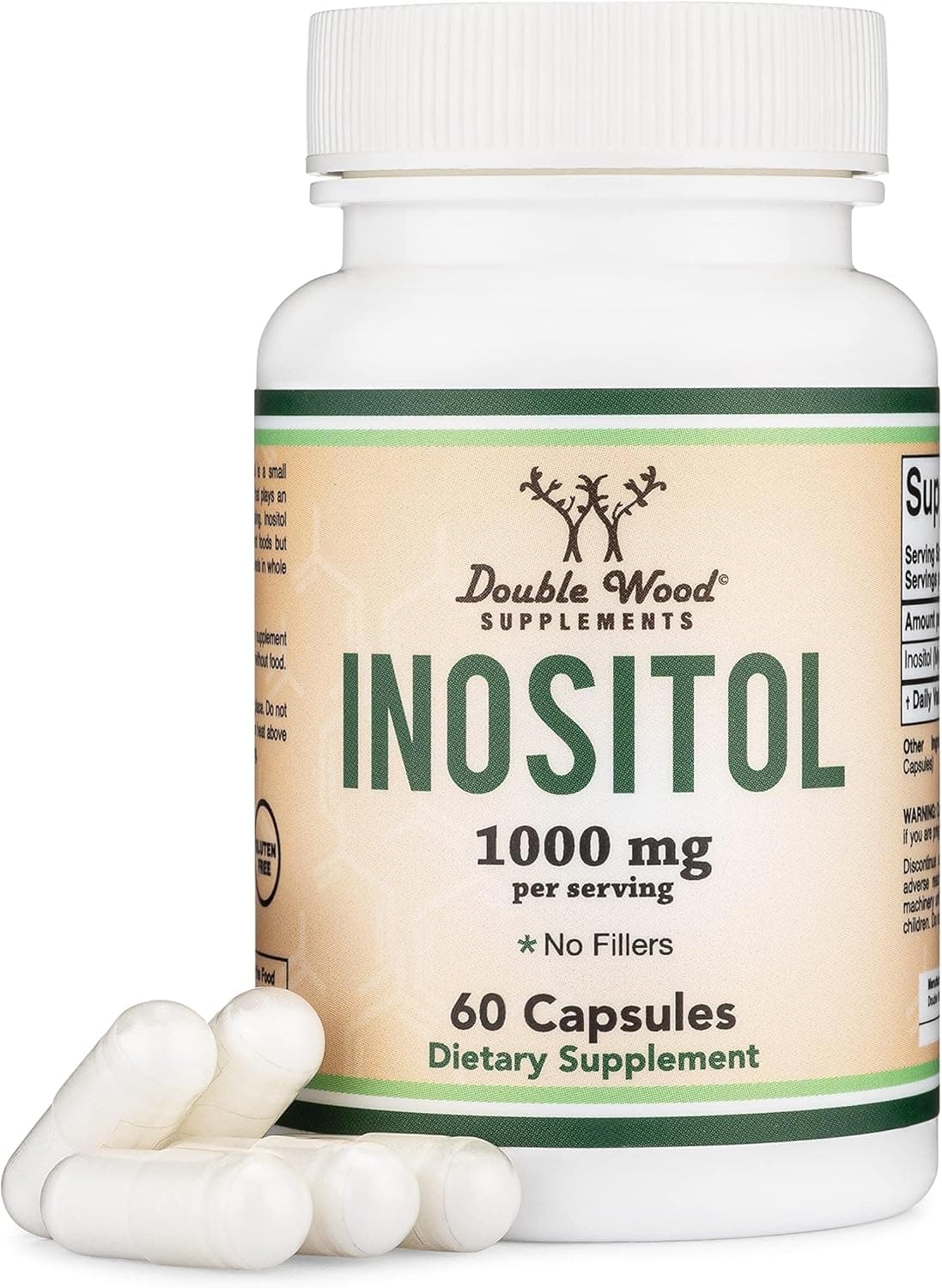
Inositol Capsules (Myo Inositol) 1000mg Health Support for Women (60 Count)(No Fillers, Vegan Safe, Gluten Free) by Double Wood

Inositol Capsules (Myo Inositol) 1000mg Health Support for Women (60 Count)(No Fillers, Vegan Safe, Gluten Free) by Double Wood

Double Wood Supplements

9.2/10
Myo inositol supplementation$0.17/serving
Sunergetic Premium Berberine Supplement

Sunergetic Premium Berberine Supplement

Sunergetic

8.6/10
Best value high-dose berberine$0.26/serving
NatureWise Vitamin D3 5000 IU

NatureWise Vitamin D3 5000 IU

NatureWise

9/10
Best value vitamin D3$0.04/serving
Sports Research Triple Strength Omega-3

Sports Research Triple Strength Omega-3

Sports Research

9.1/10
Heart health / EPA-predominant$0.31/serving
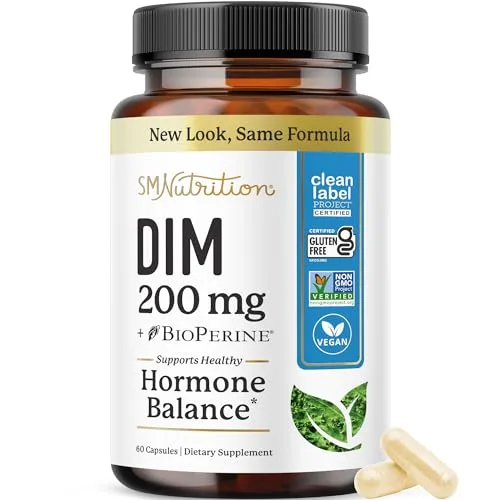
Sunergetic DIM 150mg Broccoli Calcium D-Glucarate Bioperine

Sunergetic DIM 150mg Broccoli Calcium D-Glucarate Bioperine

Sunergetic

7.9/10
Users seeking DIM with added broccoli extract, calcium D-glucarate, and Bioperine for enhanced estrogen metabolism and hormone balance support$0.28/serving

Detailed Ingredient Guides

Myo-Inositol
Insulin Sensitizer / Vitamin-Like Compound
Myo-inositol is one of the best-studied supplements for PCOS. At 4g daily (often combined with 400mcg folic acid), it improves insulin sensitivity, reduces androgens, and restores ovulation. Multiple RCTs and a 2017 international consensus support its use. It works by restoring deficient insulin-signaling pathways in PCOS.
Berberine
Plant Alkaloid
Berberine is a plant alkaloid that lowers blood sugar with efficacy comparable to metformin in several head-to-head trials. It activates AMPK, reduces HbA1c by 0.5-0.9%, and lowers LDL cholesterol and triglycerides. The standard dose is 500mg 2-3x daily with meals (1000-1500mg total).
Vitamin D3
Fat-Soluble Vitamin
Vitamin D3 is essential for bone health, immune function, and mood regulation. An estimated 42% of U.S. adults are deficient. Most adults benefit from 1,000-4,000 IU daily, and a 2017 meta-analysis found supplementation reduced the risk of acute respiratory infections by 12%.
Omega-3
Essential Fatty Acid
Omega-3 fatty acids (EPA + DHA) reduce inflammation, support heart and brain health, and may improve mood. The REDUCE-IT trial showed high-dose EPA (4g/day) reduced cardiovascular events by 25%. Most adults benefit from 1,000-2,000mg combined EPA+DHA daily.
DIM (Diindolylmethane)
Phytonutrient / Indole Compound
DIM is the active metabolite of cruciferous vegetables that shifts estrogen metabolism toward favorable pathways. Clinical studies show it improves the 2:16 hydroxyestrone ratio and supports liver detoxification enzymes. Standard dosing is 100-300mg bioavailable DIM daily.
Athletic Performance & Recovery
4 ingredients · $40–60/month
The evidence-based athletic performance stack is creatine monohydrate (5g/day maintenance), vitamin D3 (2000–4000 IU), omega-3 (2–3g EPA+DHA), and magnesium glycinate (300–400mg post-workout). Creatine is the most studied performance supplement in existence. The other three address the foundational deficiencies that silently cap performance and slow recovery in most athletes.
Cognitive Performance & Focus
4 ingredients · $55–80/month
The most evidence-backed cognitive stack uses lion's mane (500–1000mg extract), bacopa monnieri (300mg standardized to 55% bacosides), omega-3 (2g EPA+DHA daily), and L-theanine (100–200mg with caffeine). Lion's mane and bacopa build long-term neuroplasticity; omega-3 provides structural support; L-theanine+caffeine delivers clean acute focus.
Immune Resilience
4 ingredients · $30–50/month
The most evidence-backed immune resilience stack is vitamin D3 (2000–4000 IU daily), zinc picolinate (15–25mg daily), vitamin C (500–1000mg daily), and elderberry extract (600mg during illness). Vitamin D and zinc address the most prevalent immune-relevant deficiencies. Vitamin C has decades of evidence for reducing illness duration. Elderberry has RCT support specifically for shortening respiratory illness.
Longevity & Healthy Aging
4 ingredients · $60–90/month
The most evidence-backed longevity foundation stack includes CoQ10 as ubiquinol (200–400mg), omega-3 fatty acids (2–3g EPA+DHA), vitamin D3 with K2 (2000–4000 IU D3 + 100–200mcg MK-7), and magnesium glycinate (200–400mg). These address the four most documented aging mechanisms: mitochondrial decline, inflammation, calcium dysregulation, and deficiency-driven accelerated aging.

Related Conditions

Related Research

Learn More

Frequently Asked Questions

What is the best supplement for PCOS?

Myo-inositol at 4g daily is the most evidence-backed supplement for PCOS. A meta-analysis of 10 RCTs found it nearly quintupled ovulation rates (OR 4.94), significantly reduced testosterone, and improved insulin sensitivity [1]. It works as an insulin-sensitizing agent and is often combined with 400mcg folic acid in a 40:1 ratio with D-chiro-inositol for optimal results.

Evidence:Meta-analysis (2017) · 10 RCTs · high confidence[#1]. See full reference list below.

Is berberine as effective as metformin for PCOS?

Meta-analyses suggest berberine is comparable to metformin for key PCOS metabolic parameters. A 2020 meta-analysis found similar reductions in HOMA-IR (insulin resistance) and total testosterone. Berberine at 500mg three times daily activates AMPK, the same metabolic pathway targeted by metformin, and may have fewer GI side effects for some patients.

Does vitamin D help with PCOS?

Yes, especially since 67-85% of women with PCOS are vitamin D deficient. A 2017 meta-analysis of 9 RCTs found vitamin D supplementation (2,000-4,000 IU daily) significantly reduced insulin resistance (HOMA-IR) and total testosterone in PCOS patients. Vitamin D appears to improve insulin signaling and reduce androgen production in ovarian theca cells.

Can supplements replace PCOS medications?

Supplements should complement, not replace, medical treatment for PCOS without physician guidance. However, myo-inositol and berberine have shown comparable effects to metformin for insulin resistance in clinical trials. Many integrative practitioners use these supplements alongside lifestyle modifications (diet, exercise) as first-line interventions before pharmaceutical options.

Continue Reading

References

  1. Meta-analysisUnfer V, Facchinetti F, Orru B, et al. (2017). Myo-inositol effects in women with PCOS: a meta-analysis of randomized controlled trials. Endocrine Connections. DOI PubMed
  2. Meta-analysisLi MF, Zhou XM, Li XL (2018). The effect of berberine on polycystic ovary syndrome patients with insulin resistance (PCOS-IR): a meta-analysis and systematic review. Evidence-Based Complementary and Alternative Medicine. DOI PubMed