Supplement ScienceSupplementScience
Acne

Best Supplements for Acne

Prevalence: Up to 50 million Americans affected annually (85% of people aged 12-24)

·

This content is for informational purposes only and does not constitute medical advice. Statements about dietary supplements have not been evaluated by the FDA and are not intended to diagnose, treat, cure, or prevent any disease. Individual results may vary — consult your healthcare provider before starting any supplement. Full disclaimer

Zinc (30-45mg daily) has the strongest evidence for acne, with multiple RCTs showing significant lesion reduction.

Zinc (30-45mg daily) has the strongest evidence for acne, with multiple RCTs showing significant lesion reduction. Probiotics and omega-3 fatty acids also show meaningful anti-inflammatory benefits for acne-prone skin.

Get the free evidence-based Acne guide — delivered in 60 seconds.

No spam. Unsubscribe anytime.

Overview

Acne vulgaris is the most common skin condition worldwide, affecting up to 50 million Americans annually. It results from excess sebum production, clogged pores, bacterial overgrowth, and inflammation. Several supplements have shown promise in addressing these underlying mechanisms through anti-inflammatory, hormonal-balancing, and antimicrobial pathways.

Understanding Acne

Acne vulgaris is driven by four interrelated pathological processes: excess sebum production stimulated by androgens (particularly DHT) acting on sebaceous glands, abnormal follicular keratinization (hyperkeratosis) that blocks pores, colonization by Cutibacterium acnes (formerly Propionibacterium acnes) within the blocked follicle, and the resulting inflammatory cascade involving IL-1, TNF-alpha, and matrix metalloproteinases. Insulin and IGF-1 amplify acne through multiple mechanisms: they increase androgen production, stimulate sebaceous gland activity, and promote keratinocyte proliferation. This explains why high-glycemic diets consistently worsen acne — hyperinsulinemia directly drives every major acne pathway. The Western diet, rich in refined carbohydrates and dairy (which contains its own IGF-1 and hormonal compounds), is strongly associated with acne prevalence. Supplement approaches target hormonal modulation, anti-inflammatory effects, and specific nutrient deficiencies that impair skin healing and immune response. Topical treatments (retinoids, benzoyl peroxide, antibiotics) remain first-line, but systemic nutritional factors play an underappreciated role.

What the Research Shows

Zinc has the strongest supplement evidence for acne. A meta-analysis by Yee et al. (2020) pooled 10 studies and found that zinc supplementation significantly reduced inflammatory acne lesion counts compared to placebo. Dreno et al. (2001) compared oral zinc gluconate (30 mg elemental zinc daily) to the antibiotic minocycline (100 mg daily) in 332 patients with inflammatory acne and found zinc achieved 73% of the antibiotic effect — a clinically meaningful result without antibiotic resistance concerns. Zinc works through multiple mechanisms: anti-inflammatory effects, 5-alpha reductase inhibition (reducing DHT at the skin level), antimicrobial activity, and as a cofactor for wound healing. Omega-3 fatty acids address the inflammatory component. Khayef et al. (2012) found that omega-3 supplementation reduced inflammatory acne lesions in a 12-week trial. Rubin et al. (2008) reported that EPA supplementation significantly improved inflammatory and non-inflammatory acne. A 2020 systematic review by Balić et al. noted that omega-3 supplementation shows promising results for acne, though large RCTs are still needed. Probiotics have emerging evidence for the gut-skin axis in acne. Jung et al. (2013) randomized 45 acne patients to Lactobacillus acidophilus plus Bifidobacterium bifidum or placebo and found significant reduction in acne lesion count and sebum production after 12 weeks. Kim et al. (2010) found that a Lactobacillus-containing fermented milk improved acne in a 12-week trial. Vitamin A (as retinol) supports epidermal differentiation and has anti-keratinizing effects. While prescription retinoids (tretinoin, isotretinoin) are the gold standard, lower-dose dietary/supplemental vitamin A (10,000 IU daily) may provide modest support. Nicotinamide (vitamin B3) at 750 mg daily was found comparable to tetracycline (250 mg four times daily) for acne in a trial by Shalita et al. (1995), working through anti-inflammatory mechanisms.

What to Look For in Supplements

For zinc, choose picolinate or bisglycinate forms (superior absorption versus oxide or sulfate) at 30 mg elemental zinc daily. Take with food to reduce nausea. Do not exceed 40 mg daily long-term, and supplement with 2 mg copper for every 15 mg zinc to prevent copper depletion. For omega-3, choose fish oil providing at least 1 g EPA+DHA daily, with higher EPA content preferred for anti-inflammatory effects. For probiotics, select products containing Lactobacillus and Bifidobacterium strains at 10+ billion CFU. For nicotinamide, standard B3 (nicotinamide, NOT niacin/nicotinic acid, which causes flushing) at 750 mg daily. Third-party testing is important across all these supplements. A low-glycemic diet (reducing refined carbohydrates and dairy, particularly skim milk) may have larger acne effects than any supplement — Kwon et al. (2012) found that a low-glycemic diet reduced acne by 50% over 10 weeks.

What Doesn't Work (And Why)

Biotin (vitamin B7) is perhaps the most counterproductive supplement for acne — high-dose biotin (5–10 mg) has been repeatedly associated with acne breakouts in case reports and may worsen acne by competing with pantothenic acid (B5) for absorption in the gut. Many "hair, skin, nails" supplements contain high-dose biotin, which acne-prone individuals should avoid. "Detox" supplements and liver cleanses have no evidence for acne, as acne is not caused by "toxins" — it is caused by hormones, inflammation, and bacteria. Collagen supplements, despite being marketed for skin, have no evidence for acne improvement and high-glycine protein could theoretically worsen insulin-related acne pathways. Tea tree oil, while effective topically (at 5% concentration), has no evidence when taken orally. Saw palmetto, despite its 5-alpha reductase inhibition, has not been studied in acne specifically. "Clear skin" supplement blends containing sub-therapeutic doses of multiple ingredients are unlikely to replicate the effects of adequately dosed individual compounds.

Combination Protocol

For inflammatory acne support: zinc picolinate (30 mg elemental zinc daily with food, plus 2 mg copper), omega-3 fish oil (1–2 g EPA+DHA daily), and nicotinamide (750 mg daily). Add a multi-strain probiotic (10+ billion CFU daily) for gut-skin axis support. This combination targets zinc-dependent immune function, anti-inflammatory eicosanoid balance, and skin barrier integrity. Implement alongside a low-glycemic diet (the single most impactful dietary intervention for acne). Allow 8–12 weeks for noticeable improvement — acne supplements work gradually. These supplements are complementary to topical treatments (retinoids, benzoyl peroxide), not replacements. For severe or scarring acne, see a dermatologist. No existing stack page covers acne specifically, though /stacks/immune-resilience shares anti-inflammatory principles.

Top Evidence-Based Supplements for Acne

#SupplementTypical DoseEvidence
1Zinc30-45mg daily (as gluconate or picolinate)Strong
See top zinc picks →
2Omega-3 Fatty Acids2g EPA+DHA dailyModerate
See top omega-3 fatty acids picks →
3Probiotics10-20 billion CFU daily (Lactobacillus and Bifidobacterium strains)Moderate
See top probiotics picks →
4Vitamin A5,000-10,000 IU dailyModerate
See top vitamin a picks →
5DIM (Diindolylmethane)100-200mg dailyEmerging
See top dim (diindolylmethane) picks →

Top Product Picks

As an Amazon Associate, we earn from qualifying purchases. Some links below are affiliate links — this doesn't affect our editorial independence or product ratings. How we evaluate products

Sunergetic Elderberry Gummies Vitamin C Zinc

Sunergetic Elderberry Gummies Vitamin C Zinc

Sunergetic

8/10
Daily zinc + antioxidant support for inflammatory acne, particularly for users who prefer gummies to capsules$0.33/serving
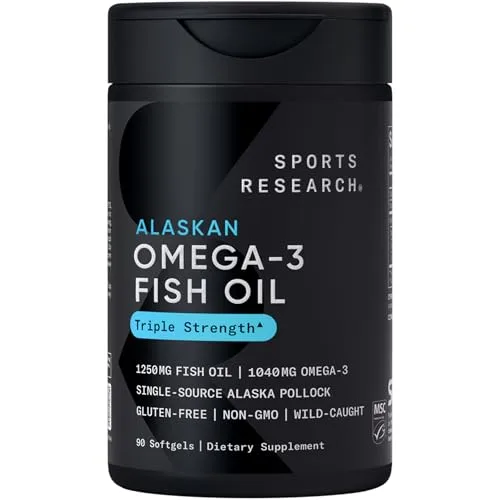
Sports Research Triple Strength Omega-3

Sports Research Triple Strength Omega-3

Sports Research

9.1/10
Heart health / EPA-predominant$0.31/serving
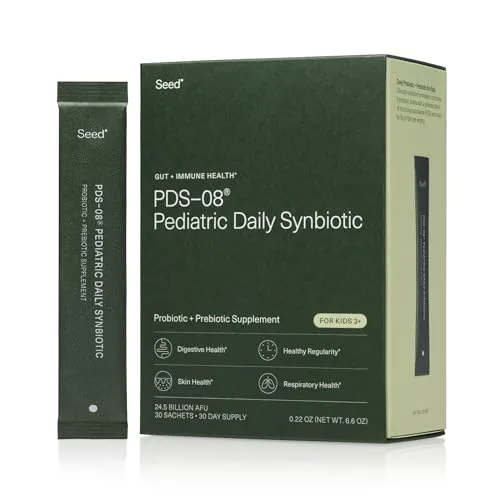
Seed PDS-08 Pediatric Daily Synbiotic

Seed PDS-08 Pediatric Daily Synbiotic

Seed

9/10
Comprehensive pediatric gut support with prebiotics and probiotics in one$1.33/serving
Nordic Naturals Vitamin A + D3

Nordic Naturals Vitamin A + D3

Nordic Naturals

8.9/10
Best vitamin A + D combination$0.14/serving
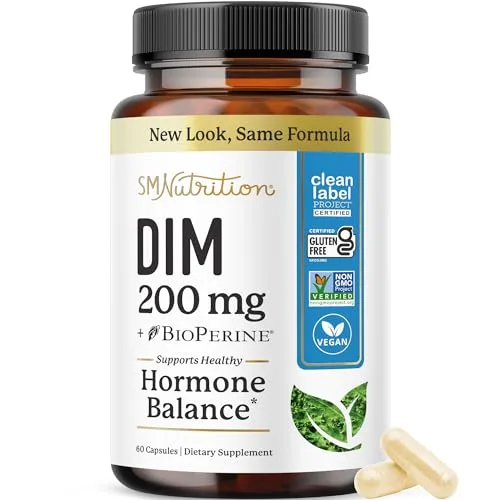
Sunergetic DIM 150mg Broccoli Calcium D-Glucarate Bioperine

Sunergetic DIM 150mg Broccoli Calcium D-Glucarate Bioperine

Sunergetic

7.9/10
Users seeking DIM with added broccoli extract, calcium D-glucarate, and Bioperine for enhanced estrogen metabolism and hormone balance support$0.28/serving

Detailed Ingredient Guides

Zinc
Mineral
Zinc is essential for immune cell development and function, required by over 300 enzymes. A Cochrane review found zinc lozenges reduced cold duration by 33% when started within 24 hours of symptom onset. Daily doses of 15-30mg elemental zinc maintain immune function; zinc lozenges (75mg+/day) are effective for acute colds.
Vitamin A
Fat-Soluble Vitamin
Vitamin A is essential for vision, immune function, and skin health. Preformed retinol (from animal sources) is the most bioavailable form, while beta-carotene from plants must be converted. Most adults need 700-900 mcg RAE daily. Deficiency impairs night vision and immune defense.
Omega-3
Essential Fatty Acid
Omega-3 fatty acids (EPA + DHA) reduce inflammation, support heart and brain health, and may improve mood. The REDUCE-IT trial showed high-dose EPA (4g/day) reduced cardiovascular events by 25%. Most adults benefit from 1,000-2,000mg combined EPA+DHA daily.
DIM (Diindolylmethane)
Phytonutrient / Indole Compound
DIM is the active metabolite of cruciferous vegetables that shifts estrogen metabolism toward favorable pathways. Clinical studies show it improves the 2:16 hydroxyestrone ratio and supports liver detoxification enzymes. Standard dosing is 100-300mg bioavailable DIM daily.
Probiotics
Live Microorganisms
Probiotics are live beneficial bacteria that support gut health, immunity, and mood through the gut-brain axis. A 2018 meta-analysis found significant IBS symptom reduction with multi-strain probiotics. Benefits are strain-specific — choose based on your health goal. Typical dose: 10-50 billion CFU daily. Look for third-party tested products with guaranteed potency through expiration.
Zinc
Mineral
Zinc is essential for skin cell turnover, wound healing, and immune defense in the skin. Supplementation at 30-50 mg daily has been shown to reduce inflammatory acne lesions by 33-50% in clinical trials, and zinc-deficient individuals experience dramatic skin improvements with repletion. It is one of the best-studied minerals for dermatological health.
Vitamin B3 (Niacin)
Water-Soluble Vitamin
Vitamin B3 exists as niacin, niacinamide, and nicotinamide riboside — all precursors to NAD+, essential for 400+ metabolic reactions. Niacin raises HDL cholesterol but causes flushing. Niacinamide supports skin health without flushing. NR is a newer NAD+ booster studied for aging.
Athletic Performance & Recovery
4 ingredients · $40–60/month
The evidence-based athletic performance stack is creatine monohydrate (5g/day maintenance), vitamin D3 (2000–4000 IU), omega-3 (2–3g EPA+DHA), and magnesium glycinate (300–400mg post-workout). Creatine is the most studied performance supplement in existence. The other three address the foundational deficiencies that silently cap performance and slow recovery in most athletes.
Cognitive Performance & Focus
4 ingredients · $55–80/month
The most evidence-backed cognitive stack uses lion's mane (500–1000mg extract), bacopa monnieri (300mg standardized to 55% bacosides), omega-3 (2g EPA+DHA daily), and L-theanine (100–200mg with caffeine). Lion's mane and bacopa build long-term neuroplasticity; omega-3 provides structural support; L-theanine+caffeine delivers clean acute focus.
Immune Resilience
4 ingredients · $30–50/month
The most evidence-backed immune resilience stack is vitamin D3 (2000–4000 IU daily), zinc picolinate (15–25mg daily), vitamin C (500–1000mg daily), and elderberry extract (600mg during illness). Vitamin D and zinc address the most prevalent immune-relevant deficiencies. Vitamin C has decades of evidence for reducing illness duration. Elderberry has RCT support specifically for shortening respiratory illness.
Longevity & Healthy Aging
4 ingredients · $60–90/month
The most evidence-backed longevity foundation stack includes CoQ10 as ubiquinol (200–400mg), omega-3 fatty acids (2–3g EPA+DHA), vitamin D3 with K2 (2000–4000 IU D3 + 100–200mcg MK-7), and magnesium glycinate (200–400mg). These address the four most documented aging mechanisms: mitochondrial decline, inflammation, calcium dysregulation, and deficiency-driven accelerated aging.

Related Conditions

Related Research

Learn More

Frequently Asked Questions

What is the best supplement for acne?

Zinc has the strongest clinical evidence for acne treatment among supplements. A meta-analysis of 10 RCTs found that zinc supplementation (30-45mg daily as gluconate or picolinate) reduced inflammatory acne lesions by approximately 49% [1]. Zinc works through anti-inflammatory and antimicrobial mechanisms. Omega-3 fatty acids and probiotics are also well-supported second-line options.

Evidence:Meta-analysis (2020) · high confidence[#1]. See full reference list below.

How long does it take for zinc to help acne?

Most clinical trials show measurable improvement within 8-12 weeks of consistent zinc supplementation at 30-45mg daily. Some patients notice reduced inflammation within 4-6 weeks. Zinc should be taken with food to avoid nausea, and copper (1-2mg) should be supplemented alongside doses above 30mg to prevent copper depletion.

Can probiotics help with acne?

Yes. The gut-skin axis is well-established, and oral probiotics (especially Lactobacillus and Bifidobacterium strains at 10-20 billion CFU) have shown acne-reducing effects in multiple controlled trials. A 2018 systematic review found probiotics reduced both inflammatory and total lesion counts, likely by reducing systemic inflammation and improving gut barrier function.

Does omega-3 reduce acne?

Omega-3 fatty acids, particularly EPA, have demonstrated anti-inflammatory effects relevant to acne. A 2014 RCT showed that 2g of EPA+DHA daily for 10 weeks significantly reduced both inflammatory and non-inflammatory acne lesions. Omega-3s work by reducing pro-inflammatory leukotriene B4 and prostaglandin E2 levels in skin tissue.

Continue Reading

References

  1. Meta-analysisYee BE, Richards P, Sui JY, Marsch AF (2020). Serum zinc levels and efficacy of zinc treatment in acne vulgaris: a systematic review and meta-analysis. Dermatologic Therapy. DOI PubMed
  2. RCTJung JY, Kwon HH, Hong JS, et al. (2014). Effect of dietary supplementation with omega-3 fatty acid and gamma-linolenic acid on acne vulgaris: a randomised, double-blind, controlled trial. Acta Dermato-Venereologica. DOI PubMed
  3. RCTFabbrocini G, Bertona M, Picazo O, et al. (2016). Supplementation with Lactobacillus rhamnosus SP1 normalises skin expression of genes implicated in insulin signalling and improves adult acne. Beneficial Microbes. DOI PubMed
  4. Bowe WP, Logan AC (2011). Acne vulgaris, probiotics and the gut-brain-skin axis — back to the future?. Gut Pathogens. DOI PubMed