Supplement ScienceSupplementScience
Skin Health

Best Supplements for Skin Health

Prevalence: 85 million Americans see a dermatologist annually (AAD)

·

This content is for informational purposes only and does not constitute medical advice. Statements about dietary supplements have not been evaluated by the FDA and are not intended to diagnose, treat, cure, or prevent any disease. Individual results may vary — consult your healthcare provider before starting any supplement. Full disclaimer

Collagen peptides (2.5-10g/day) significantly improve skin elasticity and hydration within 8 weeks.

Collagen peptides (2.5-10g/day) significantly improve skin elasticity and hydration within 8 weeks. Vitamin C (500-1000mg/day) is essential for collagen synthesis and photoprotection. Hyaluronic acid (120-240mg/day) improves skin moisture in clinical trials. All three are supported by randomized controlled studies.

Get the free evidence-based Skin Health guide — delivered in 60 seconds.

No spam. Unsubscribe anytime.

Overview

Skin is the body's largest organ, and its health reflects both internal nutrition and external care. Approximately 85 million Americans visit a dermatologist each year for concerns ranging from aging to acne. Clinical research has identified several oral supplements that improve skin hydration, elasticity, and appearance from within.

Understanding Skin Health

Skin is the body's largest organ and a direct reflection of nutritional status, systemic inflammation, and collagen metabolism. The dermis consists primarily of collagen (80% type I), elastin, and hyaluronic acid — all of which decline with age. UV exposure accelerates this through reactive oxygen species (ROS) generation, which fragments collagen fibers and suppresses new collagen synthesis. The most supplement-responsive aspects of skin health are collagen production (supported by vitamin C, collagen peptides), UV damage protection (antioxidants like astaxanthin and vitamin E), hydration (hyaluronic acid, ceramides, omega-3), and inflammatory skin conditions (zinc, omega-3, probiotics). Topical treatments address the surface; oral supplements address the structural foundation.

What the Research Shows

Collagen peptides are the most studied oral skin supplement. A 2019 meta-analysis by de Miranda et al. pooling 11 RCTs found that oral collagen peptide supplementation (2.5-10g daily) significantly improved skin hydration, elasticity, and wrinkle depth over 8-12 weeks. The mechanism involves stimulating fibroblasts to produce new collagen — ingested collagen peptides (particularly dipeptides Pro-Hyp and Hyp-Gly) accumulate in the dermis and signal fibroblasts to increase type I and III collagen synthesis. Vitamin C is essential for collagen synthesis — it is a required cofactor for prolyl and lysyl hydroxylase, the enzymes that stabilize collagen's triple helix structure. Without adequate vitamin C, collagen production is impaired at the molecular level. Astaxanthin at 4-12mg daily showed significant improvements in skin wrinkle depth, elasticity, and moisture in multiple RCTs (Tominaga et al., 2012), working as a potent antioxidant that quenches singlet oxygen 6,000x more effectively than vitamin C. Omega-3 supplementation at 2g+ daily reduces UV-induced inflammation and improves skin barrier function through anti-inflammatory eicosanoid production.

What to Look For in Supplements

For collagen, hydrolyzed collagen peptides (types I and III) at 5-10g daily — Verisol is the most clinically studied brand for skin specifically. For vitamin C, 500-1,000mg daily (ascorbic acid or sodium ascorbate). For astaxanthin, 4-12mg daily from Haematococcus pluvialis algae. For omega-3, 2g+ EPA+DHA daily. Take collagen on an empty stomach or with vitamin C to enhance absorption and hydroxylation.

What Doesn't Work (And Why)

Hyaluronic acid supplements have limited oral evidence — most positive results are from very high molecular weight formulations in small studies. Biotin for skin (without deficiency) has no meaningful evidence. Collagen creams cannot penetrate the epidermis in intact form — oral supplementation is more effective for deep dermal collagen than topical. 'Beauty blend' proprietary supplements typically underdose every ingredient. Silica supplements have preliminary evidence only.

Combination Protocol

The skin health stack combines hydrolyzed collagen peptides (5-10g daily, preferably morning on empty stomach), vitamin C (500-1,000mg daily to support collagen hydroxylation), astaxanthin (4-12mg daily with a fat-containing meal for UV protection), and omega-3 EPA+DHA (2g daily for anti-inflammatory barrier support). Visible skin improvements take 8-12 weeks — collagen synthesis is a slow process that requires consistent supplementation. This stack addresses skin from the structural level (collagen), the protective level (astaxanthin, omega-3), and the enzymatic level (vitamin C).

Top Evidence-Based Supplements for Skin Health

#SupplementTypical DoseEvidence
1Collagen Peptides2.5-10g dailyStrong
See top collagen peptides picks →
2Vitamin C500-1000mg dailyStrong
See top vitamin c picks →
3Hyaluronic Acid120-240mg dailyModerate
See top hyaluronic acid picks →

Top Product Picks

As an Amazon Associate, we earn from qualifying purchases. Some links below are affiliate links — this doesn't affect our editorial independence or product ratings. How we evaluate products

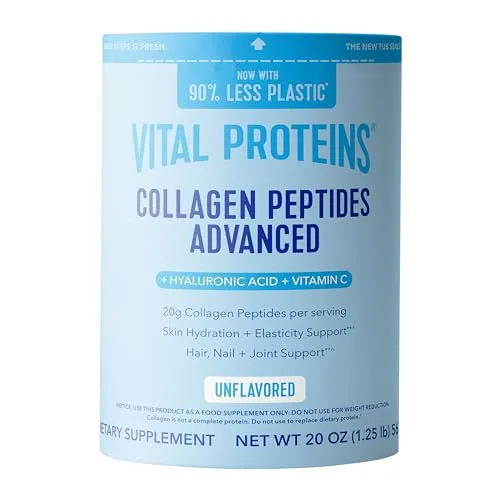
Vital Proteins Collagen Peptides

Vital Proteins Collagen Peptides

vital proteins

9.2/10
Overall best collagen peptides$1.54/serving
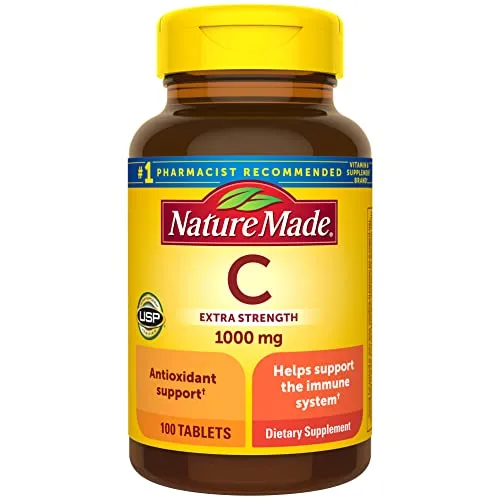
Nature Made Vitamin C 1000mg

Nature Made Vitamin C 1000mg

Nature Made

9/10
Overall best for most people$0.10/serving
NOW Foods Hyaluronic Acid 100mg

NOW Foods Hyaluronic Acid 100mg

NOW Foods

8.9/10
Daily HA for skin hydration and joint support$0.38/serving

Detailed Ingredient Guides

Collagen Peptides
Amino Acid
Collagen peptides provide the amino acids (glycine, proline, hydroxyproline) needed for skin, joint, and connective tissue repair. At 5-15 g/day, clinical trials show reduced wrinkles, improved joint pain, and enhanced tendon recovery. Type I and III support skin; Type II targets joints.
Vitamin C
Vitamin
Vitamin C is essential for immune cell function, accumulating at high concentrations in neutrophils and lymphocytes. Meta-analyses show regular supplementation reduces cold duration by 8% in adults and 14% in children. Doses of 200mg-1g daily maintain optimal immune function; higher doses (1-2g) may help during acute illness.
Hyaluronic Acid
Glycosaminoglycan
Oral hyaluronic acid at 80-200mg daily reduces knee osteoarthritis pain and improves joint function, supported by multiple RCTs. It works by supplementing synovial fluid viscosity and may stimulate endogenous HA production. Benefits appear within 2-3 months of daily use.
Astaxanthin
Carotenoid
Astaxanthin is one of the most potent natural antioxidants, offering powerful internal photoprotection for the skin. Clinical trials show that 4-12 mg daily reduces UV-induced skin damage, improves elasticity, and diminishes wrinkles and age spots within 4-16 weeks, making it a compelling oral sunscreen adjunct.
Astaxanthin
Carotenoid / Antioxidant
Astaxanthin is a carotenoid antioxidant 6,000x more potent than vitamin C in laboratory assays. Clinical trials show it reduces oxidative stress biomarkers, supports skin health (reduced wrinkles in UV-exposed skin), and improves exercise recovery. Standard dose is 4-12mg daily.
Biotin
B-Vitamin
Biotin is a B-vitamin essential for keratin production in hair, skin, and nails. Evidence for cosmetic benefits is strongest in people with biotin deficiency or brittle nail syndrome. A 2017 review found that all published cases of biotin improving hair or nails involved an underlying deficiency or pathology. The typical supplement dose is 2.5-5 mg daily.
Vitamin B7 (Biotin)
Water-Soluble Vitamin
Biotin is essential for fat and carbohydrate metabolism. While widely promoted for hair and nails, evidence in non-deficient individuals is limited. Deficiency is rare. FDA warns that biotin supplements can interfere with lab tests including troponin and thyroid panels.
Ceramides (Phytoceramides)
Ceramide
Phytoceramides are plant-derived skin lipids that restore the skin barrier from within. Clinical trials show that 350 mg/day of wheat-derived phytoceramides significantly improves skin hydration and reduces transepidermal water loss within 4-8 weeks. They are FDA GRAS-approved and well-tolerated.
Collagen Peptides
Protein
Collagen peptides are well-absorbed protein fragments that stimulate your skin to produce more collagen. A 2019 meta-analysis of 11 RCTs found that oral collagen supplementation significantly improved skin hydration, elasticity, and wrinkle depth compared to placebo, with benefits typically appearing after 4-8 weeks at doses of 2.5-10 g daily.
Evening Primrose Oil
Essential Fatty Acid
Evening primrose oil provides gamma-linolenic acid (GLA), an anti-inflammatory omega-6 fatty acid that supports skin barrier function. Research shows mixed but promising results for eczema and dry skin at doses of 2-6 g daily (providing 160-480 mg GLA). Benefits are most notable in individuals with confirmed GLA deficiency or atopic skin conditions.
Glycine
Amino Acid
Glycine at 3-5 g/day supports sleep quality, collagen synthesis, and glutathione production. A 2006 study showed 3 g before bed significantly improved subjective sleep quality and reduced next-day fatigue. Glycine is also essential for glutathione and creatine synthesis, making it a foundational amino acid.
Gotu Kola
Adaptogenic Herb
Gotu kola is an Ayurvedic brain tonic and wound-healing herb with evidence for anxiety reduction, cognitive enhancement, and skin/wound repair. Standard dose is 500-1000mg standardized extract daily (or 1-2g dried herb).
Hyaluronic Acid
Glycosaminoglycan
Oral hyaluronic acid supplementation at 120-240 mg daily has been shown in multiple RCTs to significantly increase skin moisture content and reduce wrinkle depth. A 2017 meta-analysis found that HA intake improved skin hydration in all included studies, with benefits appearing after 4-6 weeks of consistent use.
Silica
Trace Mineral
Silica supports collagen production, bone density, and hair/nail strength. Choline-stabilized orthosilicic acid (ch-OSA, sold as BioSil) is the best-studied form at 6-10mg daily. A 2005 RCT showed it improved skin elasticity and hair/nail brittleness after 20 weeks.
Vitamin A
Fat-Soluble Vitamin
Vitamin A is essential for vision, immune function, and skin health. Preformed retinol (from animal sources) is the most bioavailable form, while beta-carotene from plants must be converted. Most adults need 700-900 mcg RAE daily. Deficiency impairs night vision and immune defense.
Vitamin B3 (Niacin)
Water-Soluble Vitamin
Vitamin B3 exists as niacin, niacinamide, and nicotinamide riboside — all precursors to NAD+, essential for 400+ metabolic reactions. Niacin raises HDL cholesterol but causes flushing. Niacinamide supports skin health without flushing. NR is a newer NAD+ booster studied for aging.
Vitamin B5 (Pantothenic Acid)
Water-Soluble Vitamin
Vitamin B5 is essential for CoA synthesis, energy metabolism, and hormone production. Found in virtually all foods, deficiency is rare. Pantethine (600-900 mg) may modestly lower cholesterol, and topical panthenol supports wound healing and skin hydration.
Vitamin C
Vitamin
Vitamin C is essential for collagen synthesis and serves as a primary antioxidant in the skin. Oral supplementation at 500-1,000 mg daily, combined with topical application, has been shown to reduce photoaging, improve skin texture, and support wound healing. A meta-analysis confirmed that higher vitamin C intake is associated with better skin appearance.
Vitamin E
Vitamin
Vitamin E is the skin's primary fat-soluble antioxidant, protecting cell membranes from UV-induced oxidative damage. Supplementation at 400 IU daily, particularly combined with vitamin C, has been shown to reduce sunburn severity and support skin barrier function. Evidence is strongest for photoprotection and antioxidant support.
Vitamin E
Fat-Soluble Vitamin
Vitamin E is a fat-soluble antioxidant that protects cell membranes from oxidative damage. While essential for immunity and skin health, high-dose supplements (≥400 IU/day) may increase mortality risk. Most adults should get 15 mg (22 IU) daily, preferably from food sources.
Zinc
Mineral
Zinc is essential for skin cell turnover, wound healing, and immune defense in the skin. Supplementation at 30-50 mg daily has been shown to reduce inflammatory acne lesions by 33-50% in clinical trials, and zinc-deficient individuals experience dramatic skin improvements with repletion. It is one of the best-studied minerals for dermatological health.
Sea Moss
Sea Vegetable
Sea moss is a mineral-rich red algae containing iodine, potassium, and bioactive polysaccharides. It supports thyroid function through iodine content and shows prebiotic potential, but most health claims lack human clinical trial evidence.
Bee Pollen
Bee Product
Bee pollen is a nutrient-dense bee product rich in proteins, flavonoids, and antioxidants. Emerging evidence supports anti-inflammatory and immune-modulating properties, though most research is preclinical. Standard dose is 3-5 teaspoons of granules daily.
Royal Jelly
Bee Product
Royal jelly is a bee-produced substance uniquely rich in 10-HDA, a fatty acid with hormonal, anti-inflammatory, and immune-modulating properties. Emerging clinical evidence supports benefits for menopause symptoms, fertility, and skin health.
Flaxseed Oil
Plant Oil
Flaxseed oil provides 7.3g ALA omega-3 per tablespoon, the richest plant source. At 1-2 tablespoons daily, it modestly reduces blood pressure, improves cholesterol ratios, supports skin hydration, and lowers inflammatory markers — though conversion to EPA/DHA is limited to 5-10%.
Hemp Seed Oil
Plant Oil
Hemp seed oil provides an optimal 3:1 omega-6 to omega-3 ratio with anti-inflammatory gamma-linolenic acid (GLA). At 1-2 tablespoons daily, it supports skin health, reduces eczema symptoms, lowers inflammatory markers, and provides cardiovascular benefits — all without THC or CBD.
Coconut Oil
Plant Oil
Coconut oil provides medium-chain triglycerides (MCTs) that convert rapidly to ketones for brain fuel, plus lauric acid with antimicrobial properties. At 1-2 tablespoons daily, it may support cognitive function and energy, though its effect on LDL cholesterol remains controversial.

Related Conditions

Related Research

Learn More

Frequently Asked Questions

Do collagen supplements actually work for skin?

Yes. A systematic review of 11 randomized controlled trials found that oral collagen peptide supplementation (2.5-10g/day) significantly improved skin hydration, elasticity, and wrinkle reduction compared to placebo. Effects are typically noticeable within 4-8 weeks. Hydrolyzed collagen peptides (types I and III) are best absorbed. [1]

Evidence:RCT (2014) · n=69 · high confidence[#1]. See full reference list below.

Does vitamin C improve skin health?

Vitamin C is critical for skin health because it is required for collagen synthesis and acts as a potent antioxidant against UV-induced free radical damage. Oral supplementation (500-1000mg/day) supports skin repair and brightness. It works synergistically with collagen peptides — taking both together can enhance collagen production more than either alone.

Can oral hyaluronic acid help with skin hydration?

Yes. Oral hyaluronic acid supplements (120-240mg/day) have been shown to increase skin moisture content in randomized controlled trials. A 12-week study found significant improvements in skin hydration and wrinkle depth. While hyaluronic acid is a large molecule, research suggests oral supplementation increases HA levels in the dermis through gut absorption and systemic distribution.

What supplements help with wrinkles and aging skin?

The best evidence-based supplements for anti-aging skin support are collagen peptides (2.5-10g/day), vitamin C (500-1000mg/day), and hyaluronic acid (120-240mg/day). Collagen peptides directly provide the building blocks for skin structure, vitamin C protects against oxidative damage and supports collagen synthesis, and hyaluronic acid improves deep hydration. For best results, combine with sun protection and a balanced diet.

Continue Reading

References

  1. RCTProksch E, Segger D, Degwert J, et al. (2014). Oral supplementation of specific collagen peptides has beneficial effects on human skin physiology: a double-blind, placebo-controlled study. Skin Pharmacology and Physiology. DOI PubMed
  2. RCTOe M, Sakai S, Yoshida H, et al. (2017). Oral hyaluronan relieves wrinkles: a double-blinded, placebo-controlled study over a 12-week period. Clinical, Cosmetic and Investigational Dermatology. DOI PubMed