SupplementScience

Coconut Oil — Research Profile

Plant Oil

Reviewed by·PharmD, BCPS

This content is for informational purposes only and does not constitute medical advice. Consult your healthcare provider before starting any supplement. Full disclaimer

Coconut oil provides medium-chain triglycerides (MCTs) that convert rapidly to ketones for brain fuel, plus lauric acid...

Coconut oil provides medium-chain triglycerides (MCTs) that convert rapidly to ketones for brain fuel, plus lauric acid with antimicrobial properties. At 1-2 tablespoons daily, it may support cognitive function and energy, though its effect on LDL cholesterol remains controversial.

Key Facts

What it is
A plant oil from coconut meat (Cocos nucifera) rich in medium-chain triglycerides (MCTs), primarily lauric acid (C12), with rapid ketone-producing and antimicrobial properties
Primary benefits
  • Rapid ketone production — MCTs bypass normal fat digestion for fast brain fuel
  • Antimicrobial lauric acid disrupts bacterial, viral, and fungal membranes
  • Increases HDL cholesterol more than most dietary fats
  • Supports thermogenesis and energy expenditure vs. long-chain fats
  • Virgin coconut oil retains polyphenols with antioxidant activity
Typical dosage
1-2 tablespoons (14-28g) daily
Evidence level
Emerging
Safety profile
Safe with Caution

Time to Effect

Hours
Days
Weeks
Months
1-8 weekstypical onset

Ketone production begins within 1-3 hours of MCT ingestion — cognitive effects can be acute. Energy expenditure increases are immediate. Lipid profile changes (HDL and LDL) typically manifest within 4-8 weeks. Skin benefits with topical use may appear within 1-2 weeks. Antimicrobial effects are dose-dependent and ongoing.

What the Research Says

Coconut oil research is polarized between metabolic benefits from MCTs and cardiovascular concerns from saturated fat. Reger et al. (2004) demonstrated that MCT administration acutely improved cognitive performance in memory-impaired patients, with effects correlating to plasma ketone levels — the primary mechanism underlying coconut oil's brain health claims. St-Onge & Jones (2002) showed MCTs increase energy expenditure and fat oxidation compared to long-chain fats, supporting thermogenic benefits. Cardoso et al. (2015) meta-analyzed coconut oil's lipid effects, confirming it significantly raises both HDL and LDL cholesterol compared to other cooking oils. The AHA's 2017 Presidential Advisory recommended against coconut oil due to LDL increases, while critics note the HDL increase may improve the total cholesterol-to-HDL ratio. Lauric acid's antimicrobial properties are well-documented in vitro, though clinical translation to infection prevention is limited. The key distinction is that coconut oil contains roughly 50% lauric acid (C12), which some researchers classify as a long-chain rather than medium-chain fatty acid due to its mixed metabolic behavior. Pure MCT oil (C8+C10) produces ketones more efficiently. For supplementation, the evidence supports cognitive and energy benefits from MCT content, but cardiovascular effects remain genuinely controversial.

Benefits of Coconut Oil

  • Ketone production for cognitive support — MCTs in coconut oil are rapidly converted to beta-hydroxybutyrate (BHB) ketones in the liver, providing an alternative brain fuel that bypasses impaired glucose metabolism; Reger et al. (2004) showed acute MCT administration improved cognitive performance in patients with memory disorders, with effects correlating to plasma BHB levels
  • Antimicrobial activity — Lauric acid (comprising ~50% of coconut oil) and its monoglyceride monolaurin disrupt microbial lipid membranes; Lieberman et al. (2006) reviewed evidence showing activity against Staphylococcus aureus, Helicobacter pylori, Candida species, and several enveloped viruses including HIV and measles
  • HDL cholesterol elevation — Cardoso et al. (2015) conducted a meta-analysis showing virgin coconut oil significantly increased HDL cholesterol compared to other cooking oils, with a larger HDL increase than most plant oils; this partially offsets the LDL increase
  • Energy expenditure and thermogenesis — St-Onge & Jones (2002) demonstrated that MCTs from coconut oil increase energy expenditure and fat oxidation compared to long-chain triglycerides, attributed to their preferential hepatic oxidation rather than adipose storage
  • Skin and wound healing — Nevin & Rajamohan (2010) showed virgin coconut oil accelerated wound healing in animal models through increased collagen cross-linking, fibroblast proliferation, and antioxidant enzyme activity, supporting its traditional use as a skin moisturizer
Did you know?

Coconut oil research is polarized between metabolic benefits from MCTs and cardiovascular concerns from saturated fat.

Forms of Coconut Oil

Coconut Oil supplement forms compared by bioavailability and best use
FormBioavailabilityBest For
Virgin Coconut Oil (Cold-Pressed)HighMaximum polyphenol and antioxidant retention — retains coconut aroma and flavor; best for supplemental use and low-heat cooking (smoke point ~350°F)
Refined Coconut OilHighHigher heat cooking (smoke point ~400°F) — neutral flavor; retains MCT content but loses some polyphenols during refining process
MCT Oil (Coconut-Derived)Very HighConcentrated MCT delivery — fractionated to remove lauric acid, leaving caprylic (C8) and capric (C10) acids for maximum ketone production; liquid at room temperature

Dosage Recommendations

General recommendation: 1-2 tablespoons (14-28g) daily; start with 1 teaspoon and increase gradually to minimize GI side effects

Timing: With meals or in coffee/smoothies; morning dosing may maximize ketone-driven energy benefits; introduce gradually (start 1 tsp) to avoid GI distress • Take with food for best absorption.

Dosage by Condition

Cognitive support / brain fuel
1-2 tablespoons daily (or 1 tablespoon MCT oil for higher ketone yield)Emerging
Energy and thermogenesis
1-2 tablespoons daily replacing other dietary fatsEmerging
Skin moisturization (topical)
Apply thin layer to skin as neededEmerging
Antimicrobial support
1-2 tablespoons daily (providing ~7-14g lauric acid)Preliminary
Weight management
1-2 tablespoons daily replacing equivalent calories from other fatsEmerging

Upper limit: 3 tablespoons/day (42g); higher doses significantly increase saturated fat intake and LDL cholesterol; coconut oil should replace — not add to — existing dietary fat

Our Top Coconut Oil Picks

As an Amazon Associate, we earn from qualifying purchases. Some links below are affiliate links — this doesn't affect our editorial independence or product ratings. How we evaluate products

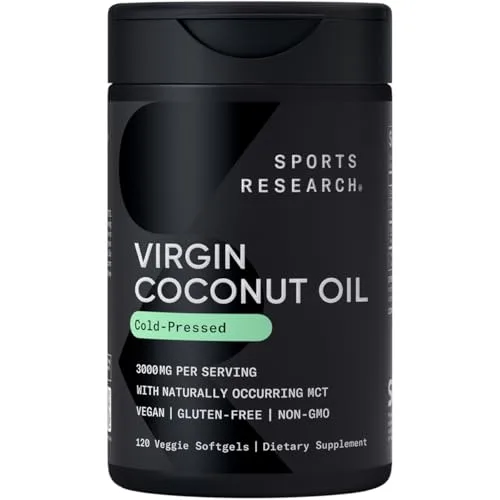
Sports Research Organic Coconut Oil Capsules 3000mg
Sports Research
OverallForm: Vegan SoftgelPrice: $0.50/serving
Buy Now on Amazon
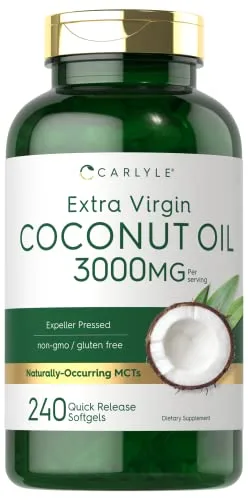
Carlyle Coconut Oil Extra Virgin Softgels 3000mg 240ct
Carlyle
BudgetForm: SoftgelPrice: $0.19/serving
Buy Now on Amazon
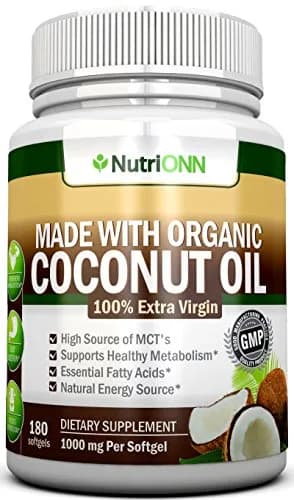
NutriONN Organic Coconut Oil Capsules 180ct
NutriONN
Highest DoseForm: SoftgelPrice: $0.40/serving
Buy Now on Amazon
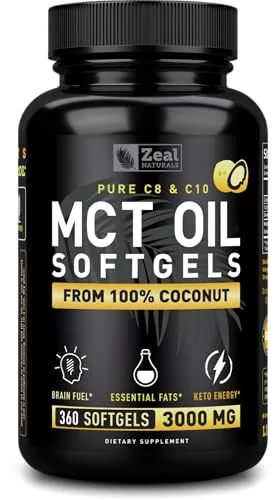
Zeal Naturals Pure MCT Oil Capsules 3000mg
Zeal Naturals
MCT-FocusedForm: SoftgelPrice: $0.21/serving
Buy Now on Amazon
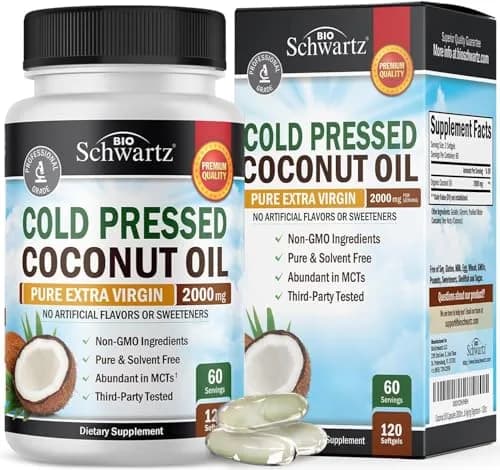
BioSchwartz Coconut Oil Softgels 2000mg
BioSchwartz
Best 2-Cap ServingForm: SoftgelPrice: $0.25/serving
Buy Now on Amazon

Medication Interactions & Contraindications

Drug Interactions

Atorvastatin / Rosuvastatin
moderate
Statin
Coconut oil reliably raises LDL cholesterol, potentially counteracting the LDL-lowering effect of statins. If you take a statin for high cholesterol, discuss coconut oil supplementation with your cardiologist. Lipid panels should be monitored more frequently.
Metformin / Insulin
minor
Antidiabetic
MCTs in coconut oil may affect blood glucose and insulin sensitivity. While some evidence suggests MCTs improve insulin sensitivity, monitor blood sugar when initiating coconut oil supplementation alongside antidiabetic medications.
Ezetimibe
minor
Cholesterol Absorption Inhibitor
Coconut oil's saturated fat content may partially offset the cholesterol-lowering effects of ezetimibe. Monitor lipid panels and discuss dietary fat choices with your physician.
Anticonvulsants (Ketogenic Diet Protocol)
minor
Anticonvulsant
Adding coconut oil to a medically supervised ketogenic diet for epilepsy may alter ketone levels and require medication dose adjustments. Only modify fat sources under medical supervision.

Who Should NOT Take This

Coconut allergy(absolute)
While rare, coconut allergy exists and is classified separately from tree nut allergies by the FDA. Individuals with confirmed coconut allergy must avoid coconut oil entirely. Cross-reactivity with other palm-family fruits is possible.
Familial hypercholesterolemia or severe dyslipidemia(relative)
Coconut oil's 82% saturated fat content reliably raises LDL cholesterol. Individuals with familial hypercholesterolemia or severe LDL elevation should avoid or strictly limit coconut oil intake and consult their cardiologist.
History of pancreatitis(relative)
High-fat supplements including coconut oil may trigger pancreatitis episodes in susceptible individuals. Use only under medical supervision and start with very small amounts.

This information is for educational purposes only. Always consult your healthcare provider before starting or stopping any supplement, especially if you take prescription medications.

Side Effects and Safety

Safety profile: Safe with Caution

Potential Side Effects

  • GI distress (nausea, diarrhea, cramping) — common when starting, especially at full doses; start with 1 teaspoon and increase gradually over 1-2 weeks
  • LDL cholesterol increase — coconut oil reliably raises LDL by approximately 10-15% in most studies; monitor lipid panels if consuming regularly
  • Weight gain if added to (rather than replacing) existing dietary fat — coconut oil is 120 calories per tablespoon
  • Acne exacerbation — coconut oil is comedogenic (pore-clogging) when applied to facial skin; use on body skin only
  • Allergic reactions — rare coconut allergy exists; distinct from tree nut allergy but possible

Drug & Supplement Interactions

  • Cholesterol-lowering medications (statins) — coconut oil raises LDL, potentially counteracting statin effects; discuss with physician
  • Antidiabetic medications — MCTs can affect blood glucose and insulin sensitivity; monitor blood sugar when combining
  • MCT oil supplements — additive MCT load may cause excessive GI distress; moderate total MCT intake
  • Ketogenic diet medications — coconut oil's ketogenic effects may alter medication requirements for epilepsy patients on controlled ketogenic protocols
Check Coconut Oil interactions with other supplements →
BenefitsDosage GuideSide EffectsTypes & FormsResearchFAQ

Related Conditions

Related Supplements

Frequently Asked Questions

Is coconut oil healthy or unhealthy?

Both claims have merit — the answer depends on context. Coconut oil's MCTs provide rapid energy, produce brain-fueling ketones, and lauric acid has antimicrobial properties. It also significantly raises HDL (good) cholesterol. However, it reliably raises LDL (bad) cholesterol too, which concerns cardiologists. The American Heart Association advises limiting coconut oil due to its 82% saturated fat content. For most people, moderate amounts (1 tablespoon daily) as part of a varied diet are reasonable, but it should not be your primary cooking fat if you have cardiovascular risk factors.

Does coconut oil help with brain fog and cognitive function?

Possibly, through ketone production. MCTs in coconut oil are rapidly converted to ketones in the liver, providing an alternative fuel source when brain glucose metabolism is impaired. Reger et al. (2004) showed that acute MCT administration improved cognitive performance in patients with memory disorders. However, coconut oil's lauric acid produces ketones less efficiently than concentrated MCT oil (caprylic/capric acid). If cognitive support is your primary goal, pure MCT oil may be more effective.

What is the difference between coconut oil and MCT oil?

Coconut oil is the whole extracted oil containing all fatty acids, with roughly 50% lauric acid (C12), 7% caprylic acid (C8), and 6% capric acid (C10). MCT oil is fractionated coconut oil that removes lauric acid, concentrating the C8 and C10 medium-chain fatty acids that produce ketones most efficiently. MCT oil is liquid at room temperature, has no coconut flavor, and generates higher ketone levels per gram. Coconut oil retains lauric acid's antimicrobial benefits and polyphenol antioxidants that MCT oil lacks.

Does coconut oil raise cholesterol?

Yes — it raises both LDL and HDL cholesterol. Meta-analyses show coconut oil increases LDL by approximately 10-15% and HDL by 10-15% compared to other plant oils. Whether the net effect is harmful depends on individual cardiovascular risk. The total cholesterol-to-HDL ratio (a better predictor of heart disease than LDL alone) may remain stable or even improve. If you have high LDL or cardiovascular disease, monitor lipid panels and discuss coconut oil intake with your cardiologist.

Can I use coconut oil on my skin?

Yes, but not on your face. Coconut oil is an effective body moisturizer — it improves skin hydration, supports wound healing, and has antimicrobial properties. However, it is comedogenic (rating 4 out of 5), meaning it clogs pores and can worsen acne when applied to the face. Use it on body skin, elbows, feet, and as a hair conditioner. For facial moisturizing, choose non-comedogenic oils like hemp seed oil, jojoba oil, or squalane.

How much coconut oil should I take daily?

Start with 1 teaspoon and gradually increase to 1-2 tablespoons (14-28g) daily over 1-2 weeks. This gradual approach prevents the GI distress (nausea, diarrhea) that commonly occurs when starting MCTs at full dose. Crucially, coconut oil should replace other dietary fats, not add to them — at 120 calories per tablespoon, simply adding it increases total caloric intake. Maximum recommended supplemental dose is 3 tablespoons daily.

Is coconut oil good for weight loss?

The evidence is mixed. MCTs in coconut oil increase energy expenditure and fat oxidation compared to long-chain fats, and may promote slightly greater satiety. However, coconut oil is still calorie-dense (120 cal/tbsp) and must replace — not supplement — other dietary fats to avoid weight gain. Studies showing weight loss benefits used pure MCT oil rather than whole coconut oil. For weight management, coconut oil is a marginally better fat choice than butter or palm oil, but it is not a weight loss supplement on its own.

What does the American Heart Association say about coconut oil?

The AHA's 2017 Presidential Advisory recommended against coconut oil, citing its ability to raise LDL cholesterol. They classified it alongside butter and palm oil as a saturated fat to limit. Critics of this position note the AHA analysis focused on LDL in isolation without considering HDL increases or the LDL particle size shift (toward less atherogenic large-buoyant particles). The debate is ongoing, but if you have established cardiovascular disease or familial hypercholesterolemia, the AHA's caution is worth heeding.

Continue Reading

References

  1. Reger MA, Henderson ST, Hale C, Cholerton B, Baker LD, Watson GS, Hyde K, Chapman D, Craft S (2004). Effects of beta-hydroxybutyrate on cognition in memory-impaired adults. Neurobiology of Aging. DOI PubMed
  2. Cardoso DA, Moreira AS, de Oliveira GM, Raggio Luiz R, Rosa G (2015). A coconut extra virgin oil-rich diet increases HDL cholesterol and decreases waist circumference and body mass in coronary artery disease patients. Nutricion Hospitalaria. DOI PubMed
  3. St-Onge MP, Jones PJ (2002). Physiological effects of medium-chain triglycerides: potential agents in the prevention of obesity. The Journal of Nutrition. DOI PubMed
  4. Lieberman S, Enig MG, Preuss HG (2006). A review of monolaurin and lauric acid: natural virucidal and bactericidal agents. Alternative and Complementary Therapies.
  5. Nevin KG, Rajamohan T (2010). Effect of topical application of virgin coconut oil on skin components and antioxidant status during dermal wound healing in young rats. Skin Pharmacology and Physiology. DOI PubMed
  6. Sacks FM, Lichtenstein AH, Wu JHY, Appel LJ, Creager MA, Kris-Etherton PM, Miller M, Rimm EB, Rudel LL, Robinson JG, Stone NJ, Van Horn LV (2017). Dietary fats and cardiovascular disease: a presidential advisory from the American Heart Association. Circulation. DOI PubMed