SupplementScience

MCT Oil — Research Profile

Fatty Acid Supplement

Reviewed by·PharmD, BCPS

This content is for informational purposes only and does not constitute medical advice. Consult your healthcare provider before starting any supplement. Full disclaimer

MCT oil rapidly converts to ketones for fast energy and mental clarity, with moderate evidence for weight management...

MCT oil rapidly converts to ketones for fast energy and mental clarity, with moderate evidence for weight management and emerging evidence for cognitive support. Take 1-2 tablespoons (15-30ml) daily, starting with 1 teaspoon to assess tolerance.

Key Facts

What it is
Medium-chain triglycerides (C6-C12 fatty acids) extracted from coconut or palm kernel oil, rapidly converted to ketones in the liver
Primary benefits
  • Rapid ketone production for brain fuel
  • Increased satiety and reduced caloric intake
  • Supports cognitive function in mild cognitive impairment
  • Provides fast, sustained energy without blood sugar spikes
  • May improve exercise endurance
Typical dosage
15-30ml (1-2 tablespoons) daily
Evidence level
Moderate
Safety profile
Generally Safe

Time to Effect

Hours
Days
Weeks
Months
15-30 minutestypical onset

Ketone production begins within 15-30 minutes of ingestion, peaking at 1-2 hours. Appetite suppression effects are acute. Cognitive benefits in MCI/Alzheimer's patients require 1-3 months of daily use. Weight management effects accumulate over 4-12 weeks.

What the Research Says

MCT oil has a moderate-to-strong evidence base for metabolic effects and emerging evidence for cognitive support. A 2019 meta-analysis of 13 RCTs (n=749) demonstrated that MCT intake significantly increased satiety hormones and reduced subsequent caloric intake compared to long-chain triglycerides. The cognitive angle is particularly promising: a landmark 2004 study by Reger et al. showed that a single dose of MCTs improved cognitive performance in APOE4-negative Alzheimer's patients, and subsequent trials have explored sustained MCT supplementation for mild cognitive impairment. The ketogenic mechanism is well-understood — C8 is converted to beta-hydroxybutyrate (BHB) in the liver, which crosses the blood-brain barrier and serves as an alternative fuel for glucose-impaired neurons. Key limitations include heterogeneity in MCT compositions across studies, most trials using mixed C8/C10/C12 products rather than pure C8, and limited long-term safety data above 30ml/day.

Benefits of MCT Oil

  • Rapid ketone production — C8 (caprylic acid) converts to beta-hydroxybutyrate (BHB) within 15 minutes, producing 3x more ketones than coconut oil
  • Weight management — a 2019 meta-analysis of 13 RCTs found MCTs increased satiety hormones PYY and GLP-1 and reduced caloric intake by ~250 kcal/day vs long-chain triglycerides
  • Cognitive support — a 2021 RCT showed 30g/day MCT oil improved cognitive scores in Alzheimer's patients over 6 months, likely by providing ketone fuel to glucose-impaired neurons
  • Exercise performance — MCTs can spare glycogen stores during endurance exercise, with some studies showing 8-12% improvement in time to exhaustion
  • Gut health — caprylic acid (C8) has demonstrated antimicrobial properties against Candida and other pathogenic organisms in vitro
Did you know?

MCT oil has a moderate-to-strong evidence base for metabolic effects and emerging evidence for cognitive support.

Forms of MCT Oil

MCT Oil supplement forms compared by bioavailability and best use
FormBioavailabilityBest For
C8 (Caprylic Acid) OilVery HighMaximum ketone production and cognitive benefits — the most efficient MCT chain length
C8 + C10 BlendHighBalance of rapid ketone production (C8) and sustained energy (C10) — most popular format
MCT PowderHighCoffee blending, travel convenience, and those with sensitive stomachs — acacia fiber carrier slows absorption
Liquid MCT Oil (Full Spectrum)ModerateBudget option — contains C8, C10, and C12 (lauric acid); less ketogenic than pure C8

Dosage Recommendations

General recommendation: 15-30ml (1-2 tablespoons) daily; start with 5ml (1 teaspoon) and increase gradually over 1-2 weeks

Timing: Morning or pre-workout for energy; before meals for appetite control; can be added to coffee, smoothies, or salad dressings

Dosage by Condition

Cognitive support
20-30ml (1-2 tbsp) C8 oil dailyEmerging
Weight management
15-30ml daily, taken before mealsModerate
Quick energy / ketone boost
10-15ml (1 tbsp) as neededModerate
Exercise endurance
15-30ml taken 30-60 min before exerciseEmerging

Upper limit: 45ml (3 tablespoons) daily — GI distress is common above this level

Our Top MCT Oil Picks

As an Amazon Associate, we earn from qualifying purchases. Some links below are affiliate links — this doesn't affect our editorial independence or product ratings. How we evaluate products

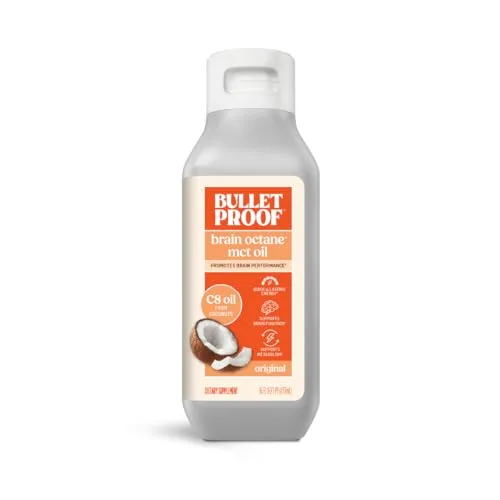
Bulletproof Brain Octane C8 MCT Oil
Bulletproof
OverallForm: LiquidPrice: $0.52/tbsp
Buy Now on Amazon
NOW Sports MCT Oil
NOW Foods
BudgetForm: LiquidPrice: $0.31/tbsp
Buy Now on Amazon
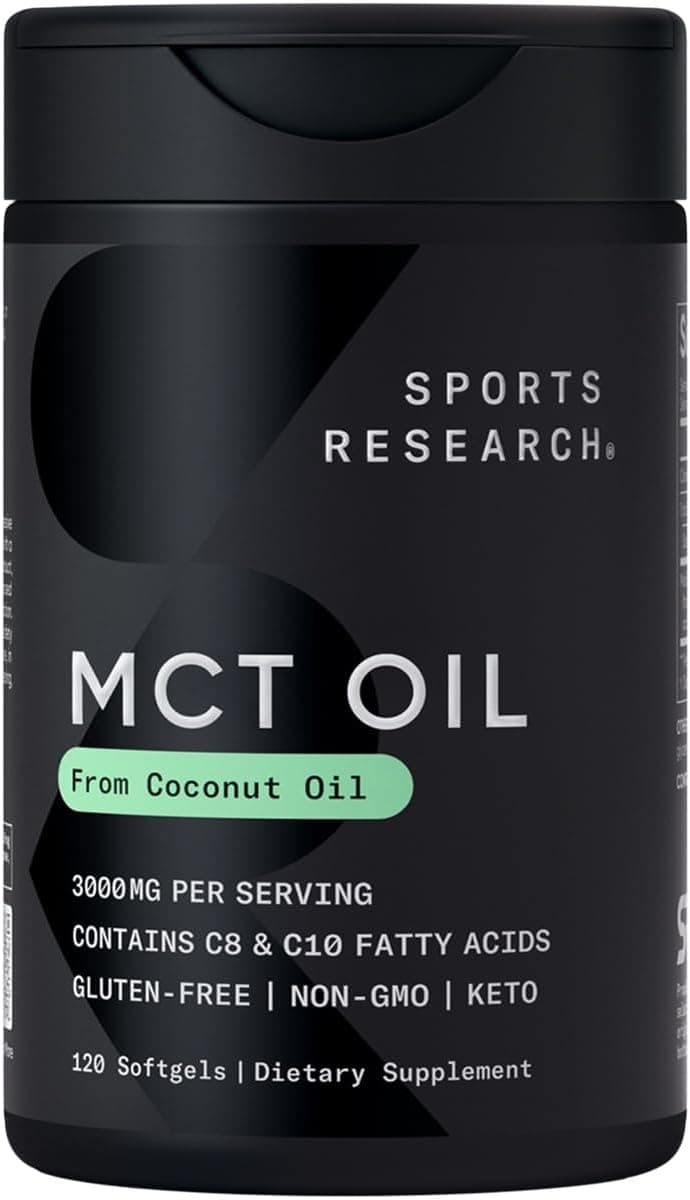
Sports Research Organic MCT Oil
Sports Research
OrganicForm: LiquidPrice: $0.39/tbsp
Buy Now on Amazon
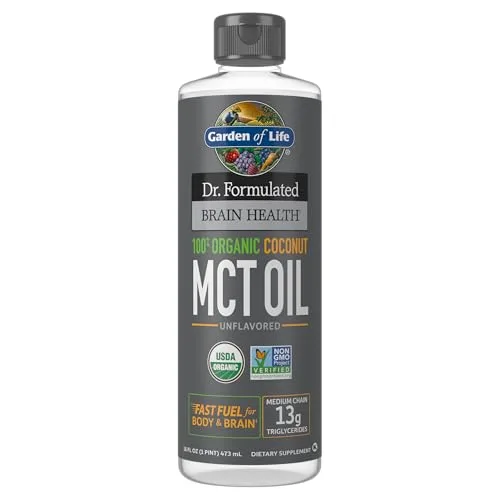
Garden of Life Dr. Formulated Brain Health Organic MCT Oil
Garden of Life
Best for BrainForm: LiquidPrice: $0.53/tbsp
Buy Now on Amazon
Natural Force Organic Pure C8 MCT Oil
Natural Force
Purest C8Form: Liquid (Glass Bottle)Price: $0.55/tbsp
Buy Now on Amazon

Medication Interactions & Contraindications

Drug Interactions

Insulin / Sulfonylureas
moderate
Diabetes Medications
MCT oil promotes ketone production and can alter glucose-ketone dynamics. In insulin-dependent diabetics, rapid ketone elevation without dose adjustment may increase the risk of ketoacidosis. Monitor blood glucose and ketones closely, and inform your endocrinologist.
Metformin
minor
Diabetes Medications
MCT oil may modestly reduce blood sugar through ketone-mediated pathways. Combined with metformin, this could increase hypoglycemia risk in susceptible individuals. Monitor blood sugar and adjust caloric intake as needed.
Orlistat (Alli)
minor
Weight Loss Medications
Orlistat inhibits fat absorption, which may reduce MCT oil's effectiveness and worsen GI side effects (oily stools, urgency). Separate dosing by at least 2 hours.

Who Should NOT Take This

Type 1 Diabetes(relative)
MCT oil rapidly elevates blood ketone levels. In type 1 diabetics, this may contribute to diabetic ketoacidosis (DKA) if insulin dosing is not carefully managed. Use only under medical supervision.
Severe Liver Disease(relative)
MCTs are metabolized primarily in the liver. Advanced liver disease or hepatic insufficiency may impair MCT metabolism, leading to accumulation. Consult a hepatologist before use.
Fat Malabsorption Disorders(relative)
While MCTs bypass bile-dependent digestion, individuals with severe fat malabsorption conditions (e.g., short bowel syndrome) may still experience significant GI distress. Start with very low doses under medical guidance.

This information is for educational purposes only. Always consult your healthcare provider before starting or stopping any supplement, especially if you take prescription medications.

Side Effects and Safety

Safety profile: Generally Safe

Potential Side Effects

  • GI distress (nausea, cramping, diarrhea) — very common when starting too fast; dose-dependent
  • Loose stools at higher doses, especially with C8-dominant products
  • Mild nausea when taken on a completely empty stomach
  • Rarely: elevated LDL cholesterol in some individuals with prolonged high-dose use

Drug & Supplement Interactions

  • May alter blood glucose and ketone levels — use caution with diabetes medications
  • High caloric density (115 kcal per tablespoon) may affect weight if not accounted for in total intake
  • No significant drug-drug interactions have been identified in clinical trials
Check MCT Oil interactions with other supplements →
BenefitsDosage GuideSide EffectsTypes & FormsResearchFAQ

Related Conditions

Related Supplements

Frequently Asked Questions

What is the difference between C8 and C10 MCT oil?

C8 (caprylic acid) is the most ketogenic MCT — it converts to ketones approximately 3x faster than coconut oil and is the preferred choice for cognitive benefits and rapid energy. C10 (capric acid) converts more slowly but may offer broader antimicrobial properties and sustained energy. A C8+C10 blend provides the best of both, though pure C8 products are optimal for maximum ketone production.

Is MCT oil the same as coconut oil?

No. Coconut oil contains about 50-55% lauric acid (C12), which behaves more like a long-chain fat and is far less ketogenic. True MCT oil is a concentrated extract containing primarily C8 and C10, which are rapidly converted to ketones. Coconut oil produces roughly one-third the ketone output of a pure C8 MCT oil.

Why does MCT oil cause stomach problems?

MCT oil is rapidly absorbed and can overwhelm bile salt recycling in the small intestine, drawing water into the gut and causing cramping, nausea, or diarrhea. This is almost always a dosing issue — starting with 1 teaspoon and increasing by 1 teaspoon every 3-4 days allows your digestive system to adapt. MCT powder is gentler because the acacia fiber carrier slows absorption.

Can MCT oil help with Alzheimer's or dementia?

Emerging evidence suggests MCT oil can provide an alternative brain fuel (ketones) when glucose metabolism is impaired, as occurs in Alzheimer's disease. A 2004 study showed acute cognitive improvement after a single MCT dose in APOE4-negative Alzheimer's patients. Longer-term trials are ongoing. MCT oil is not a treatment for Alzheimer's, but it may offer cognitive support as part of a broader care plan.

Do I need to be on a keto diet for MCT oil to work?

No. MCT oil produces ketones regardless of your dietary carbohydrate intake because it bypasses normal fat digestion and goes directly to the liver for ketone conversion. You will produce measurable blood ketones (0.3-0.5 mmol/L) even on a standard diet. However, ketone levels will be higher if combined with carbohydrate restriction.

How many calories are in MCT oil?

MCT oil contains approximately 115 calories per tablespoon (15ml), which is slightly less than other oils (olive oil has ~120 kcal per tbsp). While MCTs are less likely to be stored as fat due to their rapid metabolism, the calories still count. If you are adding MCT oil to your diet for weight loss, you need to account for it in your total caloric intake.

When is the best time to take MCT oil?

Morning is the most popular time — added to coffee or a smoothie for sustained mental clarity. For appetite suppression, take it 15-30 minutes before meals. For exercise, take it 30-60 minutes before a workout. Avoid taking large doses late at night, as the energy boost may interfere with sleep. Always take with or shortly before food when starting out to minimize GI issues.

Continue Reading

References

  1. Mumme K, Stonehouse W (2015). Effects of medium-chain triglycerides on weight loss and body composition: a meta-analysis of randomized controlled trials. Journal of the Academy of Nutrition and Dietetics. DOI PubMed
  2. Reger MA, Henderson ST, Hale C, et al. (2004). Effects of beta-hydroxybutyrate on cognition in memory-impaired adults. Neurobiology of Aging. DOI PubMed
  3. St-Onge MP, Bosarge A (2008). Weight-loss diet that includes consumption of medium-chain triacylglycerol oil leads to a greater rate of weight and fat mass loss than does olive oil. American Journal of Clinical Nutrition. DOI PubMed
  4. Ota M, Matsuo J, Ishida I, et al. (2019). Effects of a medium-chain triglyceride-based ketogenic formula on cognitive function in patients with mild-to-moderate Alzheimer's disease. Neuroscience Letters. DOI PubMed
  5. Clegg ME (2010). Medium-chain triglycerides are advantageous in promoting weight loss although not beneficial to exercise performance. International Journal of Food Sciences and Nutrition. DOI PubMed
  6. Courchesne-Loyer A, Fortier M, Tremblay-Mercier J, et al. (2013). Stimulation of mild, sustained ketonemia by medium-chain triacylglycerols in healthy humans: estimated potential contribution to brain energy metabolism. Nutrition. DOI PubMed
  7. Vandenberghe C, St-Pierre V, Pierotti T, Fortier M, Castellano CA, Cunnane SC (2017). Tricaprylin Alone Increases Plasma Ketone Response More Than Coconut Oil or Other Medium-Chain Triglycerides. Current Developments in Nutrition. DOI PubMed