Supplement ScienceSupplementScience
Cognitive Function

Best Supplements for Cognitive Function

Prevalence: 16 million Americans are living with cognitive impairment

·

This content is for informational purposes only and does not constitute medical advice. Statements about dietary supplements have not been evaluated by the FDA and are not intended to diagnose, treat, cure, or prevent any disease. Individual results may vary — consult your healthcare provider before starting any supplement. Full disclaimer

Lion's mane (500–1,000 mg daily) may stimulate nerve growth factor production, while DHA omega-3 (1–2 g daily) supports...

Lion's mane (500–1,000 mg daily) may stimulate nerve growth factor production, while DHA omega-3 (1–2 g daily) supports neuronal membrane fluidity. Phosphatidylserine (100 mg three times daily) has moderate evidence for improving memory in older adults.

Get the free evidence-based Cognitive Function guide — delivered in 60 seconds.

No spam. Unsubscribe anytime.

Overview

Cognitive function encompasses memory, attention, processing speed, and executive function. Age-related cognitive decline affects millions, but certain supplements have shown promise in supporting brain health through neurotrophic factors, membrane integrity, and anti-inflammatory pathways.
Understanding Cognitive Function

The brain supplement market is flooded with nootropic stacks promising dramatic cognitive enhancement to healthy young adults, but this fundamentally misrepresents what the evidence actually supports. Cognitive supplements are not limitless pills — they work by addressing specific deficits and supporting specific biological mechanisms. The brain consumes 20% of your body's total energy output despite being only 2% of body weight, making it exquisitely sensitive to nutrient deficiencies and metabolic dysfunction. Age-related cognitive decline — which begins measurably in the 40s for processing speed and accelerates after 60 for memory — is driven by three primary mechanisms: reduced nerve growth factor (NGF) production, declining neuronal membrane integrity, and chronic neuroinflammation. NGF supports the survival and growth of neurons, particularly in the hippocampus (the memory center). Neuronal membranes require DHA omega-3 and phospholipids for fluidity and signal transduction. And neuroinflammation — driven by activated microglia and elevated cytokines — damages synaptic connections and accelerates neurodegeneration. Supplements that address these three mechanisms have the most clinical support: lion's mane for NGF stimulation, DHA for membrane integrity, and phosphatidylserine for membrane function and cortisol regulation.

What the Research Shows

Lion's mane mushroom (Hericium erinaceus) contains two unique compounds — hericenones and erinacines — that are the only known natural substances to stimulate nerve growth factor (NGF) synthesis in the brain. Mori et al. (2009) conducted a landmark double-blind, placebo-controlled trial in which 30 older adults with mild cognitive impairment took 250mg lion's mane tablets three times daily for 16 weeks. The lion's mane group showed significant improvements on the Revised Hasegawa Dementia Scale at weeks 8, 12, and 16 compared to placebo. Notably, cognitive scores declined after supplementation was discontinued, suggesting the mechanism requires ongoing NGF stimulation rather than producing permanent structural changes. Li et al. (2018) demonstrated in a separate trial that lion's mane supplementation improved cognitive function and reduced symptoms of depression and anxiety in a population of overweight adults. The NGF-stimulating mechanism is particularly relevant because NGF production declines with age and is significantly reduced in Alzheimer's disease. DHA (docosahexaenoic acid), a long-chain omega-3 fatty acid, is the most abundant fatty acid in the brain, comprising approximately 40% of polyunsaturated fatty acids in brain tissue. It is structurally essential for neuronal membrane fluidity, which governs the speed of signal transmission between neurons. Yurko-Mauro et al. (2015) published a systematic review and meta-analysis in PLoS One showing that DHA supplementation improved episodic memory in healthy adults with low baseline DHA intake, with effects most pronounced in those over 55. A large-scale trial (MIDAS, Yurko-Mauro et al., 2010) found that 900mg DHA daily for 24 weeks significantly improved learning and memory function in older adults with age-related cognitive decline. The evidence for DHA in younger adults with adequate dietary intake is weaker, reinforcing that cognitive supplements primarily address deficits. Phosphatidylserine (PS) is a phospholipid that is critical for neuronal membrane structure and cell-to-cell signaling. Clinical trials using 300mg/day of PS for 12 weeks demonstrated significant improvements in memory recall, name-face recognition, and telephone number recall in elderly subjects with age-associated memory impairment (Crook et al., 1991). A meta-analysis by Kato-Kataoka et al. (2010) found PS supplementation improved memory and attention in older adults with cognitive complaints. PS also reduces cortisol response to stress (Monteleone et al., 1992), which may indirectly benefit cognition since chronically elevated cortisol impairs hippocampal function.

What to Look For in Supplements

For lion's mane, the extraction method is critical. The active compounds hericenones are found in the fruiting body and erinacines in the mycelium — but most US products are "mycelium on grain" that contain significant starch filler from the grain substrate and low concentrations of active compounds. Look for dual-extracted (hot water + alcohol) fruiting body products, or mycelium products that verify erinacine content through third-party testing. Products should specify beta-glucan content (ideally 25%+). For DHA, choose a product with high DHA-to-EPA ratio (at least 2:1 DHA:EPA) for cognitive benefits, as EPA is more relevant for mood and inflammation. Triglyceride-form fish oil or algae-derived DHA (for vegetarians) are preferred. For phosphatidylserine, soy-derived PS is the most studied form. Sharp-PS is a branded ingredient with clinical validation. The dose should be 100mg three times daily (300mg total).

What Doesn't Work (And Why)

Ginkgo biloba is perhaps the greatest disconnect between reputation and evidence in the supplement world. The GEM trial (DeKosky et al., 2008) — a large NIH-funded RCT with 3,069 participants followed for 6 years — found no benefit of ginkgo biloba for preventing cognitive decline or dementia. Subsequent meta-analyses have confirmed these findings: ginkgo does not improve memory, attention, or executive function in cognitively healthy adults. Racetams (piracetam, aniracetam, etc.) are popular in nootropic communities but have inconsistent clinical evidence, no FDA approval, and uncertain safety profiles with long-term use. Bacopa monnieri shows some promise in acute memory trials but the evidence is from small, short-term studies, and the herb causes significant gastrointestinal distress in many users. Alpha-GPC is marketed for acetylcholine support but a large 2023 observational study published in JAMA Neurology found that long-term alpha-GPC use was associated with increased stroke risk, not decreased dementia risk. Prevagen (apoaequorin) was the subject of an FTC lawsuit for deceptive advertising — the protein is digested in the stomach before it could possibly reach the brain.

Combination Protocol

The evidence-based cognitive support stack combines lion's mane extract (500-1,000mg of dual-extracted fruiting body, taken with breakfast), DHA omega-3 (1,000-2,000mg DHA specifically — check the DHA line on the label, not total omega-3 — taken with a fat-containing meal), and phosphatidylserine (100mg three times daily with meals, totaling 300mg). Lion's mane stimulates nerve growth factor production to support neuronal survival and growth. DHA maintains the membrane fluidity essential for synaptic transmission. Phosphatidylserine supports membrane structure and reduces cortisol-mediated cognitive impairment. Expect results after 8-16 weeks of consistent use, as neural tissue remodeling is a gradual process. This stack is most effective for adults over 50 or anyone with documented cognitive complaints — the evidence for cognitive enhancement in healthy young adults is much weaker.

Top Evidence-Based Supplements for Cognitive Function

#SupplementTypical DoseEvidence
1Lion's Mane500–1,000 mg dailyModerate
See top lion's mane picks →
2Omega-3 (DHA)1–2 g DHA dailyStrong
See top omega-3 (dha) picks →
3Phosphatidylserine100 mg three times dailyModerate
See top phosphatidylserine picks →

Top Product Picks

As an Amazon Associate, we earn from qualifying purchases. Some links below are affiliate links — this doesn't affect our editorial independence or product ratings. How we evaluate products

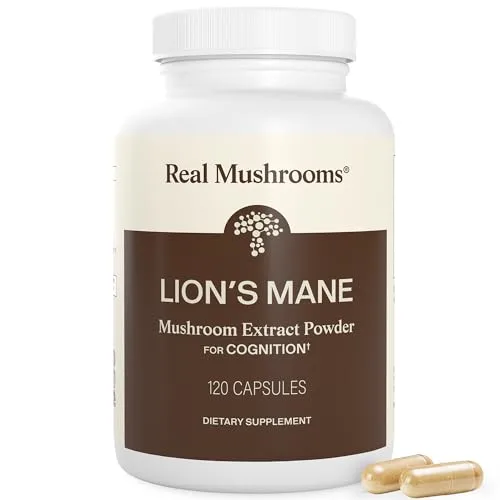
Real Mushrooms Lion's Mane

Real Mushrooms Lion's Mane

Real Mushrooms

9.3/10
Overall best lion's mane with verified beta-glucan content$0.58/serving
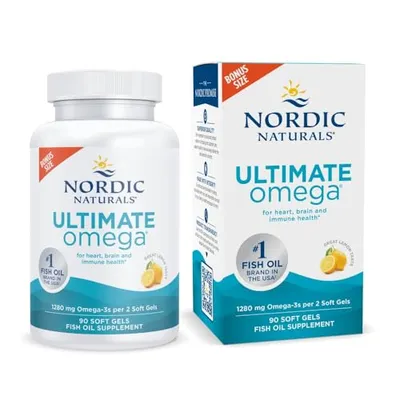
Sports Research Triple Strength Omega-3

Sports Research Triple Strength Omega-3

Sports Research

9.1/10
Heart health / EPA-predominant$0.31/serving
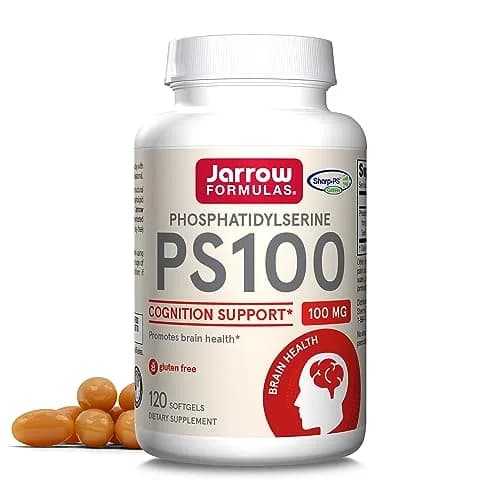
Jarrow Formulas PS 100

Jarrow Formulas PS 100

Jarrow Formulas

9.1/10
Overall best phosphatidylserine for cognitive support$0.90/serving

Detailed Ingredient Guides

Lion's Mane
Medicinal Mushroom
Lion's mane (Hericium erinaceus) is a medicinal mushroom that stimulates nerve growth factor (NGF), supporting cognitive function, memory, and neuroprotection. Clinical trials show benefits for mild cognitive impairment at 500-3000mg daily of fruiting body extract, typically noticeable after 4-8 weeks of consistent use.
Omega-3
Essential Fatty Acid
Omega-3 fatty acids (EPA + DHA) reduce inflammation, support heart and brain health, and may improve mood. The REDUCE-IT trial showed high-dose EPA (4g/day) reduced cardiovascular events by 25%. Most adults benefit from 1,000-2,000mg combined EPA+DHA daily.
Phosphatidylserine
Phospholipid
Phosphatidylserine is a brain phospholipid that directly blunts the cortisol stress response. Studies show 300-800mg reduces cortisol during physical and mental stress. It also supports cognitive function and may improve sleep quality by lowering evening cortisol levels.
MCT Oil
Fatty Acid Supplement
MCT oil rapidly converts to ketones for fast energy and mental clarity, with moderate evidence for weight management and emerging evidence for cognitive support. Take 1-2 tablespoons (15-30ml) daily, starting with 1 teaspoon to assess tolerance.
L-Carnitine
Amino Acid Derivative / Fat Metabolism
L-carnitine transports fatty acids into mitochondria for energy production, but supplementation does not enhance fat loss in healthy individuals (Villani et al., 2000). L-carnitine L-tartrate (LCLT) at 2 g/day reduces exercise-induced muscle damage and improves recovery markers (Spiering et al., 2007). Acetyl-L-carnitine (ALCAR) supports cognitive function, particularly in elderly populations.
Creatine
Amino Acid Derivative
Creatine monohydrate at 3-5 g/day is the most evidence-backed sports supplement in existence. The International Society of Sports Nutrition (ISSN) position stand confirms it increases strength, power output, and lean mass. Loading is optional. Emerging evidence also supports cognitive and neuroprotective benefits.
L-Tyrosine
Amino Acid
L-Tyrosine at 500-2,000 mg preserves cognitive performance during acute stress, sleep deprivation, and environmental extremes. Military research shows it maintains working memory and attention under conditions that normally impair them. Less beneficial under non-stressed conditions.

Related Conditions

Related Research

Learn More

Frequently Asked Questions

Can supplements really improve memory and cognitive function?

Certain supplements have clinical evidence supporting modest cognitive benefits, particularly in older adults or those with nutrient deficiencies. DHA omega-3 and phosphatidylserine have the strongest evidence for memory support [2]. However, supplements work best alongside lifestyle factors like exercise, sleep, and mental stimulation.

Evidence:Meta-analysis (2015) · high confidence[#2]. See full reference list below.

How long does it take for cognitive supplements to show results?

Most cognitive supplement trials run 8–16 weeks before measurable improvements appear. Lion's mane studies typically show benefits after 12–16 weeks of consistent use, while phosphatidylserine trials have demonstrated effects within 6–12 weeks. Omega-3 DHA may take 8–12 weeks to accumulate sufficiently in brain tissue.

Are cognitive supplements safe for long-term use?

Lion's mane, omega-3 DHA, and phosphatidylserine have strong safety profiles in studies lasting up to 12 months. Omega-3s at high doses (above 3 g/day) may increase bleeding risk in those on anticoagulants. Always consult a healthcare provider before starting a new supplement regimen.

What is the difference between DHA and EPA for brain health?

DHA is the primary structural omega-3 fat in the brain, making up about 40% of polyunsaturated fatty acids in brain tissue. EPA has stronger anti-inflammatory effects but is less concentrated in the brain. For cognitive support, DHA-dominant supplements are preferred, while EPA may be more relevant for mood support.

Continue Reading

References

  1. RCTMori K, Inatomi S, Ouchi K, Azumi Y, Tuchida T (2009). Improving effects of the mushroom Yamabushitake (Hericium erinaceus) on mild cognitive impairment. Phytotherapy Research. DOI PubMed
  2. Meta-analysisYurko-Mauro K, Alexander DD, Van Elswyk ME (2015). Docosahexaenoic acid and adult memory: a systematic review and meta-analysis. PLoS One. DOI PubMed