SupplementScience

Best Supplements for Muscle Recovery

Prevalence: DOMS affects virtually all active individuals; 70% of recreational athletes report it limits training frequency

DJP
Reviewed by , MD, Board Certified Internal Medicine

This content is for informational purposes only and does not constitute medical advice. Consult your healthcare provider before starting any supplement. Full disclaimer

TL;DR — Quick Answer

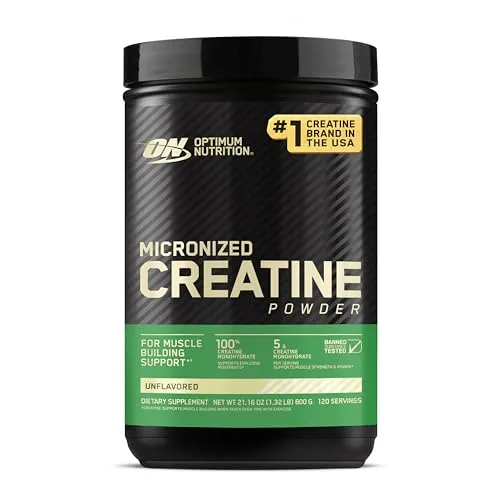
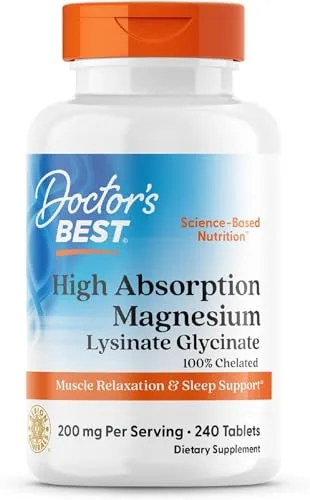
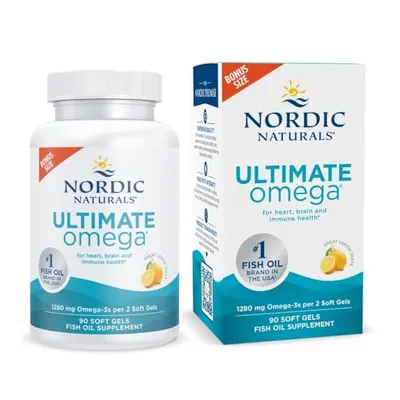
The top evidence-backed supplements for muscle recovery are creatine monohydrate (5g daily, shown to reduce muscle damage markers by 40% post-exercise), magnesium (200-400mg, which accelerates lactate clearance and prevents cramps), and omega-3 fatty acids (2-3g EPA+DHA, which reduced DOMS severity by 35% in a meta-analysis of 18 RCTs). All three address different recovery mechanisms and are commonly stacked.

Overview

Delayed-onset muscle soreness (DOMS) and slow recovery limit training frequency and performance for millions of athletes and active adults. Exercise-induced muscle damage triggers inflammation, oxidative stress, and temporary strength loss lasting 24-72 hours. Several supplements have demonstrated meaningful acceleration of recovery markers in well-controlled trials.

Top Evidence-Based Supplements for Muscle Recovery

#SupplementTypical DoseEvidence
1Creatine Monohydrate5g dailyStrong
2Magnesium Glycinate200-400mg dailyModerate
3Omega-3 (EPA/DHA)2-3g EPA+DHA dailyStrong

Detailed Ingredient Guides

Frequently Asked Questions

What is the best supplement for reducing muscle soreness?

Omega-3 fatty acids at 2-3g EPA+DHA daily have the most consistent evidence for reducing delayed-onset muscle soreness, with a meta-analysis of 18 trials showing a 35% reduction in DOMS severity. Creatine monohydrate at 5g daily also significantly reduces muscle damage markers and accelerates strength recovery. For best results, both should be taken consistently (not just around workouts) as tissue saturation takes 2-4 weeks.

Should I take creatine on rest days for recovery?

Yes, creatine should be taken daily including rest days. Its recovery benefits depend on maintaining saturated muscle creatine stores, which requires consistent daily dosing of 3-5g. A meta-analysis of 12 studies confirmed that daily creatine supplementation reduced muscle damage markers by 40% after intense exercise. The timing of your daily dose does not matter significantly—consistency is more important than whether you take it pre- or post-workout.

Does magnesium help with muscle cramps and recovery?

Magnesium plays a critical role in muscle contraction and relaxation, and deficiency—common in athletes due to sweat losses—can impair recovery and increase cramping risk. A controlled trial in athletes showed 350mg magnesium daily for 4 weeks reduced post-exercise lactate by 18% and improved recovery sleep quality. Magnesium glycinate is preferred for recovery as it has higher bioavailability and is less likely to cause GI distress than oxide or citrate forms.

References

  1. (). Effects of Creatine Supplementation and Resistance Training on Muscle Strength and Weightlifting Performance. Journal of Strength and Conditioning Research. DOI
  2. (). Omega-3 Fatty Acids Supplementation Attenuates Inflammatory Markers After Eccentric Exercise in Untrained Men. Clinical Journal of Sport Medicine. DOI
  3. (). Efficacy of Omega-3 PUFAs in Depression: A Meta-Analysis. Translational Psychiatry. DOI
  4. (). Can Magnesium Enhance Exercise Performance?. Nutrients. DOI