
Supplement ScienceSupplementScience
Whey Protein supplement
Protein Supplement

Whey Protein — Research Profile

Evidence:Strong
·

This content is for informational purposes only and does not constitute medical advice. Statements about dietary supplements have not been evaluated by the FDA and are not intended to diagnose, treat, cure, or prevent any disease. Individual results may vary — consult your healthcare provider before starting any supplement. Full disclaimer

Whey protein is the gold standard protein supplement for muscle building and recovery, with the highest leucine content...

Whey protein is the gold standard protein supplement for muscle building and recovery, with the highest leucine content of any protein source. A 2018 meta-analysis of 49 studies confirmed protein supplementation adds 0.3kg lean mass over resistance training alone. Standard dosing is 20-40g per serving, 1-3 times daily.

Key Facts

What it is
A complete milk-derived protein with all essential amino acids and high leucine content
Primary benefits
  • Stimulates muscle protein synthesis
  • Accelerates post-exercise recovery
  • Supports lean mass gains with resistance training
  • Helps preserve muscle during caloric restriction
  • Promotes satiety for weight management
Typical dosage
20-40g per serving, 1.6-2.2g/kg/day total protein for athletes
Evidence level
Strong
Safety profile
Generally Safe

Get the free evidence-based Whey Protein guide — delivered in 60 seconds.

No spam. Unsubscribe anytime.

What the Research Says

Whey protein is a well-researched supplement in sports nutrition, with evidence supporting its role in enhancing muscle mass and strength. A landmark 2018 meta-analysis by Morton et al., examining 49 randomized controlled trials (RCTs) involving 1,863 participants, demonstrated that protein supplementation significantly enhances resistance training-induced gains in muscle mass and strength. Specifically, Tang et al. (2009) found whey protein to be superior to casein and soy for stimulating acute muscle protein synthesis.

Recent studies have expanded on whey protein's benefits beyond muscle development. Prokopidis et al. (2025) conducted a systematic review of 21 RCTs, concluding that whey protein supplementation reduces LDL-cholesterol and total cholesterol, particularly in younger, overweight/obese individuals when combined with exercise. Similarly, Gataa et al. (2025) analyzed 20 RCTs involving 1,638 participants, finding significant reductions in triglycerides and increases in HDL cholesterol with whey protein supplementation.

Additionally, Ji et al. (2025) reviewed 21 RCTs, concluding that whey protein combined with exercise enhances muscle protein synthesis in a time- and dose-dependent manner, particularly when consumed before or immediately after resistance exercise. For older adults, Li et al. (2024) analyzed 10 RCTs involving 1,154 participants, demonstrating that whey protein supplementation improves muscle mass, strength, and physical performance in those with sarcopenia.

However, Al-Rawhani et al. (2024) found that while whey protein combined with resistance training enhances lower body strength, it does not significantly improve handgrip strength, physical performance, or body composition. These findings underscore the multifaceted benefits of whey protein across various populations and contexts.

Benefits of Whey Protein

  • Muscle protein synthesis — whey protein has the highest leucine content (~10-11%) of any protein source, making it the most potent stimulator of mTOR-mediated muscle protein synthesis per gram
  • Lean mass gains — Morton et al. (2018) meta-analysis of 49 RCTs found protein supplementation increased lean mass by 0.3kg and 1-RM strength beyond resistance training alone
  • Recovery — Tang et al. (2009) showed whey stimulates muscle protein synthesis 31% more than casein and 122% more than soy in the acute post-exercise period
  • Body composition — a systematic review found higher protein intake preserves lean mass during caloric restriction, with whey being particularly effective due to rapid absorption
  • Satiety — whey protein increases satiety hormones (GLP-1, PYY) more than other protein sources, supporting appetite control during weight management

Our Top Whey Protein Picks

As an Amazon Associate, we earn from qualifying purchases. Some links below are affiliate links — this doesn't affect our editorial independence or product ratings. How we evaluate products

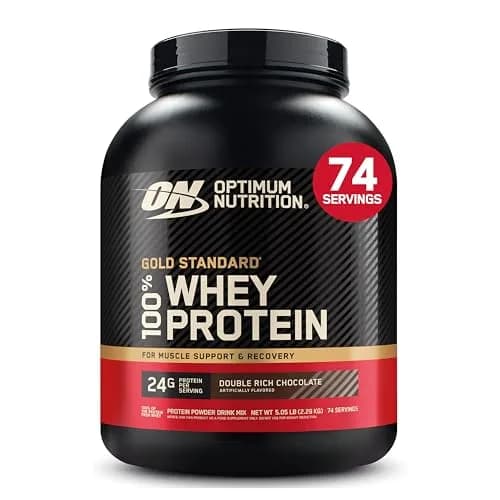
Optimum Nutrition Gold Standard 100% Whey
Optimum Nutrition
#1 Top Pick
Best Overall / Best ValueForm: PowderPrice: $1.11/serving
THORNE - Whey Protein Isolate - Balanced Amino Acids Profile with BCAAs - 21 Grams of Easy to Digest
THORNE
Not RecommendedForm: PowderPrice: $2.17/serving
Did you know?

Whey protein is a well-researched supplement in sports nutrition, with evidence supporting its role in enhancing muscle mass and strength.

Forms of Whey Protein

Whey Protein supplement forms compared by bioavailability and best use
FormBioavailabilityBest For
Whey Protein Concentrate (WPC)HighGeneral use, best value — 70-80% protein with some lactose and fat
Whey Protein Isolate (WPI)HighLactose intolerance, lean dieting — 90%+ protein, minimal lactose
Whey Protein HydrolysateVery HighFastest absorption, medical nutrition — pre-digested peptides
Native WheyHighPremium option — extracted directly from milk (not cheese byproduct), higher leucine

Dosage Recommendations

General recommendation: 20-40g per serving, 1-3 times daily to meet total protein goals

Timing: Within a few hours of resistance training for optimal MPS; total daily intake matters more than precise timing

Dosage by Condition

Muscle building
20-40g post-workout + as needed to reach 1.6-2.2g/kg/dayStrong
Recovery
20-25g within 2 hours post-exerciseStrong
Weight management
25-50g per day as meal replacement or snackModerate
Sarcopenia prevention
30-40g per serving (older adults need higher leucine threshold)Moderate
General health
20-25g per serving, 1-2 times dailyStrong

Upper limit: No established upper limit; total protein intake of 2.2g/kg/day is well-tolerated in healthy adults

Side Effects and Safety

Safety profile: Generally Safe

Potential Side Effects

  • Bloating and gas, especially with concentrate in lactose-sensitive individuals
  • Digestive discomfort at very high doses (>50g single serving)
  • Acne exacerbation in susceptible individuals (likely due to IGF-1 stimulation)
  • Not suitable for those with milk protein allergy (distinct from lactose intolerance)

Drug & Supplement Interactions

  • May reduce absorption of levodopa and certain antibiotics if taken simultaneously
  • High protein intake may require increased water intake for kidney function
  • May affect blood sugar when combined with carbohydrates (insulin response)
  • Iron absorption may be reduced if consumed with iron supplements (calcium content)
Check Whey Protein interactions with other supplements →
BenefitsDosage GuideSide EffectsTypes & FormsResearchFAQ

Related Conditions

Commonly Taken Together

Form Comparisons

Related Supplements

Looking for the best whey protein supplement?

We analyzed and ranked the top products based on form, dosage, third-party testing, and value.

See Our Top Picks

Frequently Asked Questions

What is the difference between whey concentrate and isolate?

Whey concentrate (WPC) contains 70-80% protein with some lactose, fat, and beneficial immunoglobulins, making it the best value option. Whey isolate (WPI) is further processed to 90%+ protein with virtually no lactose, making it ideal for lactose-intolerant individuals or those counting macros precisely. For muscle building, both are equally effective gram-for-gram — the choice depends on your digestion and budget.

How much whey protein should I take per day?

Most research supports 20-40g per serving for maximal muscle protein synthesis stimulation. Total daily protein intake of 1.6-2.2g/kg bodyweight is optimal for muscle building. For a 80kg person, that's 128-176g total protein daily, which can include 1-3 whey servings to supplement whole food intake. Older adults may benefit from higher per-serving doses (30-40g) due to anabolic resistance.

Does the anabolic window matter for whey protein timing?

The "anabolic window" is much wider than previously believed. Schoenfeld et al. (2013) meta-analysis found that total daily protein intake is far more important than precise post-workout timing. That said, consuming protein within a few hours of training is still reasonable practice. The rigid "30-minute window" is a myth — focus on hitting your daily protein target consistently.

Is whey protein safe for your kidneys?

In healthy individuals, high protein intake (up to 2.2g/kg/day) has not been shown to cause kidney damage in any controlled study. The ISSN Position Stand (2017) explicitly states that protein intakes up to 2.0g/kg/day are safe for healthy adults. However, individuals with pre-existing kidney disease should consult their nephrologist before supplementing with whey protein, as high protein intake can accelerate progression of existing kidney conditions.

Can lactose-intolerant people take whey protein?

Yes — whey protein isolate (WPI) contains less than 1% lactose per serving, which is tolerable for most lactose-intolerant individuals. Whey hydrolysate is also very low in lactose. Only whey concentrate (WPC) contains meaningful amounts of lactose (3-5%). If you experience bloating with WPC, switching to isolate typically resolves the issue completely.

What is the best form of Whey Protein to take?

The best form of whey protein depends on your specific health goals, absorption needs, and tolerance. Chelated and standardized extract forms generally offer higher bioavailability than raw or unstandardized versions. Check the product label for third-party testing to ensure potency and purity.

What are the proven benefits of Whey Protein?

Whey Protein has been studied for multiple health applications with varying levels of clinical evidence. The strongest evidence typically comes from randomized controlled trials and meta-analyses published in peer-reviewed journals. Individual responses can vary based on baseline status, dosage, and duration of use.

How much Whey Protein should I take per day?

Whey Protein dosage depends on the specific form, your health goals, and individual factors such as body weight and baseline nutrient status. Following the dose used in clinical trials is generally the most evidence-based approach. Starting at the lower end of the recommended range and adjusting upward is advisable.

When is the best time to take Whey Protein?

Whey Protein timing depends on whether it is fat-soluble or water-soluble and whether it causes digestive sensitivity. Consistency in timing is more important than the specific hour of the day. Taking supplements at the same time daily helps maintain steady levels.

What are the side effects of Whey Protein?

Whey Protein is generally well tolerated at recommended doses, with gastrointestinal discomfort being the most commonly reported side effect. Side effects are typically mild and dose-dependent, resolving with dose reduction or taking with food. Serious adverse effects are rare at standard supplemental doses.

Does Whey Protein interact with any medications?

Whey Protein may interact with certain prescription medications by affecting absorption, metabolism, or pharmacological effects. Always inform your healthcare provider about all supplements you take, especially before surgery or when starting new medications. Spacing supplements and medications by 2 hours reduces most absorption interactions.

Who should consider taking Whey Protein?

Whey Protein is most appropriate for individuals with confirmed deficiency, suboptimal levels, or specific health conditions supported by clinical evidence. People in higher-risk demographics, including older adults and those with restricted diets, may benefit most. Testing baseline levels before supplementing provides the best guidance.

How long does Whey Protein take to show results?

Whey Protein effects vary by the specific health outcome being targeted, with some benefits appearing within days and others requiring weeks to months of consistent daily use. Correcting a deficiency typically shows improvement within 2-4 weeks. A minimum 8-12 week trial at the recommended dose is advisable before evaluating effectiveness.

Is Whey Protein safe for long-term daily use?

Whey Protein is considered safe for long-term use at recommended doses based on available clinical data. Staying within established upper intake limits minimizes the risk of adverse effects over time. Periodic reassessment with a healthcare provider is recommended, especially if health conditions change.

Can you take too much Whey Protein?

Exceeding the recommended dose of whey protein increases the risk of adverse effects without providing additional benefit. Toxicity risk varies by form and individual factors such as kidney and liver function. Mega-dosing is not supported by clinical evidence and should be avoided.

Continue Reading

References

  1. Morton RW, Murphy KT, McKellar SR, et al. (2018). A systematic review, meta-analysis and meta-regression of the effect of protein supplementation on resistance training-induced gains in muscle mass and strength in healthy adults. British Journal of Sports Medicine. DOI PubMed
  2. Tang JE, Moore DR, Kujbida GW, Tarnopolsky MA, Phillips SM (2009). Ingestion of whey hydrolysate, casein, or soy protein isolate: effects on mixed muscle protein synthesis at rest and following resistance exercise in young men. Journal of Applied Physiology. DOI PubMed
  3. Schoenfeld BJ, Aragon AA, Krieger JW (2013). The effect of protein timing on muscle strength and hypertrophy: a meta-analysis. Journal of the International Society of Sports Nutrition. DOI PubMed
  4. Jäger R, Kerksick CM, Campbell BI, et al. (2017). International Society of Sports Nutrition Position Stand: protein and exercise. Journal of the International Society of Sports Nutrition. DOI PubMed
  5. Devries MC, Phillips SM (2015). Supplemental protein in support of muscle mass and health: advantage whey. Journal of Food Science. DOI PubMed
  6. Prokopidis K, Morgan PT, Veronese N, Morwani-Mangnani J, et al. (2025). The effects of whey protein supplementation on indices of cardiometabolic health: A systematic review and meta-analysis of randomized controlled trials.. Clinical nutrition (Edinburgh, Scotland). DOI PubMed
  7. Gataa IS, Abdullah Z, González Cabrera MV, S R, et al. (2025). Impact of whey protein on lipid profiles: A systematic review and meta-analysis.. Nutrition, metabolism, and cardiovascular diseases : NMCD. DOI PubMed
Show 5 more references
  1. Ji X, Ye X, Ji S, Zhang S, et al. (2025). Whey Protein Supplementation Combined with Exercise on Muscle Protein Synthesis and the AKT/mTOR Pathway in Healthy Adults: A Systematic Review and Meta-Analysis.. Nutrients. DOI PubMed
  2. Li ML, Zhang F, Luo HY, Quan ZW, et al. (2024). Improving sarcopenia in older adults: a systematic review and meta-analysis of randomized controlled trials of whey protein supplementation with or without resistance training.. The journal of nutrition, health & aging. DOI PubMed
  3. Al-Rawhani AH, Adznam SN, Abu Zaid Z, Md Yusop NB, et al. (2024). Effectiveness of whey protein supplementation on muscle strength and physical performance of older adults: A systematic review and meta-analysis of randomized clinical trials.. Clinical nutrition (Edinburgh, Scotland). DOI PubMed
  4. Nasimi N, Sohrabi Z, Nunes EA, Sadeghi E, et al. (2023). Whey Protein Supplementation with or without Vitamin D on Sarcopenia-Related Measures: A Systematic Review and Meta-Analysis.. Advances in nutrition (Bethesda, Md.). DOI PubMed
  5. Chang MC, Choo YJ (2023). Effects of Whey Protein, Leucine, and Vitamin D Supplementation in Patients with Sarcopenia: A Systematic Review and Meta-Analysis.. Nutrients. DOI PubMed