SupplementScience
Muscle Building

Best Supplements for Muscle Building

Prevalence: 45.5 million Americans have a gym membership

This content is for informational purposes only and does not constitute medical advice. Consult your healthcare provider before starting any supplement. Full disclaimer

TL;DR — Quick Answer

Creatine monohydrate (3–5 g daily) is the most well-researched sports supplement, increasing strength by 5–10% and lean mass by 1–2 kg. Whey protein (20–40 g post-exercise) maximally stimulates muscle protein synthesis. HMB (3 g daily) may reduce muscle breakdown during intense training.

Overview

Building lean muscle mass requires progressive resistance training, adequate protein intake, and recovery. A small number of supplements have robust clinical evidence for enhancing muscle protein synthesis, strength gains, and exercise performance when combined with a proper training program.

Top Evidence-Based Supplements for Muscle Building

#SupplementTypical DoseEvidence
1Creatine Monohydrate3–5 g dailyStrong
2Whey Protein20–40 g per serving, 1–2 servings dailyStrong
3HMB (Beta-Hydroxy Beta-Methylbutyrate)3 g daily, split into 1 g dosesModerate

Top Product Picks

Our recommendations are based on published research, not commission rates. Some links below are affiliate links — we may earn a commission at no extra cost to you. How we evaluate products

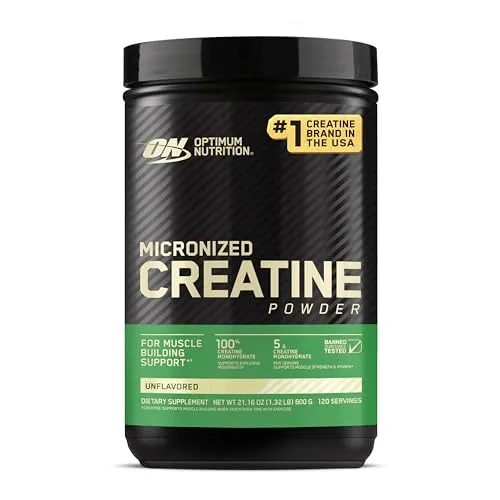
Optimum Nutrition Micronized Creatine Monohydrate Powder

Optimum Nutrition Micronized Creatine Monohydrate Powder

Optimum Nutrition

9.5/10
Athletes and anyone seeking the most researched form$0.24/serving
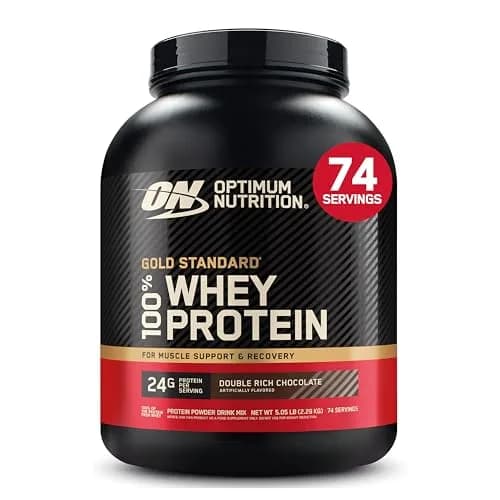
Momentous Essential Grass-Fed Whey

Momentous Essential Grass-Fed Whey

Momentous

9.4/10
Overall best whey protein for quality and testing$2.50/serving
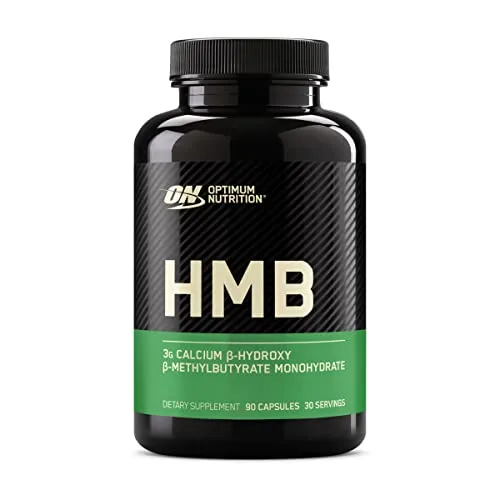
Optimum Nutrition HMB 1000mg

Optimum Nutrition HMB 1000mg

Optimum Nutrition

9/10
Overall best HMB capsule for muscle preservation$0.55/serving

Frequently Asked Questions

Is creatine safe for long-term use?

Yes. Creatine monohydrate is one of the most extensively studied supplements in sports nutrition, with research spanning over 30 years. Studies lasting up to 5 years have found no adverse effects on kidney function, liver health, or hydration status in healthy individuals. Those with pre-existing kidney disease should consult their physician.

Do I need a creatine loading phase?

A loading phase (20 g/day for 5–7 days) saturates muscle creatine stores faster but is not required. Taking 3–5 g daily will achieve full saturation within 3–4 weeks. Both approaches result in the same endpoint, so the daily low-dose protocol is preferred for comfort and simplicity.

When is the best time to take whey protein for muscle building?

Total daily protein intake matters more than precise timing. However, consuming 20–40 g of high-quality protein within 2 hours of training does maximize muscle protein synthesis rates. Spreading protein across 4–5 meals of 25–40 g each throughout the day is optimal.

Is HMB worth taking if I already use creatine and protein?

HMB provides the most benefit during caloric restriction (cutting phases), high-volume training, or for those new to resistance training. For experienced lifters in a caloric surplus already taking creatine and adequate protein, HMB provides marginal additional benefit.

References

  1. (). Effect of creatine supplementation on body composition and performance: a meta-analysis. International Journal of Sport Nutrition and Exercise Metabolism. DOI
  2. (). A systematic review, meta-analysis and meta-regression of the effect of protein supplementation on resistance training-induced gains in muscle mass and strength. British Journal of Sports Medicine. DOI