
We evaluated 38 creatine supplements on form, purity, third-party testing, mixability, and value. Creatine monohydrate remains the gold standard — here are the best options.
Best Creatine Supplements (2026)
Product pricing and availability checked
Methodology: Evidence-ranked evaluation
·
2,600+Clinical Studies Cited
·5Creatine products evaluated
This content is for informational purposes only and does not constitute medical advice. Statements about dietary supplements have not been evaluated by the FDA and are not intended to diagnose, treat, cure, or prevent any disease. Individual results may vary — consult your healthcare provider before starting any supplement. Full disclaimer
As an Amazon Associate, we earn from qualifying purchases. Some links below are affiliate links — this doesn't affect our editorial independence or product ratings. How we evaluate products
Our Verdict
The best creatine supplement is Creapure-certified monohydrate powder at 3-5g daily — no other form has outperformed monohydrate in over 700 clinical studies.
Best By Category
The best creatine supplement is creatine monohydrate at 3-5g per day.
The best creatine supplement is creatine monohydrate at 3-5g per day. Despite marketing claims, no other form (HCl, buffered, ethyl ester) has outperformed monohydrate in head-to-head trials. Look for Creapure-certified or USP-verified monohydrate for third-party-verified purity.
How We Chose These Products
Products are ranked using our published scoring methodology — evidence strength, dose adequacy, ingredient form, third-party testing signals, value, and clean-label factors are weighted across the 5 criteria below. Commercial relationships do not determine our editorial rankings.
Purity Certification
30%Creapure certification guarantees 99.99% purity from AlzChem in Germany. Products without purity certification may contain contaminants like creatinine or dicyandiamide.
Third-Party Testing
25%NSF Certified for Sport, Informed Choice, or equivalent banned-substance testing. Critical for competitive athletes subject to drug testing.
Form (Monohydrate)
20%Creatine monohydrate is the only form with robust clinical evidence. HCl, buffered, and ethyl ester have no demonstrated superiority in peer-reviewed research.
Value
15%Cost per 5g serving. All creatine monohydrate delivers the same compound — paying more only buys better testing and certification.
Mixability
10%Micronized powder dissolves better than standard grind. Important for daily compliance — gritty powder discourages consistent use.
#1 Top Pick
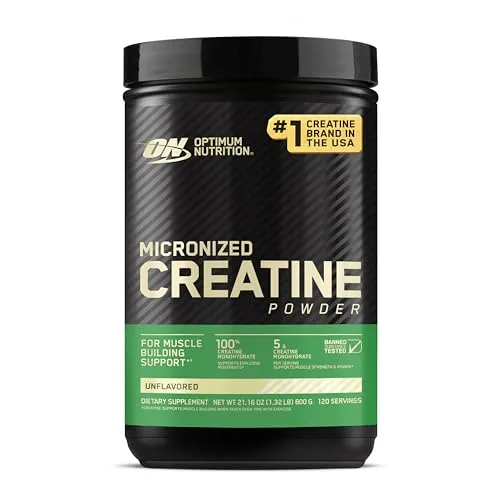
Uses Creapure creatine from Germany (99.99% purity). Informed Choice certified for banned substance testing. Optimum Nutrition is the most trusted name in sports supplements.
IngredientCreapure Creatine Monohydrate
Dose5g per serving
FormMicronized powder
TestingInformed Choice + Creapure
5g per servingClinical range: 3-5 g daily (creatine monohydrate)
Therapeutic dose
$1.31 / ounce$27.68 · 120 Servings
Pros
- Creapure certified (99.99% purity)
- Informed Choice banned-substance tested
- Micronized for excellent mixability
Cons
- Unflavored only
- Slightly higher price than generic monohydrate
Gluten-freeSugar-free
Quick Comparison
#1Optimum Nutrition Micronized Creatine Monohydrate Powder
9.5/10
Optimum Nutrition
#1 Top Pick
97,005 Amazon reviews
Best for: Athletes and anyone seeking the most researched form
Creapure Creatine Monohydrate · 5g per serving
Micronized powder · Informed Choice + Creapure
$27.68
$1.31 / ounce
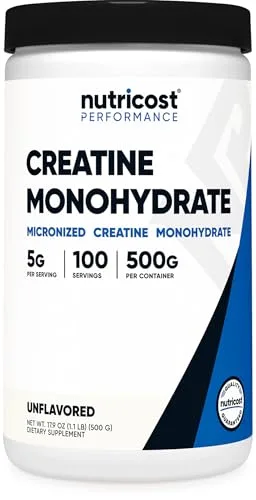
#2Nutricost Creatine Monohydrate Micronized Powder
9/10
Nutricost
56,140 Amazon reviews
Best for: value creatine
Creatine Monohydrate · 5g per serving
Micronized powder · Third-Party Tested, Non-GMO
$21.50
$1.22 / ounce
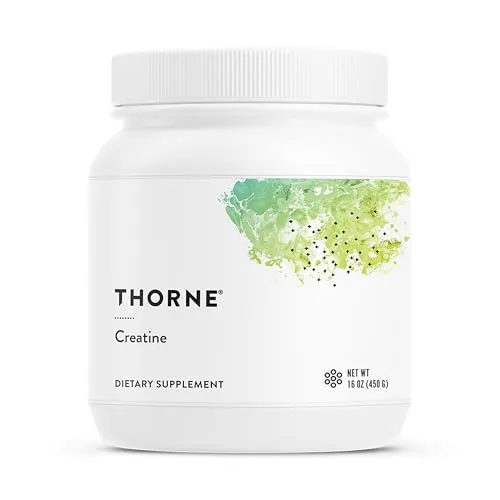
#3Thorne Creatine
8.8/10
THORNE
15,796 Amazon reviews
Best for: Professional and tested athletes
Creapure Creatine Monohydrate · 5g per serving
Micronized powder · NSFNSF Certified for Sport
$44.00
$2.75 / ounce
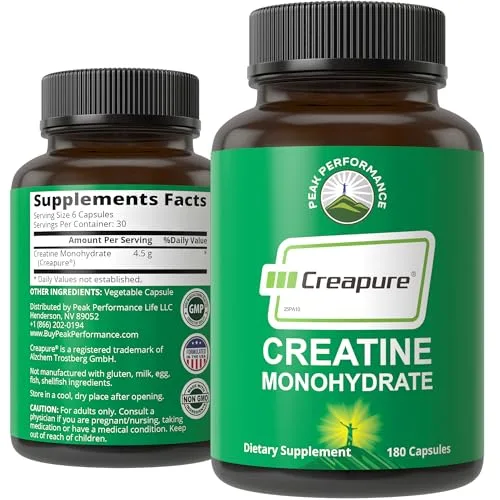
#4Peak Performance Creapure Creatine Monohydrate Capsules
8.6/10
Peak Performance
27 Amazon reviews
Best for: Creapure-certified creatine in convenient capsule form — no mixing required
Creapure Creatine Monohydrate · 5g creatine monohydrate per serving (capsule form)
Capsules · Creapure Certified (AlzChem, Germany)
$35.95
$0.20 / count
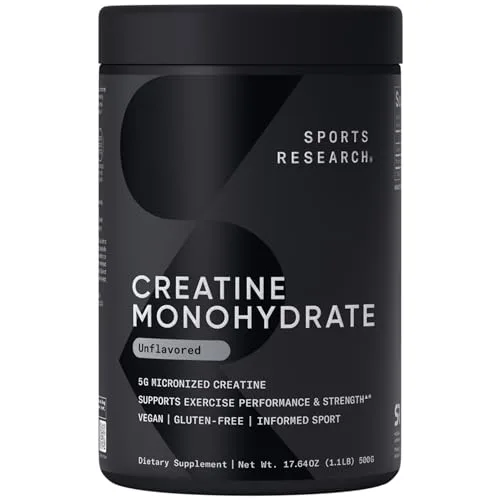
#5Sports Research Creatine Monohydrate
8.2/10
Sports Research
6,564 Amazon reviews
Best for: Value-conscious users seeking a trusted mainstream brand
Creatine Monohydrate · 5g per serving
Micronized powder · Third-Party Tested, Non-GMO Verified
$27.95
$1.58 / ounce
| # | Product | Best For | Ingredient & Dose | Form & Testing | Price | Rating | |
|---|---|---|---|---|---|---|---|
| 1 | Optimum Nutrition Micronized Creatine Monohydrate Powder #1 Top Pick 97,005 Amazon reviews | Athletes and anyone seeking the most researched form | Creapure Creatine Monohydrate 5g per serving | Micronized powder 120 Servings Informed Choice + Creapure | $27.68 $1.31 / ounce | 9.5/10 | |
| 2 | Nutricost Creatine Monohydrate Micronized Powder 56,140 Amazon reviews | value creatine | Creatine Monohydrate 5g per serving | Micronized powder 100 Servings Third-Party Tested, Non-GMO | $21.50 $1.22 / ounce | 9/10 | |
| 3 | Thorne Creatine 15,796 Amazon reviews | Professional and tested athletes | Creapure Creatine Monohydrate 5g per serving | Micronized powder 90 Servings NSFNSF Certified for Sport | $44.00 $2.75 / ounce | 8.8/10 | |
| 4 | Peak Performance Creapure Creatine Monohydrate Capsules 27 Amazon reviews | Creapure-certified creatine in convenient capsule form — no mixing required | Creapure Creatine Monohydrate 5g creatine monohydrate per serving (capsule form) | Capsules 180 Capsules Creapure Certified (AlzChem, Germany) | $35.95 $0.20 / count | 8.6/10 | |
| 5 | Sports Research Creatine Monohydrate 6,564 Amazon reviews | Value-conscious users seeking a trusted mainstream brand | Creatine Monohydrate 5g per serving | Micronized powder 17 Ounce Third-Party Tested, Non-GMO Verified | $27.95 $1.58 / ounce | 8.2/10 |
Detailed Reviews
#1 Top Pick
Optimum Nutrition Micronized Creatine Monohydrate Powder, Unflavored, 120 Servings, 600 Grams (Packaging May Vary)
#3 Best Sellerin Creatine Nutritional SupplementsOptimum Nutrition
97,005 Amazon reviews
9.5/10
(97,005)
Gluten-freeSugar-free
Uses Creapure creatine from Germany (99.99% purity). Informed Choice certified for banned substance testing. Optimum Nutrition is the most trusted name in sports supplements.
IngredientCreapure Creatine Monohydrate
Dose5g per serving
FormMicronized powder
TestingInformed Choice + Creapure
5g per servingClinical range: 3-5 g daily (creatine monohydrate)
Therapeutic dose
$1.31 / ounce$27.68 · 120 Servings
Ideal for: Athletes and anyone seeking the most researched form
Not ideal for: Those who require flavored or sweetened protein options
Pros
- Creapure certified (99.99% purity)
- Informed Choice banned-substance tested
- Micronized for excellent mixability
- Most trusted sports nutrition brand
Cons
- Unflavored only
- Slightly higher price than generic monohydrate
Nutricost Creatine Monohydrate Micronized Powder 500G, 5000mg Per Serv (5g) - 100 Servings, 17.9 Oz
#1 Best Sellerin Creatine Nutritional SupplementsNutricost
56,140 Amazon reviews
9/10
(56,140)
Gluten-freeNon-GMO
Exceptional value at roughly half the price of premium brands. Micronized for easy mixing. One of the best-selling creatine products on Amazon.
IngredientCreatine Monohydrate
Dose5g per serving
FormMicronized powder
TestingThird-Party Tested, Non-GMO
5g per servingClinical range: 3-5 g daily (creatine monohydrate)
Therapeutic dose
$1.22 / ounce$21.50 · 100 Servings
Ideal for: value creatine
Not ideal for: Competitive athletes subject to banned-substance drug testing
Pros
- Best value at $0.12/serving
- Micronized for easy mixing
- Third-party tested and Non-GMO
- Best-selling on Amazon
Cons
- Not Creapure certified
- No banned-substance testing for athletes
- Less established brand
THORNE Creatine - Micronized Creatine Monohydrate Powder - Support for Muscles & Cognitive Function* - for Women & Men - Unflavored - NSF Certified for Sport - 5 g per Serving - 90 Servings
#2 Best Sellerin Creatine Nutritional SupplementsTHORNE
15,796 Amazon reviews
8.8/10
(15,796)
Gluten-freeSoy-freeDairy-free
NSF Certified for Sport — the gold standard for competitive athletes subject to drug testing. Uses Creapure creatine. Trusted by professional sports teams and Olympic athletes.
IngredientCreapure Creatine Monohydrate
Dose5g per serving
FormMicronized powder
TestingNSF Certified for Sport
5g per servingClinical range: 3-5 g daily (creatine monohydrate)
Therapeutic dose
$2.75 / ounce$44.00 · 90 Servings
Ideal for: Professional and tested athletes
Not ideal for: Budget buyers not subject to drug testing requirements
Pros
- NSF Certified for Sport (highest testing tier)
- Creapure certified (99.99% purity)
- Trusted by Olympic and pro athletes
- Clean single-ingredient formula
Cons
- Premium price ($0.50/serving)
- Same creatine monohydrate as cheaper options
- 2x cost of Nutricost
Creapure Creatine Monohydrate 180 Capsules - Ultra High Purity German Made Creatine with Nothing Added at All - Pure Unflavored Pills for Men & Women - No Sugar, Non-GMO, Vegan Friendly Supplement
Peak Performance
27 Amazon reviews
8.6/10
(27)
The only Creapure-certified creatine in capsule form in this comparison — guaranteeing 99.99% purity from AlzChem in Germany. Capsules eliminate mixing and are ideal for travel or on-the-go dosing. Peak Performance is an established supplement brand with a broad product line.
IngredientCreapure Creatine Monohydrate
Dose5g creatine monohydrate per serving (capsule form)
FormCapsules
TestingCreapure Certified (AlzChem, Germany)
5g creatine monohydrate per serving (capsule form)Clinical range: 3-5 g daily (creatine monohydrate)
Therapeutic dose
$0.20 / count$35.95 · 180 Capsules
Ideal for: Creapure-certified creatine in convenient capsule form — no mixing required
Not ideal for: Those preferring powder form for cost efficiency or custom dosing
Pros
- Creapure certified — 99.99% purity
- Convenient capsule form
- No mixing or taste concerns
- German-manufactured creatine
Cons
- Higher cost per serving vs powder
- Limited review history
- Capsules may require multiple pills per serving
Sports Research Creatine Monohydrate - Gain Lean Muscle, Improve Performance and Strength and Support Workout Recovery* - 5 g Micronized Creatine - 17.64 oz
Sports Research
6,564 Amazon reviews
8.2/10
(6,564)
Sports Research delivers unflavored creatine monohydrate at a competitive price point with Non-GMO verification and third-party testing. A solid budget pick from a well-established brand — though it lacks the Creapure purity certification of top-tier options.
IngredientCreatine Monohydrate
Dose5g per serving
FormMicronized powder
TestingThird-Party Tested, Non-GMO Verified
5g per servingClinical range: 3-5 g daily (creatine monohydrate)
Therapeutic dose
$1.58 / ounce$27.95 · 17 Ounce
Ideal for: Value-conscious users seeking a trusted mainstream brand
Not ideal for: Competitive athletes needing NSF Certified for Sport or Creapure certification
Pros
- Competitive price per serving
- Non-GMO Verified
- Third-party tested
- Trusted mainstream brand
Cons
- No Creapure certification
- Limited review history (newer product)
- No banned-substance certification
Pairs Well With
Frequently taken together based on complementary benefits
Beef Protein
Peak Performance Chocolate Beef Protein Isolate
Full serving beef protein isolate
Coenzyme Q10 (CoQ10)
Jarrow Formulas QH-Absorb Ubiquinol 100mg
Staff Pick
100mg ubiquinol per softgelHow to Choose
Stick With Monohydrate
Creatine monohydrate is backed by 700+ peer-reviewed studies. No other form (HCl, buffered, ethyl ester, Kre-Alkalyn) has demonstrated superiority in head-to-head research. Marketing claims about "better absorption" or "no bloating" for alternative forms are not supported by clinical data. Save your money and buy monohydrate.
Look for Creapure Certification
Creapure is creatine monohydrate manufactured by AlzChem in Germany with 99.99% purity. It is tested for contaminants like creatinine, dicyandiamide, and dihydrotriazine. Products without Creapure or equivalent third-party purity testing may contain impurities from lower-quality manufacturing.
Dosing: 3-5g Daily, No Loading Required
Take 3-5g of creatine monohydrate daily with or without food — timing does not significantly affect results. Loading phases (20g/day for 5-7 days) saturate muscles faster but are optional and may cause temporary GI discomfort. Consistent daily dosing at 3-5g will fully saturate muscles within 3-4 weeks.
Ready to Buy?
Optimum Nutrition Micronized Creatine Monohydrate Powder
9.5/10$1.31 / ounceBest for: Athletes and anyone seeking the most researched form
The best creatine supplement is Creapure-certified monohydrate powder at 3-5g daily — no other form has outperformed monohydrate in over 700 clinical studies.
Evidence:Study (2017)[#1]. See full reference list below.Related Comparisons
Read Our Full Creatine Research Guide
Evidence level, dosage, side effects, and more →
Already taking supplements?
Check how Creatine fits with your current stack — interactions, timing, and optimization →
Related Supplements
Related Conditions
Learn More
Frequently Asked Questions
Is creatine safe for long-term use?
Is creatine safe for long-term use?
Yes. Creatine monohydrate is one of the most studied supplements in history, with research spanning over 30 years. The International Society of Sports Nutrition position stand (2017) concluded that creatine is safe for long-term use in healthy individuals at recommended doses of 3-5g per day, with no adverse effects on kidney or liver function.
Evidence:Study (2017)[#1]. See full reference list below.Do I need to do a creatine loading phase?
Do I need to do a creatine loading phase?
No, loading is optional. Taking 3-5g daily will fully saturate muscle creatine stores in about 3-4 weeks. A loading phase of 20g/day for 5-7 days achieves saturation faster but may cause temporary water retention and GI discomfort in some people.
Is creatine monohydrate better than creatine HCl?
Is creatine monohydrate better than creatine HCl?
Yes. Despite marketing claims that creatine HCl is "more soluble" or "requires lower doses," no peer-reviewed study has shown creatine HCl outperforms monohydrate for strength, power, or muscle gains. Monohydrate has 700+ studies; HCl has virtually none. Solubility does not equal efficacy — creatine is absorbed in the intestine regardless of how well it dissolves in water.
Does creatine cause hair loss?
Does creatine cause hair loss?
One small 2009 study in college rugby players found creatine increased DHT levels by 56%, which theoretically could accelerate hair loss in those genetically predisposed. However, no follow-up study has replicated this finding, and no study has directly measured hair loss from creatine supplementation. The ISSN considers the evidence insufficient to support this claim.
Can women take creatine?
Can women take creatine?
Absolutely. Creatine benefits are not sex-specific — women experience the same improvements in strength, power output, and recovery. A 2021 review in Nutrients found creatine supplementation improved exercise performance in women across multiple studies. Women may also benefit from creatine for bone density and cognitive function.
Does creatine cause bloating or water retention?
Does creatine cause bloating or water retention?
Creatine draws water into muscle cells (intracellular water retention), which is different from subcutaneous bloating. Initial weight gain of 1-3 lbs in the first week is normal and reflects increased muscle hydration, not fat gain. This effect stabilizes after 2-3 weeks of consistent use. Loading phases may cause more temporary water retention than standard 3-5g daily dosing.
Continue Reading
References
- Kreider RB, Kalman DS, Antonio J, Ziegenfuss TN, Wildman R, Collins R, et al. (2017). International Society of Sports Nutrition position stand: safety and efficacy of creatine supplementation in exercise, sport, and medicine. Journal of the International Society of Sports Nutrition. DOI PubMed
- Rawson ES, Volek JS (2003). Effects of creatine supplementation and resistance training on muscle strength and weightlifting performance. Journal of Strength and Conditioning Research. DOI PubMed
- Forbes SC, Candow DG, Ostojic SM, Roberts MD, Chilibeck PD (2021). Meta-Analysis Examining the Importance of Creatine Ingestion Strategies on Lean Tissue Mass and Strength in Older Adults. Nutrients. DOI PubMed