Supplement ScienceSupplementScience
Focus & Cognitive Performance

Best Supplements for Focus & Cognitive Performance

Prevalence: ~25% of adults report difficulty concentrating; cognitive complaints have increased 30% since 2020

·

This content is for informational purposes only and does not constitute medical advice. Statements about dietary supplements have not been evaluated by the FDA and are not intended to diagnose, treat, cure, or prevent any disease. Individual results may vary — consult your healthcare provider before starting any supplement. Full disclaimer

The most evidence-backed supplements for focus are lion's mane (500-3000mg, stimulates nerve growth factor), mushroom...

The most evidence-backed supplements for focus are lion's mane (500-3000mg, stimulates nerve growth factor), mushroom coffee (functional coffee with reduced caffeine + adaptogenic mushrooms), omega-3 DHA (1-2g, supports neuronal membrane integrity), and creatine (5g, enhances cerebral ATP for working memory).

Get the free evidence-based Focus & Cognitive Performance guide — delivered in 60 seconds.

No spam. Unsubscribe anytime.

Overview

Difficulty concentrating affects millions of adults worldwide, driven by information overload, sleep deprivation, and chronic stress. Cognitive performance depends on neurotransmitter balance, cerebral energy supply, and neuronal membrane integrity—all of which are modifiable through targeted supplementation. Several supplements target distinct cognitive pathways with meaningful clinical evidence.
Understanding Focus & Cognitive Performance

Focus — the ability to sustain directed attention on a task while filtering irrelevant stimuli — depends on the coordinated activity of several neurotransmitter systems. Dopamine drives motivation and reward anticipation, norepinephrine maintains arousal and vigilance, and acetylcholine enables selective attention and memory encoding. When any of these systems are depleted or dysregulated, focus degrades. Modern lifestyle factors — chronic stress, sleep deprivation, ultra-processed diets, and constant digital stimulation — systematically disrupt all three. Chronic stress elevates cortisol, which impairs prefrontal cortex function (the brain region responsible for executive attention). Sleep deprivation reduces dopamine receptor sensitivity. Processed diets lack the precursor nutrients (tyrosine, choline, omega-3 DHA) that these neurotransmitter systems require. Targeted supplementation addresses focus at the neurochemical level by providing the raw materials and modulators these attention systems need to function optimally.

What the Research Shows

L-theanine is the most accessible focus supplement with immediate effects. A 2019 RCT by Hidese et al. found that 200mg of L-theanine significantly improved attention task performance and reduced error rates under stress conditions. The mechanism involves increasing alpha brain wave activity — the pattern associated with calm, focused attention — while simultaneously reducing the fight-or-flight neurotransmitter norepinephrine. When combined with caffeine (a common natural pairing in tea), L-theanine has been shown in multiple studies to improve focus and reaction time beyond what either compound achieves alone, while eliminating caffeine's jitteriness. Bacopa monnieri is the most evidence-backed herbal nootropic for sustained cognitive performance, but requires patience. A 2014 meta-analysis by Kongkeaw et al. analyzing 9 RCTs found significant improvements in attention, cognitive processing speed, and working memory — but only after 8-12 weeks of consistent use at 300-450mg daily (standardized to 50% bacosides). Lion's mane mushroom supports focus through a different mechanism: nerve growth factor (NGF) stimulation. Clinical data from Mori et al. (2009) and Docherty et al. (2023) show improvements in complex cognitive tasks that require sustained attention, with effects emerging at 4-8 weeks. Alpha-GPC provides a rapid acetylcholine boost — a 2017 study showed improved attention and reaction time within 1-2 hours of a 300mg dose, making it useful for acute focus demands.

What to Look For in Supplements

For L-theanine, Suntheanine is the most-studied branded form — ensure the product provides pure L-isomer, not a racemic D/L mix. For bacopa, look for extracts standardized to 50% bacosides (BacoMind or Synapsa are clinically validated forms). Generic bacopa powders may contain variable bacoside concentrations. For lion's mane, fruiting body extract with dual extraction is superior to mycelium-on-grain products. For alpha-GPC, the standard clinical dose is 300-600mg; avoid products combining alpha-GPC with excessive stimulants.

What Doesn't Work (And Why)

High-dose caffeine alone is a poor focus strategy — beyond 200-300mg, caffeine increases anxiety and reduces fine motor control without further improving attention. Proprietary nootropic blends promising '10x focus' typically underdose every ingredient and rely on caffeine as the only active compound. Ginkgo biloba has repeatedly failed to show cognitive benefits in well-designed RCTs. Brain-training apps and supplements marketed as 'neuroplasticity enhancers' without specific clinical data are generally marketing claims rather than evidence-based interventions.

Combination Protocol

For immediate focus: L-theanine 200mg + caffeine 100mg (a green tea-inspired ratio), taken 30 minutes before focused work. For sustained focus building: add bacopa monnieri 300mg daily (standardized to 50% bacosides) with breakfast — this builds over 8-12 weeks. For peak cognitive performance: layer in alpha-GPC 300mg as needed for demanding cognitive tasks (taken 1-2 hours before). This protocol targets three focus mechanisms simultaneously: alpha-wave promotion (L-theanine), cholinergic enhancement (alpha-GPC), and long-term synaptic optimization (bacopa). See our [cognitive performance stack](/stacks/cognitive-performance) for the complete protocol.

Top Evidence-Based Supplements for Focus & Cognitive Performance

#SupplementTypical DoseEvidence
1Lion's Mane (Hericium erinaceus)500-3000mg dailyModerate
See top lion's mane (hericium erinaceus) picks →
2Mushroom Coffee (with Lion's Mane)1-2 cups dailyEmerging
See top mushroom coffee (with lion's mane) picks →
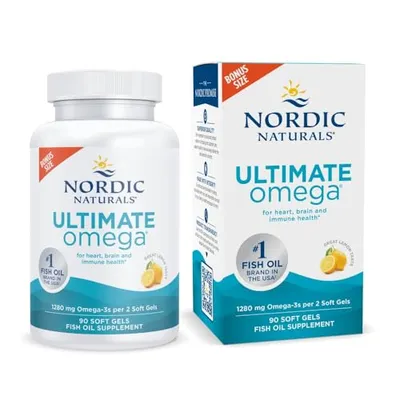
3Omega-3 (DHA)1-2g DHA dailyStrong
See top omega-3 (dha) picks →
4Creatine Monohydrate5g dailyModerate
See top creatine monohydrate picks →

Top Product Picks

As an Amazon Associate, we earn from qualifying purchases. Some links below are affiliate links — this doesn't affect our editorial independence or product ratings. How we evaluate products

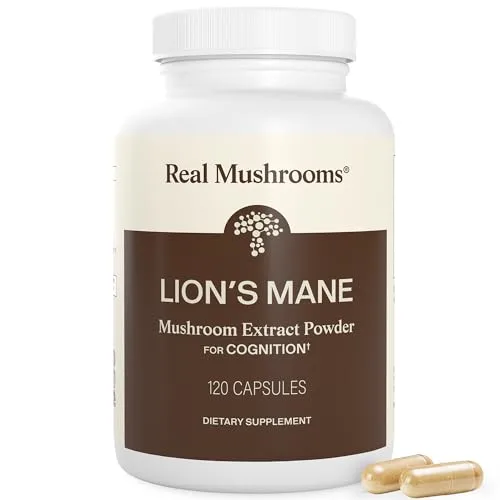
Real Mushrooms Lion's Mane

Real Mushrooms Lion's Mane

Real Mushrooms

9.3/10
Overall best lion's mane with verified beta-glucan content$0.58/serving
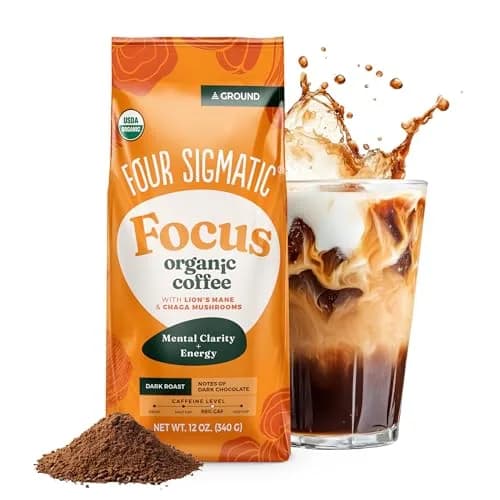
Four Sigmatic Focus Ground Coffee

Four Sigmatic Focus Ground Coffee

Four Sigmatic

9.2/10
Overall best mushroom coffee — flagship product with 20,499+ reviews and the highest bestseller rank in the category$1.47/serving
Sports Research Triple Strength Omega-3

Sports Research Triple Strength Omega-3

Sports Research

9.1/10
Heart health / EPA-predominant$0.31/serving
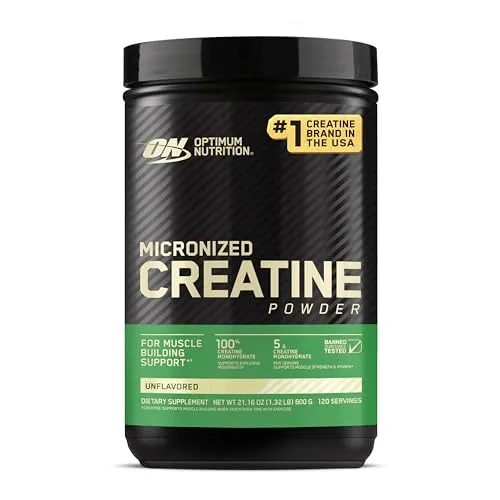
Optimum Nutrition Micronized Creatine Monohydrate Powder

Optimum Nutrition Micronized Creatine Monohydrate Powder

Optimum Nutrition

9.5/10
Athletes and anyone seeking the most researched form$0.23/serving

Detailed Ingredient Guides

Lion's Mane
Medicinal Mushroom
Lion's mane (Hericium erinaceus) is a medicinal mushroom that stimulates nerve growth factor (NGF), supporting cognitive function, memory, and neuroprotection. Clinical trials show benefits for mild cognitive impairment at 500-3000mg daily of fruiting body extract, typically noticeable after 4-8 weeks of consistent use.
Mushroom Coffee
Functional Coffee
Mushroom coffee blends real coffee (50-80mg caffeine per serving) with 250-1500mg medicinal mushroom extracts like lion's mane and chaga. It delivers beta-glucans for immune support and hericenones for cognitive function with roughly half the caffeine of regular coffee (95-200mg).
Omega-3
Essential Fatty Acid
Omega-3 fatty acids (EPA + DHA) reduce inflammation, support heart and brain health, and may improve mood. The REDUCE-IT trial showed high-dose EPA (4g/day) reduced cardiovascular events by 25%. Most adults benefit from 1,000-2,000mg combined EPA+DHA daily.
Creatine
Amino Acid Derivative
Creatine monohydrate at 3-5 g/day is the most evidence-backed sports supplement in existence. The International Society of Sports Nutrition (ISSN) position stand confirms it increases strength, power output, and lean mass. Loading is optional. Emerging evidence also supports cognitive and neuroprotective benefits.
Alpha-GPC
Cholinergic
Alpha-GPC is the most bioavailable choline supplement, efficiently crossing the blood-brain barrier to boost acetylcholine. At 300-1200mg daily it supports memory, focus, and power output. Preferred over choline bitartrate for nootropic and athletic applications.
Bacopa Monnieri
Adaptogenic Herb / Nootropic
Bacopa monnieri (Brahmi) is an Ayurvedic nootropic with strong clinical evidence for memory enhancement. At 300-600mg daily of standardized extract (45-55% bacosides), it reliably improves memory consolidation after 8-12 weeks. One of the most evidence-backed natural nootropics available.
CDP-Choline (Citicoline)
Cholinergic / Nootropic
CDP-Choline (citicoline) uniquely provides both choline for acetylcholine synthesis and uridine for dopamine and membrane support. At 250-500mg daily it enhances focus, memory, and attention. The Cognizin brand has the most clinical validation.
Creatine (Brain Health)
Amino Acid Derivative / Energy Buffer
Creatine is not just for muscles — the brain is one of the most energy-demanding organs, and creatine serves as a critical ATP buffer in neurons. At 3-5g daily, creatine monohydrate improves cognitive performance under stress, sleep deprivation, and mental fatigue.
Ginkgo Biloba
Herbal Extract
Ginkgo biloba (EGb 761) improves cerebral blood flow and provides antioxidant neuroprotection. At 120-240mg daily of standardized extract, it supports memory and may slow cognitive decline in older adults. The most widely prescribed herbal cognitive supplement in Europe.
Gotu Kola
Adaptogenic Herb
Gotu kola is an Ayurvedic brain tonic and wound-healing herb with evidence for anxiety reduction, cognitive enhancement, and skin/wound repair. Standard dose is 500-1000mg standardized extract daily (or 1-2g dried herb).
Huperzine A
Cholinesterase Inhibitor
Huperzine A is a potent natural acetylcholinesterase inhibitor from Chinese club moss. At 50-200mcg twice daily it raises brain acetylcholine, enhancing memory and providing neuroprotection. Its long half-life (10-14 hours) means cycling is recommended.
L-Theanine
Amino Acid
L-Theanine at 100-200 mg promotes calm focus by increasing alpha brain waves and neurotransmitter balance. Combined with caffeine, it enhances attention and reaction time while reducing caffeine jitteriness. A 2008 study showed 50 mg L-theanine significantly increased alpha wave activity within 30 minutes.
L-Tyrosine
Amino Acid
L-Tyrosine at 500-2,000 mg preserves cognitive performance during acute stress, sleep deprivation, and environmental extremes. Military research shows it maintains working memory and attention under conditions that normally impair them. Less beneficial under non-stressed conditions.
Noopept
Synthetic Nootropic
Noopept is a potent synthetic nootropic (1000x piracetam by weight) that enhances BDNF, NGF, and glutamate signaling. At 10-30mg daily it supports memory, learning, and neuroprotection. Rapid onset (15-20 minutes) with effects lasting 3-4 hours per dose.
Panax Ginseng
Adaptogenic Herb
Panax ginseng is the most widely researched ginseng species, with evidence supporting benefits for cognitive function, energy, immune support, and erectile dysfunction. A 2018 Cochrane-style review found moderate evidence for cognitive enhancement and fatigue reduction. Standard dose is 200-400mg extract standardized to 4-7% ginsenosides.
Paraxanthine
Nootropic / Stimulant
Paraxanthine is caffeine's primary active metabolite, delivering focus and alertness without jitters or anxiety. At 100-200mg it matches the cognitive benefits of 200-400mg caffeine while producing lower cortisol elevation and fewer side effects. A cleaner alternative to caffeine for daily energy.
Phenylpiracetam
Synthetic Nootropic / Racetam
Phenylpiracetam is a potent racetam (20-60x piracetam) with both nootropic and stimulant properties. At 100-200mg daily it enhances focus, motivation, and physical stamina. WADA-banned for athletic competition due to performance-enhancing effects.
Phosphatidylserine
Phospholipid
Phosphatidylserine is a brain phospholipid that directly blunts the cortisol stress response. Studies show 300-800mg reduces cortisol during physical and mental stress. It also supports cognitive function and may improve sleep quality by lowering evening cortisol levels.
Rhodiola Rosea
Adaptogen
A multicenter RCT (n=161) found that Rhodiola rosea extract significantly reduced stress-related fatigue by 20% and improved cognitive function during stressful conditions, such as short-term memory and associative thinking, compared to placebo.
Schisandra
Adaptogenic Berry
Schisandra is a liver-protective, stress-fighting adaptogen with evidence for hepatoprotection, cognitive enhancement, and physical performance. It was one of the three adaptogens studied by Soviet researchers. Standard dose is 500-1500mg dried berry extract daily.
Sulbutiamine
Synthetic B-Vitamin Derivative
Sulbutiamine is a fat-soluble thiamine derivative that crosses the blood-brain barrier to raise brain B1 levels far beyond regular thiamine. At 400-600mg daily it combats mental fatigue, supports motivation via dopamine modulation, and enhances memory formation.
Uridine
Nucleotide / Nootropic
Uridine monophosphate is a nucleotide that supports brain membrane synthesis, dopamine receptor density, and synaptogenesis. At 150-250mg daily (as UMP) it enhances mood and cognitive function. A key component of the uridine + DHA + choline synergy stack.
Vinpocetine
Cerebral Vasodilator
Vinpocetine is a periwinkle-derived compound that selectively increases cerebral blood flow and has neuroprotective properties. At 15-30mg daily it supports memory and cognitive function, particularly in cerebrovascular conditions. Widely prescribed in Europe as Cavinton.
Athletic Performance & Recovery
4 ingredients · $40–60/month
The evidence-based athletic performance stack is creatine monohydrate (5g/day maintenance), vitamin D3 (2000–4000 IU), omega-3 (2–3g EPA+DHA), and magnesium glycinate (300–400mg post-workout). Creatine is the most studied performance supplement in existence. The other three address the foundational deficiencies that silently cap performance and slow recovery in most athletes.
Cognitive Performance & Focus
4 ingredients · $55–80/month
The most evidence-backed cognitive stack uses lion's mane (500–1000mg extract), bacopa monnieri (300mg standardized to 55% bacosides), omega-3 (2g EPA+DHA daily), and L-theanine (100–200mg with caffeine). Lion's mane and bacopa build long-term neuroplasticity; omega-3 provides structural support; L-theanine+caffeine delivers clean acute focus.
Longevity & Healthy Aging
4 ingredients · $60–90/month
The most evidence-backed longevity foundation stack includes CoQ10 as ubiquinol (200–400mg), omega-3 fatty acids (2–3g EPA+DHA), vitamin D3 with K2 (2000–4000 IU D3 + 100–200mcg MK-7), and magnesium glycinate (200–400mg). These address the four most documented aging mechanisms: mitochondrial decline, inflammation, calcium dysregulation, and deficiency-driven accelerated aging.
Sleep Optimization
3 ingredients · $35–55/month
The most evidence-backed sleep stack combines magnesium glycinate (400mg), L-theanine (200mg), and ashwagandha KSM-66 (300–600mg), all taken 30–60 minutes before bed. This trio addresses the three main drivers of poor sleep: magnesium deficiency, overactive nervous system arousal, and elevated cortisol.

Related Conditions

Related Research

Learn More

Frequently Asked Questions

How long do focus supplements take to work?

Mushroom coffee provides acute effects within 30-60 minutes due to its caffeine content, though the adaptogenic benefits build over 2-4 weeks. Lion's mane requires the longest commitment—most studies showing cognitive improvement used 8-16 week protocols, as nerve growth factor stimulation is a gradual process. Omega-3 DHA typically shows measurable cognitive effects at 4-8 weeks as neuronal membranes incorporate the fatty acids. Creatine saturates brain tissue in approximately 4 weeks at 5g daily.

Evidence:RCT (2009) · n=30 · moderate confidence[#1]. See full reference list below.

Can I stack multiple focus supplements together?

Yes, stacking focus supplements that target different pathways is both safe and potentially synergistic. A practical evidence-based stack would be mushroom coffee in the morning (for acute focus via caffeine + lion's mane), omega-3 DHA with meals (for long-term neuronal support), and creatine at any consistent time (for cerebral energy). Since these compounds work through distinct mechanisms—NGF stimulation, membrane integrity, and ATP production—there is no redundancy or interaction concern.

Is mushroom coffee better than regular coffee for focus?

Mushroom coffee typically contains 50-80mg of caffeine (vs 95-200mg in regular coffee), combined with adaptogenic mushroom extracts like lion's mane and chaga. The reduced caffeine dose is less likely to cause jitters, anxiety, or afternoon crashes, while the mushroom compounds provide complementary cognitive support through nerve growth factor stimulation and anti-inflammatory effects. For sustained, calm focus without the spike-and-crash pattern, mushroom coffee may be preferable to high-caffeine regular coffee.

Built from 2,400+ clinical studies. Join the weekly research brief.

No spam. Unsubscribe anytime.

Continue Reading

References

  1. RCTMori K, Inatomi S, Ouchi K, Azumi Y, Tuchida T (2009). Improving Effects of the Mushroom Yamabushitake (Hericium erinaceus) on Mild Cognitive Impairment: A Double-Blind Placebo-Controlled Clinical Trial. Phytotherapy Research. DOI PubMed
  2. Meta-analysisYurko-Mauro K, Alexander DD, Van Elswyk ME (2015). Docosahexaenoic Acid and Adult Memory: A Systematic Review and Meta-Analysis. PLoS One. DOI PubMed