Supplement ScienceSupplementScience
Energy & Fatigue

Best Supplements for Energy & Fatigue

Prevalence: 45% of Americans report persistent tiredness; fatigue is among the top 10 reasons for primary care visits

·

This content is for informational purposes only and does not constitute medical advice. Statements about dietary supplements have not been evaluated by the FDA and are not intended to diagnose, treat, cure, or prevent any disease. Individual results may vary — consult your healthcare provider before starting any supplement. Full disclaimer

The best supplements for energy and fatigue are creatine (5g daily, which directly increases cellular ATP...

The best supplements for energy and fatigue are creatine (5g daily, which directly increases cellular ATP availability), nitric oxide precursors (6-8g L-citrulline, which improves blood flow and oxygen delivery), and beet root (300-500mg dietary nitrate for endurance). For chronic fatigue specifically, correcting common deficiencies — iron, vitamin D, and B12 — often produces the most dramatic improvement.

Get the free evidence-based Energy & Fatigue guide — delivered in 60 seconds.

No spam. Unsubscribe anytime.

Overview

Persistent fatigue and low energy affect an estimated 45% of Americans, making tiredness one of the most common complaints in primary care. While caffeine is the default solution for most people, true cellular energy depends on efficient mitochondrial function, adequate oxygen delivery, and optimized substrate availability. Several supplements support energy production through mechanisms entirely distinct from caffeine stimulation — including enhancing ATP synthesis, improving blood flow and oxygen delivery, and supporting mitochondrial efficiency.
Understanding Energy & Fatigue

Persistent low energy — distinct from sleepiness — typically reflects impaired cellular energy production in mitochondria. Every cell in your body generates ATP (adenosine triphosphate) through the electron transport chain, which requires specific cofactors: CoQ10, B vitamins (B1, B2, B3, B5), iron, magnesium, and alpha-lipoic acid. When any of these are deficient, ATP output drops and you feel it as fatigue, brain fog, and reduced physical stamina. The most common drivers of supplement-responsive fatigue are iron deficiency (affecting 10% of women), vitamin B12 deficiency (especially in vegans/vegetarians and adults over 50), vitamin D deficiency (linked to fatigue in 42% of deficient individuals), and subclinical magnesium deficiency (affecting 48% of Americans). Addressing these specific deficiencies produces dramatic energy improvements — but only if the deficiency exists. Taking energy supplements without a deficiency rarely helps.

What the Research Shows

Iron deficiency is the most evidence-backed cause of supplement-responsive fatigue. A 2012 RCT by Vaucher et al. in the Canadian Medical Association Journal found that iron supplementation (80mg ferrous sulfate daily) reduced fatigue scores by 48% in non-anemic women with low ferritin (<50 μg/L) over 12 weeks. Importantly, fatigue improved even without anemia, suggesting that low iron stores alone impair energy production. CoQ10 has strong evidence for fatigue, particularly in aging adults and statin users. A 2014 meta-analysis by Mizuno et al. showed significant improvements in physical fatigue and exercise tolerance with CoQ10 supplementation at 100-300mg daily. CoQ10 is a direct electron carrier in the mitochondrial respiratory chain — deficiency literally reduces ATP output. B12 deficiency causes fatigue through impaired red blood cell production and neurological dysfunction. A 2019 study in Nutrients found that correcting B12 deficiency (<200 pg/mL) resolved fatigue in 72% of deficient patients within 4-8 weeks. Methylcobalamin or adenosylcobalamin forms are preferred over cyanocobalamin. Rhodiola rosea shows anti-fatigue effects within days — a 2012 systematic review by Hung et al. found significant improvements in both physical and mental fatigue across 11 trials, with effects detectable from a single dose.

What to Look For in Supplements

Test first: serum ferritin (iron stores), vitamin B12, 25(OH)D (vitamin D), and RBC magnesium. Only supplement nutrients you are actually deficient in. For iron, bisglycinate (Ferrochel) is best tolerated — take with vitamin C and away from calcium/coffee/tea. For CoQ10, ubiquinol at 100-200mg daily with fat. For B12, methylcobalamin 1,000mcg sublingual for mild deficiency. For rhodiola, extracts standardized to 3% rosavins and 1% salidroside (SHR-5 is the most studied form).

What Doesn't Work (And Why)

General multivitamins rarely resolve fatigue because mineral doses are too low to correct deficiencies. 'Energy blend' supplements with caffeine, taurine, and B vitamins are stimulants, not solutions — they mask fatigue temporarily while the underlying cause persists. Ginseng has inconsistent evidence for fatigue; positive results are mostly from low-quality trials. IV vitamin infusions (Myers cocktails) lack RCT evidence and are expensive — oral supplementation achieves the same tissue levels for most nutrients.

Combination Protocol

Step 1: Test ferritin, B12, vitamin D, and RBC magnesium. Step 2: Supplement only documented deficiencies — iron bisglycinate (18-36mg elemental if ferritin <50), B12 methylcobalamin (1,000mcg sublingual if <300 pg/mL), vitamin D3 (2,000-4,000 IU if <30 ng/mL), magnesium glycinate (300-400mg if RBC-Mg is low). Step 3: For non-deficiency fatigue, consider CoQ10 ubiquinol (100-200mg daily) and rhodiola rosea (200-400mg standardized extract). These target mitochondrial function and stress-mediated fatigue respectively. Expect improvement within 2-4 weeks for rhodiola and 4-8 weeks for CoQ10 and nutrient repletion.

Top Evidence-Based Supplements for Energy & Fatigue

#SupplementTypical DoseEvidence
1Nitric Oxide (L-Citrulline)6-8g L-citrulline dailyStrong
See top nitric oxide (l-citrulline) picks →
2Creatine Monohydrate5g dailyStrong
See top creatine monohydrate picks →

Top Product Picks

As an Amazon Associate, we earn from qualifying purchases. Some links below are affiliate links — this doesn't affect our editorial independence or product ratings. How we evaluate products

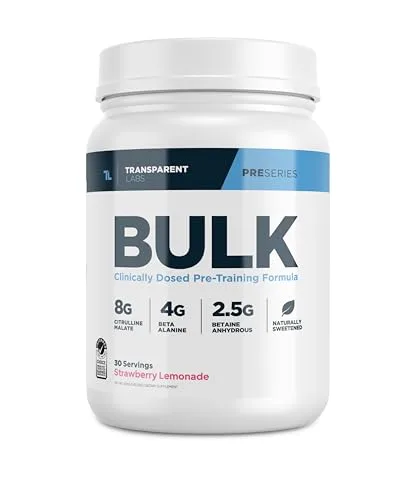
Transparent Labs Bulk Pre-Workout

Transparent Labs Bulk Pre-Workout

Transparent Labs

9.2/10
Overall pre-workout with clinical citrulline dose$1.67/serving
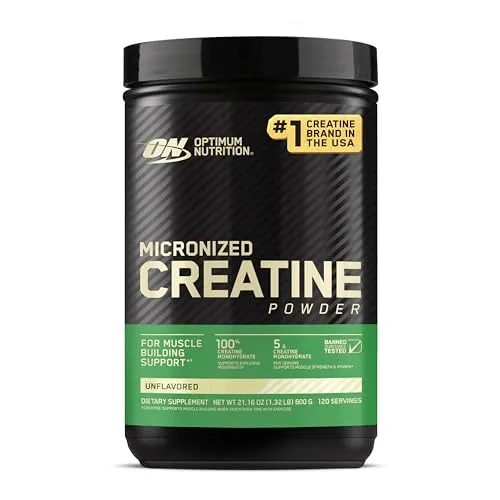
Optimum Nutrition Micronized Creatine Monohydrate Powder

Optimum Nutrition Micronized Creatine Monohydrate Powder

Optimum Nutrition

9.5/10
Athletes and anyone seeking the most researched form$0.23/serving

Detailed Ingredient Guides

Nitric Oxide
Vasodilator / Performance
Nitric oxide supplements work by providing precursors (L-citrulline or dietary nitrate) that the body converts to NO. L-citrulline at 6-8g daily is the most effective precursor, raising blood NO levels more than L-arginine. Beetroot provides an alternative pathway via dietary nitrate. Benefits include improved blood flow, exercise performance, and blood pressure reduction.
Creatine
Amino Acid Derivative
Creatine monohydrate at 3-5 g/day is the most evidence-backed sports supplement in existence. The International Society of Sports Nutrition (ISSN) position stand confirms it increases strength, power output, and lean mass. Loading is optional. Emerging evidence also supports cognitive and neuroprotective benefits.
Beet Root
Superfood / Nitric Oxide Booster
Beet root is a potent source of dietary nitrate that the body converts to nitric oxide, lowering blood pressure by 3-10 mmHg and improving exercise endurance by 3-5%. Take 300-500mg dietary nitrate daily (equivalent to ~5-7g powder) for cardiovascular and performance benefits.
Greens Powder
Superfood Blend
Greens powders deliver concentrated phytonutrients from spirulina, chlorella, wheatgrass, and other green superfoods. A 2009 study found a greens blend increased blood antioxidant levels by 30%. Look for formulas with digestive enzymes, probiotics, and minimal added sugar. Standard dosing is 5-12g powder daily (1 scoop).
Spirulina
Superfood Algae
Spirulina is a nutrient-dense blue-green algae rich in phycocyanin, a potent antioxidant. Clinical trials show it reduces LDL cholesterol by ~16%, modulates immune response, and relieves allergic rhinitis symptoms. Standard dose is 1-3g daily, up to 8g in clinical settings.
Moringa
Herbal Supplement
Moringa is a nutrient-dense plant with emerging evidence for reducing inflammation, lowering blood sugar, and supporting immune function. Take 3-5g of leaf powder or 150-500mg of standardized extract daily. Results typically appear within 2-4 weeks for blood sugar effects.
MCT Oil
Fatty Acid Supplement
MCT oil rapidly converts to ketones for fast energy and mental clarity, with moderate evidence for weight management and emerging evidence for cognitive support. Take 1-2 tablespoons (15-30ml) daily, starting with 1 teaspoon to assess tolerance.
Acetyl-L-Carnitine (ALCAR)
Amino Acid
ALCAR crosses the blood-brain barrier to support brain energy metabolism and acetylcholine production. Clinical evidence supports 1.5-3 g/day for neuropathic pain, cognitive decline in the elderly, and as an adjunct for depression. It is the preferred carnitine form for neurological applications.
B-Complex
Water-Soluble Vitamin Complex
B-Complex provides all 8 essential B vitamins for energy, nervous system, and methylation support. Particularly beneficial for vegans, older adults, pregnant women, and people on B-depleting medications. Choose active/coenzymated forms (methylfolate, methylcobalamin, P-5-P) for optimal utilization.
Vitamin B7 (Biotin)
Water-Soluble Vitamin
Biotin is essential for fat and carbohydrate metabolism. While widely promoted for hair and nails, evidence in non-deficient individuals is limited. Deficiency is rare. FDA warns that biotin supplements can interfere with lab tests including troponin and thyroid panels.
Caffeine (Weight Management)
Stimulant
Caffeine at 100-400 mg/day increases metabolic rate by 3-11% and fat oxidation by 10-29%. A 2019 meta-analysis confirmed caffeine intake is associated with reduced body weight, BMI, and fat mass. Tolerance develops over time, but the metabolic effects persist to some degree with regular use.
Coenzyme Q10 (CoQ10)
Coenzyme / Antioxidant
CoQ10 is a mitochondrial coenzyme essential for cellular energy production and a powerful antioxidant. The landmark Q-SYMBIO trial (2014) showed CoQ10 reduced major cardiovascular events by 43% in heart failure patients. Standard dose is 100-300mg daily, with ubiquinol being approximately 2x more bioavailable than ubiquinone.
Cordyceps
Medicinal Mushroom
Cordyceps is a medicinal mushroom adaptogen with emerging evidence for improving exercise performance, oxygen utilization, and energy. Cordyceps militaris (fruiting body) is preferred over CS-4 mycelium. Standard dose is 1-3g daily or 500-1000mg concentrated extract.
Creatine (Brain Health)
Amino Acid Derivative / Energy Buffer
Creatine is not just for muscles — the brain is one of the most energy-demanding organs, and creatine serves as a critical ATP buffer in neurons. At 3-5g daily, creatine monohydrate improves cognitive performance under stress, sleep deprivation, and mental fatigue.
D-Aspartic Acid
Amino Acid
D-Aspartic Acid stimulates LH and testosterone release from the hypothalamus-pituitary-testes axis. One study showed a 42% testosterone increase in healthy men at 3.12 g/day for 12 days. However, results are inconsistent — studies in resistance-trained men show no significant testosterone elevation.
L-Carnitine
Amino Acid
L-Carnitine shuttles fatty acids into mitochondria for energy production. Its strongest evidence is in cardiovascular health — a meta-analysis showed 27% reduced mortality post-heart attack at 2-3 g/day. Fat-burning claims are not well supported in healthy, well-nourished individuals.
L-Ornithine
Amino Acid
L-Ornithine supports ammonia detoxification via the urea cycle, reducing exercise fatigue and supporting liver function. At 2-6 g/day, it may improve sleep quality, reduce perceived fatigue during prolonged exercise, and support recovery in hepatic encephalopathy.
Maca Root
Adaptogenic Root
Maca root is a Peruvian adaptogen with moderate evidence for improving sexual desire, fertility, mood, and menopausal symptoms. It works differently from other adaptogens — not primarily through cortisol modulation. Standard dose is 1.5-3g gelatinized maca powder daily.
Panax Ginseng
Adaptogenic Herb
Panax ginseng is the most widely researched ginseng species, with evidence supporting benefits for cognitive function, energy, immune support, and erectile dysfunction. A 2018 Cochrane-style review found moderate evidence for cognitive enhancement and fatigue reduction. Standard dose is 200-400mg extract standardized to 4-7% ginsenosides.
Paraxanthine
Nootropic / Stimulant
Paraxanthine is caffeine's primary active metabolite, delivering focus and alertness without jitters or anxiety. At 100-200mg it matches the cognitive benefits of 200-400mg caffeine while producing lower cortisol elevation and fewer side effects. A cleaner alternative to caffeine for daily energy.
Phenylpiracetam
Synthetic Nootropic / Racetam
Phenylpiracetam is a potent racetam (20-60x piracetam) with both nootropic and stimulant properties. At 100-200mg daily it enhances focus, motivation, and physical stamina. WADA-banned for athletic competition due to performance-enhancing effects.
PQQ (Pyrroloquinoline Quinone)
Cofactor / Mitochondrial Biogenesis
PQQ is a redox cofactor that uniquely stimulates mitochondrial biogenesis via PGC-1α activation. A 2012 trial by Itoh et al. showed 20mg PQQ daily improved cognitive function and reduced fatigue in middle-aged adults. Standard dose is 10-20mg daily.
Rhodiola Rosea
Adaptogen
A multicenter RCT (n=161) found that Rhodiola rosea extract significantly reduced stress-related fatigue by 20% and improved cognitive function during stressful conditions, such as short-term memory and associative thinking, compared to placebo.
Shilajit
Mineral Adaptogen
Shilajit is a mineral-rich Himalayan exudate with emerging evidence for testosterone support, mitochondrial energy, and anti-aging. Fulvic acid enhances CoQ10 and nutrient absorption. Standard dose is 250-500mg purified shilajit daily (PrimaVie is the most studied form).
Siberian Ginseng (Eleuthero)
Adaptogenic Herb
Siberian ginseng (eleuthero) is a mild adaptogen with evidence for improving endurance, reducing fatigue, and supporting immune function. Soviet-era research and modern trials support doses of 300-1200mg daily of root extract standardized to eleutherosides.
Sulbutiamine
Synthetic B-Vitamin Derivative
Sulbutiamine is a fat-soluble thiamine derivative that crosses the blood-brain barrier to raise brain B1 levels far beyond regular thiamine. At 400-600mg daily it combats mental fatigue, supports motivation via dopamine modulation, and enhances memory formation.
Vitamin B1 (Thiamine)
Water-Soluble Vitamin
Vitamin B1 (thiamine) is essential for energy metabolism and nerve function. Deficiency causes beriberi and brain damage. Most adults need 1.1-1.2 mg daily, but higher doses (100-300 mg benfotiamine) may help diabetic neuropathy.
Vitamin B12
Water-Soluble Vitamin
Vitamin B12 is essential for energy production, nerve health, and red blood cell formation. Deficiency affects up to 20% of older adults and can cause fatigue, brain fog, and neuropathy. Methylcobalamin is the preferred supplemental form at 500-2,000 mcg daily, and it also helps lower homocysteine levels for cardiovascular protection.
Vitamin B2 (Riboflavin)
Water-Soluble Vitamin
Vitamin B2 (riboflavin) is essential for energy metabolism and has strong evidence for migraine prevention at 400 mg daily. A key RCT found it reduced migraine frequency by 50%. Most adults need just 1.1-1.3 mg daily for basic needs.
Vitamin B3 (Niacin)
Water-Soluble Vitamin
Vitamin B3 exists as niacin, niacinamide, and nicotinamide riboside — all precursors to NAD+, essential for 400+ metabolic reactions. Niacin raises HDL cholesterol but causes flushing. Niacinamide supports skin health without flushing. NR is a newer NAD+ booster studied for aging.
Vitamin B5 (Pantothenic Acid)
Water-Soluble Vitamin
Vitamin B5 is essential for CoA synthesis, energy metabolism, and hormone production. Found in virtually all foods, deficiency is rare. Pantethine (600-900 mg) may modestly lower cholesterol, and topical panthenol supports wound healing and skin hydration.
Wheatgrass
Superfood Grass
Wheatgrass is a chlorophyll-rich young grass with antioxidant and anti-inflammatory properties. Preliminary clinical evidence shows potential benefits for anemia, ulcerative colitis, and blood sugar regulation, though large-scale trials are lacking.
Sea Moss
Sea Vegetable
Sea moss is a mineral-rich red algae containing iodine, potassium, and bioactive polysaccharides. It supports thyroid function through iodine content and shows prebiotic potential, but most health claims lack human clinical trial evidence.
Bee Pollen
Bee Product
Bee pollen is a nutrient-dense bee product rich in proteins, flavonoids, and antioxidants. Emerging evidence supports anti-inflammatory and immune-modulating properties, though most research is preclinical. Standard dose is 3-5 teaspoons of granules daily.
Royal Jelly
Bee Product
Royal jelly is a bee-produced substance uniquely rich in 10-HDA, a fatty acid with hormonal, anti-inflammatory, and immune-modulating properties. Emerging clinical evidence supports benefits for menopause symptoms, fertility, and skin health.
Coconut Oil
Plant Oil
Coconut oil provides medium-chain triglycerides (MCTs) that convert rapidly to ketones for brain fuel, plus lauric acid with antimicrobial properties. At 1-2 tablespoons daily, it may support cognitive function and energy, though its effect on LDL cholesterol remains controversial.

Related Conditions

Related Research

Learn More

Frequently Asked Questions

What supplements boost energy without caffeine?

Creatine (5g daily) directly increases cellular ATP — the fundamental energy currency of all cells. L-citrulline (6-8g) improves oxygen delivery by boosting nitric oxide and blood flow [1]. Beet root (300-500mg dietary nitrate) uses a similar mechanism through a different pathway. These work through genuine energy-production mechanisms rather than simply masking fatigue the way caffeine does. Greens powder can also help if your fatigue is related to micronutrient deficiencies, which are surprisingly common.

Evidence:Meta-analysis (2019) · 7 RCTs · high confidence[#1]. See full reference list below.

How long do energy supplements take to work?

L-citrulline and beet root provide acute effects within 1-3 hours of ingestion as NO levels rise. Creatine requires 3-4 weeks of daily dosing to fully saturate muscle and brain phosphocreatine stores. Greens powder benefits accumulate over 2-4 weeks as micronutrient status improves. Unlike caffeine, none of these cause tolerance, dependence, or withdrawal — their mechanisms support actual energy production rather than masking fatigue.

What supplements help with chronic fatigue?

For chronic fatigue, address deficiencies first: iron (if ferritin is low), vitamin B12 (1,000mcg methylcobalamin), and vitamin D (2,000-4,000 IU). CoQ10 (200-300mg ubiquinol) is well-supported for energy production at the mitochondrial level. Ashwagandha (600mg KSM-66) reduced fatigue scores by 44% in a 2019 RCT. Creatine (5g daily) also helps cellular energy but is often overlooked for this purpose.

Continue Reading

References

  1. Meta-analysisTrexler ET, Persky AM, Ryan ED, Schwartz TA, Stoner L, Smith-Ryan AE (2019). Acute Effects of Citrulline Supplementation on High-Intensity Strength and Power Performance: A Systematic Review and Meta-Analysis. Sports Medicine. DOI PubMed
  2. ReviewKreider RB, Kalman DS, Antonio J, et al. (2017). International Society of Sports Nutrition position stand: safety and efficacy of creatine supplementation in exercise, sport, and medicine. Journal of the International Society of Sports Nutrition. DOI PubMed
  3. ReviewDominguez R, Cuenca E, Mate-Munoz JL, et al. (2017). Effects of beetroot juice supplementation on cardiorespiratory endurance in athletes. A systematic review. Nutrients. DOI PubMed