Supplement ScienceSupplementScience
Chronic Fatigue Syndrome

Best Supplements for Chronic Fatigue Syndrome

Prevalence: The Centers for Disease Control and Prevention (CDC) estimates that between 836,000 and 2.5 million Americans living with Myalgic Encephalomyelitis/Chronic Fatigue Syndrome (ME/CFS).

·

This content is for informational purposes only and does not constitute medical advice. Statements about dietary supplements have not been evaluated by the FDA and are not intended to diagnose, treat, cure, or prevent any disease. Individual results may vary — consult your healthcare provider before starting any supplement. Full disclaimer

CoQ10 (200-300mg ubiquinol daily) has the strongest evidence for supporting mitochondrial ATP production in chronic...

CoQ10 (200-300mg ubiquinol daily) has the strongest evidence for supporting mitochondrial ATP production in chronic fatigue. Rhodiola rosea (370mg/day SHR-5) is supported by a multicenter RCT (n=161) showing a 20% reduction in stress-related fatigue.

Get the free evidence-based Chronic Fatigue Syndrome guide — delivered in 60 seconds.

No spam. Unsubscribe anytime.

Overview

Chronic Fatigue Syndrome involves persistent, debilitating exhaustion often linked to mitochondrial dysfunction and dysregulated HPA axis activity. Evidence supports CoQ10 (200-300mg ubiquinol daily) for supporting mitochondrial ATP production and Rhodiola rosea (370mg/day SHR-5 extract) which a multicenter RCT (n=161) showed reduced stress-related fatigue by 20%. Management also requires addressing underlying nutritional deficiencies in iron, vitamin D, and B12 to restore cellular energy metabolism.
Understanding Chronic Fatigue Syndrome

Chronic Fatigue Syndrome (CFS), also known as Myalgic Encephalomyelitis (ME/CFS), involves complex biological dysfunctions, primarily centered on mitochondrial impairment and cellular energy production. At the cellular level, the mitochondria—the organelles responsible for generating adenosine triphosphate (ATP)—fail to produce sufficient energy to meet metabolic demands. This deficit is linked to disruptions in the electron transport chain and oxidative stress, which damages mitochondrial membranes and reduces the efficiency of ATP synthesis. Supplementation strategies target these specific metabolic pathways. Coenzyme Q10 (CoQ10) is utilized to support the electron transport chain, specifically facilitating the transfer of electrons to optimize ATP production. D-ribose serves as a structural component for the ribose sugar in the ATP molecule, aiming to replenish cellular energy stores. For fatigue driven by psychological or physiological stress, adaptogens like Rhodiola rosea address the hypothalamic-pituitary-adrenal (HPA) axis. A multicenter RCT (n=161) demonstrated that a 370mg/day dose of Rhodiola rosea extract reduced stress-related fatigue by 20% on the fatigue index. While these mechanisms provide a framework for intervention, the precise etiology of CFS remains under investigation, and large-scale human RCTs specifically for CFS populations are limited.

What the Research Shows

Chronic Fatigue Syndrome (CFS) and general fatigue involve complex physiological disruptions, primarily centered on mitochondrial dysfunction, HPA-axis dysregulation, and nutrient deficiencies. Research indicates that targeting ATP production and cortisol modulation provides the most measurable improvements in fatigue severity. Coenzyme Q10 (CoQ10) has strong evidence for supporting mitochondrial function. CoQ10 is a critical component of the electron transport chain, facilitating the transfer of electrons to produce adenosine triphosphate (ATP). In patients with mitochondrial-related fatigue, supplementation with CoQ10, specifically in the ubiquinol form due to its higher bioavailability, addresses the deficit in cellular energy production. While large-scale RCTs like the Q-SYMBIO trial focused on cardiovascular mortality and functional class in heart failure patients, smaller studies and clinical observations suggest that doses of 200-300mg daily assist in reducing fatigue in broader populations by optimizing oxidative phosphorylation. Rhodiola rosea acts as an adaptogen to mitigate stress-induced exhaustion. A multicenter RCT involving 161 participants demonstrated that a 370mg daily dose of Rhodiola rosea extract (SHR-5) reduced stress-related fatigue by 20% on a standardized fatigue index. This study also noted improvements in cognitive functions, including short-term memory and associative thinking, under stressful conditions. A 2012 systematic review of multiple RCTs supports the use of Rhodiola rosea for fatigue reduction, with recommended dosages ranging from 200mg to 600mg of extract standardized to 3% rosavins and 1% salidroside. Ashwagandha provides evidence-based support for HPA-axis regulation. A meta-analysis of five RCTs found that Ashwagandha (specifically the KSM-66 extract at 300-600mg) reduced serum cortisol levels by 23% and perceived stress scores by 44%. This mechanism is relevant for CFS patients experiencing burnout or adrenal insufficiency, as it blunts the excessive cortisol response to acute stressors. D-ribose is utilized to support cellular energy through the pentose phosphate pathway. D-ribose is a structural component of the nucleotide backbone required for ATP synthesis. While human RCTs specifically targeting CFS are fewer than those for CoQ10, clinical applications suggest that 5g doses taken three times daily assist in restoring ATP levels in tissues with high metabolic demands. Creatine monohydrate offers a direct mechanism for increasing cellular ATP availability. By donating a phosphate group to ADP, creatine facilitates the rapid regeneration of ATP. This is particularly relevant for physical fatigue and muscle recovery. Correcting micronutrient deficiencies is a foundational requirement. Low levels of iron, Vitamin D, and Vitamin B12 are frequently observed in fatigue populations. For example, B-complex vitamins act as essential cofactors in energy metabolism; B12 deficiency directly impairs neurological function and red blood cell production, leading to profound lethargy. Evidence for these interventions is strong, as the effect is the reversal of a specific biochemical deficiency rather than a general stimulation.

What to Look For in Supplements

When selecting supplements for chronic fatigue, prioritize bioavailability and standardized concentrations. For CoQ10, select the ubiquinol form rather than ubiquinone to ensure higher absorption rates, as ubiquinol is the reduced, more bioavailable state. Clinical data suggests doses of 200-300mg daily for mitochondrial support. For Rhodiola rosea, verify the extract is standardized to contain at least 3% rosavins and 1% salidroside to ensure the presence of active compounds identified in multicenter RCTs. Avoid generic Rhodiola powders that lack these specific standardization markers. For B-complex vitamins, prioritize methylated forms such as methylcobalamin (B12) and methylfolate (B9) to bypass potential genetic polymorphisms in the MTHFR enzyme that impair standard folate conversion. If addressing iron deficiency, use iron bisglycinate to minimize gastrointestinal distress compared to ferrous sulfate. Third-party testing is mandatory to ensure label accuracy and the absence of heavy metals. Look for certifications from NSF International, USP, or Informed Sport. These verifications confirm that the mg dosage stated on the label matches the actual content and that the product is free from contaminants. Because chronic fatigue management involves long-term supplementation, verifying purity via independent testing reduces the risk of cumulative toxin exposure.

What Doesn't Work (And Why)

Many supplements marketed for Chronic Fatigue Syndrome lack high-quality human evidence. High-dose caffeine and synthetic stimulant blends are frequently sold as energy solutions, but these do not address the underlying mitochondrial or neuroendocrine dysfunction associated with chronic fatigue. In patients with CFS, caffeine often leads to a rebound effect or exacerbates sleep fragmentation, which worsens daytime fatigue. Similarly, detoxifying protocols or heavy metal chelation products lack clinical validation for fatigue reduction and pose risks of electrolyte imbalances. While some products claim to rebalance hormones through proprietary herbal blends, human RCTs fail to demonstrate that these combinations improve fatigue scores in CFS populations specifically. Most evidence for these products is anecdotal or derived from small-scale observational studies rather than rigorous, placebo-controlled trials. Relying on stimulants provides a temporary blockade of adenosine receptors rather than increasing cellular ATP production or addressing the metabolic deficits seen in clinical CFS.

Combination Protocol

To target mitochondrial dysfunction and stress-induced fatigue, consider a stack of CoQ10, D-ribose, and Rhodiola rosea. For mitochondrial support, take 200-300mg of CoQ10 in its ubiquinol form daily with a fat-containing meal to maximize absorption via lipid-mediated pathways. Combine this with 5g of D-ribose taken three times daily to provide the pentose sugar backbone required for ATP resynthesis. This combination addresses the cellular energy deficit central to chronic fatigue. To manage the psychological component of fatigue, add 200-400mg of Rhodiola rosea (standardized to 3% rosavins) in the morning. A multicenter RCT (n=161) demonstrated that this specific extract reduced stress-related fatigue by 20% on the fatigue index. Avoid taking Rhodiola in the evening to prevent sleep onset interference. While the synergy between ATP precursors and adaptogens is biologically plausible, human RCTs specifically testing this three-part combination are non-existent; evidence for individual components remains the primary basis for this protocol.

Top Evidence-Based Supplements for Chronic Fatigue Syndrome

#SupplementTypical DoseEvidence
1Ubiquinol200-300mg dailyModerate
See top ubiquinol picks →
2Rhodiola rosea (SHR-5 extract)370mg dailyModerate
See top rhodiola rosea (shr-5 extract) picks →
3Ashwagandha (KSM-66)300-600mg dailyModerate
See top ashwagandha (ksm-66) picks →
4D-ribose5g, three times dailyEmerging
See d-ribose research →
5Phosphatidylserine400-800mg dailyModerate
See top phosphatidylserine picks →

Top Product Picks

As an Amazon Associate, we earn from qualifying purchases. Some links below are affiliate links — this doesn't affect our editorial independence or product ratings. How we evaluate products

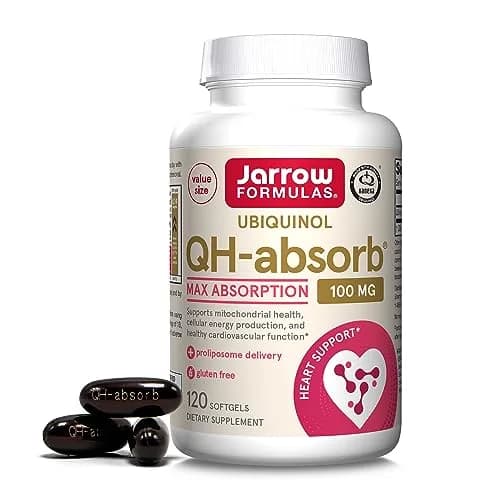
Jarrow Formulas QH-Absorb Ubiquinol 100mg

Jarrow Formulas QH-Absorb Ubiquinol 100mg

Jarrow Formulas

9.3/10
Overall best ubiquinol CoQ10$0.81/serving
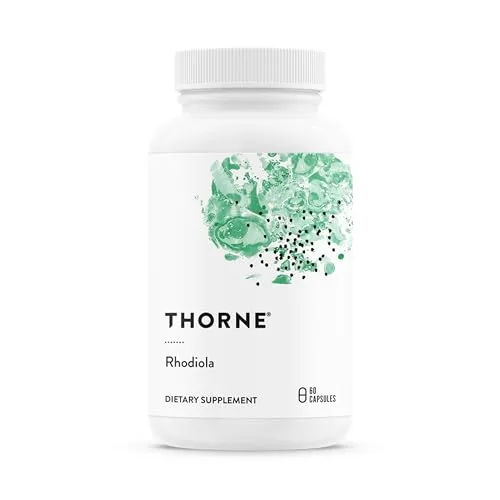
Thorne Rhodiola Rosea

Thorne Rhodiola Rosea

THORNE

9.2/10
Overall best rhodiola with NSF certification$0.39/serving
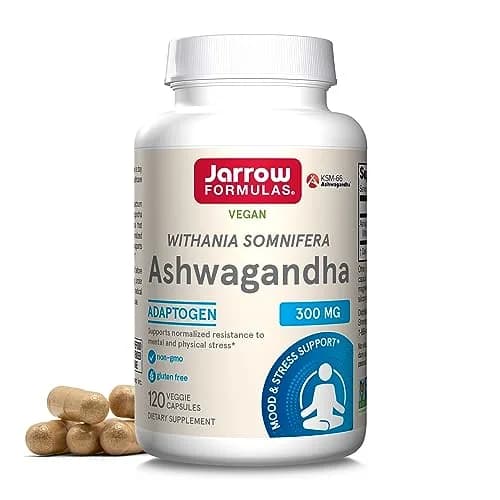
Sports Research Organic Ashwagandha KSM-66

Sports Research Organic Ashwagandha KSM-66

Sports Research

8.5/10
Organic ashwagandha at the full clinical dose with KSM-66 extract$0.37/serving
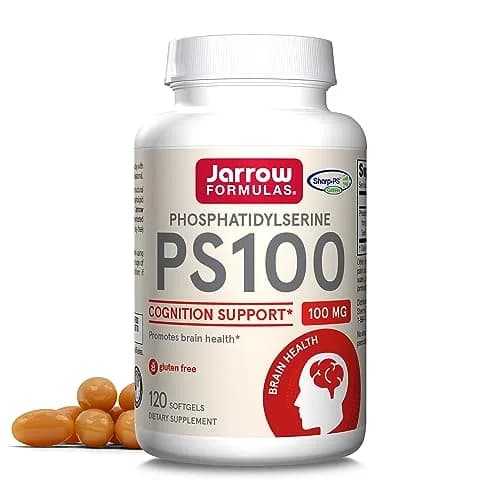
Jarrow Formulas PS 100

Jarrow Formulas PS 100

Jarrow Formulas

9.1/10
Overall best phosphatidylserine for cognitive support$0.90/serving

Detailed Ingredient Guides

Coenzyme Q10 (CoQ10)
Coenzyme / Antioxidant
CoQ10 is a mitochondrial coenzyme essential for cellular energy production and a powerful antioxidant. The landmark Q-SYMBIO trial (2014) showed CoQ10 reduced major cardiovascular events by 43% in heart failure patients. Standard dose is 100-300mg daily, with ubiquinol being approximately 2x more bioavailable than ubiquinone.
D-Ribose
Sugar / Energy Metabolism
D-ribose at 5-15 g/day is a structural precursor to ATP and may accelerate ATP recovery after intense exercise or ischemia. Evidence for athletic performance enhancement is limited and mixed. The strongest evidence is in cardiac patients with heart failure or ischemic heart disease, where ribose improved diastolic function and exercise tolerance (Omran et al., 2003). For healthy athletes, benefits are unproven.
Rhodiola Rosea
Adaptogen
A multicenter RCT (n=161) found that Rhodiola rosea extract significantly reduced stress-related fatigue by 20% and improved cognitive function during stressful conditions, such as short-term memory and associative thinking, compared to placebo.
B-Complex
Water-Soluble Vitamin Complex
B-Complex provides all 8 essential B vitamins for energy, nervous system, and methylation support. Particularly beneficial for vegans, older adults, pregnant women, and people on B-depleting medications. Choose active/coenzymated forms (methylfolate, methylcobalamin, P-5-P) for optimal utilization.
Magnesium
Mineral Supplement
Magnesium is an essential mineral that supports muscle function, sleep quality, and stress management. Most adults benefit from 200-400mg daily, with magnesium glycinate being the best-absorbed form for general use.
L-Carnitine
Amino Acid
L-Carnitine shuttles fatty acids into mitochondria for energy production. Its strongest evidence is in cardiovascular health — a meta-analysis showed 27% reduced mortality post-heart attack at 2-3 g/day. Fat-burning claims are not well supported in healthy, well-nourished individuals.
Acetyl-L-Carnitine (ALCAR)
Amino Acid
ALCAR crosses the blood-brain barrier to support brain energy metabolism and acetylcholine production. Clinical evidence supports 1.5-3 g/day for neuropathic pain, cognitive decline in the elderly, and as an adjunct for depression. It is the preferred carnitine form for neurological applications.
Creatine
Amino Acid Derivative
Creatine monohydrate at 3-5 g/day is the most evidence-backed sports supplement in existence. The International Society of Sports Nutrition (ISSN) position stand confirms it increases strength, power output, and lean mass. Loading is optional. Emerging evidence also supports cognitive and neuroprotective benefits.

Related Conditions

Related Research

Learn More

Frequently Asked Questions

Which supplement has the strongest evidence for supporting mitochondrial function in chronic fatigue?

CoQ10, specifically in the ubiquinol form at 200-300mg daily, shows the strongest evidence for supporting mitochondrial ATP production [3]. A 2023 review of nutrient therapy also identifies CoQ10 as a key intervention for fatigue-related cellular energy deficits [6]. This mechanism targets the mitochondrial dysfunction often observed in chronic fatigue conditions.

Evidence:Review (2024) · moderate confidence[#3]. See full reference list below.

Can Rhodiola rosea help with fatigue caused by stress?

A multicenter RCT (n=161) demonstrated that 370mg/day of Rhodiola rosea extract (SHR-5) reduced stress-related fatigue by 20% on the fatigue index. The study also recorded improvements in short-term memory and associative thinking under stressful conditions.

How does Ashwagandha affect cortisol and perceived stress?

A meta-analysis of five RCTs found that Ashwagandha (300-600mg KSM-66) reduced cortisol levels by 23% and perceived stress by 44%. This makes it a relevant option for modulating the endocrine response to stress.

What role do D-ribose and B-complex vitamins play in managing fatigue?

D-ribose (5g three times daily) and B-complex vitamins show meaningful improvements in fatigue severity and energy levels. These compounds support metabolic pathways essential for sustained cellular energy.

Are there specific nutrients I should check for before starting an energy supplement?

Correcting deficiencies in iron, vitamin D, and vitamin B12 is a necessary step before addressing chronic fatigue with other supplements. Deficiencies in these specific micronutrients directly impair energy metabolism and oxygen transport.

Continue Reading

References

  1. Gutiérrez-Hellín J, Del Coso J, Franco-Andrés A, Gamonales JM, et al. (2024). Creatine Supplementation Beyond Athletics: Benefits of Different Types of Creatine for Women, Vegans, and Clinical Populations-A Narrative Review.. Nutrients. DOI PubMed
  2. ReviewGindri IM, Ferrari G, Pinto LPS, Bicca J, et al. (2024). Evaluation of safety and effectiveness of NAD in different clinical conditions: a systematic review.. American journal of physiology. Endocrinology and metabolism. DOI PubMed
  3. ReviewMantle D, Hargreaves IP, Domingo JC, Castro-Marrero J (2024). Mitochondrial Dysfunction and Coenzyme Q10 Supplementation in Post-Viral Fatigue Syndrome: An Overview.. International journal of molecular sciences. DOI PubMed
  4. Kerr JR (2019). Epstein-Barr virus (EBV) reactivation and therapeutic inhibitors.. Journal of clinical pathology. DOI PubMed
  5. Ostojic SM, Candow DG, Tarnopolsky MA (2025). Creatine and post-viral fatigue syndrome: an update.. Journal of the International Society of Sports Nutrition. DOI PubMed
  6. ReviewBarnish M, Sheikh M, Scholey A (2023). Nutrient Therapy for the Improvement of Fatigue Symptoms.. Nutrients. DOI PubMed
  7. Rimes KA, Chalder T (2005). Treatments for chronic fatigue syndrome.. Occupational medicine (Oxford, England). DOI PubMed
Show 3 more references
  1. ReviewSeton KA, Espejo-Oltra JA, Giménez-Orenga K, Haagmans R, et al. (2024). Advancing Research and Treatment: An Overview of Clinical Trials in Myalgic Encephalomyelitis/Chronic Fatigue Syndrome (ME/CFS) and Future Perspectives.. Journal of clinical medicine. DOI PubMed
  2. Ostojic SM (2021). Diagnostic and Pharmacological Potency of Creatine in Post-Viral Fatigue Syndrome.. Nutrients. DOI PubMed
  3. Reid SF, Chalder T, Cleare A, Hotopf M, et al. (2008). Chronic fatigue syndrome.. BMJ clinical evidence. PubMed