Supplement ScienceSupplementScience
Neuropathy

Best Supplements for Neuropathy

Prevalence: 20 million Americans affected by peripheral neuropathy — National Institute of Neurological Disorders and Stroke

·

This content is for informational purposes only and does not constitute medical advice. Statements about dietary supplements have not been evaluated by the FDA and are not intended to diagnose, treat, cure, or prevent any disease. Individual results may vary — consult your healthcare provider before starting any supplement. Full disclaimer

The most evidence-backed supplements for neuropathy are alpha-lipoic acid (600mg daily, shown to reduce neuropathic...

The most evidence-backed supplements for neuropathy are alpha-lipoic acid (600mg daily, shown to reduce neuropathic pain scores by 50% in the SYDNEY trial), B-complex vitamins (particularly B12 for deficiency-related neuropathy), and acetyl-L-carnitine (1000mg twice daily, which supports nerve fiber regeneration).

Get the free evidence-based Neuropathy guide — delivered in 60 seconds.

No spam. Unsubscribe anytime.

Overview

Peripheral neuropathy — nerve damage causing pain, numbness, and tingling in the extremities — affects an estimated 20 million Americans. Diabetic neuropathy is the most common form, but it also results from nutritional deficiencies, chemotherapy, and autoimmune conditions. Several supplements have demonstrated neuroprotective and nerve-regenerating properties in clinical trials.
Understanding Neuropathy

Peripheral neuropathy involves damage to the peripheral nerves, causing pain, numbness, tingling, and weakness — typically starting in the feet and hands. The most common cause is diabetic neuropathy (affecting 50% of diabetics over time), followed by chemotherapy-induced peripheral neuropathy, alcoholic neuropathy, idiopathic neuropathy, and B12 deficiency. At the cellular level, neuropathy involves axonal degeneration, demyelination, or both. In diabetic neuropathy, chronic hyperglycemia activates the polyol pathway (converting glucose to sorbitol via aldose reductase), depletes myo-inositol, generates advanced glycation end products (AGEs), and induces oxidative stress — all of which damage nerve fibers and their blood supply. Chemotherapy agents like taxanes and platinum compounds directly damage dorsal root ganglia neurons. Nutritional deficiencies in B12, B6, B1 (thiamine), and alpha-lipoic acid impair nerve function through distinct mechanisms. Supplements for neuropathy target nerve regeneration, mitochondrial function, antioxidant protection, and myelin maintenance — with the strongest evidence for alpha-lipoic acid in diabetic neuropathy.

What the Research Shows

Alpha-lipoic acid (ALA) has the deepest evidence base for diabetic neuropathy. The ALADIN study (Ziegler et al., 1995) was a pivotal 3-week IV trial showing that 600 mg ALA daily significantly improved the Total Symptom Score (TSS) — including pain, burning, paresthesias, and numbness — compared to placebo. The subsequent ALADIN III, SYDNEY, and NATHAN 1 trials confirmed oral ALA benefits. The NATHAN 1 trial (Ziegler et al., 2011) followed 460 diabetic neuropathy patients for 4 years and found that 600 mg oral ALA daily improved neuropathy impairment scores versus placebo. A meta-analysis by Mijnhout et al. (2012) pooled 4 RCTs and concluded that 600 mg oral ALA daily for 3 weeks or more significantly improved neuropathic symptoms. ALA works as a potent antioxidant that regenerates other antioxidants (vitamins C and E, glutathione), chelates transition metals, and improves endoneural blood flow. Benfotiamine (a fat-soluble form of vitamin B1) addresses the polyol pathway directly. Stracke et al. (2008) randomized 165 diabetic neuropathy patients to benfotiamine (600 mg daily for 6 weeks, then 300 mg for 18 weeks) or placebo and found significant improvements in the Neuropathy Symptom Score. Benfotiamine inhibits AGE formation and normalizes three major pathways of hyperglycemic damage: the hexosamine pathway, the diacylglycerol-PKC pathway, and the AGE pathway. Vitamin B12 deficiency is both a cause and an aggravating factor of neuropathy. Metformin — the most prescribed diabetes drug — depletes B12 in 10–30% of long-term users (Aroda et al., 2016). Methylcobalamin, the neurologically active form of B12, has shown superior nerve regeneration effects compared to cyanocobalamin in animal models. Devalia et al. (2014) in the BMJ recommended B12 screening and supplementation for all patients on long-term metformin. Acetyl-L-carnitine (ALC) supports mitochondrial function in nerve cells. A meta-analysis by Li et al. (2015) of 4 RCTs found that ALC (1,000–3,000 mg daily) significantly improved pain scores and nerve fiber regeneration in diabetic and non-diabetic neuropathy. Sima et al. (2005) found that 3,000 mg ALC daily improved sural nerve fiber regeneration on biopsy in diabetic patients.

What to Look For in Supplements

For alpha-lipoic acid, choose the R-form (R-ALA) which is the biologically active enantiomer, or a stabilized R-ALA product like Bio-Enhanced R-ALA. Standard ALA supplements are racemic (50% R, 50% S) — the S-form may actually antagonize some R-ALA benefits. Dose: 600 mg daily, taken on an empty stomach 30 minutes before a meal for optimal absorption. For benfotiamine, 300–600 mg daily is the studied range. Standard thiamine (B1) does not achieve the same intracellular concentrations as benfotiamine due to poor lipid solubility. For B12, methylcobalamin (1,000–5,000 mcg sublingual) is preferred over cyanocobalamin for neuropathy because it is the form directly used in nerve tissue. For acetyl-L-carnitine, 1,500–3,000 mg daily in divided doses is the clinical range. These are all best initiated under medical supervision, as neuropathy requires proper diagnosis and monitoring of the underlying cause.

What Doesn't Work (And Why)

Capsaicin cream (topical) is sometimes categorized as a supplement, but the prescription-strength 8% patch (Qutenza) is effective for neuropathic pain while OTC 0.025–0.1% capsaicin creams provide minimal and inconsistent relief. Oral capsaicin supplements have no evidence for neuropathy. Vitamin B6 is paradoxically dangerous — while B6 deficiency can cause neuropathy, supplemental B6 at doses exceeding 100 mg/day can itself cause peripheral neuropathy, a condition called pyridoxine toxicity. Many B-complex supplements and energy products contain 50–100 mg B6, approaching this threshold. Magnesium supplements, despite sometimes being marketed for nerve health, have no evidence for peripheral neuropathy specifically. Evening primrose oil (GLA) was studied for diabetic neuropathy in one widely cited trial, but the evidence has not been replicated and the study quality was low. CBD oil has anecdotal support but no rigorous RCT evidence for peripheral neuropathy pain.

Combination Protocol

For diabetic neuropathy adjunctive support: alpha-lipoic acid (600 mg daily, empty stomach), benfotiamine (300 mg twice daily with meals), methylcobalamin B12 (1,000–5,000 mcg sublingual daily), and acetyl-L-carnitine (500 mg three times daily). This combination addresses oxidative stress, AGE formation, potential B12 depletion from metformin, and mitochondrial nerve function. Start ALA alone for 2 weeks, then add benfotiamine, then B12, then ALC. Allow 3–6 months for nerve regeneration — neuropathy improvement is slow. Blood glucose control remains the most important intervention. For chemotherapy-induced neuropathy, ALA and ALC have some supporting evidence but should only be used with oncologist approval. No existing stack page directly covers neuropathy protocols.

Top Evidence-Based Supplements for Neuropathy

#SupplementTypical DoseEvidence
1Alpha-Lipoic Acid600mg dailyStrong
See alpha-lipoic acid research →
2B-Complex VitaminsB1 100mg, B6 100mg, B12 1000mcg dailyStrong
See top b-complex vitamins picks →
3Acetyl-L-Carnitine1000mg twice dailyModerate
See top acetyl-l-carnitine picks →
4Magnesium300-400mg daily (glycinate form)Emerging
See top magnesium picks →
5Vitamin B12 (Methylcobalamin)1000-5000mcg daily (sublingual methylcobalamin)Strong
See top vitamin b12 (methylcobalamin) picks →

Top Product Picks

As an Amazon Associate, we earn from qualifying purchases. Some links below are affiliate links — this doesn't affect our editorial independence or product ratings. How we evaluate products

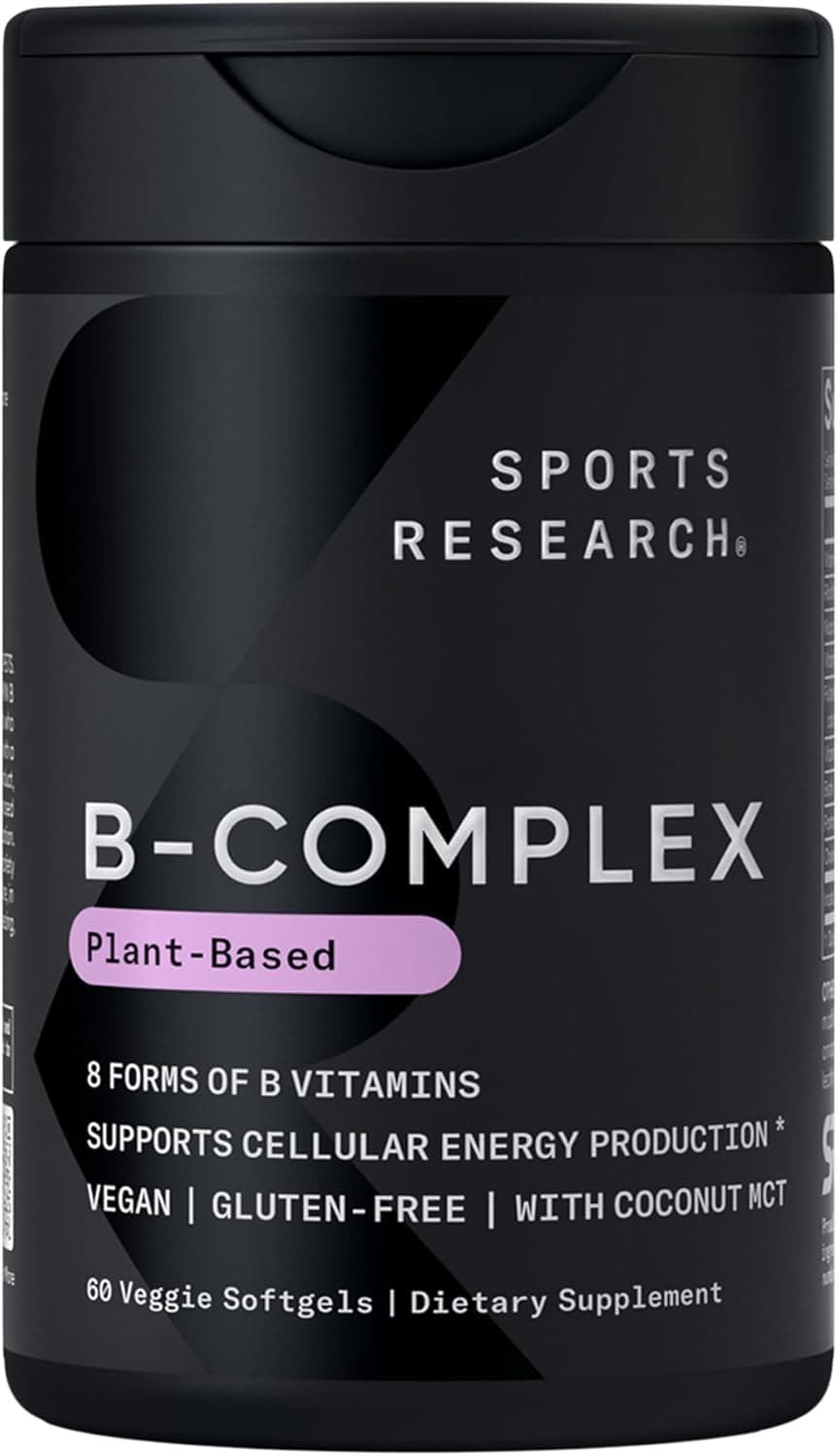
Sports Research Vitamin B-Complex Veggie Softgels

Sports Research Vitamin B-Complex Veggie Softgels

Sports Research

8.6/10
Adults wanting a complete, methylated B-complex in a softgel format — active B12 (methylcobalamin) and active folate (5-MTHF) make this ideal for MTHFR gene variant carriers and vegans$0.25/serving
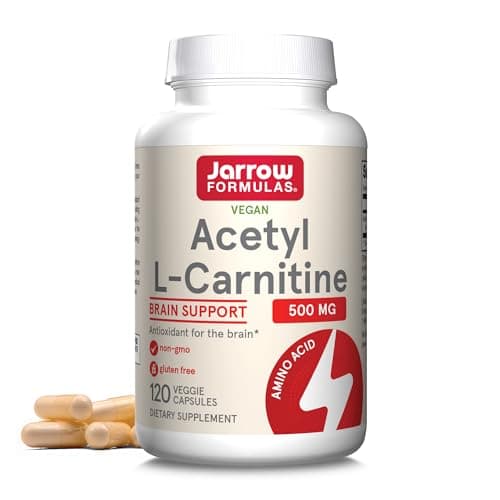
Jarrow Formulas® Acetyl L-Carnitine 500 mg, Dietary Supplement, Amino Acid Support for Brain Health and Antioxidants, 120 Veggie Capsules, 120 Day Supply

Jarrow Formulas® Acetyl L-Carnitine 500 mg, Dietary Supplement, Amino Acid Support for Brain Health and Antioxidants, 120 Veggie Capsules, 120 Day Supply

Jarrow Formulas

9.2/10
Acetyl l carnitine supplementation$0.90/serving
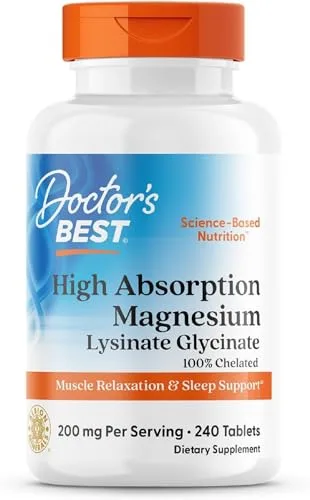
Doctor's Best High Absorption Magnesium Glycinate

Doctor's Best High Absorption Magnesium Glycinate

Doctor's BEST

9.2/10
Overall / Sleep support$0.17/serving
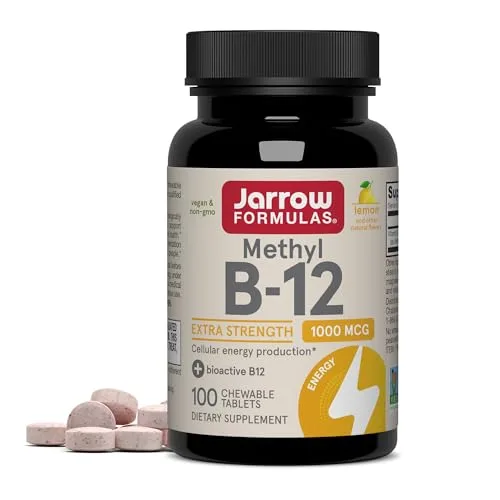
Jarrow Formulas Methyl B-12 1000mcg

Jarrow Formulas Methyl B-12 1000mcg

Jarrow Formulas

9.3/10
Overall best methylcobalamin sublingual$0.12/serving

Detailed Ingredient Guides

Alpha-Lipoic Acid
Antioxidant / Mitochondrial Cofactor
Alpha-lipoic acid is a universal antioxidant that works in both water and fat compartments and regenerates vitamins C, E, and glutathione. The SYDNEY 2 trial showed 600mg/day significantly reduces diabetic neuropathy symptoms. Standard dose is 300-600mg daily of R-lipoic acid.
B-Complex
Water-Soluble Vitamin Complex
B-Complex provides all 8 essential B vitamins for energy, nervous system, and methylation support. Particularly beneficial for vegans, older adults, pregnant women, and people on B-depleting medications. Choose active/coenzymated forms (methylfolate, methylcobalamin, P-5-P) for optimal utilization.
Acetyl-L-Carnitine (ALCAR)
Amino Acid
ALCAR crosses the blood-brain barrier to support brain energy metabolism and acetylcholine production. Clinical evidence supports 1.5-3 g/day for neuropathic pain, cognitive decline in the elderly, and as an adjunct for depression. It is the preferred carnitine form for neurological applications.
Magnesium
Mineral Supplement
Magnesium is an essential mineral that supports muscle function, sleep quality, and stress management. Most adults benefit from 200-400mg daily, with magnesium glycinate being the best-absorbed form for general use.
Vitamin B12
Water-Soluble Vitamin
Vitamin B12 is essential for energy production, nerve health, and red blood cell formation. Deficiency affects up to 20% of older adults and can cause fatigue, brain fog, and neuropathy. Methylcobalamin is the preferred supplemental form at 500-2,000 mcg daily, and it also helps lower homocysteine levels for cardiovascular protection.
Palmitoylethanolamide (PEA)
Endocannabinoid-like Lipid
PEA at 300-1,200mg daily reduces chronic and neuropathic pain by 40-60% in clinical trials. It works through PPAR-alpha activation and mast cell stabilization — not through opioid or cannabinoid receptors. Micronized forms have better absorption. Very safe with no known drug interactions.

Related Conditions

Related Research

Learn More

Frequently Asked Questions

Does alpha-lipoic acid help with neuropathy?

Yes. The SYDNEY trial, a landmark RCT published in Diabetes Care, found that 600mg of alpha-lipoic acid daily reduced the Total Symptom Score (pain, burning, paresthesia, numbness) by 51% in diabetic neuropathy patients [1]. ALA works as a potent antioxidant that improves nerve blood flow and reduces oxidative stress. Oral doses of 600mg daily are effective, with higher doses not showing additional benefit.

Evidence:RCT (2006) · n=181 · high confidence[#1]. See full reference list below.

Which B vitamins are best for nerve damage?

Vitamin B12 (methylcobalamin) is the most critical B vitamin for nerve health — deficiency directly causes neuropathy. B1 (thiamine) and B6 (pyridoxine) also support nerve function, though excess B6 (>200mg/day long-term) can paradoxically cause neuropathy. A B-complex providing therapeutic doses of B1, B6, and B12 is commonly used in clinical practice for neuropathy management.

Can acetyl-L-carnitine regenerate nerves?

A meta-analysis of 4 RCTs found that acetyl-L-carnitine (1000mg twice daily) significantly reduced pain and improved nerve fiber regeneration as measured by sural nerve biopsy. ALC supports mitochondrial function in nerve cells and promotes nerve growth factor expression. Benefits typically take 6-12 months of consistent supplementation.

What supplements should diabetics take for neuropathy?

The most evidence-supported combination for diabetic neuropathy includes alpha-lipoic acid (600mg daily), methylcobalamin B12 (1000-5000mcg daily), and a B-complex. Alpha-lipoic acid has the strongest clinical evidence (SYDNEY trial), while B12 addresses the common metformin-induced deficiency. Always discuss with your physician, as these supplements complement but do not replace glucose management.

Continue Reading

References

  1. RCTZiegler D, Ametov A, Barinov A, et al. (2006). Oral treatment with alpha-lipoic acid improves symptomatic diabetic polyneuropathy: the SYDNEY 2 trial. Diabetes Care. DOI PubMed
  2. RCTLi S, Chen X, Li Q, et al. (2016). Effects of acetyl-L-carnitine and methylcobalamin for diabetic peripheral neuropathy: a multicenter, randomized, double-blind, controlled trial. Journal of Diabetes Investigation. DOI PubMed
  3. RCTStracke H, Gaus W, Achenbach U, Federlin K, Bretzel RG (2008). Benfotiamine in diabetic polyneuropathy (BENDIP): results of a randomised, double-blind, placebo-controlled clinical study. Experimental and Clinical Endocrinology & Diabetes. DOI PubMed