SupplementScience
Chronic Pain

Best Supplements for Chronic Pain

Prevalence: Approximately 50 million US adults (20.4% of the adult population)

This content is for informational purposes only and does not constitute medical advice. Consult your healthcare provider before starting any supplement. Full disclaimer

TL;DR — Quick Answer

Omega-3 fatty acids (2-4g EPA+DHA daily) and turmeric/curcumin (500-1000mg with piperine) have the strongest evidence for chronic pain management. Palmitoylethanolamide (PEA, 600mg twice daily) is an emerging option with compelling evidence for neuropathic pain.

Overview

Chronic pain affects approximately 50 million US adults, with 20 million experiencing high-impact chronic pain that interferes with daily activities. As concerns about opioid dependence grow, there is increasing interest in evidence-based natural approaches. Several supplements have demonstrated meaningful analgesic and anti-inflammatory effects in clinical trials.
Top Evidence-Based Supplements for Chronic Pain

#SupplementTypical DoseEvidence
1Omega-3 Fatty Acids2-4g EPA+DHA dailyStrong
2Turmeric (Curcumin)500-1000mg curcumin daily with piperine or as phytosomeStrong
3Palmitoylethanolamide (PEA)600mg twice daily for 2 weeks, then 600mg once dailyModerate
4Magnesium200-400mg daily (glycinate or threonate)Moderate
5Boswellia Serrata300-500mg standardized extract (30-65% boswellic acids) dailyModerate

Top Product Picks

Our recommendations are based on published research, not commission rates. Some links below are affiliate links — we may earn a commission at no extra cost to you. How we evaluate products

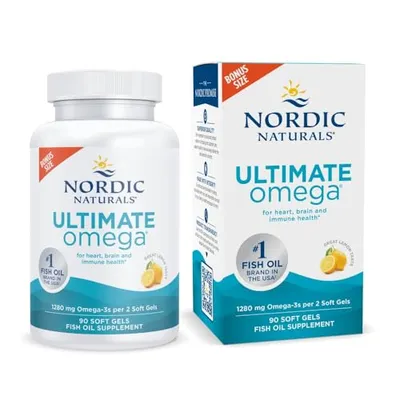
Nordic Naturals Ultimate Omega

Nordic Naturals Ultimate Omega

Nordic Naturals

9.4/10
Overall / General health$0.28/serving
Thorne Meriva-SF Curcumin Phytosome

Thorne Meriva-SF Curcumin Phytosome

Thorne

9.3/10
Overall best curcumin for joint and inflammation support$0.42/serving
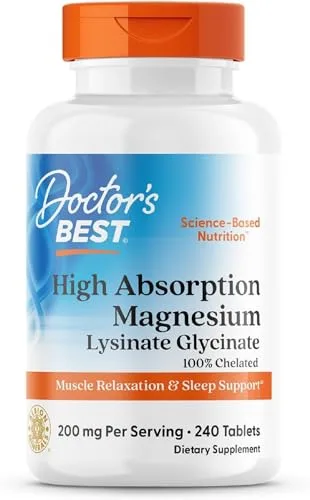
Doctor's Best High Absorption Magnesium Glycinate

Doctor's Best High Absorption Magnesium Glycinate

Doctor's Best

9.2/10
Overall / Sleep support$0.14/serving

Detailed Ingredient Guides

Omega-3
Essential Fatty Acid
Omega-3 fatty acids (EPA + DHA) reduce inflammation, support heart and brain health, and may improve mood. The REDUCE-IT trial showed high-dose EPA (4g/day) reduced cardiovascular events by 25%. Most adults benefit from 1,000-2,000mg combined EPA+DHA daily.
Turmeric / Curcumin
Plant Extract / Polyphenol
Curcumin is the primary bioactive in turmeric with strong evidence for reducing joint pain (comparable to ibuprofen in meta-analysis), lowering inflammatory markers, and supporting gut and brain health. Standard curcumin absorbs poorly (~1%); choose enhanced forms like Meriva phytosome (29x), Longvida (65x free curcumin), or piperine-boosted C3 Complex (20x) for clinically relevant blood levels. Typical effective dose: 500-1500mg curcumin daily with an absorption enhancer.
Palmitoylethanolamide (PEA)
Endocannabinoid-like Lipid
PEA at 300-1,200mg daily reduces chronic and neuropathic pain by 40-60% in clinical trials. It works through PPAR-alpha activation and mast cell stabilization — not through opioid or cannabinoid receptors. Micronized forms have better absorption. Very safe with no known drug interactions.
Magnesium
Mineral Supplement
Magnesium is an essential mineral that supports muscle function, sleep quality, and stress management. Most adults benefit from 200-400mg daily, with magnesium glycinate being the best-absorbed form for general use.
Boswellia
Herbal Extract
Boswellia serrata extract (standardized to AKBA) at 300-500mg daily reduces joint pain and inflammation by inhibiting 5-LOX enzyme. Clinical trials show significant improvement in osteoarthritis symptoms within 1-2 weeks. Choose extracts standardized to ≥30% boswellic acids.

Frequently Asked Questions

What is the best anti-inflammatory supplement for chronic pain?

Curcumin (from turmeric) and omega-3 fatty acids have the most robust evidence for chronic inflammatory pain. A meta-analysis found curcumin reduced pain scores comparably to ibuprofen in osteoarthritis trials, while omega-3s (2-4g EPA+DHA) significantly reduced inflammatory markers (IL-6, TNF-alpha). For best absorption, use curcumin with piperine (black pepper extract) or in phytosome form.

What is PEA and does it work for pain?

Palmitoylethanolamide (PEA) is a naturally occurring fatty acid amide that acts on the endocannabinoid system to reduce inflammation and pain signaling. A 2017 meta-analysis of 10 studies found PEA significantly reduced pain intensity (SMD -1.86) across neuropathic, inflammatory, and mixed pain conditions with no significant adverse effects. The typical dose is 600mg twice daily for 2 weeks, then 600mg once daily for maintenance.

Can magnesium help with chronic pain?

Yes. Magnesium plays a critical role in pain processing as an NMDA receptor antagonist. A 2021 systematic review found magnesium supplementation significantly reduced chronic pain intensity, particularly in neuropathic pain, fibromyalgia, and migraine. Magnesium glycinate or threonate at 200-400mg daily are preferred forms for pain management due to superior absorption and ability to cross the blood-brain barrier (threonate).

How does Boswellia serrata help with pain?

Boswellia serrata contains boswellic acids that inhibit 5-lipoxygenase (5-LOX), reducing pro-inflammatory leukotrienes. A 2020 meta-analysis found Boswellia significantly reduced pain and improved physical function in osteoarthritis, with effects evident within 4 weeks. Unlike NSAIDs, Boswellia does not cause gastric ulceration. Look for extracts standardized to 30-65% boswellic acids, particularly AKBA (acetyl-11-keto-beta-boswellic acid).

References

  1. (). Omega-3 fatty acids and inflammatory processes: from molecules to man. Biochemical Society Transactions. DOI
  2. (). Efficacy of turmeric extracts and curcumin for alleviating the symptoms of joint arthritis: a systematic review and meta-analysis of randomized clinical trials. Journal of Medicinal Food. DOI
  3. (). Palmitoylethanolamide, a special food for medical purposes, in the treatment of chronic pain: a pooled data meta-analysis. Pain Physician. DOI
  4. (). Efficacy of curcumin and Boswellia for knee osteoarthritis: systematic review and meta-analysis. Seminars in Arthritis and Rheumatism. DOI