Supplement ScienceSupplementScience
Rheumatoid Arthritis

Best Supplements for Rheumatoid Arthritis

Prevalence: 1.3 million US adults (approximately 0.5-1% of the global population) — American College of Rheumatology

·

This content is for informational purposes only and does not constitute medical advice. Statements about dietary supplements have not been evaluated by the FDA and are not intended to diagnose, treat, cure, or prevent any disease. Individual results may vary — consult your healthcare provider before starting any supplement. Full disclaimer

The most studied supplements for rheumatoid arthritis are omega-3 fatty acids (3-4g EPA+DHA daily, shown to reduce...

The most studied supplements for rheumatoid arthritis are omega-3 fatty acids (3-4g EPA+DHA daily, shown to reduce morning stiffness and tender joints), turmeric/curcumin (500mg twice daily, comparable to NSAIDs for pain in some trials), and vitamin D (2000-4000 IU daily, as deficiency is common in RA patients).

Get the free evidence-based Rheumatoid Arthritis guide — delivered in 60 seconds.

No spam. Unsubscribe anytime.

Overview

Rheumatoid arthritis (RA) is a chronic autoimmune disease characterized by systemic inflammation and destruction of synovial joints. It affects approximately 1.3 million Americans. While disease-modifying antirheumatic drugs (DMARDs) remain the cornerstone of treatment, several supplements have shown adjunctive benefits for reducing inflammation and joint pain in clinical trials.

Understanding Rheumatoid Arthritis

Rheumatoid arthritis (RA) is an autoimmune disease in which the immune system attacks the synovial membrane lining the joints, triggering chronic inflammation that eventually destroys cartilage and bone. The pathology involves T-cell and B-cell dysregulation, autoantibody production (rheumatoid factor, anti-CCP antibodies), and excessive production of pro-inflammatory cytokines — particularly TNF-alpha, IL-1, and IL-6. Unlike osteoarthritis, which is primarily mechanical wear, RA is a systemic disease that can affect the heart, lungs, and blood vessels. Disease-modifying antirheumatic drugs (DMARDs) like methotrexate and biologics like adalimumab are the standard of care, and early aggressive treatment prevents irreversible joint damage. Supplements cannot replace DMARDs, but several have shown meaningful effects on pain, morning stiffness, and inflammatory biomarkers when used as adjuncts. The strongest evidence involves omega-3 fatty acids and certain botanical anti-inflammatories that modulate the same cytokine pathways targeted by pharmaceutical biologics, albeit with far less potency.

What the Research Shows

Omega-3 fatty acids have the most robust evidence base for RA supplementation. A landmark meta-analysis by Lee et al. (2012) pooled 10 RCTs involving 183 RA patients and found that omega-3 supplementation (mean dose 3.5 g EPA+DHA daily) significantly reduced tender joint count, morning stiffness duration, and NSAID use. The mechanism involves competitive displacement of arachidonic acid in cell membranes, reducing production of pro-inflammatory eicosanoids (PGE2, LTB4) while increasing anti-inflammatory resolvins and protectins. Kremer et al. (1995) showed that high-dose fish oil (130 mg/kg/day) allowed 39% of RA patients to discontinue NSAIDs versus 10% on placebo. Goldberg and Katz (2007) confirmed in a meta-analysis that fish oil at doses above 2.7 g EPA+DHA daily significantly reduced pain and morning stiffness in RA. Curcumin targets TNF-alpha and NF-kB pathways directly. Chandran and Goel (2012) randomized 45 active RA patients to curcumin (500 mg twice daily), diclofenac sodium (50 mg twice daily), or their combination over 8 weeks. The curcumin group showed the greatest improvement in DAS28 (Disease Activity Score), CRP, and tender/swollen joint counts — and notably without the gastrointestinal side effects of diclofenac. Amalraj et al. (2017) used a bioavailable curcumin formulation (CurQfen, 250 mg twice daily) and found significant reductions in CRP, ESR, and rheumatoid factor levels over 90 days. Gamma-linolenic acid (GLA) from borage oil or evening primrose oil has consistent evidence. Zurier et al. (1996) randomized 56 RA patients to borage oil providing 1.4 g GLA daily or placebo for 24 weeks and found clinically meaningful reductions in tender and swollen joint counts. GLA is converted to DGLA, which competes with arachidonic acid and produces anti-inflammatory prostaglandin E1. Thunder god vine (Tripterygium wilfordii) extract showed strong anti-inflammatory effects in several Chinese RCTs, but serious toxicity concerns (infertility, bone marrow suppression, hepatotoxicity) make it unsuitable for general recommendation.

What to Look For in Supplements

For omega-3, RA trials used doses of 2.7–4 g EPA+DHA daily — substantially higher than typical heart-health doses. Choose concentrated triglyceride-form fish oil to minimize the number of capsules needed to reach therapeutic doses. IFOS 5-star certification ensures purity. Liquid fish oil may be practical for achieving these high doses. For curcumin, standard curcumin has poor bioavailability (approximately 1% absorption). Choose formulations with enhanced bioavailability: Meriva (curcumin phytosome, 29x better absorption), CurcuWIN (46x), or Theracurmin (27x). The dose depends on the formulation — 1,000 mg of standard curcumin or 500 mg of an enhanced form twice daily. For GLA, borage oil provides 20–24% GLA (the richest source), requiring approximately 6 g of borage oil to deliver 1.4 g GLA as used in trials. Evening primrose oil has lower GLA content (8–10%), requiring impractical volumes. Look for borage oil capsules standardized to GLA content.

What Doesn't Work (And Why)

Glucosamine and chondroitin, the staple joint supplements, have no meaningful evidence for RA — their modest benefits, if any, apply to osteoarthritis. RA joint destruction is driven by autoimmune inflammation, not mechanical cartilage wear. Collagen supplements (type II) have been explored for RA via oral tolerance mechanisms, but a large NCCIH-funded trial by Barnett et al. (1998) found no significant benefit of chicken collagen over placebo for RA outcomes. Turmeric powder (as opposed to concentrated curcumin extract) provides far too little curcuminoid content to reach therapeutic doses — you would need to consume approximately 40 g of turmeric spice daily. Green-lipped mussel extract has preliminary positive data but insufficient evidence from large, well-designed trials. MSM (methylsulfonylmethane) is sometimes promoted for RA but has only been studied in osteoarthritis, where its evidence is itself modest.

Combination Protocol

An adjunctive RA supplement protocol combines high-dose omega-3 (3–4 g EPA+DHA daily, split with meals), bioavailable curcumin (500 mg enhanced-form twice daily with food), and borage oil (providing 1.4 g GLA daily). This targets three distinct anti-inflammatory pathways: eicosanoid modulation (omega-3), NF-kB/TNF-alpha inhibition (curcumin), and PGE1 promotion (GLA). These supplements complement — never replace — DMARD therapy. Introduce one at a time over 3 weeks to monitor for GI tolerance. Full anti-inflammatory benefits of omega-3 and GLA develop over 8–12 weeks. Monitor CRP and ESR alongside clinical symptoms. Vitamin D (2,000–4,000 IU daily) is an important addition, as RA patients are frequently deficient and vitamin D modulates immune function. See /stacks/immune-resilience for overlapping anti-inflammatory principles.

Top Evidence-Based Supplements for Rheumatoid Arthritis

#SupplementTypical DoseEvidence
1Omega-3 Fatty Acids (Fish Oil)3-4g EPA+DHA dailyStrong
See top omega-3 fatty acids (fish oil) picks →
2Turmeric / Curcumin500mg curcumin twice dailyModerate
See top turmeric / curcumin picks →
3Boswellia Serrata333mg extract three times dailyModerate
Top picks for Rheumatoid Arthritis →
4Probiotics10-20 billion CFU daily (Lactobacillus strains)Emerging
See top probiotics picks →
5Vitamin D2000-4000 IU dailyModerate
See top vitamin d picks →

Top Product Picks

As an Amazon Associate, we earn from qualifying purchases. Some links below are affiliate links — this doesn't affect our editorial independence or product ratings. How we evaluate products

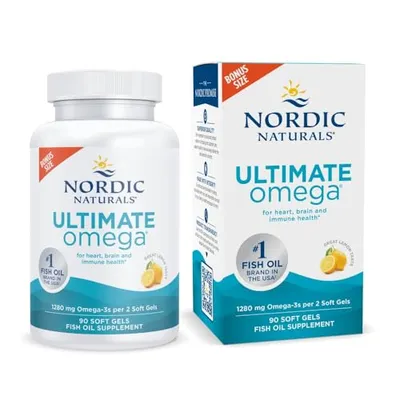
Sports Research Triple Strength Omega-3

Sports Research Triple Strength Omega-3

Sports Research

9.1/10
Heart health / EPA-predominant$0.31/serving
Peak Performance Theracurmin

Peak Performance Theracurmin

Peak Performance

8/10
Daily anti-inflammatory support for active RA patients seeking the most bioavailable curcumin form on the market$0.33/serving
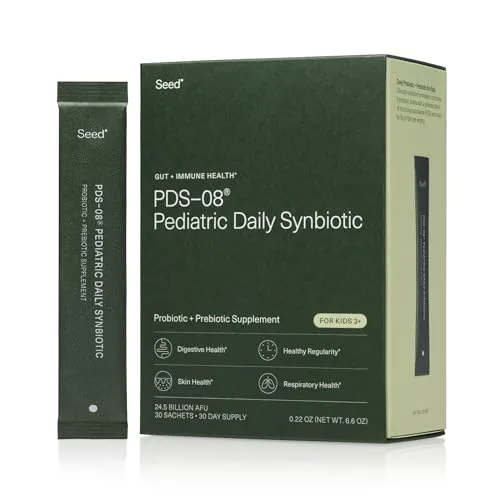
Seed PDS-08 Pediatric Daily Synbiotic

Seed PDS-08 Pediatric Daily Synbiotic

Seed

9/10
Comprehensive pediatric gut support with prebiotics and probiotics in one$1.33/serving
NatureWise Vitamin D3 5000 IU

NatureWise Vitamin D3 5000 IU

NatureWise

9/10
Best value vitamin D3$0.04/serving

Detailed Ingredient Guides

Omega-3
Essential Fatty Acid
Omega-3 fatty acids (EPA + DHA) reduce inflammation, support heart and brain health, and may improve mood. The REDUCE-IT trial showed high-dose EPA (4g/day) reduced cardiovascular events by 25%. Most adults benefit from 1,000-2,000mg combined EPA+DHA daily.
Turmeric / Curcumin
Plant Extract / Polyphenol
Curcumin is the primary bioactive in turmeric with strong evidence for reducing joint pain (comparable to ibuprofen in meta-analysis), lowering inflammatory markers, and supporting gut and brain health. Standard curcumin absorbs poorly (~1%); choose enhanced forms like Meriva phytosome (29x), Longvida (65x free curcumin), or piperine-boosted C3 Complex (20x) for clinically relevant blood levels. Typical effective dose: 500-1500mg curcumin daily with an absorption enhancer.
Boswellia
Herbal Extract
Boswellia serrata extract (standardized to AKBA) at 300-500mg daily reduces joint pain and inflammation by inhibiting 5-LOX enzyme. Clinical trials show significant improvement in osteoarthritis symptoms within 1-2 weeks. Choose extracts standardized to ≥30% boswellic acids.
Probiotics
Live Microorganisms
Probiotics are live beneficial bacteria that support gut health, immunity, and mood through the gut-brain axis. A 2018 meta-analysis found significant IBS symptom reduction with multi-strain probiotics. Benefits are strain-specific — choose based on your health goal. Typical dose: 10-50 billion CFU daily. Look for third-party tested products with guaranteed potency through expiration.
Vitamin D3
Fat-Soluble Vitamin
Vitamin D3 is essential for bone health, immune function, and mood regulation. An estimated 42% of U.S. adults are deficient. Most adults benefit from 1,000-4,000 IU daily, and a 2017 meta-analysis found supplementation reduced the risk of acute respiratory infections by 12%.
Cat's Claw
Herbal Extract
Cat's claw extract at 60-350mg daily reduces joint pain in osteoarthritis and rheumatoid arthritis. It inhibits NF-kB and TNF-alpha production. Choose extracts standardized to pentacyclic oxindole alkaloids (POAs). Evidence is emerging but promising.
Athletic Performance & Recovery
4 ingredients · $40–60/month
The evidence-based athletic performance stack is creatine monohydrate (5g/day maintenance), vitamin D3 (2000–4000 IU), omega-3 (2–3g EPA+DHA), and magnesium glycinate (300–400mg post-workout). Creatine is the most studied performance supplement in existence. The other three address the foundational deficiencies that silently cap performance and slow recovery in most athletes.
Cognitive Performance & Focus
4 ingredients · $55–80/month
The most evidence-backed cognitive stack uses lion's mane (500–1000mg extract), bacopa monnieri (300mg standardized to 55% bacosides), omega-3 (2g EPA+DHA daily), and L-theanine (100–200mg with caffeine). Lion's mane and bacopa build long-term neuroplasticity; omega-3 provides structural support; L-theanine+caffeine delivers clean acute focus.
Immune Resilience
4 ingredients · $30–50/month
The most evidence-backed immune resilience stack is vitamin D3 (2000–4000 IU daily), zinc picolinate (15–25mg daily), vitamin C (500–1000mg daily), and elderberry extract (600mg during illness). Vitamin D and zinc address the most prevalent immune-relevant deficiencies. Vitamin C has decades of evidence for reducing illness duration. Elderberry has RCT support specifically for shortening respiratory illness.
Longevity & Healthy Aging
4 ingredients · $60–90/month
The most evidence-backed longevity foundation stack includes CoQ10 as ubiquinol (200–400mg), omega-3 fatty acids (2–3g EPA+DHA), vitamin D3 with K2 (2000–4000 IU D3 + 100–200mcg MK-7), and magnesium glycinate (200–400mg). These address the four most documented aging mechanisms: mitochondrial decline, inflammation, calcium dysregulation, and deficiency-driven accelerated aging.

Related Conditions

Related Research

Learn More

Frequently Asked Questions

Does fish oil help rheumatoid arthritis?

Yes. A meta-analysis of 20 randomized controlled trials found that omega-3 supplementation (3-4g EPA+DHA daily) significantly reduced the number of tender joints, morning stiffness duration, and NSAID requirements in RA patients. Benefits typically appear after 2-3 months of consistent use. Fish oil works by reducing pro-inflammatory eicosanoids.

Evidence:Meta-analysis (2007) · 17 RCTs · high confidence[#1]. See full reference list below.

Can curcumin replace anti-inflammatory drugs for RA?

Curcumin should not replace DMARDs or prescribed medications for RA. However, a notable RCT found that 500mg of curcumin was as effective as 50mg of diclofenac sodium for improving DAS28 disease activity scores, with fewer gastrointestinal side effects. Curcumin can serve as a useful adjunct to conventional therapy.

Why is vitamin D important for rheumatoid arthritis?

Studies show that 40-70% of RA patients have vitamin D deficiency, which is associated with higher disease activity. Vitamin D modulates the immune response by promoting regulatory T cells and suppressing pro-inflammatory cytokines. A meta-analysis found supplementation improved disease activity scores in RA patients who were deficient.

Do probiotics help with rheumatoid arthritis?

Emerging evidence suggests probiotics, particularly Lactobacillus casei strains, may benefit RA patients. An RCT published in Inflammation found L. casei supplementation for 8 weeks reduced DAS28 scores and inflammatory markers including hs-CRP. However, more large-scale trials are needed before routine recommendation.

Continue Reading

References

  1. Meta-analysisGoldberg RJ, Katz J (2007). A meta-analysis of the analgesic effects of omega-3 polyunsaturated fatty acid supplementation for inflammatory joint pain. Pain. DOI PubMed
  2. RCTChandran B, Goel A (2012). A randomized, pilot study to assess the efficacy and safety of curcumin in patients with active rheumatoid arthritis. Phytotherapy Research. DOI PubMed
  3. RCTAlipour B, Homayouni-Rad A, Vaghef-Mehrabany E, et al. (2014). Effects of Lactobacillus casei supplementation on disease activity and inflammatory cytokines in rheumatoid arthritis patients. International Journal of Rheumatic Diseases. DOI PubMed
  4. Meta-analysisFranco AS, Freitas TQ, Bernardo WM, Pereira RMR (2017). Vitamin D supplementation and disease activity in patients with immune-mediated rheumatic diseases: a systematic review and meta-analysis. Medicine. DOI PubMed