Supplement ScienceSupplementScience
Eczema (Atopic Dermatitis)

Best Supplements for Eczema (Atopic Dermatitis)

Prevalence: Affects approximately 31.6 million Americans (10.1% of the population)

·

This content is for informational purposes only and does not constitute medical advice. Statements about dietary supplements have not been evaluated by the FDA and are not intended to diagnose, treat, cure, or prevent any disease. Individual results may vary — consult your healthcare provider before starting any supplement. Full disclaimer

Probiotics (especially Lactobacillus rhamnosus) and vitamin D (1,000-2,000 IU/day) have the strongest evidence for...

Probiotics (especially Lactobacillus rhamnosus) and vitamin D (1,000-2,000 IU/day) have the strongest evidence for eczema, with meta-analyses showing reduced SCORAD severity scores. Omega-3 fatty acids and evening primrose oil may provide additional anti-inflammatory support.

Get the free evidence-based Eczema (Atopic Dermatitis) guide — delivered in 60 seconds.

No spam. Unsubscribe anytime.

Overview

Eczema (atopic dermatitis) affects approximately 31.6 million Americans, causing chronic itchy, inflamed skin. The condition involves immune dysregulation and impaired skin barrier function. Several supplements targeting inflammation, immune modulation, and skin barrier repair have shown benefit in clinical trials.

Understanding Eczema (Atopic Dermatitis)

Eczema (atopic dermatitis) is a chronic inflammatory skin condition driven by a complex interplay between epidermal barrier dysfunction, immune dysregulation, and environmental triggers. The key pathological feature is a defective skin barrier — often linked to filaggrin gene mutations found in 20–30% of eczema patients — that allows allergens and irritants to penetrate the epidermis, triggering a Th2-dominant immune response with elevated IgE, IL-4, IL-13, and IL-31 (the "itch cytokine"). This creates an itch-scratch cycle that further damages the barrier. Ceramide deficiency in the stratum corneum leads to increased transepidermal water loss (TEWL), skin dryness, and vulnerability to Staphylococcus aureus colonization, which worsens inflammation. Standard treatment involves emollients, topical corticosteroids, and calcineurin inhibitors. Supplements targeting skin barrier repair, immune modulation, and inflammation reduction have some evidence as adjuncts, though the quality of trials is generally lower than for many other conditions.

What the Research Shows

Probiotics have the most studied evidence for eczema, particularly for prevention in high-risk infants. Kalliomaki et al. (2001) conducted a landmark RCT showing that Lactobacillus rhamnosus GG (LGG) given to mothers during late pregnancy and to infants for 6 months halved the incidence of eczema at age 2. A meta-analysis by Zuccotti et al. (2015) of 29 RCTs with over 6,000 participants confirmed that multi-strain probiotic supplementation during pregnancy and early infancy significantly reduced eczema incidence. For treating existing eczema, the evidence is more mixed — a meta-analysis by Kim et al. (2014) found modest benefits primarily in moderate-to-severe pediatric eczema with Lactobacillus-containing strains. Evening primrose oil (EPO) provides gamma-linolenic acid (GLA), which converts to the anti-inflammatory prostaglandin PGE1. Morse et al. (1989) found that high-dose EPO (6 g daily providing 480 mg GLA) significantly improved eczema severity scores, though a Cochrane review by Bamford et al. (2013) concluded the overall evidence was inconclusive due to study heterogeneity. Borage oil (providing higher GLA concentrations) showed mixed results in subsequent trials. Vitamin D supplementation has emerging evidence — Camargo et al. (2014) randomized 107 children with winter-related eczema to vitamin D 1,000 IU daily or placebo and found the vitamin D group had a 29% greater reduction in eczema severity (EASI score). Peroni et al. (2011) found that vitamin D levels inversely correlated with eczema severity. Fish oil (omega-3) has limited but suggestive evidence — Koch et al. (2008) found that higher maternal fish oil intake during pregnancy reduced infant eczema risk, and Soyland et al. (1994) showed modest improvements in adults with atopic dermatitis taking 6 g fish oil daily, though results across trials are inconsistent.

What to Look For in Supplements

For probiotics, choose products containing Lactobacillus rhamnosus GG (LGG), Lactobacillus paracasei, or multi-strain combinations including Lactobacillus and Bifidobacterium species — these are the strains with the most eczema-specific evidence. Dose: at least 10 billion CFU daily. For prevention in high-risk infants, supplementation should begin in the third trimester (maternal) and continue through the first 6 months of life (infant), guided by a pediatrician. For evening primrose oil, high-dose supplementation (3–6 g daily) is needed to reach GLA levels used in positive trials — low-dose EPO products (500 mg–1 g) likely provide insufficient GLA. Borage oil is a more concentrated GLA source (20–24% GLA versus 8–10% in EPO). For vitamin D, 1,000–2,000 IU daily in children and 2,000–4,000 IU in adults, adjusted by blood levels. Winter supplementation is particularly important as eczema often worsens with reduced UV exposure. Third-party testing is important for all these supplements.

What Doesn't Work (And Why)

Biotin (vitamin H/B7) is often marketed for skin health but has zero evidence for eczema — its benefits are limited to the rare condition of biotin deficiency-related dermatitis. Zinc supplements, despite zinc's role in wound healing, have not demonstrated benefit for atopic dermatitis in controlled trials. Elimination diets and food sensitivity testing (IgG panels) are heavily promoted by alternative practitioners for eczema, but IgG food panels measure normal immune exposure and have no validated role in eczema management — the American Academy of Allergy, Asthma & Immunology explicitly recommends against them. True IgE-mediated food allergies do worsen eczema in some children, but this requires proper allergist evaluation, not supplement-based approaches. Collagen supplements have no evidence for eczema barrier repair. "Detox" supplements and liver cleansing programs marketed for skin conditions have no scientific basis in eczema pathophysiology. Sea buckthorn oil has preliminary positive data but from small, low-quality studies insufficient for recommendation.

Combination Protocol

For adjunctive eczema management: a multi-strain probiotic providing at least 10 billion CFU of Lactobacillus and Bifidobacterium species daily, vitamin D3 (2,000–4,000 IU daily, adjusted by blood level, particularly important in winter), and evening primrose oil or borage oil providing 400–500 mg GLA daily. For pregnant women with eczema-prone family history, begin probiotics in the third trimester for prevention. These supplements complement — not replace — proper moisturization (ceramide-containing emollients are first-line), trigger avoidance, and topical anti-inflammatory therapy. Allow 8–12 weeks for probiotic and GLA benefits to manifest. Omega-3 fish oil (1–2 g EPA+DHA daily) can be added for additional anti-inflammatory support. See /stacks/immune-resilience for overlapping immune-modulation strategies.

Top Evidence-Based Supplements for Eczema (Atopic Dermatitis)

#SupplementTypical DoseEvidence
1Probiotics (Lactobacillus strains)10 billion CFU daily (L. rhamnosus GG)Moderate
See top probiotics (lactobacillus strains) picks →
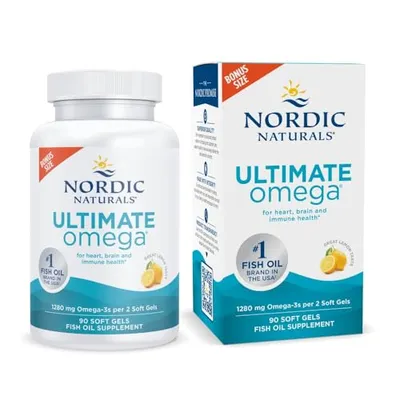
2Omega-3 Fatty Acids1-2g EPA+DHA dailyModerate
See top omega-3 fatty acids picks →
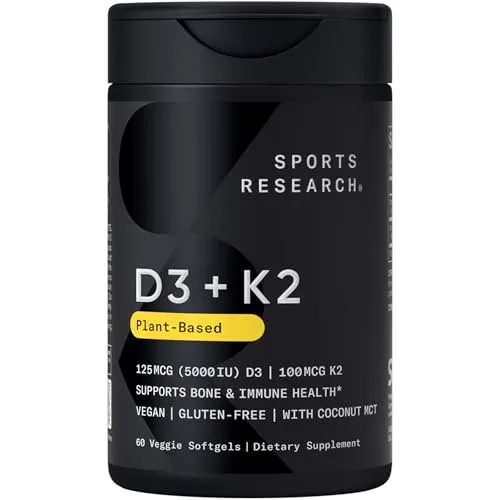
3Vitamin D1,000-2,000 IU dailyModerate
See top vitamin d picks →
4Evening Primrose Oil2-4g daily (providing 160-320mg GLA)Preliminary
See top evening primrose oil picks →
5Zinc15-30mg dailyPreliminary
See top zinc picks →

Top Product Picks

As an Amazon Associate, we earn from qualifying purchases. Some links below are affiliate links — this doesn't affect our editorial independence or product ratings. How we evaluate products

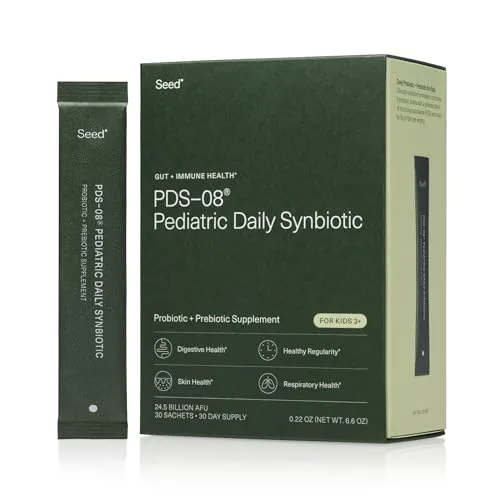
Seed PDS-08 Pediatric Daily Synbiotic

Seed PDS-08 Pediatric Daily Synbiotic

Seed

9/10
Comprehensive pediatric gut support with prebiotics and probiotics in one$1.33/serving
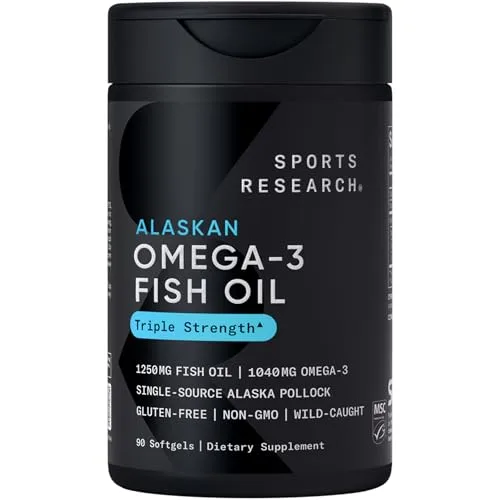
Sports Research Triple Strength Omega-3

Sports Research Triple Strength Omega-3

Sports Research

9.1/10
Heart health / EPA-predominant$0.31/serving
NatureWise Vitamin D3 5000 IU

NatureWise Vitamin D3 5000 IU

NatureWise

9/10
Best value vitamin D3$0.04/serving
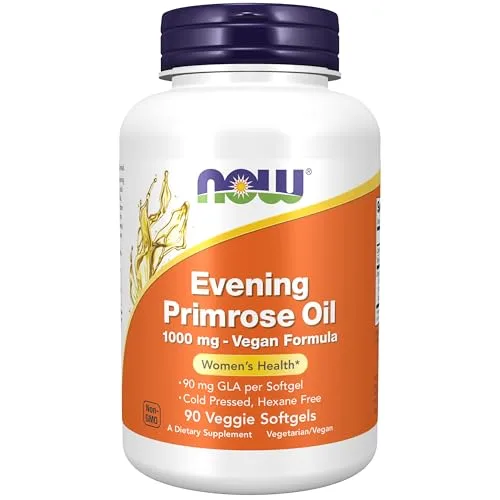
NOW Foods Evening Primrose Oil 1000mg

NOW Foods Evening Primrose Oil 1000mg

NOW Foods

9/10
Best overall value and quality EPO$0.19/serving
Sunergetic Elderberry Gummies Vitamin C Zinc

Sunergetic Elderberry Gummies Vitamin C Zinc

Sunergetic

8/10
Daily zinc + antioxidant support for inflammatory acne, particularly for users who prefer gummies to capsules$0.33/serving

Detailed Ingredient Guides

Probiotics
Live Microorganisms
Probiotics are live beneficial bacteria that support gut health, immunity, and mood through the gut-brain axis. A 2018 meta-analysis found significant IBS symptom reduction with multi-strain probiotics. Benefits are strain-specific — choose based on your health goal. Typical dose: 10-50 billion CFU daily. Look for third-party tested products with guaranteed potency through expiration.
Omega-3
Essential Fatty Acid
Omega-3 fatty acids (EPA + DHA) reduce inflammation, support heart and brain health, and may improve mood. The REDUCE-IT trial showed high-dose EPA (4g/day) reduced cardiovascular events by 25%. Most adults benefit from 1,000-2,000mg combined EPA+DHA daily.
Vitamin D3
Fat-Soluble Vitamin
Vitamin D3 is essential for bone health, immune function, and mood regulation. An estimated 42% of U.S. adults are deficient. Most adults benefit from 1,000-4,000 IU daily, and a 2017 meta-analysis found supplementation reduced the risk of acute respiratory infections by 12%.
Evening Primrose Oil
Essential Fatty Acid
Evening primrose oil provides gamma-linolenic acid (GLA), an anti-inflammatory omega-6 fatty acid that supports skin barrier function. Research shows mixed but promising results for eczema and dry skin at doses of 2-6 g daily (providing 160-480 mg GLA). Benefits are most notable in individuals with confirmed GLA deficiency or atopic skin conditions.
Zinc
Mineral
Zinc is essential for immune cell development and function, required by over 300 enzymes. A Cochrane review found zinc lozenges reduced cold duration by 33% when started within 24 hours of symptom onset. Daily doses of 15-30mg elemental zinc maintain immune function; zinc lozenges (75mg+/day) are effective for acute colds.
Ceramides (Phytoceramides)
Ceramide
Phytoceramides are plant-derived skin lipids that restore the skin barrier from within. Clinical trials show that 350 mg/day of wheat-derived phytoceramides significantly improves skin hydration and reduces transepidermal water loss within 4-8 weeks. They are FDA GRAS-approved and well-tolerated.
Zinc
Mineral
Zinc is essential for skin cell turnover, wound healing, and immune defense in the skin. Supplementation at 30-50 mg daily has been shown to reduce inflammatory acne lesions by 33-50% in clinical trials, and zinc-deficient individuals experience dramatic skin improvements with repletion. It is one of the best-studied minerals for dermatological health.
Hemp Seed Oil
Plant Oil
Hemp seed oil provides an optimal 3:1 omega-6 to omega-3 ratio with anti-inflammatory gamma-linolenic acid (GLA). At 1-2 tablespoons daily, it supports skin health, reduces eczema symptoms, lowers inflammatory markers, and provides cardiovascular benefits — all without THC or CBD.
Athletic Performance & Recovery
4 ingredients · $40–60/month
The evidence-based athletic performance stack is creatine monohydrate (5g/day maintenance), vitamin D3 (2000–4000 IU), omega-3 (2–3g EPA+DHA), and magnesium glycinate (300–400mg post-workout). Creatine is the most studied performance supplement in existence. The other three address the foundational deficiencies that silently cap performance and slow recovery in most athletes.
Cognitive Performance & Focus
4 ingredients · $55–80/month
The most evidence-backed cognitive stack uses lion's mane (500–1000mg extract), bacopa monnieri (300mg standardized to 55% bacosides), omega-3 (2g EPA+DHA daily), and L-theanine (100–200mg with caffeine). Lion's mane and bacopa build long-term neuroplasticity; omega-3 provides structural support; L-theanine+caffeine delivers clean acute focus.
Immune Resilience
4 ingredients · $30–50/month
The most evidence-backed immune resilience stack is vitamin D3 (2000–4000 IU daily), zinc picolinate (15–25mg daily), vitamin C (500–1000mg daily), and elderberry extract (600mg during illness). Vitamin D and zinc address the most prevalent immune-relevant deficiencies. Vitamin C has decades of evidence for reducing illness duration. Elderberry has RCT support specifically for shortening respiratory illness.
Longevity & Healthy Aging
4 ingredients · $60–90/month
The most evidence-backed longevity foundation stack includes CoQ10 as ubiquinol (200–400mg), omega-3 fatty acids (2–3g EPA+DHA), vitamin D3 with K2 (2000–4000 IU D3 + 100–200mcg MK-7), and magnesium glycinate (200–400mg). These address the four most documented aging mechanisms: mitochondrial decline, inflammation, calcium dysregulation, and deficiency-driven accelerated aging.

Related Conditions

Related Research

Learn More

Frequently Asked Questions

Can probiotics help eczema?

Yes. A 2018 meta-analysis of 25 RCTs found that probiotics, particularly Lactobacillus rhamnosus GG, significantly reduced SCORAD severity scores in both children and adults with atopic dermatitis. Probiotics appear to work by modulating the immune response and reducing systemic inflammation. Benefits are typically seen after 8-12 weeks of daily use at 10 billion CFU or more.

Evidence:Meta-analysis (2017) · 25 RCTs · moderate confidence[#1]. See full reference list below.

Does vitamin D help with eczema?

Multiple studies support vitamin D for eczema management. A meta-analysis of 11 RCTs found that vitamin D supplementation (1,000-2,000 IU daily) significantly reduced eczema severity scores. Vitamin D enhances antimicrobial peptide production in the skin and modulates immune responses. Many eczema patients are vitamin D deficient, making supplementation particularly beneficial.

What supplements reduce eczema flare-ups?

A comprehensive approach may include probiotics (10 billion CFU daily), vitamin D (1,000-2,000 IU), and omega-3 fatty acids (1-2g EPA+DHA). These target different aspects of eczema: probiotics modulate immune response, vitamin D strengthens skin barrier defense, and omega-3s reduce inflammatory prostaglandins. Evening primrose oil (GLA) may help with itch and skin hydration.

Continue Reading

References

  1. Meta-analysisHuang R, Ning H, Shen M, Li J, Zhang J, Chen X (2017). Probiotics for the treatment of atopic dermatitis in children: a systematic review and meta-analysis of randomized controlled trials. Frontiers in Cellular and Infection Microbiology. DOI PubMed
  2. Meta-analysisKim G, Bae JH (2016). Vitamin D and atopic dermatitis: a systematic review and meta-analysis. Nutrition. DOI PubMed
  3. ReviewBath-Hextall FJ, Jenkinson C, Humphreys R, Williams HC (2012). Dietary supplements for established atopic eczema. Cochrane Database of Systematic Reviews. DOI PubMed
  4. ReviewSchlichte MJ, Vandersall A, Katta R (2016). Diet and eczema: a review of dietary supplements for the treatment of atopic dermatitis. Dermatology Practical & Conceptual. DOI PubMed