SupplementScience
Zinc supplement
Essential Trace Mineral

Zinc: Benefits, Dosage, Forms & Research

Essential Trace Mineral

DJP
Reviewed by , MD, Board Certified Internal Medicine

This content is for informational purposes only and does not constitute medical advice. Consult your healthcare provider before starting any supplement. Full disclaimer

TL;DR — Quick Answer

Zinc is a critical mineral for immune defense, skin health, and testosterone production. A landmark Cochrane review found zinc lozenges reduced cold duration by 33% when started within 24 hours of symptom onset. The recommended dose is 15-30mg daily for general health.

Key Facts

  • What it is: An essential trace mineral cofactor in 300+ enzymes
  • Primary benefits:
    • Strengthens immune function
    • Supports skin health and wound healing
    • Maintains testosterone levels
    • Reduces duration of common colds
    • Supports reproductive health
  • Typical dosage: 15-30mg elemental zinc daily
  • Evidence level: Strong
  • Safety: Generally Safe

What the Research Says

Zinc supplementation has robust clinical evidence, particularly for immune function. The 2012 Cochrane systematic review (Singh & Das, 18 trials, n=1,781) confirmed that zinc lozenges significantly reduce cold duration and severity when started within 24 hours. For skin health, a meta-analysis in Dermatology Research and Practice (2014) found zinc effective as an adjunct therapy for acne vulgaris. The relationship between zinc and testosterone is well-documented, though primary benefits are seen in those with suboptimal zinc status.

Benefits of Zinc

  • Immune defense — zinc is essential for both innate and adaptive immunity; a 2012 Cochrane review of 18 RCTs found zinc lozenges reduced cold duration by 33% when taken within 24 hours of symptom onset
  • Skin health and acne — a 2014 study found 30mg zinc gluconate daily for 3 months reduced inflammatory acne lesions by 49.8% compared to baseline
  • Testosterone support — a 1996 Wayne State study showed zinc restriction in young men decreased testosterone by 75% over 20 weeks, and supplementation in marginally deficient older men increased testosterone significantly
  • Wound healing — zinc is critical for collagen synthesis and cell proliferation; deficiency delays wound healing and is routinely supplemented in burn units
  • Cognitive function — adequate zinc status is associated with better memory and attention, particularly in aging populations

Forms of Zinc

FormBioavailabilityBest For
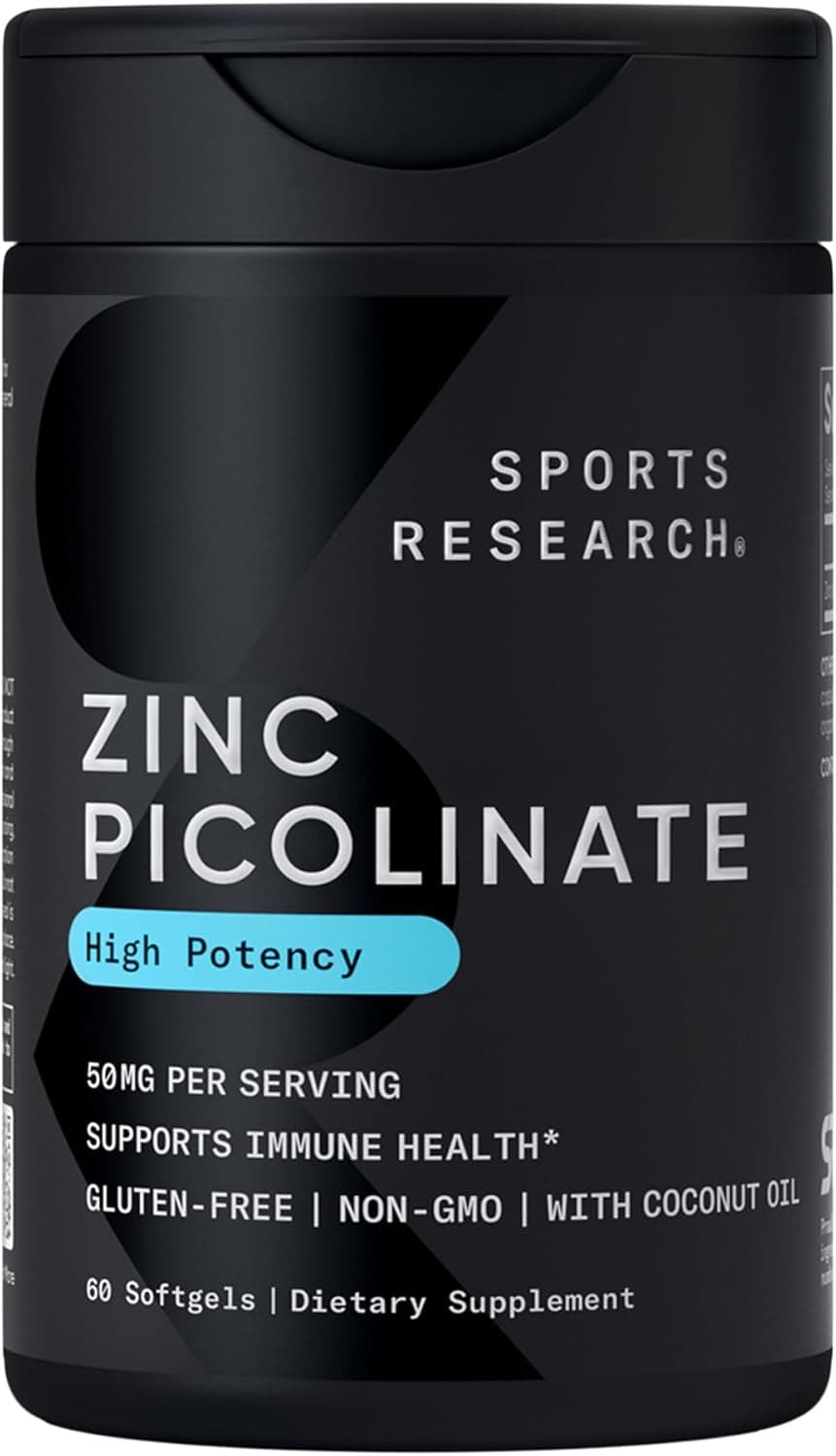
Zinc PicolinateHighGeneral supplementation — best overall absorption
Zinc GluconateModerate-HighLozenges for cold prevention — most studied form for colds
Zinc CitrateModerate-HighGeneral supplementation — good absorption, well-tolerated
Zinc Carnosine (ZnC)ModerateGut health, gastric lining repair — unique gut-protective properties
Zinc OxideLowBudget option, topical applications — poor oral absorption

Dosage Recommendations

General recommendation: 15-30mg elemental zinc daily

Timing: With food to reduce nausea; avoid taking with high-phytate meals (whole grains, legumes) • Take with food for best absorption.

Dosage by Condition

ConditionRecommended DoseEvidence
Immune support15-30mg daily; 75mg zinc acetate lozenges for active coldsStrong
Acne30mg zinc gluconate daily for 3+ monthsModerate
Testosterone support25-45mg dailyModerate
Gut health75mg zinc carnosine twice dailyModerate

Upper limit: 40mg/day elemental zinc (NIH Upper Tolerable Intake Level)

Side Effects and Safety

Safety profile: Generally Safe

Potential Side Effects

  • Nausea and stomach upset (most common, especially on empty stomach)
  • Metallic taste in mouth
  • Headache at higher doses
  • Copper depletion with chronic use above 40mg/day — supplement copper 1-2mg if taking >30mg zinc long-term
  • Reduced immune function paradoxically at very high doses (>150mg/day)

Drug & Supplement Interactions

  • Reduces absorption of antibiotics (tetracyclines, quinolones) — separate by 2 hours
  • Competes with copper absorption — long-term high-dose zinc requires copper supplementation
  • Competes with iron for absorption — take at different times
  • Penicillamine (for Wilson disease) — zinc reduces its effectiveness
BenefitsDosage GuideSide EffectsTypes & FormsResearchFAQ

Related Conditions

Related Supplements

Looking for the best zinc supplement?

We analyzed and ranked the top products based on form, dosage, third-party testing, and value.

See Our Top Picks

Frequently Asked Questions

What is the best form of zinc to take?

Zinc picolinate offers the highest overall bioavailability for daily supplementation. For cold prevention, zinc gluconate or zinc acetate lozenges are best studied and allow direct contact with throat tissues. For gut health, zinc carnosine (ZnC) has unique benefits for gastric lining repair. Avoid zinc oxide for oral supplementation due to poor absorption.

Can zinc help prevent or shorten colds?

Yes. A Cochrane review of 18 randomized controlled trials found that zinc lozenges (75mg/day of elemental zinc as acetate or gluconate) reduced cold duration by an average of 33% when started within 24 hours of symptom onset. The key is early initiation and using lozenges, not swallowed pills, for respiratory benefit.

Should I take copper with zinc?

If you take more than 30mg of elemental zinc daily for extended periods, adding 1-2mg of copper is recommended. Zinc and copper compete for absorption via the same transporter (metallothionein), and chronic high-dose zinc can induce copper deficiency, leading to anemia and neurological issues. Many quality zinc supplements already include copper.

Does zinc help with acne?

Multiple studies show zinc supplementation at 30mg/day can reduce inflammatory acne by 30-50% over 3 months. Zinc has anti-inflammatory and anti-androgenic properties relevant to acne. While not as potent as prescription retinoids, it is an effective adjunct therapy with fewer side effects.

References

  1. (). Zinc for the common cold. Cochrane Database of Systematic Reviews. DOI
  2. (). Zinc status and serum testosterone levels of healthy adults. Nutrition. DOI
  3. (). Serum zinc levels and efficacy of zinc treatment in acne vulgaris: A systematic review and meta-analysis. Dermatologic Therapy. DOI