Supplement ScienceSupplementScience
Gastroesophageal Reflux Disease (GERD)

Best Supplements for Gastroesophageal Reflux Disease (GERD)

Prevalence: Affects approximately 20% of US adults (roughly 60 million people)

·

This content is for informational purposes only and does not constitute medical advice. Statements about dietary supplements have not been evaluated by the FDA and are not intended to diagnose, treat, cure, or prevent any disease. Individual results may vary — consult your healthcare provider before starting any supplement. Full disclaimer

DGL licorice (400mg before meals) and zinc carnosine (75mg twice daily) are the most studied supplements for GERD,...

DGL licorice (400mg before meals) and zinc carnosine (75mg twice daily) are the most studied supplements for GERD, helping coat and protect the esophageal and gastric lining while reducing reflux symptoms.

Get the free evidence-based Gastroesophageal Reflux Disease (GERD) guide — delivered in 60 seconds.

No spam. Unsubscribe anytime.

Overview

GERD affects approximately 20% of the US adult population, characterized by chronic acid reflux that damages the esophageal lining. While proton pump inhibitors remain first-line therapy, several supplements have shown promise in clinical trials for reducing reflux frequency, protecting esophageal mucosa, and supporting digestive function.
Understanding Gastroesophageal Reflux Disease (GERD)

Gastroesophageal reflux disease (GERD) occurs when the lower esophageal sphincter (LES) fails to prevent stomach acid from refluxing into the esophagus. The LES is a muscular ring that normally maintains a pressure barrier between the acidic stomach environment (pH 1.5–3.5) and the esophageal mucosa, which lacks the protective mucus layer of the stomach. Contributing factors include transient LES relaxations, hiatal hernia, increased intra-abdominal pressure (obesity, pregnancy), delayed gastric emptying, and certain dietary triggers. Chronic acid exposure damages the esophageal epithelium, causing inflammation (esophagitis), stricture formation, Barrett's esophagus, and increased esophageal cancer risk. Proton pump inhibitors (PPIs) are highly effective but carry concerns with long-term use — including magnesium depletion, B12 malabsorption, increased fracture risk, and possible kidney effects. This drives interest in supplements that strengthen the esophageal mucosal barrier, improve gastric motility, or provide symptomatic relief without suppressing acid production entirely.

What the Research Shows

Melatonin has surprisingly robust evidence for GERD. Werbach (2008) reviewed the literature and found that melatonin inhibits gastric acid secretion, stimulates gastrin release (which tightens the LES), and protects the esophageal mucosa from oxidative damage. Pereira (2006) conducted a landmark RCT comparing melatonin (6 mg at bedtime) plus standard supplements (L-tryptophan, B vitamins, betaine, methionine, folic acid) to omeprazole (20 mg daily) in 175 GERD patients over 40 days. The melatonin group achieved 100% symptom resolution versus 65.7% for omeprazole — a striking result, though the multi-component nature of the supplement formula makes it difficult to attribute effects solely to melatonin. The enterochromaffin cells of the gut produce 400 times more melatonin than the pineal gland, supporting its physiological role in GI function. Alginic acid (sodium alginate), derived from brown seaweed, forms a physical raft on top of gastric contents that prevents acid reflux. Kwiatek et al. (2011) used MRI to demonstrate that the alginate raft physically displaces the acid pocket away from the gastroesophageal junction. A meta-analysis by Leiman et al. (2017) of 14 RCTs found that alginate-based products significantly reduced GERD symptom scores compared to placebo and were non-inferior to antacids. Gaviscon Advance (which contains sodium alginate) is the most studied formulation. Deglycyrrhizinated licorice (DGL) supports the esophageal and gastric mucosal barrier by stimulating mucus and prostaglandin production. Raveendra et al. (2012) found that 150 mg of a DGL extract (GutGard) twice daily for 30 days significantly reduced GERD symptom scores compared to placebo in a 50-patient RCT. D-limonene (orange peel extract) provided symptomatic relief in an open-label trial by Sun (2007), with 89% of patients reporting complete resolution of heartburn at 1,000 mg every other day for 20 days, though the lack of placebo control limits interpretation.

What to Look For in Supplements

For melatonin, standard immediate-release melatonin at 3–6 mg taken 30–60 minutes before bed is the formulation closest to the study protocol. Some GERD-specific formulas combine melatonin with L-tryptophan, B6, folic acid, and methionine, matching the Pereira study protocol. For sodium alginate, Gaviscon Advance (the UK formulation, which contains higher alginate concentration than the US version) is the most studied product — take 10–20 mL after meals and before bed. For DGL, choose products that specify deglycyrrhizination, as whole licorice root contains glycyrrhizin, which causes potassium depletion and hypertension with chronic use. GutGard is the specific extract studied for GERD. Chewable DGL tablets (400 mg, taken 20 minutes before meals) are the traditional delivery form. D-limonene at 1,000 mg every other day has the most preliminary evidence. All GERD supplements should be tried alongside lifestyle modifications: weight management, head-of-bed elevation, and avoiding eating within 3 hours of bedtime.

What Doesn't Work (And Why)

Apple cider vinegar is perhaps the most popular GERD folk remedy, based on the theory that reflux results from too little stomach acid rather than too much. This "low acid" theory is not supported by pH studies, which consistently show that GERD patients have normal or elevated acid production. Ingesting vinegar (acetic acid, pH 2.5–3) risks worsening esophageal mucosal damage. Betaine HCl, often recommended by alternative practitioners to "increase stomach acid," carries the same risks and has no evidence for GERD relief. Slippery elm bark and marshmallow root are traditional demulcents with no controlled trial data for GERD. Digestive enzymes are widely marketed for reflux but do not address the LES dysfunction that causes GERD. Baking soda (sodium bicarbonate) provides temporary antacid relief but its high sodium content makes chronic use dangerous, particularly for people with hypertension or heart failure. Probiotics have no convincing evidence for GERD symptom relief, despite their benefits for other GI conditions.

Combination Protocol

For GERD symptom management: melatonin (3–6 mg 30–60 minutes before bed), sodium alginate (Gaviscon Advance, 10 mL after meals and at bedtime), and DGL (400 mg chewable tablet 20 minutes before meals, three times daily). This combination addresses acid secretion modulation (melatonin), physical reflux barrier (alginate), and mucosal protection (DGL) through three complementary mechanisms. For nighttime symptoms specifically, the melatonin plus head-of-bed elevation combination is logical. Allow 2–4 weeks to assess response. If symptoms persist, medical evaluation is essential — chronic GERD requires endoscopic assessment to rule out Barrett's esophagus. Do not discontinue PPIs abruptly if you have been taking them long-term, as rebound acid hypersecretion can occur. No existing stack page covers GERD specifically.

When to See a Doctor

Supplements may calm occasional reflux; they do not address the alarm features that can signal malignancy or complicated disease. Seek same-week gastroenterology or primary-care evaluation for any of the following: difficulty swallowing (dysphagia) or food getting stuck; unintended weight loss; vomiting blood or coffee-ground material; black/tarry stools; iron-deficiency anemia; persistent reflux despite OTC H2 blockers or PPIs for 4-8 weeks; new reflux after age 50; or a history of Barrett's esophagus. Call 911 for chest pain that could be cardiac (especially with sweating, jaw or arm radiation, or shortness of breath — GERD can mimic a heart attack). First-line treatment is lifestyle change (weight, meal timing, elevation of the head of the bed) plus prescribed acid-suppressing medication; DGL, melatonin, deglycyrrhized licorice, and slippery elm are adjuncts for symptom relief.

Top Evidence-Based Supplements for Gastroesophageal Reflux Disease (GERD)

#SupplementTypical DoseEvidence
1DGL Licorice400mg chewable, 20 min before mealsModerate
See dgl licorice research →
2Slippery Elm400mg twice dailyPreliminary
See top slippery elm picks →
3Probiotics10-20 billion CFU dailyModerate
See top probiotics picks →
4Zinc Carnosine75mg twice dailyModerate
See top zinc carnosine picks →
5Ginger Extract250mg three times dailyPreliminary
See top ginger extract picks →

Top Product Picks

As an Amazon Associate, we earn from qualifying purchases. Some links below are affiliate links — this doesn't affect our editorial independence or product ratings. How we evaluate products

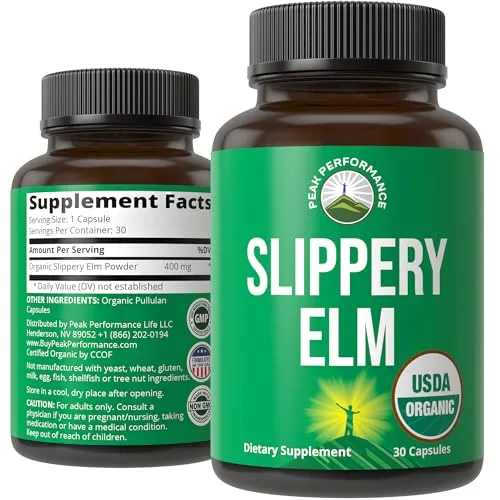
Peak Performance USDA Organic Slippery Elm Capsules

Peak Performance USDA Organic Slippery Elm Capsules

Peak Performance

8.3/10
Organic daily GI mucosal support$0.60/serving
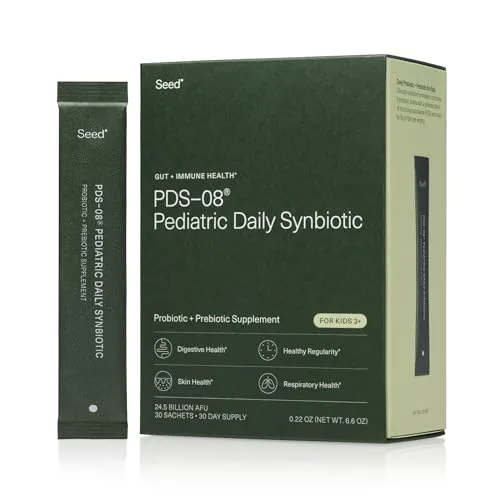
Seed PDS-08 Pediatric Daily Synbiotic

Seed PDS-08 Pediatric Daily Synbiotic

Seed

9/10
Comprehensive pediatric gut support with prebiotics and probiotics in one$1.33/serving
Sunergetic Elderberry Gummies Vitamin C Zinc

Sunergetic Elderberry Gummies Vitamin C Zinc

Sunergetic

8/10
Daily zinc + antioxidant support for inflammatory acne, particularly for users who prefer gummies to capsules$0.33/serving
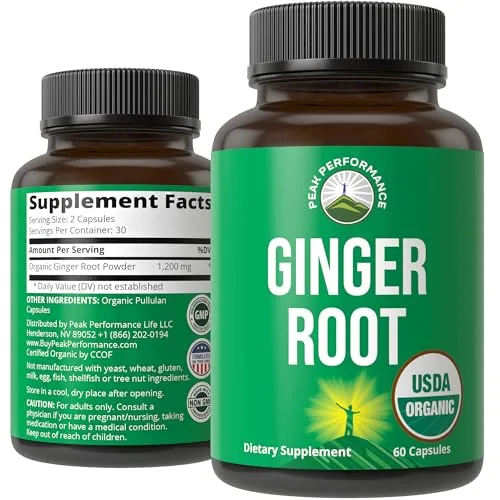
Peak Performance USDA Organic Ginger Root Capsules

Peak Performance USDA Organic Ginger Root Capsules

Peak Performance

8.3/10
Organic daily ginger supplementation$0.63/serving

Detailed Ingredient Guides

DGL Licorice
Herbal Gastroprotectant
DGL licorice is a safe form of licorice with glycyrrhizin removed to prevent blood pressure side effects. It protects the stomach lining by stimulating mucus production and enhancing mucosal blood flow. Chew 380-760mg DGL tablets 20 minutes before meals for heartburn, gastritis, or ulcer support.
Slippery Elm
Herbal Demulcent
Slippery elm bark contains mucilage that coats and soothes the GI lining, providing symptomatic relief for heartburn, IBD, and throat irritation. While clinical trial evidence is limited, its long history of traditional use and FDA demulcent recognition support safety. Typical dose is 400-1,000mg capsules or bark tea 3x daily.
Probiotics
Live Microorganisms
Probiotics are live beneficial bacteria that support gut health, immunity, and mood through the gut-brain axis. A 2018 meta-analysis found significant IBS symptom reduction with multi-strain probiotics. Benefits are strain-specific — choose based on your health goal. Typical dose: 10-50 billion CFU daily. Look for third-party tested products with guaranteed potency through expiration.
Zinc
Mineral
Zinc is essential for immune cell development and function, required by over 300 enzymes. A Cochrane review found zinc lozenges reduced cold duration by 33% when started within 24 hours of symptom onset. Daily doses of 15-30mg elemental zinc maintain immune function; zinc lozenges (75mg+/day) are effective for acute colds.
Ginger
Herbal Extract
Ginger extract at 250-1,000mg daily reduces osteoarthritis pain by ~30% and lowers inflammatory markers including CRP and IL-6. It inhibits both COX-2 and 5-LOX pathways. Also highly effective for nausea. Choose standardized extracts with ≥5% gingerols.
Aloe Vera
Herbal Gastroprotectant
Aloe vera inner leaf gel has anti-inflammatory and mucosal-healing properties useful for UC, GERD, and IBS. A 2004 RCT showed it reduced UC disease activity scores. Use decolorized/purified inner gel products only — avoid aloe latex (outer leaf) which is a harsh stimulant laxative. Typical dose is 100-200ml aloe vera juice or 50-200mg concentrated extract daily.
Marshmallow Root
Herbal Demulcent
Marshmallow root contains up to 35% mucilage that coats and soothes the GI tract, providing relief for heartburn, gastritis, and throat irritation. It has anti-inflammatory properties beyond its demulcent action. Typical dose is 500-1,500mg capsules or cold-water infusion 3x daily.

Related Conditions

Related Research

Learn More

Frequently Asked Questions

Can supplements help with acid reflux?

Yes, several supplements have shown benefit for GERD symptoms. DGL licorice (400mg before meals) stimulates protective mucus production, while zinc carnosine (75mg twice daily) helps repair damaged gastric and esophageal lining. Probiotics may also reduce reflux frequency. These are best used alongside dietary and lifestyle modifications rather than as replacements for prescribed medications.

Evidence:RCT (2007) · n=10 · moderate confidence[#2]. See full reference list below.

Is DGL licorice safe for long-term use?

DGL (deglycyrrhizinated) licorice removes the glycyrrhizin compound responsible for the blood-pressure-raising side effects of regular licorice. This makes DGL safe for long-term use in most adults at standard doses of 400mg before meals. Unlike regular licorice, DGL does not cause potassium depletion or hypertension.

What is the best natural remedy for GERD?

The most evidence-supported natural approach combines DGL licorice before meals with dietary changes (avoiding trigger foods, not lying down after eating). Zinc carnosine has moderate evidence for mucosal healing, and probiotics can improve overall digestive function. Elevating the head of the bed and weight management are also effective non-supplement strategies.

Can probiotics make acid reflux worse?

In most people, probiotics improve GERD symptoms rather than worsen them. However, some individuals may experience temporary bloating when first starting probiotics, which can transiently increase intra-abdominal pressure. Starting with a lower dose and gradually increasing over 1-2 weeks typically prevents this issue.

Continue Reading

References

  1. ReviewCheng J, Ouwehand AC (2020). Gastroesophageal reflux disease and probiotics: a systematic review. Nutrients. DOI PubMed
  2. RCTMahmood A, FitzGerald AJ, Marchbank T, et al. (2007). Zinc carnosine, a health food supplement that stabilises small bowel integrity and stimulates gut repair processes. Gut. DOI PubMed
  3. RCTRaveendra KR, Jayachandra, Srinivasa V, et al. (2012). An extract of Glycyrrhiza glabra (GutGard) alleviates symptoms of functional dyspepsia: a randomized, double-blind, placebo-controlled study. Evidence-Based Complementary and Alternative Medicine. DOI PubMed
  4. RCTHu ML, Rayner CK, Wu KL, et al. (2011). Effect of ginger on gastric motility and symptoms of functional dyspepsia. World Journal of Gastroenterology. DOI PubMed