Supplement ScienceSupplementScience
Inflammatory Bowel Disease (IBD)

Best Supplements for Inflammatory Bowel Disease (IBD)

Prevalence: 3.1 million US adults diagnosed with IBD (1.3% of the population) — CDC / NHIS data

·

This content is for informational purposes only and does not constitute medical advice. Statements about dietary supplements have not been evaluated by the FDA and are not intended to diagnose, treat, cure, or prevent any disease. Individual results may vary — consult your healthcare provider before starting any supplement. Full disclaimer

The most evidence-backed supplements for IBD are omega-3 fatty acids (2-4g EPA+DHA daily, shown to help maintain...

The most evidence-backed supplements for IBD are omega-3 fatty acids (2-4g EPA+DHA daily, shown to help maintain remission in ulcerative colitis), probiotics (particularly VSL#3 with 450 billion CFU, effective for UC remission maintenance), and vitamin D (2000-4000 IU daily, which modulates intestinal immune responses).

Get the free evidence-based Inflammatory Bowel Disease (IBD) guide — delivered in 60 seconds.

No spam. Unsubscribe anytime.

Overview

Inflammatory bowel disease encompasses Crohn's disease and ulcerative colitis, chronic conditions characterized by relapsing inflammation of the gastrointestinal tract. IBD affects approximately 3.1 million US adults. Nutritional deficiencies are common, and several supplements have shown promise as adjunctive therapies for maintaining remission and reducing inflammation.
Understanding Inflammatory Bowel Disease (IBD)

Inflammatory bowel disease (IBD) — Crohn's disease and ulcerative colitis — involves chronic, relapsing inflammation of the gastrointestinal tract driven by dysregulated immune responses to the gut microbiome in genetically susceptible individuals. The pathophysiology centers on disrupted intestinal barrier function, loss of immune tolerance to commensal bacteria, and excessive Th1/Th17 cytokine production (TNF-alpha, IL-12, IL-23). Pharmaceutical management with aminosalicylates, corticosteroids, immunomodulators, and biologics is the standard of care. IBD patients are at significantly elevated risk for nutritional deficiencies — particularly iron, vitamin D, B12, folate, and zinc — due to malabsorption, inflamed mucosa, and dietary restrictions. Supplementation in IBD targets two goals: correcting the deficiencies that are nearly universal in this population, and providing adjunctive anti-inflammatory support. Probiotics have a specific role in ulcerative colitis (but not Crohn's) for maintaining remission. Supplements cannot replace immunosuppressive therapy for active disease.

What the Research Shows

Vitamin D plays a significant immunomodulatory role in IBD. Jorgensen et al. (2010) randomized 94 Crohn's patients in remission to 1,200 IU vitamin D3 daily or placebo and found a trend toward reduced relapse (13% versus 29%, p=0.06). Sharifi et al. (2019) found that 50,000 IU vitamin D weekly for 12 weeks in UC patients significantly reduced disease activity scores and inflammatory markers. A meta-analysis by Li et al. (2018) of 18 observational studies found that low vitamin D levels were significantly associated with increased disease activity and higher rates of clinical relapse in both Crohn's and UC. Probiotics have condition-specific evidence. For ulcerative colitis, the VSL#3 formulation (now marketed as Visbiome, containing 8 strains at 450–900 billion CFU) was shown by Sood et al. (2009) to induce remission in 42.9% of active mild-to-moderate UC patients versus 15.7% for placebo. Tursi et al. (2010) confirmed that VSL#3 reduced UCDAI scores significantly. For pouchitis after colectomy, Gionchetti et al. (2000) showed VSL#3 maintained remission in 85% versus 6% on placebo — one of the strongest probiotic trial results ever published. However, for Crohn's disease, probiotic evidence is disappointing — a Cochrane review by Rolfe et al. (2006) found no significant benefit. Omega-3 fatty acids address the inflammatory component. Belluzzi et al. (1996) found that enteric-coated omega-3 (2.7 g daily) reduced relapse rates in Crohn's disease from 74% to 28% over one year. However, the large EPIC trials (Feagan et al., 2008) failed to replicate this benefit, leaving the evidence mixed. Curcumin showed promise as adjunctive therapy in UC — Hanai et al. (2006) randomized 89 UC patients already on mesalamine to curcumin (1 g twice daily) or placebo and found a relapse rate of 4.7% versus 20.5% over 6 months.

What to Look For in Supplements

For vitamin D, check baseline 25(OH)D levels and aim for 40–60 ng/mL — a higher target than the general population due to the immunomodulatory benefits. Many IBD patients require 4,000–10,000 IU D3 daily, guided by blood monitoring. For probiotics in UC, choose products providing the same multi-strain combination studied in trials: Visbiome (formerly VSL#3) at 450–900 billion CFU daily, or comparable high-dose multi-strain formulations. Single-strain or low-dose probiotics have not shown the same UC benefits. For curcumin, bioavailable forms (Meriva, Theracurmin) at 1,000–2,000 mg daily are used adjunctively for UC, taken alongside standard mesalamine therapy. For omega-3, enteric-coated formulations at 2–4 g EPA+DHA daily may reduce GI irritation. Iron supplementation is critical in IBD — choose iron bisglycinate for better tolerability, or IV iron for severe deficiency where oral iron worsens GI symptoms. All supplementation in IBD should be coordinated with a gastroenterologist.

What Doesn't Work (And Why)

Aloe vera juice, despite widespread use among IBD patients, has no convincing evidence for Crohn's or UC beyond one small pilot study (Langmead et al., 2004) with 44 UC patients showing a modest trend. Glutamine supplements are sometimes recommended for "leaky gut" in IBD, but a Cochrane review found insufficient evidence to support glutamine for inducing remission in Crohn's disease. Boswellia (frankincense) extract showed some promise in early German studies for UC, but the evidence base is too small and inconsistent for a clinical recommendation. Slippery elm, marshmallow root, and other demulcent herbs are popular in alternative medicine for IBD but have never been tested in rigorous RCTs. Cannabis/CBD products have enormous anecdotal support among IBD patients but clinical trial data is limited to small, short-term studies with mixed results — a 2018 Cochrane review found insufficient evidence to draw conclusions about cannabis for IBD.

Combination Protocol

For IBD maintenance support (in addition to prescribed therapy): vitamin D3 (4,000–5,000 IU daily, targeting 40–60 ng/mL by blood test), a high-dose multi-strain probiotic like Visbiome (450 billion CFU daily, evidence strongest for UC), omega-3 fish oil (2–3 g EPA+DHA daily, enteric-coated), and curcumin (1 g enhanced form twice daily, strongest evidence for UC adjunctive maintenance). Add iron bisglycinate if ferritin is low and B12 (methylcobalamin 1,000 mcg sublingual) if on methotrexate or with ileal disease. These supplements complement — never replace — gastroenterologist-directed immunosuppressive therapy. Monitor vitamin D, B12, iron, and folate levels quarterly. See /stacks/immune-resilience for overlapping immune-modulation principles.

When to See a Doctor

IBD (Crohns disease and ulcerative colitis) is a chronic inflammatory condition that requires physician-managed care; supplements are adjuncts during remission and never a replacement for induction therapy during a flare. Seek urgent care for severe abdominal pain with fever, heavy or persistent bloody diarrhea, signs of dehydration, fainting, a rigid or distended abdomen (possible toxic megacolon or perforation), new extra-intestinal symptoms (uveitis, joint pain with rash), or inability to keep fluids down. Book same-week gastroenterology for any new bloody stool, persistent diarrhea beyond three weeks, perianal fistulas or abscesses, weight loss over 10%, or a planned pregnancy while on biologics. Standard-of-care therapy (aminosalicylates, corticosteroids, immunomodulators, biologics) is first-line; omega-3s, curcumin, VSL-3 probiotics, and vitamin D are evaluated as adjuncts.

Top Evidence-Based Supplements for Inflammatory Bowel Disease (IBD)

#SupplementTypical DoseEvidence
1Omega-3 Fatty Acids2-4g EPA+DHA dailyModerate
See top omega-3 fatty acids picks →
2Probiotics (VSL#3 / Multi-strain)450 billion CFU daily (VSL#3) or equivalent multi-strainStrong
See top probiotics (vsl#3 / multi-strain) picks →
3Turmeric / Curcumin1g curcumin twice dailyModerate
See top turmeric / curcumin picks →
4Vitamin D2000-4000 IU dailyModerate
See top vitamin d picks →
5L-Glutamine5-15g daily in divided dosesEmerging
See l-glutamine research →

Top Product Picks

As an Amazon Associate, we earn from qualifying purchases. Some links below are affiliate links — this doesn't affect our editorial independence or product ratings. How we evaluate products

Sports Research Triple Strength Omega-3

Sports Research Triple Strength Omega-3

Sports Research

9.1/10
Heart health / EPA-predominant$0.31/serving
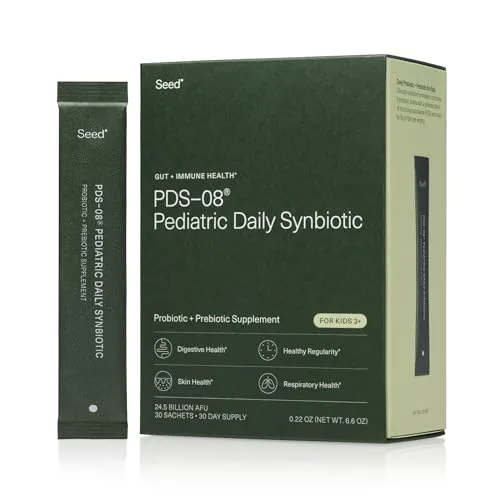
Seed PDS-08 Pediatric Daily Synbiotic

Seed PDS-08 Pediatric Daily Synbiotic

Seed

9/10
Comprehensive pediatric gut support with prebiotics and probiotics in one$1.33/serving
Peak Performance Theracurmin

Peak Performance Theracurmin

Peak Performance

8/10
Daily anti-inflammatory support for active RA patients seeking the most bioavailable curcumin form on the market$0.33/serving
NatureWise Vitamin D3 5000 IU

NatureWise Vitamin D3 5000 IU

NatureWise

9/10
Best value vitamin D3$0.04/serving

Detailed Ingredient Guides

Omega-3
Essential Fatty Acid
Omega-3 fatty acids (EPA + DHA) reduce inflammation, support heart and brain health, and may improve mood. The REDUCE-IT trial showed high-dose EPA (4g/day) reduced cardiovascular events by 25%. Most adults benefit from 1,000-2,000mg combined EPA+DHA daily.
Probiotics
Live Microorganisms
Probiotics are live beneficial bacteria that support gut health, immunity, and mood through the gut-brain axis. A 2018 meta-analysis found significant IBS symptom reduction with multi-strain probiotics. Benefits are strain-specific — choose based on your health goal. Typical dose: 10-50 billion CFU daily. Look for third-party tested products with guaranteed potency through expiration.
Turmeric / Curcumin
Plant Extract / Polyphenol
Curcumin is the primary bioactive in turmeric with strong evidence for reducing joint pain (comparable to ibuprofen in meta-analysis), lowering inflammatory markers, and supporting gut and brain health. Standard curcumin absorbs poorly (~1%); choose enhanced forms like Meriva phytosome (29x), Longvida (65x free curcumin), or piperine-boosted C3 Complex (20x) for clinically relevant blood levels. Typical effective dose: 500-1500mg curcumin daily with an absorption enhancer.
Vitamin D3
Fat-Soluble Vitamin
Vitamin D3 is essential for bone health, immune function, and mood regulation. An estimated 42% of U.S. adults are deficient. Most adults benefit from 1,000-4,000 IU daily, and a 2017 meta-analysis found supplementation reduced the risk of acute respiratory infections by 12%.
L-Glutamine
Amino Acid
L-Glutamine at 5-20 g/day supports gut barrier integrity, immune function, and muscle recovery. It is conditionally essential during physiological stress. Evidence is strongest for ICU patients and gut health; exercise recovery evidence is mixed but popular among athletes.
Aloe Vera
Herbal Gastroprotectant
Aloe vera inner leaf gel has anti-inflammatory and mucosal-healing properties useful for UC, GERD, and IBS. A 2004 RCT showed it reduced UC disease activity scores. Use decolorized/purified inner gel products only — avoid aloe latex (outer leaf) which is a harsh stimulant laxative. Typical dose is 100-200ml aloe vera juice or 50-200mg concentrated extract daily.
Boswellia
Herbal Extract
Boswellia serrata extract (standardized to AKBA) at 300-500mg daily reduces joint pain and inflammation by inhibiting 5-LOX enzyme. Clinical trials show significant improvement in osteoarthritis symptoms within 1-2 weeks. Choose extracts standardized to ≥30% boswellic acids.
L-Glutamine (Gut Health)
Amino Acid
L-Glutamine is the primary fuel for intestinal cells and supports gut barrier integrity by strengthening tight junctions. Clinical studies show it can reduce intestinal permeability and support recovery from gut damage. For gut health, 5-10g daily in divided doses is the standard recommendation.
Slippery Elm
Herbal Demulcent
Slippery elm bark contains mucilage that coats and soothes the GI lining, providing symptomatic relief for heartburn, IBD, and throat irritation. While clinical trial evidence is limited, its long history of traditional use and FDA demulcent recognition support safety. Typical dose is 400-1,000mg capsules or bark tea 3x daily.
Athletic Performance & Recovery
4 ingredients · $40–60/month
The evidence-based athletic performance stack is creatine monohydrate (5g/day maintenance), vitamin D3 (2000–4000 IU), omega-3 (2–3g EPA+DHA), and magnesium glycinate (300–400mg post-workout). Creatine is the most studied performance supplement in existence. The other three address the foundational deficiencies that silently cap performance and slow recovery in most athletes.
Cognitive Performance & Focus
4 ingredients · $55–80/month
The most evidence-backed cognitive stack uses lion's mane (500–1000mg extract), bacopa monnieri (300mg standardized to 55% bacosides), omega-3 (2g EPA+DHA daily), and L-theanine (100–200mg with caffeine). Lion's mane and bacopa build long-term neuroplasticity; omega-3 provides structural support; L-theanine+caffeine delivers clean acute focus.
Immune Resilience
4 ingredients · $30–50/month
The most evidence-backed immune resilience stack is vitamin D3 (2000–4000 IU daily), zinc picolinate (15–25mg daily), vitamin C (500–1000mg daily), and elderberry extract (600mg during illness). Vitamin D and zinc address the most prevalent immune-relevant deficiencies. Vitamin C has decades of evidence for reducing illness duration. Elderberry has RCT support specifically for shortening respiratory illness.
Longevity & Healthy Aging
4 ingredients · $60–90/month
The most evidence-backed longevity foundation stack includes CoQ10 as ubiquinol (200–400mg), omega-3 fatty acids (2–3g EPA+DHA), vitamin D3 with K2 (2000–4000 IU D3 + 100–200mcg MK-7), and magnesium glycinate (200–400mg). These address the four most documented aging mechanisms: mitochondrial decline, inflammation, calcium dysregulation, and deficiency-driven accelerated aging.

Related Conditions

Related Research

Learn More

Frequently Asked Questions

Do probiotics help with inflammatory bowel disease?

Probiotics, particularly the multi-strain formulation VSL#3 (containing 450 billion CFU of 8 bacterial strains), have the strongest evidence for ulcerative colitis. A systematic review with meta-analysis of 22 RCTs found VSL#3 effective for inducing remission in active UC and probiotics equivalent to 5-ASAs for preventing relapse [1]. Evidence for probiotics in Crohn's disease is less consistent. Strain and dose matter significantly — generic probiotics may not provide the same benefits.

Evidence:Meta-analysis (2017) · 22 RCTs · moderate confidence[#1]. See full reference list below.

Can curcumin help maintain IBD remission?

Yes. A pivotal RCT published in Clinical Gastroenterology and Hepatology found that adding 1g of curcumin twice daily to mesalamine therapy maintained remission in 95% of ulcerative colitis patients over 6 months, compared to 79% with mesalamine alone. Curcumin inhibits NF-κB and multiple inflammatory pathways active in IBD. It should be used as an adjunct to, not replacement for, prescribed IBD medications.

Why are IBD patients often deficient in vitamin D?

Vitamin D deficiency affects 30-40% of IBD patients due to intestinal malabsorption, reduced sun exposure during flares, and chronic inflammation that depletes vitamin D stores. Vitamin D regulates tight junction proteins in the gut lining and modulates Th17/Treg immune cell balance. An RCT in Crohn's patients found high-dose vitamin D supplementation reduced relapse risk.

Does glutamine help repair the gut lining in IBD?

Glutamine is the primary fuel source for enterocytes (intestinal lining cells) and supports intestinal barrier integrity. Clinical studies show glutamine supplementation (5-15g daily) can reduce intestinal permeability, a hallmark of IBD. While results are promising, particularly for post-surgical IBD patients, more large-scale RCTs are needed to establish firm dosing recommendations for IBD specifically.

Continue Reading

References

  1. Meta-analysisDerwa Y, Gracie DJ, Hamlin PJ, Ford AC (2017). Systematic review with meta-analysis: the efficacy of probiotics in inflammatory bowel disease. Alimentary Pharmacology & Therapeutics. DOI PubMed
  2. RCTHanai H, Iida T, Takeuchi K, et al. (2006). Curcumin maintenance therapy for ulcerative colitis: randomized, multicenter, double-blind, placebo-controlled trial. Clinical Gastroenterology and Hepatology. DOI PubMed
  3. Turner D, Shah PS, Steinhart AH, Zlotkin S, Griffiths AM (2011). Maintenance of remission in inflammatory bowel disease using omega-3 fatty acids (fish oil): a systematic review and meta-analyses. Inflammatory Bowel Diseases. DOI PubMed