Supplement ScienceSupplementScience
Low Testosterone

Best Supplements for Low Testosterone

Prevalence: Affects an estimated 4-5 million American men; prevalence increases with age (up to 40% in men over 45)

·

This content is for informational purposes only and does not constitute medical advice. Statements about dietary supplements have not been evaluated by the FDA and are not intended to diagnose, treat, cure, or prevent any disease. Individual results may vary — consult your healthcare provider before starting any supplement. Full disclaimer

Tongkat ali (200-400mg daily) and ashwagandha (600mg KSM-66) have the strongest clinical evidence for naturally...

Tongkat ali (200-400mg daily) and ashwagandha (600mg KSM-66) have the strongest clinical evidence for naturally supporting testosterone levels, with RCTs showing 15-24% increases in men with suboptimal baseline levels.

Get the free evidence-based Low Testosterone guide — delivered in 60 seconds.

No spam. Unsubscribe anytime.

Overview

Low testosterone (hypogonadism) affects an estimated 4-5 million American men, with prevalence increasing with age. Symptoms include fatigue, reduced muscle mass, low libido, and mood changes. While severe deficiency requires medical treatment, several supplements have shown promise for supporting healthy testosterone levels in mildly deficient or aging men.

Understanding Low Testosterone

Testosterone production follows a tightly regulated axis: the hypothalamus releases GnRH, stimulating pituitary LH secretion, which drives Leydig cell testosterone synthesis in the testes. Total testosterone declines approximately 1–2% per year after age 30, with bioavailable testosterone declining faster due to increasing sex hormone-binding globulin (SHBG). Clinically significant hypogonadism — total testosterone below 300 ng/dL with symptoms — affects an estimated 2–6 million American men, though the boundary between normal aging and pathological deficiency is debated. Symptoms include fatigue, reduced libido, erectile dysfunction, decreased muscle mass, increased body fat, and mood changes. Testosterone replacement therapy (TRT) is the medical standard for confirmed hypogonadism, but carries risks including polycythemia, infertility, and potential cardiovascular concerns. Supplement marketing in this space is rampant and overwhelmingly misleading — the vast majority of "testosterone boosters" do not meaningfully raise testosterone in healthy men. A few compounds have modest evidence for supporting testosterone in specific clinical contexts.

What the Research Shows

Ashwagandha (KSM-66) has the best supplement evidence for modest testosterone support. Lopresti et al. (2019) randomized 43 overweight men (aged 40–70) with mild fatigue to KSM-66 (300 mg twice daily) or placebo for 8 weeks and found a 14.7% greater increase in testosterone versus placebo, along with significantly increased DHEA-S. Wankhede et al. (2015) found that 300 mg KSM-66 twice daily combined with resistance training increased testosterone by 96.2 ng/dL more than placebo and improved strength and muscle recovery. These effects are modest — sufficient to move levels within the normal range but not to treat clinical hypogonadism. Vitamin D deficiency is strongly associated with low testosterone. Pilz et al. (2011) randomized 165 men with both vitamin D deficiency and low-normal testosterone to 3,332 IU vitamin D3 daily or placebo for 12 months. The vitamin D group showed a significant increase in total testosterone (from 10.7 to 13.4 nmol/L), free testosterone, and bioactive testosterone. However, multiple subsequent trials in vitamin D-replete men showed no testosterone increase — the effect is specific to correcting deficiency. Zinc deficiency directly impairs testosterone synthesis. Prasad et al. (1996) demonstrated that zinc restriction in healthy young men for 20 weeks reduced testosterone by 75%, and that zinc supplementation in marginally deficient elderly men doubled testosterone levels over 6 months. The key finding: zinc supplementation only raises testosterone in zinc-deficient individuals. DHEA has age-related depletion that parallels testosterone decline. A meta-analysis by Corona et al. (2013) found that DHEA supplementation (50–100 mg daily) modestly increased testosterone in women but had inconsistent effects in men. Tongkat ali (Eurycoma longifolia) has some preliminary evidence — Talbott et al. (2013) found that 200 mg daily improved stress hormone profile and testosterone status in moderately stressed adults, but sample sizes are small and independent replication is limited.

What to Look For in Supplements

For ashwagandha, choose KSM-66 specifically — this is the extract used in testosterone-related trials, standardized to 5% withanolides from root-only extraction. Dose: 300 mg twice daily with meals. For vitamin D, get a blood test first — supplementation only raises testosterone if you are deficient (below 30 ng/mL). Dose: 2,000–5,000 IU D3 daily depending on baseline levels. For zinc, choose picolinate or bisglycinate forms at 25–30 mg daily if marginally deficient. Do not exceed 40 mg daily long-term as excess zinc depletes copper. Important context: no supplement can replicate the effects of TRT for clinical hypogonadism (total testosterone below 300 ng/dL with symptoms). If testosterone is genuinely low, see an endocrinologist. Supplements may support testosterone within the normal range by addressing underlying deficiencies, but "boosting" testosterone substantially beyond your natural range is not achievable through supplements.

What Doesn't Work (And Why)

The testosterone booster market is perhaps the most misleading segment of the supplement industry. Tribulus terrestris is the most widely marketed testosterone booster, yet Neychev and Mitev (2005) found no testosterone increase in young men, and a systematic review by Qureshi et al. (2014) concluded tribulus does not raise testosterone in humans. D-aspartic acid showed a temporary increase in one small trial but subsequent studies, including Willoughby and Leutholtz (2013), found no testosterone increase after 28 days of supplementation. Fenugreek is marketed as a testosterone booster, but Bushey et al. (2009) found no significant testosterone increase despite improvements in body composition — suggesting fenugreek may inhibit 5-alpha reductase (reducing DHT) rather than raising total testosterone. Boron showed a small testosterone increase in one study by Naghii et al. (2011), but the effect (approximately 28% increase from baseline over 1 week) has not been independently replicated and the baseline values were suspiciously low. ZMA (zinc-magnesium-aspartate), despite popularity among athletes, showed no testosterone increase in a well-designed study by Wilborn et al. (2004) in men who were not deficient.

Combination Protocol

For supporting testosterone within the normal range: ashwagandha KSM-66 (300 mg twice daily with meals), vitamin D3 (dose based on blood test, typically 2,000–4,000 IU daily), and zinc picolinate (25 mg daily with food — only if dietary intake is inadequate or serum zinc is low). Add magnesium glycinate (400 mg daily) if deficient, as magnesium is also associated with testosterone levels. This combination addresses adaptogenic stress management, vitamin D repletion, and mineral cofactor support. Get baseline total testosterone, free testosterone, SHBG, LH, and FSH blood tests before starting, and retest after 12 weeks. If total testosterone remains below 300 ng/dL with symptoms after addressing deficiencies, consult an endocrinologist about TRT. Exercise — particularly heavy resistance training — has a larger acute testosterone effect than any supplement. See /stacks/athletic-performance for exercise-related supplementation.

Top Evidence-Based Supplements for Low Testosterone

#SupplementTypical DoseEvidence
1Tongkat Ali (Eurycoma longifolia)200-400mg daily (100:1 extract)Moderate
See top tongkat ali (eurycoma longifolia) picks →
2Ashwagandha (KSM-66)600mg dailyModerate
See top ashwagandha (ksm-66) picks →
3Zinc25-45mg dailyModerate
See top zinc picks →
4Vitamin D3,000-5,000 IU dailyModerate
See top vitamin d picks →
5Fenugreek Extract500-600mg daily (Testofen extract)Moderate
See fenugreek extract research →

Top Product Picks

As an Amazon Associate, we earn from qualifying purchases. Some links below are affiliate links — this doesn't affect our editorial independence or product ratings. How we evaluate products

Double Wood Tongkat Ali Extract 200:1

Double Wood Tongkat Ali Extract 200:1

Double Wood Supplements

8.3/10
High-potency 200:1 extract with massive review validation$0.28/serving
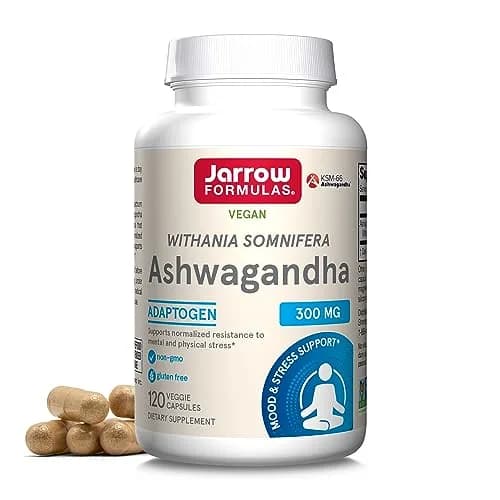
Sports Research Organic Ashwagandha KSM-66

Sports Research Organic Ashwagandha KSM-66

Sports Research

8.5/10
Organic ashwagandha at the full clinical dose with KSM-66 extract$0.37/serving
Sunergetic Elderberry Gummies Vitamin C Zinc

Sunergetic Elderberry Gummies Vitamin C Zinc

Sunergetic

8/10
Daily zinc + antioxidant support for inflammatory acne, particularly for users who prefer gummies to capsules$0.33/serving
NatureWise Vitamin D3 5000 IU

NatureWise Vitamin D3 5000 IU

NatureWise

9/10
Best value vitamin D3$0.04/serving

Detailed Ingredient Guides

Tongkat Ali
Adaptogenic Herb
Tongkat Ali is a Southeast Asian adaptogenic herb that may increase free testosterone by 15-37% and reduce cortisol by 16% in stressed adults. The best-studied form is the patented LJ100 extract at 200-400mg daily, standardized to 2% eurycomanone. Clinical evidence is moderate and growing, with the strongest results seen in stressed or aging populations.
Ashwagandha
Adaptogenic Herb
Yes, ashwagandha is one of the most clinically studied adaptogens, with over 22 published clinical trials backing its benefits. A 2019 meta-analysis found it reduced stress scores by 44% and cortisol by 23% compared to placebo. The recommended dose is 300-600mg of root extract (KSM-66, standardized to withanolides) daily.
Zinc
Mineral
Zinc is essential for immune cell development and function, required by over 300 enzymes. A Cochrane review found zinc lozenges reduced cold duration by 33% when started within 24 hours of symptom onset. Daily doses of 15-30mg elemental zinc maintain immune function; zinc lozenges (75mg+/day) are effective for acute colds.
Vitamin D3
Fat-Soluble Vitamin
Vitamin D3 is essential for bone health, immune function, and mood regulation. An estimated 42% of U.S. adults are deficient. Most adults benefit from 1,000-4,000 IU daily, and a 2017 meta-analysis found supplementation reduced the risk of acute respiratory infections by 12%.
D-Aspartic Acid
Amino Acid
D-Aspartic Acid stimulates LH and testosterone release from the hypothalamus-pituitary-testes axis. One study showed a 42% testosterone increase in healthy men at 3.12 g/day for 12 days. However, results are inconsistent — studies in resistance-trained men show no significant testosterone elevation.
Fenugreek
Herbal Extract
Fenugreek extract (especially Testofen at 600mg daily) has moderate clinical evidence for supporting free testosterone, libido, and sexual function in men. Multiple RCTs show improvements in sexual arousal, orgasm, and strength. It also has strong evidence for blood sugar management.
DHEA
Hormone Precursor
DHEA is the body's most abundant steroid hormone precursor, declining ~2-3% per year after age 25. Supplementing 25-50mg daily may benefit men over 40 with documented low DHEA-S levels, improving body composition, bone density, and mood. Requires medical supervision and hormone panel monitoring.
Fadogia Agrestis
Herbal Extract
Fadogia agrestis is a West African herb promoted for testosterone support, but evidence is limited to animal studies only. Rat studies show dose-dependent testosterone increases but also testicular toxicity at higher doses. No human clinical trials have been published. Use with significant caution.
Shilajit
Mineral Adaptogen
Shilajit is a mineral-rich Himalayan exudate with emerging evidence for testosterone support, mitochondrial energy, and anti-aging. Fulvic acid enhances CoQ10 and nutrient absorption. Standard dose is 250-500mg purified shilajit daily (PrimaVie is the most studied form).
Stinging Nettle Root
Herbal Extract
Stinging nettle root extract may increase free testosterone by binding SHBG and is an approved phytotherapy for BPH in several European countries. At 300-600mg daily, it reduces urinary symptoms and is commonly combined with saw palmetto. Evidence is moderate for prostate health.
Testosterone Booster
Category Overview
Natural testosterone boosters include herbs (tongkat ali, fenugreek, ashwagandha), minerals (zinc, magnesium), and vitamins (D3). Most produce modest 5-20% increases in free testosterone, primarily in men with suboptimal levels. Correcting zinc and vitamin D deficiencies often has the largest impact. No OTC supplement matches TRT efficacy.
Athletic Performance & Recovery
4 ingredients · $40–60/month
The evidence-based athletic performance stack is creatine monohydrate (5g/day maintenance), vitamin D3 (2000–4000 IU), omega-3 (2–3g EPA+DHA), and magnesium glycinate (300–400mg post-workout). Creatine is the most studied performance supplement in existence. The other three address the foundational deficiencies that silently cap performance and slow recovery in most athletes.
Immune Resilience
4 ingredients · $30–50/month
The most evidence-backed immune resilience stack is vitamin D3 (2000–4000 IU daily), zinc picolinate (15–25mg daily), vitamin C (500–1000mg daily), and elderberry extract (600mg during illness). Vitamin D and zinc address the most prevalent immune-relevant deficiencies. Vitamin C has decades of evidence for reducing illness duration. Elderberry has RCT support specifically for shortening respiratory illness.
Longevity & Healthy Aging
4 ingredients · $60–90/month
The most evidence-backed longevity foundation stack includes CoQ10 as ubiquinol (200–400mg), omega-3 fatty acids (2–3g EPA+DHA), vitamin D3 with K2 (2000–4000 IU D3 + 100–200mcg MK-7), and magnesium glycinate (200–400mg). These address the four most documented aging mechanisms: mitochondrial decline, inflammation, calcium dysregulation, and deficiency-driven accelerated aging.
Sleep Optimization
3 ingredients · $35–55/month
The most evidence-backed sleep stack combines magnesium glycinate (400mg), L-theanine (200mg), and ashwagandha KSM-66 (300–600mg), all taken 30–60 minutes before bed. This trio addresses the three main drivers of poor sleep: magnesium deficiency, overactive nervous system arousal, and elevated cortisol.

Related Conditions

Related Research

Learn More

Frequently Asked Questions

Can supplements actually increase testosterone?

Several supplements have demonstrated modest but significant testosterone increases in clinical trials, particularly in men with suboptimal levels. Tongkat ali (200-400mg daily) showed 15-24% increases, and ashwagandha (600mg KSM-66) showed approximately 15% increases. These effects are most pronounced in men who are deficient in key nutrients like zinc or vitamin D, or those with age-related hormonal decline.

What is the best natural testosterone booster?

Based on clinical evidence, tongkat ali (Eurycoma longifolia) at 200-400mg daily has the most consistent data, with a systematic review of 9 RCTs confirming significant testosterone increases [1]. Ashwagandha KSM-66 (600mg daily) is a close second with additional benefits for stress reduction and body composition [2]. Ensuring adequate zinc and vitamin D levels provides foundational hormonal support.

Evidence:Meta-analysis (2022) · 9 RCTs · moderate confidence[#1]. See full reference list below.

Does vitamin D affect testosterone levels?

Yes. A well-designed RCT found that men who took 3,332 IU of vitamin D daily for 12 months experienced a 25% increase in total testosterone, while the placebo group showed no change. This effect is strongest in men who are vitamin D deficient (below 30 ng/mL), which includes roughly 42% of US adults.

Is D-aspartic acid effective for testosterone?

D-aspartic acid (DAA) has mixed evidence. An initial study showed a 42% testosterone increase in 12 days, but subsequent RCTs in trained men showed no significant effect. DAA may temporarily boost testosterone in untrained or deficient men but does not appear effective for healthy, active individuals. It remains classified as having preliminary evidence.

Built from 2,400+ clinical studies. Join the weekly research brief.

No spam. Unsubscribe anytime.

Continue Reading

References

  1. Meta-analysisLeisegang K, Finelli R, Engel KM, et al. (2022). Eurycoma longifolia (Jack) improves serum total testosterone in men: a systematic review and meta-analysis of clinical trials. Medicina. DOI PubMed
  2. RCTLopresti AL, Drummond PD, Smith SJ (2019). A randomized, double-blind, placebo-controlled, crossover study examining the hormonal and vitality effects of ashwagandha (Withania somnifera) in aging, overweight males. American Journal of Men's Health. DOI PubMed
  3. RCTPilz S, Frisch S, Koertke H, et al. (2011). Effect of vitamin D supplementation on testosterone levels in men. Hormone and Metabolic Research. DOI PubMed
  4. RCTRao A, Steels E, Inder WJ, Abraham S, Vitetta L (2016). Testofen, a specialised Trigonella foenum-graecum seed extract reduces age-related symptoms of androgen decrease, increases testosterone levels and improves sexual function in healthy aging males. Aging Male. DOI PubMed
  5. ObservationalPrasad AS, Mantzoros CS, Beck FW, Hess JW, Brewer GJ (1996). Zinc status and serum testosterone levels of healthy adults. Nutrition. DOI PubMed