Supplement ScienceSupplementScience
Low Libido

Best Supplements for Low Libido

Prevalence: Affects 15-16% of men and 25-43% of women; prevalence increases with age

·

This content is for informational purposes only and does not constitute medical advice. Statements about dietary supplements have not been evaluated by the FDA and are not intended to diagnose, treat, cure, or prevent any disease. Individual results may vary — consult your healthcare provider before starting any supplement. Full disclaimer

Maca root (1,500-3,000mg/day) has the most consistent evidence for improving libido in both men and women, with...

Maca root (1,500-3,000mg/day) has the most consistent evidence for improving libido in both men and women, with multiple RCTs showing enhanced sexual desire independent of hormone changes. Tongkat ali and panax ginseng also show meaningful benefits.

Get the free evidence-based Low Libido guide — delivered in 60 seconds.

No spam. Unsubscribe anytime.

Overview

Low libido affects approximately 15-16% of men and 25-43% of women at some point in their lives. Causes range from hormonal changes and stress to medication side effects. Several herbal supplements have demonstrated measurable improvements in sexual desire and arousal in clinical trials.

Understanding Low Libido

Libido — sexual desire — is regulated by a complex interaction of hormonal, neurochemical, psychological, and vascular factors. Testosterone is the primary hormonal driver of libido in both men and women, though its effects are permissive rather than dose-dependent — once testosterone reaches a sufficient threshold, further increases do not proportionally increase desire. Dopamine signaling in the mesolimbic pathway drives the "wanting" component of sexual motivation, while serotonin generally inhibits it (which is why SSRIs commonly reduce libido). Nitric oxide (NO) is essential for genital vascular engorgement in both sexes. Chronic stress elevates cortisol, which suppresses GnRH and directly antagonizes testosterone. Fatigue, depression, relationship factors, and medications (antidepressants, antihypertensives, oral contraceptives) are the most common non-hormonal causes of reduced libido. The supplement space for libido is crowded with unsubstantiated claims, but a small number of compounds have evidence for addressing specific physiological bottlenecks — hormonal support, stress reduction, and vascular function.

What the Research Shows

Maca (Lepidium meyenii) has the most consistent evidence for subjective libido enhancement without altering hormone levels. Gonzales et al. (2002) randomized 57 men to 1.5 g or 3 g maca daily or placebo for 12 weeks and found significantly increased sexual desire at 8 weeks, with no changes in testosterone or estradiol. A systematic review by Shin et al. (2010) of 4 RCTs concluded that maca significantly improved subjective sexual desire, with evidence in both men and women. The mechanism is unclear — maca does not appear to work through hormonal pathways, and its active compounds (macamides, macaenes) may affect central neurotransmitter systems. Ashwagandha (KSM-66) addresses libido through stress and testosterone pathways. Dongre et al. (2015) randomized 50 women with sexual dysfunction to 300 mg KSM-66 twice daily or placebo for 8 weeks and found significant improvements in arousal, lubrication, orgasm, and overall sexual function. In men, the testosterone-supporting effects described in the low-testosterone entry indirectly support libido. Fenugreek extract (Testofen, standardized to 50% fenusides) showed libido-specific effects. Rao et al. (2015) randomized 60 healthy men to 600 mg Testofen daily or placebo for 12 weeks and found significant improvements in sexual arousal, orgasm, and overall sexual function on the Derogatis Interview for Sexual Functioning. The mechanism may involve aromatase inhibition and 5-alpha reductase inhibition. Tribulus terrestris, despite failing as a testosterone booster, has shown some libido benefits — Kamenov et al. (2017) found that 750 mg tribulus daily for 4 months improved sexual desire and satisfaction in women with hypoactive sexual desire disorder, possibly through effects on androgen receptors or dopamine. L-citrulline supports nitric oxide production for vascular engorgement — Cormio et al. (2011) found that 1.5 g L-citrulline daily improved erection hardness in men with mild erectile dysfunction, though the study was small.

What to Look For in Supplements

For maca, choose gelatinized maca powder or standardized extract at 1.5–3 g daily. Gelatinization removes starch and improves digestibility. Both red and black maca varieties have been studied; black maca showed the strongest effects on sexual function in animal models. For ashwagandha, KSM-66 at 300 mg twice daily is the form studied for sexual function. For fenugreek, Testofen (standardized to 50% fenusides) at 600 mg daily is the specific extract with libido evidence. For L-citrulline, 1.5–3 g daily provides meaningful NO precursor support. These supplements are not treatments for clinical sexual dysfunction — if libido concerns are accompanied by erectile dysfunction, anorgasmia, or pain, medical evaluation is important to rule out hormonal, vascular, neurological, or medication-related causes. SSRI-induced sexual dysfunction specifically requires medication adjustment, not supplementation.

What Doesn't Work (And Why)

Horny goat weed (epimedium) is perhaps the most marketing-driven libido supplement, based primarily on in vitro PDE5 inhibition data. The concentration of icariin needed to inhibit PDE5 in cell cultures far exceeds what oral supplementation delivers to relevant tissues. No well-designed human RCTs support its use. Yohimbine, derived from the bark of the Pausinystalia yohimbe tree, does have some evidence for erectile dysfunction, but it carries significant risks — hypertension, anxiety, tachycardia — and the FDA specifically warned that OTC yohimbe supplements are unsafe. DHEA supplements for libido have inconsistent evidence in men and modest evidence in postmenopausal women, but unsupervised DHEA use carries risks of androgenic side effects. Ginseng (Panax) has traditional use for sexual vitality but clinical evidence is limited to small, low-quality trials. "Spanish fly" (cantharidin) is genuinely toxic and has caused deaths. Any product claiming to produce effects "comparable to Viagra" through natural ingredients is misleading — PDE5 inhibitors work through a specific pharmacological mechanism no supplement replicates.

Combination Protocol

For libido support: maca (1.5–3 g gelatinized powder daily with meals), ashwagandha KSM-66 (300 mg twice daily), and L-citrulline (1.5 g daily for vascular support). This combination addresses subjective desire (maca), stress and hormonal optimization (ashwagandha), and vascular function (citrulline). For women, the ashwagandha evidence is particularly strong for overall sexual function. Add fenugreek (Testofen 600 mg daily) if additional support is desired. Allow 4–8 weeks for full effects — maca typically shows benefits by week 8, ashwagandha by weeks 4–8. Ensure adequate sleep (libido is highly sensitive to sleep deprivation), manage stress, and maintain regular exercise — all have larger effects on libido than supplementation. See /stacks/athletic-performance for exercise-related protocols that overlap with hormonal optimization.

Top Evidence-Based Supplements for Low Libido

#SupplementTypical DoseEvidence
1Maca Root1,500-3,000mg dailyModerate
See top maca root picks →
2Tongkat Ali200-400mg dailyModerate
See top tongkat ali picks →
3Panax Ginseng (Korean Red Ginseng)900-1,000mg three times dailyModerate
See panax ginseng (korean red ginseng) research →
4Ashwagandha300-600mg dailyModerate
See top ashwagandha picks →
5Tribulus Terrestris250-750mg dailyPreliminary
See tribulus terrestris research →

Top Product Picks

As an Amazon Associate, we earn from qualifying purchases. Some links below are affiliate links — this doesn't affect our editorial independence or product ratings. How we evaluate products

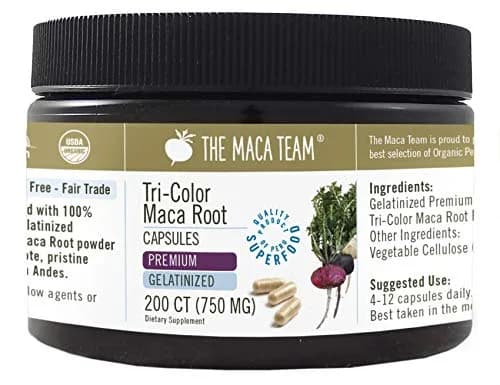
The Maca Team Gelatinized Black Maca Capsules

The Maca Team Gelatinized Black Maca Capsules

The Maca Team

9.3/10
Most potent black maca, single-color sourcing$0.60/serving
Double Wood Tongkat Ali Extract 200:1

Double Wood Tongkat Ali Extract 200:1

Double Wood Supplements

8.3/10
High-potency 200:1 extract with massive review validation$0.28/serving
Sports Research Organic Ashwagandha KSM-66

Sports Research Organic Ashwagandha KSM-66

Sports Research

8.5/10
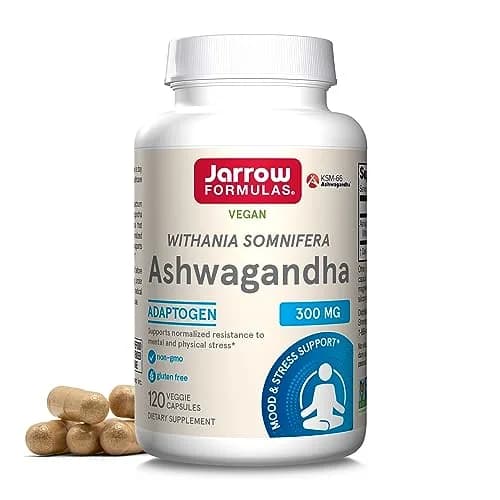
Organic ashwagandha at the full clinical dose with KSM-66 extract$0.37/serving

Detailed Ingredient Guides

Maca Root
Adaptogenic Root
Maca root is a Peruvian adaptogen with moderate evidence for improving sexual desire, fertility, mood, and menopausal symptoms. It works differently from other adaptogens — not primarily through cortisol modulation. Standard dose is 1.5-3g gelatinized maca powder daily.
Tongkat Ali
Adaptogenic Herb
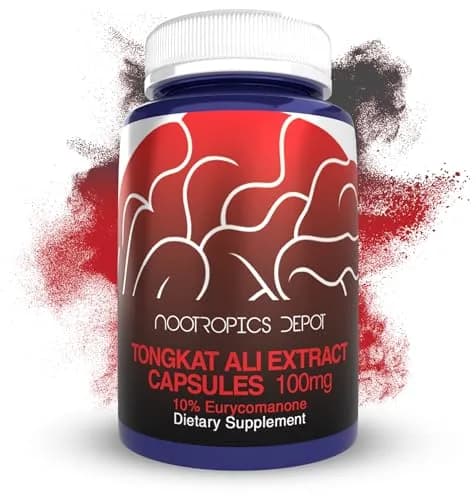
Tongkat Ali is a Southeast Asian adaptogenic herb that may increase free testosterone by 15-37% and reduce cortisol by 16% in stressed adults. The best-studied form is the patented LJ100 extract at 200-400mg daily, standardized to 2% eurycomanone. Clinical evidence is moderate and growing, with the strongest results seen in stressed or aging populations.
Panax Ginseng
Adaptogenic Herb
Panax ginseng is the most widely researched ginseng species, with evidence supporting benefits for cognitive function, energy, immune support, and erectile dysfunction. A 2018 Cochrane-style review found moderate evidence for cognitive enhancement and fatigue reduction. Standard dose is 200-400mg extract standardized to 4-7% ginsenosides.
Ashwagandha
Adaptogenic Herb
Yes, ashwagandha is one of the most clinically studied adaptogens, with over 22 published clinical trials backing its benefits. A 2019 meta-analysis found it reduced stress scores by 44% and cortisol by 23% compared to placebo. The recommended dose is 300-600mg of root extract (KSM-66, standardized to withanolides) daily.
Tribulus Terrestris
Herbal / Testosterone Support
Despite decades of marketing as a testosterone booster, multiple well-controlled human studies show tribulus terrestris does NOT raise testosterone in healthy men (Neychev & Mitev, 2005; Rogerson et al., 2007). It may modestly improve libido through non-hormonal mechanisms (possibly androgen receptor sensitivity or nitric oxide), but it will not increase muscle mass or strength.
Testosterone Booster
Category Overview
Natural testosterone boosters include herbs (tongkat ali, fenugreek, ashwagandha), minerals (zinc, magnesium), and vitamins (D3). Most produce modest 5-20% increases in free testosterone, primarily in men with suboptimal levels. Correcting zinc and vitamin D deficiencies often has the largest impact. No OTC supplement matches TRT efficacy.
Tribulus Terrestris
Herbal Extract
Despite widespread marketing as a testosterone booster, tribulus terrestris does not reliably increase testosterone in healthy men according to systematic reviews. However, it may improve libido and sexual satisfaction through non-hormonal pathways. Typical dose is 250-750mg of extract standardized to 45-60% saponins.

Related Conditions

Related Research

Learn More

Frequently Asked Questions

What is the best supplement for low libido?

Maca root (1,500-3,000mg daily) has the broadest evidence base for improving libido in both men and women. A systematic review of 4 RCTs confirmed its effectiveness for enhancing sexual desire [1]. For men specifically, tongkat ali (200-400mg) and panax ginseng (900mg three times daily) have strong supporting evidence [2][3]. For women, ashwagandha (300mg twice daily) improved multiple domains of sexual function in a clinical trial [4].

Evidence:RCT (2012) · n=109 · moderate confidence[#2]. See full reference list below.

Does maca root actually improve sex drive?

Yes. Multiple RCTs have demonstrated that maca root at 1,500-3,000mg daily improves sexual desire in both men and women after 6-12 weeks of use. Notably, maca appears to enhance libido through neurological pathways rather than by altering hormone levels, as testosterone and estrogen levels remain unchanged in most studies.

Can supplements help with female low libido?

Several supplements have shown benefits for female sexual desire. A 2015 RCT found ashwagandha (300mg twice daily) significantly improved arousal, lubrication, orgasm, and overall satisfaction in women. Tribulus terrestris (750mg daily) improved desire and arousal in women with hypoactive sexual desire disorder. Maca root also has evidence in postmenopausal women.

Continue Reading

References

  1. ReviewShin BC, Lee MS, Yang EJ, Lim HS, Ernst E (2010). Maca (L. meyenii) for improving sexual function: a systematic review. BMC Complementary and Alternative Medicine. DOI PubMed
  2. RCTIsmail SB, Wan Mohammad WMZ, George A, et al. (2012). Randomized clinical trial on the use of Physta freeze-dried water extract of Eurycoma longifolia for the improvement of quality of life and sexual well-being in men. Evidence-Based Complementary and Alternative Medicine. DOI PubMed
  3. ReviewJang DJ, Lee MS, Shin BC, Lee YC, Ernst E (2008). Red ginseng for treating erectile dysfunction: a systematic review. British Journal of Clinical Pharmacology. DOI PubMed
  4. RCTDongre S, Langade D, Bhattacharyya S (2015). Efficacy and safety of ashwagandha (Withania somnifera) root extract in improving sexual function in women: a pilot study. BioMed Research International. DOI PubMed
  5. RCTde Souza KZ, Vale FB, Geber S (2016). Efficacy of Tribulus terrestris for the treatment of hypoactive sexual desire disorder in postmenopausal women: a randomized, double-blinded, placebo-controlled trial. Menopause. DOI PubMed