SupplementScience
Hormonal Imbalance

Best Supplements for Hormonal Imbalance

Prevalence: Approximately 80% of women experience hormonal imbalance at some point

This content is for informational purposes only and does not constitute medical advice. Consult your healthcare provider before starting any supplement. Full disclaimer

TL;DR — Quick Answer

Ashwagandha (300–600 mg KSM-66 daily) has strong evidence for reducing cortisol and supporting thyroid function. Maca root (1.5–3 g daily) may improve hormonal symptoms without directly altering hormone levels. DIM (100–200 mg daily) supports healthy estrogen metabolism.

Overview

Hormonal imbalances can manifest as fatigue, weight changes, mood swings, and irregular cycles. While underlying causes should be medically evaluated, certain adaptogenic and phytonutrient supplements have clinical evidence for supporting hormonal equilibrium, particularly cortisol and thyroid regulation.

Top Evidence-Based Supplements for Hormonal Imbalance

#SupplementTypical DoseEvidence
1Ashwagandha (KSM-66)300–600 mg KSM-66 dailyStrong
2Maca Root1.5–3 g dailyModerate
3DIM (Diindolylmethane)100–200 mg dailyEmerging

Top Product Picks

Our recommendations are based on published research, not commission rates. Some links below are affiliate links — we may earn a commission at no extra cost to you. How we evaluate products

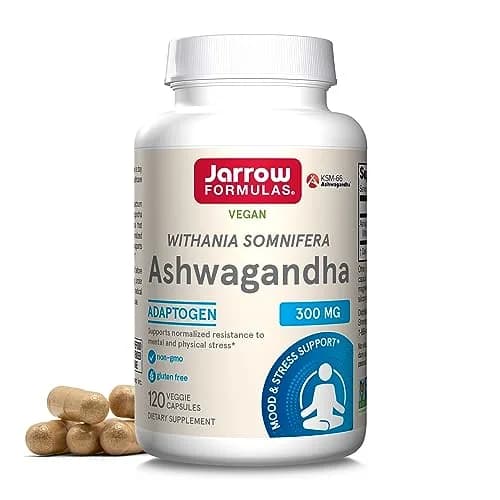
Jarrow Formulas Ashwagandha 300mg

Jarrow Formulas Ashwagandha 300mg

Jarrow Formulas

9.4/10
Stress and cortisol reduction$0.40/serving
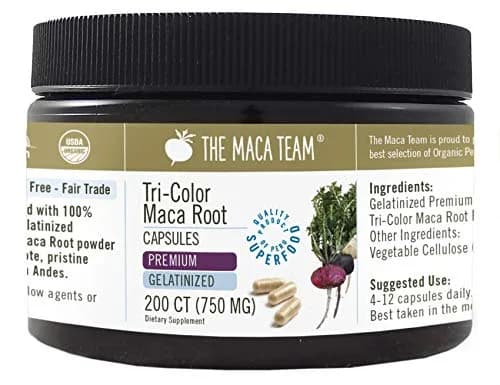
The Maca Team Gelatinized Black Maca Capsules

The Maca Team Gelatinized Black Maca Capsules

The Maca Team

9.3/10
Most potent black maca, single-color sourcing$0.72/serving
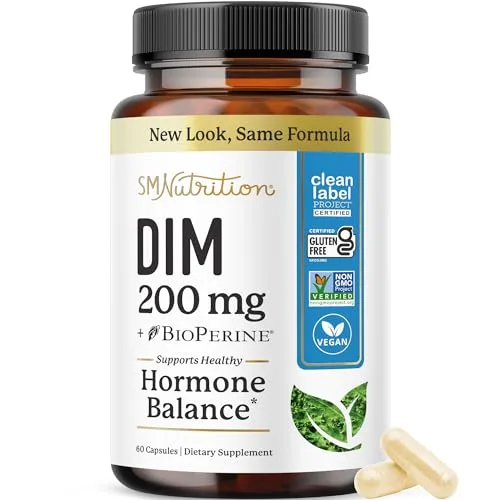
Smoky Mountain Naturals DIM 200mg

Smoky Mountain Naturals DIM 200mg

Smoky Mountain Naturals

9/10
Best overall DIM with BioPerine absorption boost$0.17/serving

Frequently Asked Questions

Can supplements fix a hormonal imbalance?

Supplements can support hormonal balance but are unlikely to resolve clinically significant imbalances alone. Conditions like PCOS, hypothyroidism, or adrenal insufficiency require medical diagnosis and treatment. Adaptogens like ashwagandha may help normalize cortisol in stress-related imbalances, while DIM supports estrogen metabolism.

Is ashwagandha safe for women with thyroid conditions?

Ashwagandha has been shown to increase thyroid hormone levels (T3 and T4) in subclinical hypothyroidism. This can be beneficial for underactive thyroid but potentially problematic for hyperthyroidism or those on thyroid medication. Women with any thyroid condition should consult their endocrinologist before use.

How does DIM differ from eating cruciferous vegetables?

DIM is a metabolite of indole-3-carbinol found in cruciferous vegetables. You would need roughly 2 pounds of raw cruciferous vegetables daily to get the equivalent of a 100 mg DIM supplement. Supplemental DIM provides a concentrated, consistent dose that more reliably shifts estrogen metabolism toward the favorable 2-hydroxy pathway.

References

  1. (). An investigation into the stress-relieving and pharmacological actions of an ashwagandha extract. Medicine (Baltimore). DOI
  2. (). Hormone-balancing effect of pre-gelatinized organic maca: clinical responses of early-postmenopausal women. International Journal of Biomedical Science.