Supplement ScienceSupplementScience

Best Supplements for Cognitive Decline

Prevalence: Dementia is a chief cause of disability globally, with an expected rise in cases in the coming decades due to the aging of the world population.

·

This content is for informational purposes only and does not constitute medical advice. Statements about dietary supplements have not been evaluated by the FDA and are not intended to diagnose, treat, cure, or prevent any disease. Individual results may vary — consult your healthcare provider before starting any supplement. Full disclaimer

Evidence for preventing cognitive decline is strongest for daily multivitamin-mineral (MVM) supplementation and omega-3...

Evidence for preventing cognitive decline is strongest for daily multivitamin-mineral (MVM) supplementation and omega-3 fatty acids. A 2024 meta-analysis of COSMOS substudies showed MVM benefits on global cognition equivalent to reducing cognitive aging by 2 y, while a 2023 review found that 3.36g of daily EPA and DHA slowed cognitive aging by 2.5 years in cognitively healthy individuals with CAD. B vitamin supplementation (B6, B12, folate) also shows efficacy, with a 2022 meta-analysis reporting a 0.15 MD effect on cognitive decline in non-dementia populations and a 0.20 MD effect in dementia populations.

Get the free evidence-based Cognitive Decline guide — delivered in 60 seconds.

No spam. Unsubscribe anytime.

Overview

Cognitive decline involves the progressive loss of mental functions such as memory and executive control, often driven by age, nutrition, and vascular health. Evidence suggests that daily multivitamin-mineral supplementation can benefit global cognition with a magnitude equivalent to reducing cognitive aging by 2 y, while a 2024 COSMOS-Clinic subcohort (n=573) showed a significantly more favorable 2-y change in episodic memory of 0.12 SU. Other interventions include 3.36g of daily EPA and DHA, which slowed cognitive ageing by 2.5 years in cognitively healthy individuals with CAD, and B vitamin supplementation, which showed an effect on cognitive decline in non-dementia populations of 0.15 MD and in dementia populations of 0.20 MD.
Understanding Cognitive Decline

Cognitive decline involves the progressive loss of neurological function, often driven by cellular dysfunction, metabolic impairment, and vascular changes. At a cellular level, the accumulation of damaged proteins and dysfunctional mitochondria can disrupt neuronal signaling. Spermidine addresses this by inducing autophagy, a cellular recycling pathway that clears these aggregated waste products. Metabolic shifts also play a role; for instance, medium-chain triglycerides in coconut oil are converted into beta-hydroxybutyrate (BHB) ketones, providing an alternative fuel source for the brain when glucose metabolism is impaired. Nutritional status significantly influences these biological pathways. Elevated homocysteine is a known risk factor for dementia, and B vitamin supplementation (B6, B12, and folate) has been shown in a systematic review to reduce homocysteine levels by 25-30% and slow brain atrophy by 30% in elderly adults with elevated levels. Regarding broader supplementation, a 2024 meta-analysis of the COSMOS trial substudies found that daily multivitamin-mineral supplementation benefits global cognition, with an effect magnitude equivalent to reducing cognitive aging by 2 y. In the COSMOS-Clinic subcohort (n=573), MVM supplementation showed a significantly more favorable change in episodic memory of 0.12 SU. Additionally, a 2023 review noted that in cognitively healthy individuals with clinical coronary artery disease, a daily intake of 3.36g EPA and DHA slowed cognitive ageing by 2.5 years.

What the Research Shows

Evidence for nutritional interventions in cognitive decline varies significantly based on the specific compound and the baseline health status of the population studied. B vitamins (B6, B12, and folate) have a well-documented mechanism for modulating homocysteine levels, a known risk factor for dementia. A 2022 systematic review and meta-analysis of multiple RCTs found that B vitamin supplementation significantly reduced homocysteine levels by 25-30%. In terms of cognitive outcomes, this meta-analysis reported a B vitamin supplementation effect on global cognition (MMSE score changes) of 0.14 MD. When examining specific populations, the effect on cognitive decline in a non-dementia population was 0.15 MD, while the effect on cognitive decline in a dementia population was 0.20 MD. Furthermore, the VITACOG trial demonstrated that in individuals with homocysteine levels greater than 13 u, supplementation resulted in a 53% reduction in the rate of brain atrophy. Multivitamin-mineral (MVM) supplementation shows evidence of benefit for global cognition and episodic memory in older adults. Results from the COSMOS-Clinic subcohort (n=573) showed a significantly more favorable 2-y change in episodic memory with a mean difference of 0.12 SU. A meta-analysis of the three COSMOS cognitive substudies (including COSMOS-Mind and COSMOS-Web) found clear evidence of MVM benefits on global cognition, with the magnitude of effect on global cognition being equivalent to reducing cognitive aging by 2 y. Omega-3 fatty acids, specifically EPA and DHA, show targeted benefits depending on cardiovascular health. A 2023 review indicates that in cognitively healthy individuals with clinical coronary artery disease (CAD), a daily intake of 3.36g EPA and DHA daily slowed cognitive ageing by 2.5 years. While DHA supplementation in RCTs showed benefit for those with mild cognitive impairment, no benefit was observed in patients with Alzheimer's disease. Other compounds provide support through distinct physiological pathways. Spermidine acts as an autophagy inducer, triggering cellular recycling to clear damaged proteins and dysfunctional mitochondria. The prospective Bruneck Study followed 829 participants for 20 years and found that those in the highest tertile of dietary spermidine intake had significant cardiovascular protection. Ginkgo biloba (standardized extract EGb 761) at doses of 120-240mg daily improves cerebral blood flow and provides antioxidant neuroprotection. Creatine monohydrate has shown promise for acute cognitive support. A 2023 RCT (n=281) found that 5g/day of creatine monohydrate for 6 weeks significantly improved working memory scores by 8.5% and reduced cognitive fatigue under sleep deprivation conditions, with the most pronounced effects observed in vegetarians and during mentally demanding tasks. Rhodiola rosea (370mg/day SHR-5) was found in a multicenter RCT (n=161) to reduce stress-related fatigue by 20% on the fatigue index and improve short-term memory and associative thinking during stressful conditions. Coconut oil provides medium-chain triglycerides (MCTs) that are converted into beta-hydroxybutyrate (BHB) ketones, offering an alternative fuel source for the brain; acute MCT administration has been shown to improve cognitive performance in patients with memory disorders.

What to Look For in Supplements

When selecting supplements for cognitive support, prioritize standardized extracts and specific chemical forms to ensure physiological relevance. For Ginkgo biloba, select extracts standardized to EGb 761 at dosages between 120-240mg daily to ensure consistent cerebral blood flow effects. For B vitamins, prioritize methylcobalamin (B12) and methylfolate (B9) over cyanocobalamin or folic acid to bypass potential enzymatic conversion bottlenecks. This is critical because B vitamin supplementation can reduce homocysteine levels by 25-30% and slow brain atrophy by 30% in elderly adults with elevated homocysteine. For omega-3 fatty acids, focus on high-concentration EPA and DHA; a 2023 review indicates that 3.36g of EPA and DHA daily slowed cognitive ageing by 2.5 years in cognitively healthy individuals with CAD. For creatine, utilize creatine monohydrate, as a 2023 RCT (n=281) demonstrated that 5g/day for 6 weeks improved working memory scores by 8.5%. For multivitamin-mineral (MVM) products, the 2024 COSMOS meta-analysis showed that daily MVM supplementation provides a benefit on global cognition equivalent to reducing cognitive aging by 2 y. Ensure all products undergo third-party testing for heavy metals and purity, particularly for botanicals like Rhodiola rosea and Spermidine, where contaminant profiles vary significantly between manufacturers.

What Doesn't Work (And Why)

Many supplements marketed for cognitive preservation lack robust clinical validation in humans. While specific interventions like B vitamins show measurable effects—such as a 0.14 MD effect on global cognition (MMSE score changes) or a 0.20 MD effect on cognitive decline in dementia populations according to a 2022 meta-analysis—other popular nootropics rely on insufficient data. For example, while omega-3 fatty acids show benefit in specific cohorts, such as a 2.5 years reduction in cognitive ageing in healthy individuals with CAD receiving 3.36g EPA and DHA daily, supplementation shows no benefit in Alzheimer's disease patients according to a 2023 review. Many proprietary brain-boosting blends lack large-scale, independent RCTs to verify their efficacy, often relying on low-dose ingredients that do not reach the therapeutic thresholds established in clinical trials. Furthermore, while the 2024 COSMOS meta-analysis demonstrates a 2 y reduction in cognitive aging via daily multivitamin-mineral supplementation, many single-ingredient cognitive supplements lack similar longitudinal evidence for preventing dementia.

Combination Protocol

Research into combining nutrients for cognitive health often focuses on the synergistic management of homocysteine and neuroprotection. A 2022 systematic review of multiple RCTs evaluated B vitamin supplementation (B6, B12, and folate) and found these compounds significantly reduced homocysteine levels by 25-30% and slowed brain atrophy by 30% in elderly adults with elevated homocysteine. The VITACOG trial specifically demonstrated a 53% reduction in brain atrophy rate in participants with homocysteine levels >13 u. Additionally, the 2024 COSMOS meta-analysis of 5803 participants investigated daily multivitamin-mineral (MVM) supplementation, finding the magnitude of effect on global cognition was equivalent to reducing cognitive aging by 2 y. When considering lipid-based support, a 2023 review noted that 3.36 g of EPA and DHA daily slowed cognitive ageing by 2.5 years in cognitively healthy individuals with clinical coronary artery disease (CAD). No head-to-head RCTs of this specific combination of B vitamins, MVM, and Omega-3s have been cited in the provided research.

Top Evidence-Based Supplements for Cognitive Decline

#SupplementTypical DoseEvidence
1B Vitamins (B6, B12, Folate)B6: 20mg; B12: 500mcg; Folate: 800mcg, dailyStrong
See top b vitamins (b6, b12, folate) picks →
2Omega-3 (EPA and DHA)3.36g daily (for CAD patients)Moderate
See top omega-3 (epa and dha) picks →
3Ginkgo Biloba (EGb 761)120-240mg dailyModerate
See ginkgo biloba (egb 761) research →
4Spermidine1-5mg daily (dietary + supplemental combined; typical RCTs used 0.9-3.3mg/day)Emerging
See spermidine research →
5Rhodiola Rosea (SHR-5)370mg/dayModerate
See top rhodiola rosea (shr-5) picks →

Top Product Picks

As an Amazon Associate, we earn from qualifying purchases. Some links below are affiliate links — this doesn't affect our editorial independence or product ratings. How we evaluate products

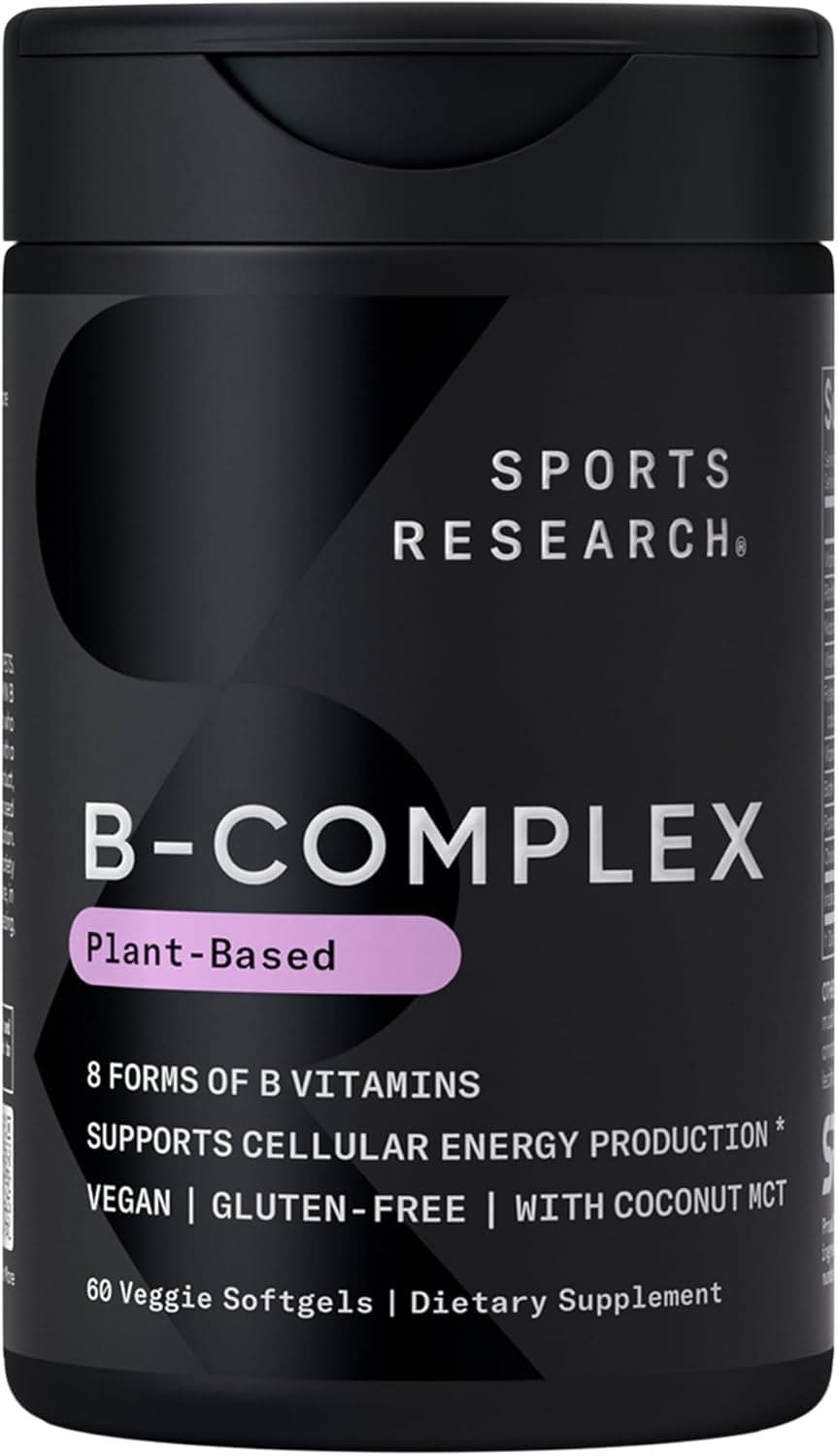
Garden of Life Vitamin Code Raw B-Complex

Garden of Life Vitamin Code Raw B-Complex

Garden of Life

8.4/10
Whole food sourcing — B vitamins grown in organic fruits and vegetables with added probiotics$0.24/serving
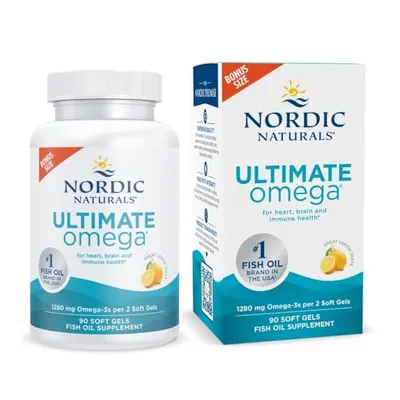
Sports Research Triple Strength Omega-3

Sports Research Triple Strength Omega-3

Sports Research

9.1/10
Heart health / EPA-predominant$0.31/serving
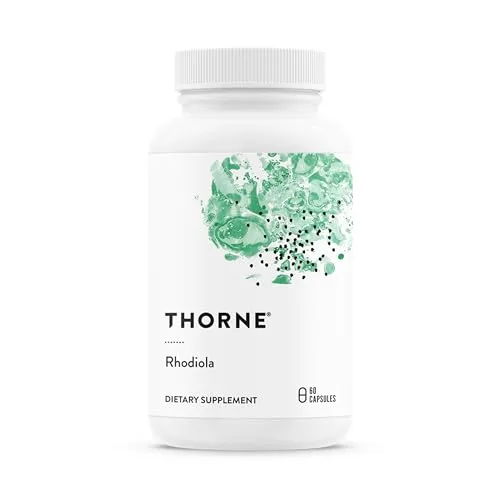
Thorne Rhodiola Rosea

Thorne Rhodiola Rosea

THORNE

9.2/10
Overall best rhodiola with NSF certification$0.39/serving

Related Conditions

Related Research

Learn More

Frequently Asked Questions

Can B vitamins slow brain atrophy in older adults?

A 2022 systematic review of RCTs [4] indicates that B vitamin supplementation (B6, B12, and folate) reduces homocysteine levels by 25-30%. In elderly adults with elevated homocysteine, this reduction is associated with a 30% slowing of brain atrophy, with the VITACOG trial specifically showing a 53% reduction in atrophy rate for those with homocysteine levels >13 umol/L.

Evidence:Meta-analysis (2022) · high confidence[#4]. See full reference list below.

Does Omega-3 supplementation benefit individuals with Alzheimer's disease?

Current meta-analyses show that while DHA supplementation provides benefits for those with mild cognitive impairment, no benefit was observed in individuals with Alzheimer's disease. However, in cognitively healthy individuals with clinical coronary artery disease, a daily dose of 3.36g of EPA and DHA slowed cognitive aging by 2.5 years.

What is the role of spermidine in cellular health?

Spermidine acts as a potent natural inducer of autophagy, the cellular recycling pathway that clears damaged proteins and dysfunctional mitochondria. The prospective Bruneck Study observed that participants in the highest tertile of dietary spermidine intake experienced significant cardiovascular protection over a 20-year period.

How does Ginkgo biloba affect cognitive function?

Standardized Ginkgo biloba extract (EGb 761) improves cerebral blood flow and provides antioxidant neuroprotection. Clinical data suggest that daily doses of 120-240mg support memory and slow cognitive decline in older adults.

Can Rhodiola rosea help with cognitive performance during stress?

A multicenter RCT involving 161 participants found that 370mg/day of Rhodiola rosea extract (SHR-5) reduced stress-related fatigue by 20% on the fatigue index. The study also demonstrated improvements in short-term memory and associative thinking during stressful conditions compared to a placebo.

Built from 2,400+ clinical studies. Join the weekly research brief.

No spam. Unsubscribe anytime.

Continue Reading

References

  1. Dominguez LJ, Veronese N, Vernuccio L, Catanese G, et al. (2021). Nutrition, Physical Activity, and Other Lifestyle Factors in the Prevention of Cognitive Decline and Dementia.. Nutrients. DOI PubMed
  2. Welty FK (2023). Omega-3 fatty acids and cognitive function.. Current opinion in lipidology. DOI PubMed
  3. Meta-analysisVyas CM, Manson JE, Sesso HD, Cook NR, et al. (2024). Effect of multivitamin-mineral supplementation versus placebo on cognitive function: results from the clinic subcohort of the COcoa Supplement and Multivitamin Outcomes Study (COSMOS) randomized clinical trial and meta-analysis of 3 cognitive studies within COSMOS.. The American journal of clinical nutrition. DOI PubMed
  4. Meta-analysisWang Z, Zhu W, Xing Y, Jia J, et al. (2022). B vitamins and prevention of cognitive decline and incident dementia: a systematic review and meta-analysis.. Nutrition reviews. DOI PubMed
  5. Valls-Pedret C, Sala-Vila A, Serra-Mir M, Corella D, et al. (2015). Mediterranean Diet and Age-Related Cognitive Decline: A Randomized Clinical Trial.. JAMA internal medicine. DOI PubMed
  6. Gil Martínez V, Avedillo Salas A, Santander Ballestín S (2022). Vitamin Supplementation and Dementia: A Systematic Review.. Nutrients. DOI PubMed
  7. Zhou L, Bai X, Huang J, Tan Y, et al. (2023). Vitamin B12 supplementation improves cognitive function in middle aged and elderly patients with cognitive impairment.. Nutricion hospitalaria. DOI PubMed
Show 3 more references
  1. Meta-analysisWei BZ, Li L, Dong CW, Tan CC, et al. (2023). The Relationship of Omega-3 Fatty Acids with Dementia and Cognitive Decline: Evidence from Prospective Cohort Studies of Supplementation, Dietary Intake, and Blood Markers.. The American journal of clinical nutrition. DOI PubMed
  2. Naomi R, Embong H, Othman F, Ghazi HF, et al. (2021). Probiotics for Alzheimer's Disease: A Systematic Review.. Nutrients. DOI PubMed
  3. van den Brink AC, Brouwer-Brolsma EM, Berendsen AAM, van de Rest O (2019). The Mediterranean, Dietary Approaches to Stop Hypertension (DASH), and Mediterranean-DASH Intervention for Neurodegenerative Delay (MIND) Diets Are Associated with Less Cognitive Decline and a Lower Risk of Alzheimer's Disease-A Review.. Advances in nutrition (Bethesda, Md.). DOI PubMed