SupplementScience
Mood Support

Best Supplements for Mood Support

Prevalence: 21 million US adults affected by major depressive episodes annually (8.4% of population)

This content is for informational purposes only and does not constitute medical advice. Consult your healthcare provider before starting any supplement. Full disclaimer

TL;DR — Quick Answer

The most evidence-backed supplements for mood support are saffron extract (28-30mg affron, shown to match low-dose SSRIs in multiple RCTs) and ashwagandha (300-600mg KSM-66, which reduces cortisol by 23% and improves mood by reducing the physiological stress response). Both have strong clinical evidence and can be combined for complementary effects.

Overview

Mood disorders including major depressive disorder and persistent depressive disorder affect approximately 21 million US adults annually, making depression one of the leading causes of disability worldwide. While prescription antidepressants remain first-line treatment for moderate-to-severe cases, several natural supplements have demonstrated clinically meaningful mood-enhancing effects in randomized controlled trials — some rivaling low-dose SSRIs for mild-to-moderate symptoms.
Top Evidence-Based Supplements for Mood Support

#SupplementTypical DoseEvidence
1Saffron Extract (affron)28-30mg standardized extract dailyStrong
2Ashwagandha (KSM-66)300mg twice dailyModerate

Top Product Picks

Our recommendations are based on published research, not commission rates. Some links below are affiliate links — we may earn a commission at no extra cost to you. How we evaluate products

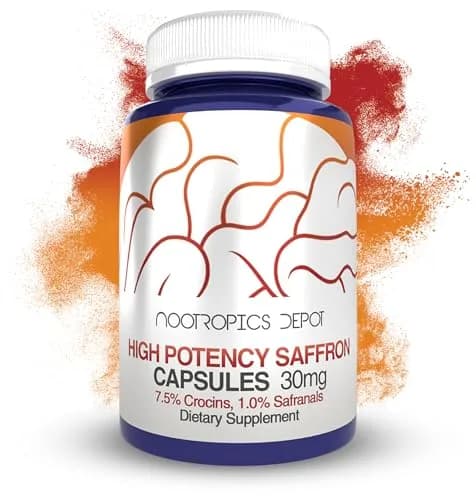
Nootropics Depot affron Saffron Extract

Nootropics Depot affron Saffron Extract

Nootropics Depot

9.2/10
Most clinically validated form for mood support$0.42/serving
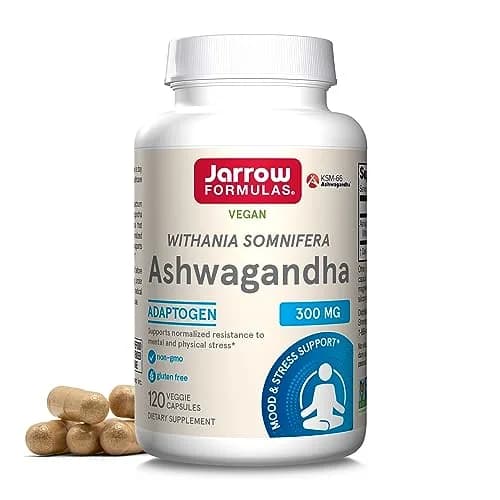
Jarrow Formulas Ashwagandha 300mg

Jarrow Formulas Ashwagandha 300mg

Jarrow Formulas

9.4/10
Stress and cortisol reduction$0.40/serving

Frequently Asked Questions

Can supplements help with depression?

For mild-to-moderate depression, several supplements have demonstrated clinically meaningful effects. Saffron extract is the standout, with multiple RCTs showing comparable efficacy to low-dose SSRIs (fluoxetine 20mg). Ashwagandha addresses mood indirectly by lowering cortisol and improving stress resilience. However, supplements should not replace professional treatment for moderate-to-severe depression. If you are experiencing persistent low mood, please consult a healthcare provider — supplements work best as part of a comprehensive approach.

Is saffron really comparable to antidepressants?

For mild-to-moderate symptoms, yes. Multiple randomized controlled trials have directly compared 30mg saffron extract to 20mg fluoxetine (Prozac) and found no statistically significant difference in reducing depression scores, with saffron causing fewer sexual side effects. However, saffron has not been tested against higher antidepressant doses or for severe depression. It is best viewed as an evidence-based first option for mild mood complaints or as a complementary approach alongside professional care.

References

  1. (). Saffron (Crocus sativus L.) and major depressive disorder: a meta-analysis of randomized clinical trials. Journal of Integrative Medicine. DOI
  2. (). An investigation into the stress-relieving and pharmacological actions of an ashwagandha extract. Medicine. DOI