SupplementScience
NAC (N-Acetyl Cysteine) supplement
Amino Acid Derivative

NAC (N-Acetyl Cysteine): Benefits, Dosage, Forms & Research

Amino Acid Derivative

This content is for informational purposes only and does not constitute medical advice. Consult your healthcare provider before starting any supplement. Full disclaimer

TL;DR — Quick Answer

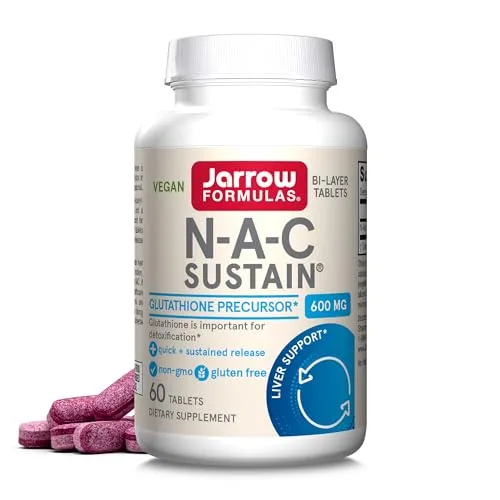
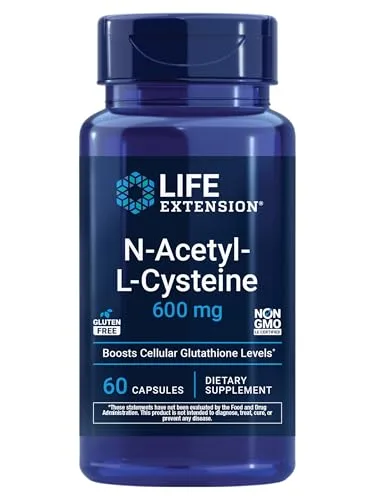
NAC at 600-1,800 mg/day is the most cost-effective glutathione precursor. It is FDA-approved for acetaminophen overdose, and has evidence for supporting liver health, reducing OCD/trichotillomania symptoms, thinning mucus, and protecting against oxidative stress. It is one of the most versatile amino acid supplements available.

Key Facts

What it is
The supplemental form of cysteine that provides the rate-limiting amino acid for glutathione synthesis
Primary benefits
  • Raises glutathione levels — the body's master antioxidant
  • FDA-approved antidote for acetaminophen overdose
  • Mucolytic (thins mucus) for respiratory health
  • Supports liver detoxification
  • Emerging evidence for mental health conditions
Typical dosage
600-1,800 mg daily
Evidence level
Strong
Safety profile
Generally Safe

What the Research Says

NAC is one of the most versatile and well-studied amino acid supplements. Its value derives primarily from being the most cost-effective oral glutathione precursor. Beyond liver and antioxidant support, an expanding body of literature supports NAC for psychiatric conditions (OCD, trichotillomania, addiction, bipolar depression), likely through glutamate modulation and oxidative stress reduction in the brain. Its mucolytic properties add respiratory health benefits. Despite low oral bioavailability (~6-10%), it effectively raises tissue glutathione levels.

Benefits of NAC (N-Acetyl Cysteine)

  • Glutathione synthesis — NAC provides cysteine, the rate-limiting amino acid for glutathione production; Bridgeman et al. (1994) showed oral NAC significantly increased blood glutathione in COPD patients
  • Acetaminophen antidote — IV NAC is the standard of care for acetaminophen overdose, preventing fatal hepatotoxicity by replenishing glutathione
  • Psychiatric applications — Grant et al. (2009, n=50) found NAC 1,200 mg/day significantly reduced trichotillomania severity vs placebo; multiple trials show benefits for OCD, addiction, and bipolar depression
  • Mucolytic effect — NAC breaks disulfide bonds in mucus glycoproteins, thinning respiratory secretions (basis of its FDA-approved mucolytic use)
  • Liver support — NAC supports Phase II glutathione conjugation in the liver and protects against various hepatotoxins
Did you know?

NAC is one of the most versatile and well-studied amino acid supplements.

Forms of NAC (N-Acetyl Cysteine)

FormBioavailabilityBest For
NAC Capsules/TabletsModerate (6-10% oral bioavailability)Standard supplement form — most commonly used for daily glutathione support
NAC Effervescent TabletsModerateDissolved in water — may be better tolerated for respiratory use
IV N-Acetyl Cysteine (Mucomyst)HighHospital use for acetaminophen overdose — not a supplement

Dosage Recommendations

General recommendation: 600-1,200 mg daily in divided doses

Timing: Take on an empty stomach for better absorption; can be divided into 2-3 doses

Dosage by Condition

ConditionRecommended DoseEvidence
Glutathione support600-1,200 mg dailyStrong
Respiratory mucus thinning600-1,200 mg dailyStrong
Psychiatric applications1,200-2,400 mg dailyModerate
Liver support600-1,200 mg dailyModerate

Upper limit: 2,400 mg/day is commonly used in psychiatric trials; higher doses used under medical supervision

Our Top NAC (N-Acetyl Cysteine) Pick

Our recommendations are based on published research, not commission rates. Some links below are affiliate links — we may earn a commission at no extra cost to you. How we evaluate products

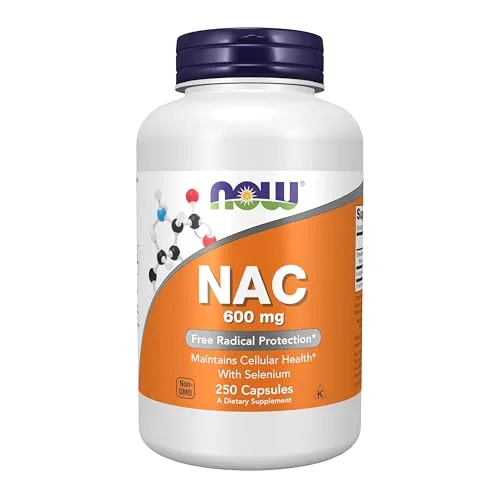
NOW Foods NAC 600mg

NOW Foods NAC 600mg

NOW Foods

9.1/10
Best overall NAC supplement for most people$0.10/serving

Side Effects and Safety

Safety profile: Generally Safe

Potential Side Effects

  • GI discomfort (nausea, vomiting, diarrhea) — the most common side effect
  • Sulfurous smell and taste
  • Rare headache
  • May increase urinary zinc excretion — consider zinc supplementation with long-term use

Drug & Supplement Interactions

  • Nitroglycerin — NAC may potentiate vasodilatory effects; headache and hypotension risk
  • Activated charcoal — may reduce NAC absorption
  • Chemotherapy — consult oncologist (antioxidant concerns)
  • Zinc — NAC may increase zinc excretion; supplement zinc if using long-term
Check NAC (N-Acetyl Cysteine) interactions with other supplements →
BenefitsDosage GuideSide EffectsTypes & FormsResearchFAQ

Related Conditions

Related Supplements

Frequently Asked Questions

Is NAC better than glutathione supplements?

Both are valid approaches. NAC is cheaper and more established — it provides the rate-limiting ingredient for your body to make its own glutathione. Direct glutathione supplements (especially liposomal forms) provide the finished molecule but cost more. For most people, NAC 600-1,200 mg/day is the more cost-effective choice.

Why was NAC removed from Amazon?

In 2020-2021, Amazon temporarily removed NAC supplements after the FDA sent warning letters to companies marketing NAC for hangovers. The FDA's position was that NAC was first approved as a drug (1963), so it might not qualify as a dietary supplement. Industry challenged this, and NAC supplements have largely returned to market. The issue remains legally unresolved.

Does NAC help with anxiety and OCD?

There is growing evidence for NAC in several psychiatric conditions. It modulates glutamate (the brain's primary excitatory neurotransmitter) and reduces oxidative stress. Clinical trials have shown benefits for OCD, trichotillomania, addiction, and bipolar depression at 1,200-2,400 mg/day. It is used as an adjunct to standard treatment, not as a replacement.

References

  1. (). N-acetylcysteine, a glutamate modulator, in the treatment of trichotillomania: a double-blind, placebo-controlled study. Archives of General Psychiatry. DOI
  2. (). Existing and potential therapeutic uses for N-acetylcysteine: the need for conversion to intracellular glutathione for antioxidant benefits. Pharmacology & Therapeutics. DOI