Supplement ScienceSupplementScience
Liver Health

Best Supplements for Liver Health

Prevalence: ~4.5 million US adults diagnosed with liver disease (NCHS); NAFLD affects up to 25% globally

·

This content is for informational purposes only and does not constitute medical advice. Statements about dietary supplements have not been evaluated by the FDA and are not intended to diagnose, treat, cure, or prevent any disease. Individual results may vary — consult your healthcare provider before starting any supplement. Full disclaimer

Milk thistle (silymarin 140-420mg/day) is the most studied hepatoprotective supplement, improving liver enzymes and...

Milk thistle (silymarin 140-420mg/day) is the most studied hepatoprotective supplement, improving liver enzymes and histology in NAFLD. NAC (600-1200mg/day) supports glutathione production and is the medical standard for acetaminophen toxicity. TUDCA (250-500mg/day) is an emerging bile acid supplement that supports bile flow and reduces ER stress.

Get the free evidence-based Liver Health guide — delivered in 60 seconds.

No spam. Unsubscribe anytime.

Overview

The liver performs over 500 vital functions including detoxification, protein synthesis, and bile production. Approximately 4.5 million US adults have been diagnosed with liver disease, and non-alcoholic fatty liver disease (NAFLD) affects up to 25% of the global population. Several supplements have shown hepatoprotective effects in clinical trials.

Understanding Liver Health

The liver performs over 500 metabolic functions including detoxification, bile production, protein synthesis, and drug metabolism. Liver health threats include non-alcoholic fatty liver disease (NAFLD, affecting 25% of adults globally), alcohol-related liver damage, drug-induced hepatotoxicity, and viral hepatitis. The liver has remarkable regenerative capacity — it can regenerate up to 75% of its mass — but chronic insults eventually overwhelm repair mechanisms, leading to fibrosis, cirrhosis, and liver failure. Supplements for liver health primarily work through two mechanisms: enhancing Phase I and Phase II detoxification enzyme activity (milk thistle, NAC), and reducing oxidative stress and inflammation in hepatocytes (vitamin E, omega-3). Evidence quality varies significantly — milk thistle has decades of clinical data, while many 'liver cleanse' products have none.

What the Research Shows

Milk thistle (silymarin) is the most studied liver supplement, with over 100 clinical trials. The active compound — silybin — acts as a free radical scavenger, membrane stabilizer, and anti-fibrotic agent. A 2017 meta-analysis by Zhong et al. found that silymarin significantly reduced ALT and AST levels (liver damage markers) in patients with NAFLD. The HALT-C trial in hepatitis C patients showed modest histological improvement. Standard dosing is 140-420mg silymarin (standardized to 70-80% silymarins) three times daily. N-acetylcysteine (NAC) is the standard clinical treatment for acetaminophen overdose and supports glutathione synthesis — the liver's primary endogenous antioxidant. A 2021 systematic review found that NAC supplementation at 600-1,200mg daily improved liver function markers in NAFLD patients. Vitamin E at 800 IU daily was recommended by the AASLD (American Association for the Study of Liver Diseases) for non-diabetic adults with biopsy-proven NASH, based on the PIVENS trial showing significant improvement in steatohepatitis scores. Omega-3 at 2-4g EPA+DHA daily has shown consistent liver fat reduction in NAFLD patients across multiple meta-analyses.

What to Look For in Supplements

For milk thistle, silymarin extract standardized to 70-80% silymarins (Siliphos or Euromed extracts are well-studied). Silybin phytosome (Siliphos) has 10x higher bioavailability than standard silymarin. For NAC, 600mg capsules taken 1-2x daily on an empty stomach. For vitamin E, d-alpha-tocopherol (natural form) — only under physician guidance for confirmed NASH. For omega-3, 2-4g EPA+DHA daily.

What Doesn't Work (And Why)

Liver 'detox' and 'cleanse' products are the most overhyped category in the supplement industry. The liver does not accumulate toxins that need periodic flushing — it processes and eliminates them continuously. Activated charcoal, bentonite clay, and juice cleanses have zero evidence for liver function improvement. Dandelion root, artichoke extract, and turmeric are commonly included in liver support blends but have insufficient human clinical evidence for liver-specific benefits. Excess vitamin A and iron are actually hepatotoxic — avoid high-dose supplementation of these without medical indication.

Combination Protocol

For general liver support: milk thistle (silymarin 140-280mg, ideally as Siliphos phytosome, three times daily with meals) and NAC (600mg twice daily on an empty stomach). For NAFLD specifically: add omega-3 EPA+DHA (2-4g daily) and discuss vitamin E 800 IU with your hepatologist (recommended only for biopsy-proven NASH in non-diabetics). Avoid alcohol and unnecessary medications during liver recovery. These supplements support the liver's natural regenerative capacity rather than replacing medical treatment.

Top Evidence-Based Supplements for Liver Health

#SupplementTypical DoseEvidence
1Milk Thistle (Silymarin)140-420mg silymarin dailyStrong
See top milk thistle (silymarin) picks →
2N-Acetyl Cysteine (NAC)600-1200mg dailyStrong
See top n-acetyl cysteine (nac) picks →
3TUDCA (Tauroursodeoxycholic Acid)250-500mg dailyEmerging
See top tudca (tauroursodeoxycholic acid) picks →

Top Product Picks

As an Amazon Associate, we earn from qualifying purchases. Some links below are affiliate links — this doesn't affect our editorial independence or product ratings. How we evaluate products

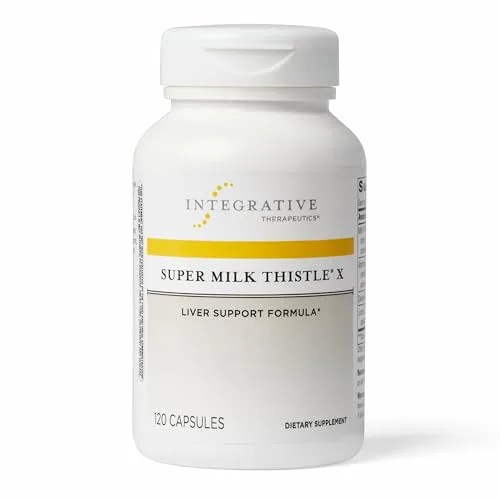
Integrative Therapeutics Siliphos

Integrative Therapeutics Siliphos

Integrative Therapeutics

9.2/10
Best bioavailability — phytosome form for maximum liver support$0.78/serving
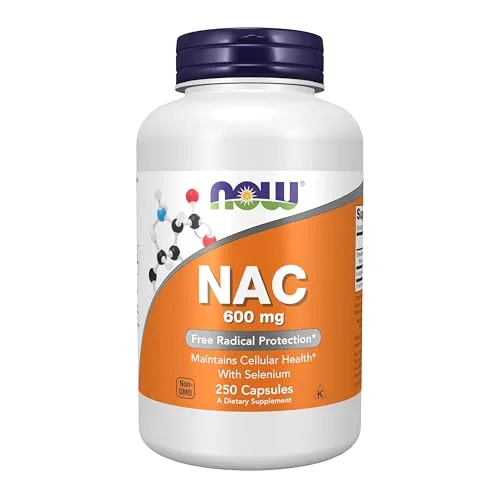
NOW Foods NAC 600mg

NOW Foods NAC 600mg

NOW Foods

9.1/10
Best overall NAC supplement for most people$0.22/serving
Nutricost TUDCA 250mg

Nutricost TUDCA 250mg

Nutricost

8.8/10
Standard-dose pure TUDCA (250mg) at the best per-serving value$0.41/serving

Detailed Ingredient Guides

Milk Thistle (Silymarin)
Herbal Extract
Milk thistle (silymarin) is the most evidence-backed herbal liver protectant. Clinical trials show it reduces liver enzymes (ALT/AST), protects against toxin-induced liver damage, and may slow fibrosis progression. Standard dosing is 420-600mg silymarin daily in divided doses.
NAC (N-Acetyl Cysteine)
Amino Acid Derivative
NAC at 600-1,800 mg/day is the most cost-effective glutathione precursor. It is FDA-approved for acetaminophen overdose, and has evidence for supporting liver health, reducing OCD/trichotillomania symptoms, thinning mucus, and protecting against oxidative stress. It is one of the most versatile amino acid supplements available.
TUDCA (Tauroursodeoxycholic Acid)
Bile Acid
TUDCA is a hydrophilic bile acid that protects liver cells by reducing ER stress, improving bile flow, and preventing cell death. Clinical studies confirm it lowers liver enzymes and improves cholestasis. Standard dosing is 250-1500mg daily depending on the condition.
Chlorella
Superfood Algae
Chlorella is a nutrient-dense freshwater algae with unique detoxification properties and immune-stimulating Chlorella Growth Factor (CGF). Clinical trials show it activates NK cells, may reduce cholesterol, and supports liver function. Standard dose is 2-3g daily, up to 10g in studies.
Alpha Lipoic Acid (Liver Support)
Antioxidant / Sulfur Compound
Alpha lipoic acid is a universal antioxidant that regenerates glutathione and protects liver cells from oxidative damage. Clinical studies show it reduces liver enzymes, improves insulin sensitivity, and may benefit NAFLD patients. Standard dosing is 300-600mg daily.
Artichoke Extract
Herbal Extract
Artichoke extract stimulates bile production, protects liver cells, and lowers cholesterol. Clinical trials show it reduces dyspepsia symptoms by 40% and total cholesterol by 5-12%. Standard dosing is 600-1200mg artichoke leaf extract daily.
Calcium D-Glucarate
Detoxification Support / Estrogen Metabolism
Calcium D-glucarate inhibits beta-glucuronidase, an enzyme that reverses estrogen and toxin conjugation in the gut, thereby supporting estrogen elimination. At 1500-3000mg daily, it may help maintain healthy estrogen levels by preventing reabsorption of conjugated estrogens. Clinical evidence in humans is preliminary but the mechanism is well-characterized biochemically.
Dandelion Root
Herbal Extract
Dandelion root is a traditional choleretic herb that stimulates bile production and provides mild diuretic effects. Preclinical studies show hepatoprotective activity, though large human trials are limited. Standard dosing is 3-5g dried root or 500-1500mg extract daily.
DIM (Diindolylmethane)
Phytonutrient / Indole Compound
DIM is the active metabolite of cruciferous vegetables that shifts estrogen metabolism toward favorable pathways. Clinical studies show it improves the 2:16 hydroxyestrone ratio and supports liver detoxification enzymes. Standard dosing is 100-300mg bioavailable DIM daily.
Glutathione (Liver Support)
Tripeptide Antioxidant
Glutathione is the liver's primary antioxidant and detoxification molecule. Supplementation (especially liposomal or IV forms) raises hepatic GSH, reduces oxidative stress, and improves liver enzymes. Standard oral dosing is 500-1000mg liposomal glutathione daily.
Glycine
Amino Acid
Glycine at 3-5 g/day supports sleep quality, collagen synthesis, and glutathione production. A 2006 study showed 3 g before bed significantly improved subjective sleep quality and reduced next-day fatigue. Glycine is also essential for glutathione and creatine synthesis, making it a foundational amino acid.
Molybdenum
Essential Trace Mineral
Molybdenum is an essential trace mineral needed for sulfite detoxification and purine metabolism. The RDA is just 45mcg daily, easily met through diet. Supplementation is rarely needed and primarily used for sulfite sensitivity or as part of comprehensive mineral formulas.
Phosphatidylcholine
Phospholipid
Phosphatidylcholine (PPC) is an essential phospholipid that repairs damaged liver cell membranes and prevents fat accumulation. Clinical trials show it reduces liver inflammation, slows fibrosis, and improves NAFLD. Standard dosing is 900-1800mg PPC daily.
Schisandra Berry
Herbal Extract
Schisandra berry is an adaptogenic herb with potent liver-protective lignans. Clinical studies show it reduces liver enzymes (ALT/AST) and enhances detoxification pathways. Standard dosing is 500-1500mg standardized extract or 1.5-6g dried berry daily.
Schisandra
Adaptogenic Berry
Schisandra is a liver-protective, stress-fighting adaptogen with evidence for hepatoprotection, cognitive enhancement, and physical performance. It was one of the three adaptogens studied by Soviet researchers. Standard dose is 500-1500mg dried berry extract daily.

Related Conditions

Related Research

Learn More

Frequently Asked Questions

What is the best supplement for liver health?

Milk thistle (silymarin) is the most extensively studied liver supplement, with meta-analyses showing significant reductions in liver enzymes (ALT and AST) in NAFLD patients [1]. It works through antioxidant, anti-inflammatory, and anti-fibrotic mechanisms. NAC is also highly effective as a glutathione precursor and is medically used for liver toxicity treatment.

Evidence:Meta-analysis (2017) · 8 RCTs · n=587 · high confidence[#1]. See full reference list below.

Does milk thistle actually protect the liver?

Yes. Silymarin, the active compound in milk thistle, has been studied in over 50 clinical trials. A meta-analysis of 8 RCTs found it significantly reduced ALT and AST liver enzymes in NAFLD patients. It works by stabilizing hepatocyte cell membranes, scavenging free radicals, and inhibiting inflammatory pathways. Typical effective doses are 140-420mg of standardized silymarin extract daily.

Is NAC good for liver detox?

NAC is one of the most evidence-backed supplements for liver support. It is the medical standard of care for acetaminophen (Tylenol) overdose and works by replenishing glutathione, the liver's primary antioxidant. Studies in NAFLD patients show NAC supplementation (600-1200mg/day) can improve liver enzyme levels and markers of oxidative stress. It is well-tolerated at recommended doses.

What is TUDCA and how does it help the liver?

TUDCA (tauroursodeoxycholic acid) is a water-soluble bile acid naturally produced in small amounts by the body. It supports liver health by improving bile flow, reducing endoplasmic reticulum (ER) stress, and protecting hepatocytes from bile acid-induced damage. Clinical trials have shown benefit in cholestatic liver conditions, and emerging research suggests potential in NAFLD. Typical doses are 250-500mg daily.

Continue Reading

References

  1. Meta-analysisZhong S, Fan Y, Yan Q, et al. (2017). The therapeutic effect of silymarin in the treatment of nonalcoholic fatty disease: a meta-analysis (PRISMA) of randomized control trials. Medicine. DOI PubMed
  2. RCTKhoshbaten M, Aliasgarzadeh A, Masnadi K, et al. (2010). N-acetylcysteine improves liver function in patients with non-alcoholic fatty liver disease. Hepatitis Monthly. DOI PubMed