Supplement ScienceSupplementScience
Dandelion Root supplement
Herbal Extract

Dandelion Root — Research Profile

Evidence:Emerging
·

This content is for informational purposes only and does not constitute medical advice. Statements about dietary supplements have not been evaluated by the FDA and are not intended to diagnose, treat, cure, or prevent any disease. Individual results may vary — consult your healthcare provider before starting any supplement. Full disclaimer

Dandelion root is a traditional choleretic herb that stimulates bile production and provides mild diuretic effects.

Dandelion root is a traditional choleretic herb that stimulates bile production and provides mild diuretic effects. Preclinical studies show hepatoprotective activity, though large human trials are limited. Standard dosing is 3-5g dried root or 500-1500mg extract daily.

Bottom line: Dandelion root is a gentle, traditional liver tonic that stimulates bile flow. Evidence is mostly preclinical — take 500-1500mg extract daily as complementary support.

Evidence:RCT (2009) · n=17 · low confidence[#1]. See full reference list below.

Key Facts

What it is
A root extract from Taraxacum officinale with choleretic, diuretic, and hepatoprotective properties
Primary benefits
  • Stimulates bile production and flow
  • Mild natural diuretic effect
  • Hepatoprotective antioxidant activity
  • Prebiotic support (inulin content)
Typical dosage
500-1500mg extract or 3-5g dried root daily
Evidence level
Emerging
Safety profile
Generally Safe

Get the free evidence-based Dandelion Root guide — delivered in 60 seconds.

No spam. Unsubscribe anytime.

What the Research Says

Dandelion Root has been studied for its potential health benefits, particularly in relation to liver health and diuretic effects. Colle et al. (2012) demonstrated that Taraxacum officinale leaf extract exhibits hepatoprotective effects against acetaminophen-induced hepatotoxicity in mice, likely through antioxidant mechanisms. Similarly, Davaatseren et al. (2013) found that dandelion leaf extract alleviates high-fat diet-induced nonalcoholic fatty liver disease in mice by activating AMPK and improving lipid metabolism. Park et al. (2010) reported that polysaccharides from T. officinale, TOP1 and 2, attenuate CCl4-induced liver damage in rats by modulating NF-κB and inflammatory mediators.

In humans, Clare et al. (2009) conducted a randomized controlled trial with 17 participants and found that dandelion leaf extract significantly increased urinary frequency and excretion ratio within 5 hours of dosing (p < 0.05 and p < 0.001, respectively), supporting its diuretic effects. However, the European Medicines Agency notes that while dandelion root is classified as a traditional herbal medicinal product for digestive complaints, clinical evidence remains insufficient to establish well-established medicinal use.

Despite these promising findings, more rigorous randomized controlled trials in humans are needed to confirm the hepatoprotective and other health benefits observed in preclinical studies.
Benefits of Dandelion Root

  • Choleretic activity — dandelion root stimulates bile secretion from hepatocytes. Böhm (1959) demonstrated increased bile output in animal models following dandelion root administration, attributed to sesquiterpene lactones and phenolic compounds.
  • Hepatoprotective effects — Colle et al. (2012) showed dandelion root polysaccharides protected against carbon tetrachloride-induced liver damage in mice, reducing ALT/AST elevations and histological damage. Davaatseren et al. (2013) confirmed protective effects against alcohol-induced oxidative stress in HepG2 cells.
  • Diuretic properties — Clare et al. (2009, n=17) conducted a pilot human study showing increased urinary frequency and volume following dandelion leaf extract consumption, supporting its traditional use as a natural diuretic without potassium depletion.
  • Prebiotic effects — dandelion root contains 12-15% inulin, a prebiotic fiber that supports beneficial gut bacteria (Bifidobacterium, Lactobacillus), indirectly supporting the gut-liver axis.
  • Anti-inflammatory activity — dandelion root extracts inhibit COX-2 and iNOS expression, reducing hepatic inflammation markers in preclinical models (Park et al., 2010).

Our Top Dandelion Root Picks

As an Amazon Associate, we earn from qualifying purchases. Some links below are affiliate links — this doesn't affect our editorial independence or product ratings. How we evaluate products

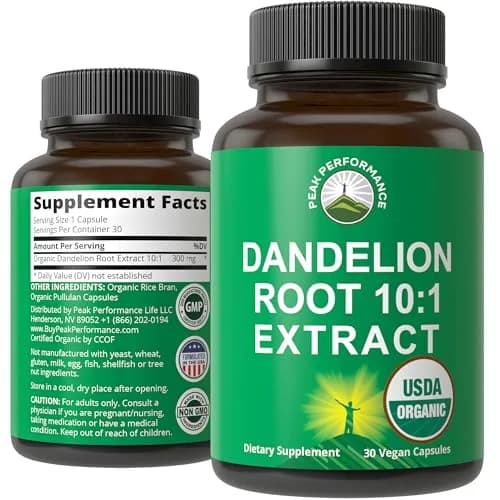
Peak Performance Organic Dandelion Root Capsules
Peak Performance
#1 Top Pick
OverallForm: CapsulePrice: $0.30/serving
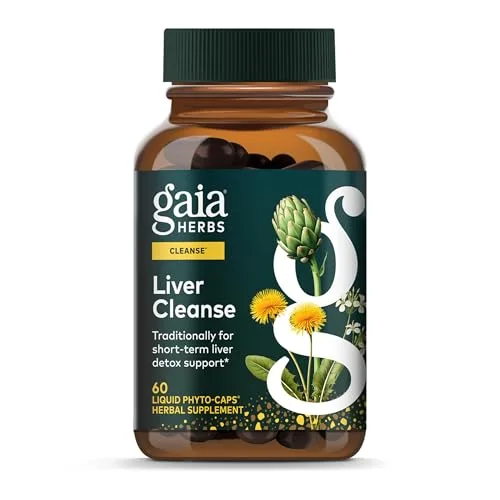
Gaia Herbs Dandelion Root
Gaia Herbs
Best Liquid ExtractForm: Liquid Phyto-CapsulePrice: $1.05/serving
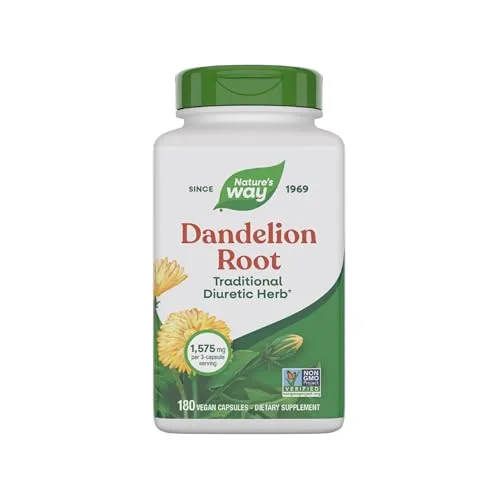
Nature's Way Dandelion Root
Nature's Way
Best Traditional BrandForm: CapsulePrice: $0.16/serving
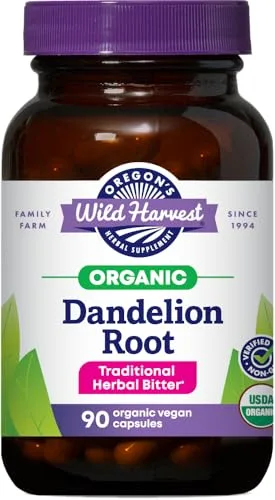
Oregon's Wild Harvest Dandelion Root
Oregon's Wild Harvest
Best Organic OptionForm: CapsulePrice: $0.73/serving
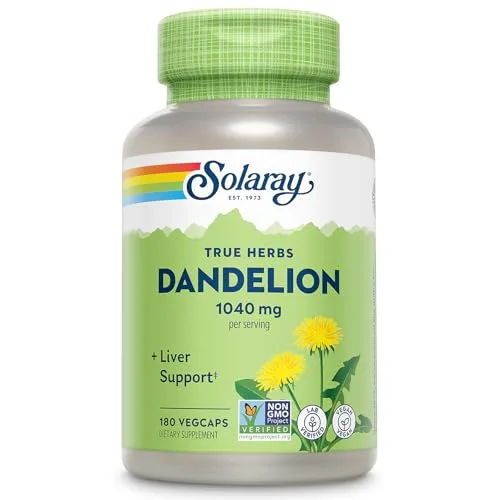
Solaray Dandelion Root
SOLARAY
Budget PickForm: CapsulePrice: $0.36/serving
Did you know?

Dandelion Root has been studied for its potential health benefits, particularly in relation to liver health and diuretic effects.

Forms of Dandelion Root

Dandelion Root supplement forms compared by bioavailability and best use
FormBioavailabilityBest For
Dandelion Root Extract CapsulesModerateConcentrated supplementation — standardized extracts provide consistent dosing of active compounds
Dried Dandelion Root TeaLow-ModerateTraditional use — gentle daily liver tonic; also provides prebiotic inulin fiber
Dandelion Root TinctureModerateRapid absorption — alcohol-based extract provides quick delivery of bitter compounds

Dosage Recommendations

General recommendation: 500-1500mg dandelion root extract or 3-5g dried root daily

Timing: Take before meals for digestive and choleretic benefits

Dosage by Condition

General liver support
500-1000mg extract dailyEmerging
Digestive/bile support
1000-1500mg extract before mealsEmerging
Mild fluid retention
3-5g dried root as tea, 3 times dailyEmerging

Upper limit: 3000mg extract/day or 12g dried root/day (traditional use)

Side Effects and Safety

Safety profile: Generally Safe

Potential Side Effects

  • Mild GI discomfort (heartburn, loose stools) due to bitter compounds
  • Allergic reactions in people allergic to Asteraceae/Compositae family (ragweed, chamomile)
  • Increased urination due to diuretic effect
  • Contact dermatitis from handling fresh plants (rare)

Drug & Supplement Interactions

  • May increase the effect of diuretic medications (potassium-sparing and loop diuretics)
  • May interact with lithium by reducing its renal clearance — monitor lithium levels
  • Contraindicated with bile duct obstruction or active gallstones
  • May potentiate blood-thinning medications due to vitamin K content
  • May lower blood sugar — monitor with diabetes medications
Check Dandelion Root interactions with other supplements →
BenefitsDosage GuideSide EffectsTypes & FormsResearchFAQ

Related Conditions

Commonly Taken Together

Related Supplements

Looking for the best dandelion root supplement?

We analyzed and ranked the top products based on form, dosage, third-party testing, and value.

See Our Top Picks

Frequently Asked Questions

Is dandelion root tea effective for liver health?

Dandelion root tea provides a gentle, traditional way to support liver function through its choleretic (bile-stimulating) and prebiotic properties. However, the concentration of active compounds in tea is lower than in standardized extracts. The only published human trial used a standardized leaf extract and demonstrated significant diuretic effects within a single day [1]. For stronger liver support, a standardized extract capsule at 500-1500mg daily is more reliable. Tea (3-5g dried root per cup, 2-3 times daily) is a good complementary approach.

Evidence:RCT (2009) · n=17 · low confidence[#1]. See full reference list below.

Can I pick and use wild dandelion root?

While dandelion is common and generally safe, wild-harvested roots may be contaminated with pesticides, herbicides, or heavy metals from lawn treatments, roadside pollution, or contaminated soil. If foraging, only harvest from areas you know have not been treated with chemicals. For medicinal use, commercially prepared, tested extracts provide more consistent and safer dosing.

How does dandelion root compare to milk thistle?

Milk thistle has far stronger clinical evidence for liver protection, with multiple large RCTs and meta-analyses supporting its use. Dandelion root evidence is mostly preclinical and traditional. However, dandelion root offers additional benefits (diuretic effect, prebiotic fiber, digestive bitters) that milk thistle does not. Many herbalists recommend both together for complementary liver support.

What is the best form of Dandelion Root to take?

The best form of dandelion root depends on your specific health goals, absorption needs, and tolerance. Chelated and standardized extract forms generally offer higher bioavailability than raw or unstandardized versions. Check the product label for third-party testing to ensure potency and purity.

What are the proven benefits of Dandelion Root?

Dandelion Root has been studied for multiple health applications with varying levels of clinical evidence. The strongest evidence typically comes from randomized controlled trials and meta-analyses published in peer-reviewed journals. Individual responses can vary based on baseline status, dosage, and duration of use.

How much Dandelion Root should I take per day?

Dandelion Root dosage depends on the specific form, your health goals, and individual factors such as body weight and baseline nutrient status. Following the dose used in clinical trials is generally the most evidence-based approach. Starting at the lower end of the recommended range and adjusting upward is advisable.

When is the best time to take Dandelion Root?

Dandelion Root timing depends on whether it is fat-soluble or water-soluble and whether it causes digestive sensitivity. Consistency in timing is more important than the specific hour of the day. Taking supplements at the same time daily helps maintain steady levels.

What are the side effects of Dandelion Root?

Dandelion Root is generally well tolerated at recommended doses, with gastrointestinal discomfort being the most commonly reported side effect. Side effects are typically mild and dose-dependent, resolving with dose reduction or taking with food. Serious adverse effects are rare at standard supplemental doses.

Does Dandelion Root interact with any medications?

Dandelion Root may interact with certain prescription medications by affecting absorption, metabolism, or pharmacological effects. Always inform your healthcare provider about all supplements you take, especially before surgery or when starting new medications. Spacing supplements and medications by 2 hours reduces most absorption interactions.

Who should consider taking Dandelion Root?

Dandelion Root is most appropriate for individuals with confirmed deficiency, suboptimal levels, or specific health conditions supported by clinical evidence. People in higher-risk demographics, including older adults and those with restricted diets, may benefit most. Testing baseline levels before supplementing provides the best guidance.

How long does Dandelion Root take to show results?

Dandelion Root effects vary by the specific health outcome being targeted, with some benefits appearing within days and others requiring weeks to months of consistent daily use. Correcting a deficiency typically shows improvement within 2-4 weeks. A minimum 8-12 week trial at the recommended dose is advisable before evaluating effectiveness.

Is Dandelion Root safe for long-term daily use?

Dandelion Root is considered safe for long-term use at recommended doses based on available clinical data. Staying within established upper intake limits minimizes the risk of adverse effects over time. Periodic reassessment with a healthcare provider is recommended, especially if health conditions change.

Can you take too much Dandelion Root?

Exceeding the recommended dose of dandelion root increases the risk of adverse effects without providing additional benefit. Toxicity risk varies by form and individual factors such as kidney and liver function. Mega-dosing is not supported by clinical evidence and should be avoided.

Can I combine Dandelion Root with other supplements?

Dandelion Root can generally be combined with complementary supplements, though some combinations may affect absorption or create additive effects. Spacing different supplements by 1-2 hours can reduce absorption competition. Consulting a healthcare professional is advisable when combining multiple supplements targeting the same health pathway.

What should I look for when buying a Dandelion Root supplement?

Third-party testing from USP, NSF, or ConsumerLab is the most important quality indicator when purchasing dandelion root supplements. Look for products that clearly state the specific form, dose per serving, and any relevant standardization percentages. Avoid proprietary blends that hide individual ingredient amounts.

Continue Reading

References

  1. RCTClare BA, Conroy RS, Spelman K (2009). The diuretic effect in human subjects of an extract of Taraxacum officinale folium over a single day. Journal of Alternative and Complementary Medicine. DOI PubMed