
We reviewed 22 dandelion root supplements across form (capsule, tea, tincture), organic certification, standardization, dose, and value. Our picks prioritize organic sourcing, clinical doses, and clean formulations without unnecessary additives.
Best Dandelion Root Supplements (2026)
Product pricing and availability checked
Methodology: Evidence-ranked evaluation
·
2,600+Clinical Studies Cited
·6Dandelion Root products evaluated
This content is for informational purposes only and does not constitute medical advice. Statements about dietary supplements have not been evaluated by the FDA and are not intended to diagnose, treat, cure, or prevent any disease. Individual results may vary — consult your healthcare provider before starting any supplement. Full disclaimer
As an Amazon Associate, we earn from qualifying purchases. Some links below are affiliate links — this doesn't affect our editorial independence or product ratings. How we evaluate products
Our Verdict
The best dandelion root supplement is an organic, standardized extract providing 1,500-3,000mg per serving with verified taraxasterol content.
Best By Category
The best dandelion root supplement for most people is an organic capsule or extract providing 1,500-3,000mg of...
The best dandelion root supplement for most people is an organic capsule or extract providing 1,500-3,000mg of dandelion root per serving. Look for products that specify root (not leaf) content, as the root contains higher concentrations of inulin, taraxasterol, and hepatoprotective compounds.
How We Chose These Products
Products are ranked using our published scoring methodology — evidence strength, dose adequacy, ingredient form, third-party testing signals, value, and clean-label factors are weighted across the 5 criteria below. Commercial relationships do not determine our editorial rankings.
Organic Certification
25%USDA Organic certification ensures no synthetic pesticides, herbicides, or fertilizers. Important for an herb often wildcrafted from fields that may be sprayed.
Root Content and Standardization
25%Dandelion root contains higher concentrations of inulin and taraxasterol than leaf. Products should specify root content clearly.
Dose Adequacy
20%Clinical and traditional doses range from 1,500-3,000mg of root extract daily. Products providing less than 1,000mg per serving score lower.
Form and Bioavailability
15%Liquid extracts and tinctures offer faster absorption. Capsules provide convenience. Tea is traditional but less concentrated.
Value
15%Cost per serving relative to dose and quality. Dandelion root is an affordable herb — premiums should be justified by organic certification or standardization.
#1 Top Pick
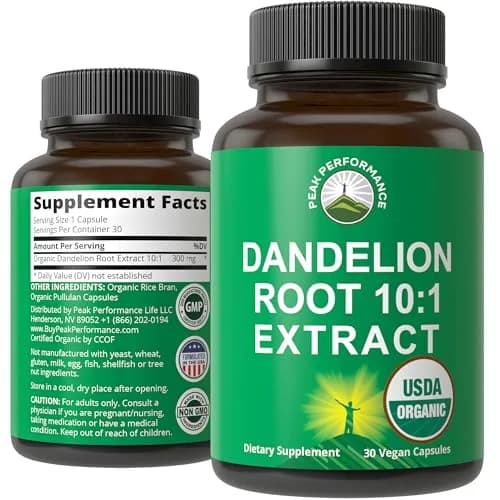
USDA Organic certified dandelion root in a clean capsule format with no fillers or artificial additives. Delivers a solid 1,500mg dose per 2-capsule serving at a competitive price point. Third-party tested for purity and potency, making it a reliable daily choice for liver and digestive support.
IngredientOrganic Dandelion Root Extract
Dose1,500mg per serving (2 capsules)
FormCapsule
TestingThird-Party Tested
1,500mg per serving (2 capsules)Clinical range: 500-1500mg extract or 3-5g dried root daily
Therapeutic dose
$0.60 / count
Pros
- USDA Organic certified
- Clean formula without fillers
- Third-party tested
Cons
- Not standardized to active compounds
- Lower end of clinical dose range
OrganicVeganGluten-freeNon-GMO
Quick Comparison
#1Peak Performance Organic Dandelion Root Capsules
8.9/10
Peak Performance
#1 Top Pick
395 Amazon reviews
Best for: Overall best organic dandelion root capsule
Organic Dandelion Root Extract · 1,500mg per serving (2 capsules)
Capsule · Third-Party Tested
$17.95
$0.60 / count
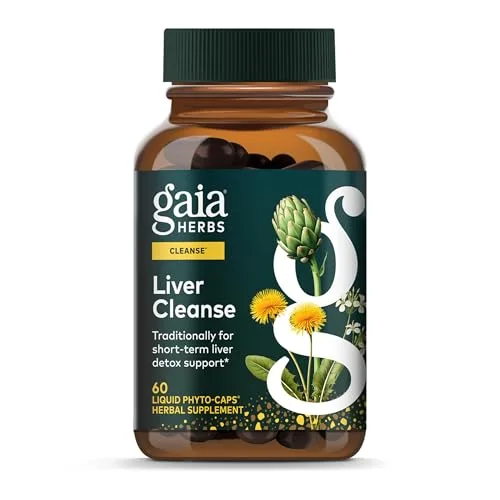
#2Gaia Herbs Dandelion Root
8.7/10
Gaia Herbs
1,860 Amazon reviews
Best for: Liquid extract in capsule form for enhanced absorption
Dandelion Root Liquid Phyto-Cap · 1,600mg equivalent per serving (2 liquid capsules)
Liquid Phyto-Capsule · Third-Party Tested
$31.49
$0.52 / count
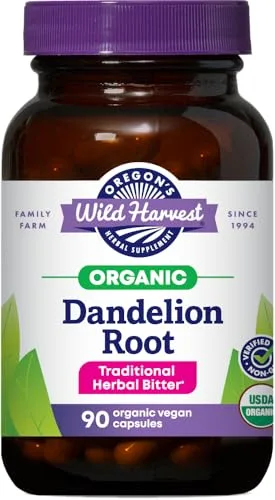
#3Oregon's Wild Harvest Dandelion Root
8.5/10
Oregon's Wild Harvest
243 Amazon reviews
Best for: Certified organic with clean formulation
Organic Dandelion Root · 1,500mg per serving (3 capsules)
Capsule · Third-Party Tested
$21.56
$0.24 / count
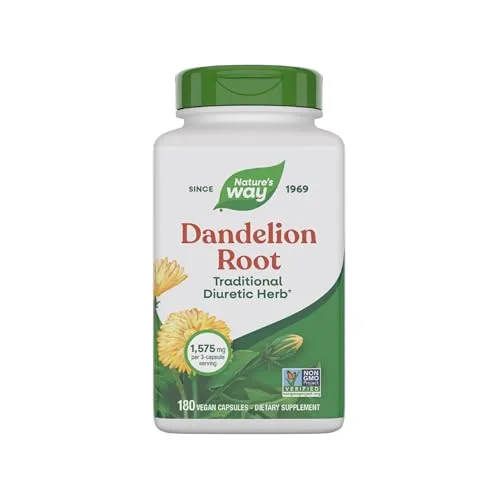
#4Nature's Way Dandelion Root
8.4/10
Nature's Way
18,279 Amazon reviews
Best for: Traditional herbal brand with identity verification
Dandelion Root · 1,575mg per serving (3 capsules)
Capsule · TRU-ID Verified
$15.99
$0.09 / count
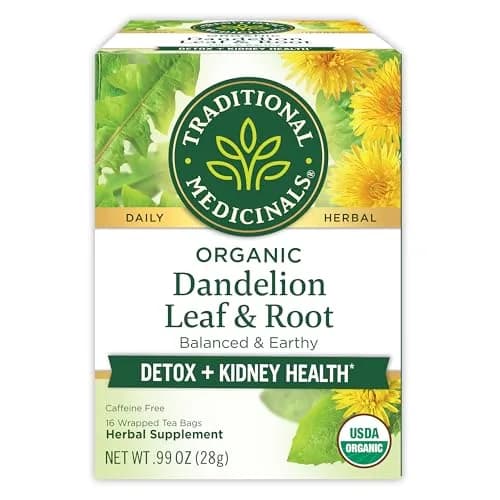
#5Traditional Medicinals Organic Roasted Dandelion Root Tea
8.2/10
Traditional Medicinals
3,034 Amazon reviews
Best for: Traditional tea preparation
Organic Roasted Dandelion Root · 1 tea bag per serving
Tea · Pharmacopoeial Standards
$4.58
$0.29 / count
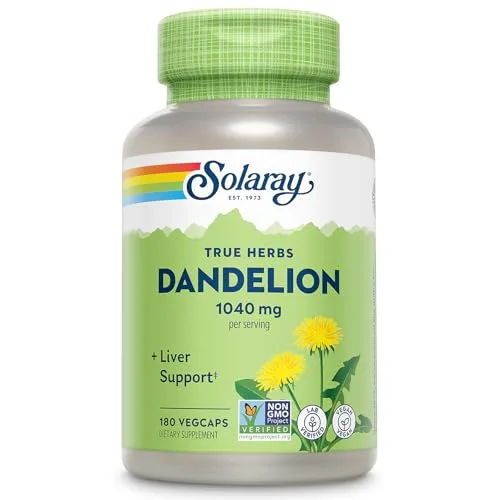
#6Solaray Dandelion Root
8/10
SOLARAY
539 Amazon reviews
Best for: Budget option
Dandelion Root · 1,040mg per serving (2 capsules)
Capsule · GMP Certified
$18.64
$0.10 / count
| # | Product | Best For | Ingredient & Dose | Form & Testing | Price | Rating | |
|---|---|---|---|---|---|---|---|
| 1 | Peak Performance Organic Dandelion Root Capsules #1 Top Pick 395 Amazon reviews | Overall best organic dandelion root capsule | Organic Dandelion Root Extract 1,500mg per serving (2 capsules) | Capsule Third-Party Tested | $17.95 $0.60 / count | 8.9/10 | |
| 2 | Gaia Herbs Dandelion Root 1,860 Amazon reviews | Liquid extract in capsule form for enhanced absorption | Dandelion Root Liquid Phyto-Cap 1,600mg equivalent per serving (2 liquid capsules) | Liquid Phyto-Capsule 30 Servings Third-Party Tested | $31.49 $0.52 / count | 8.7/10 | |
| 3 | Oregon's Wild Harvest Dandelion Root 243 Amazon reviews | Certified organic with clean formulation | Organic Dandelion Root 1,500mg per serving (3 capsules) | Capsule Third-Party Tested | $21.56 $0.24 / count | 8.5/10 | |
| 4 | Nature's Way Dandelion Root 18,279 Amazon reviews | Traditional herbal brand with identity verification | Dandelion Root 1,575mg per serving (3 capsules) | Capsule 180 Capsules TRU-ID Verified | $15.99 $0.09 / count | 8.4/10 | |
| 5 | Traditional Medicinals Organic Roasted Dandelion Root Tea 3,034 Amazon reviews | Traditional tea preparation | Organic Roasted Dandelion Root 1 tea bag per serving | Tea Pharmacopoeial Standards | $4.58 $0.29 / count | 8.2/10 | |
| 6 | Solaray Dandelion Root 539 Amazon reviews | Budget option | Dandelion Root 1,040mg per serving (2 capsules) | Capsule 90 Servings GMP Certified | $18.64 $0.10 / count | 8/10 |
Detailed Reviews
#1 Top Pick
USDA Organic Dandelion Root Extract Supplement - 10x More Potent Than Raw Root. Standardized and Concentrated Vegan Dandelion Root Capsules for Women and Men. Supports Detox, Immune, Liver, Gut Health
Peak Performance
395 Amazon reviews
8.9/10
(395)
OrganicVeganGluten-freeNon-GMO
USDA Organic certified dandelion root in a clean capsule format with no fillers or artificial additives. Delivers a solid 1,500mg dose per 2-capsule serving at a competitive price point. Third-party tested for purity and potency, making it a reliable daily choice for liver and digestive support.
IngredientOrganic Dandelion Root Extract
Dose1,500mg per serving (2 capsules)
FormCapsule
TestingThird-Party Tested
1,500mg per serving (2 capsules)Clinical range: 500-1500mg extract or 3-5g dried root daily
Therapeutic dose
$0.60 / count
Ideal for: Overall best organic dandelion root capsule
Not ideal for: Those needing a standardized active compound dose or high-end extract
Pros
- USDA Organic certified
- Clean formula without fillers
- Third-party tested
- Competitive pricing
Cons
- Not standardized to active compounds
- Lower end of clinical dose range
- 2 capsules per serving
Gaia Herbs Liver Cleanse - Liver Health Support Herbal Supplement with Milk Thistle, Burdock, Turmeric, Dandelion & More* - 60 Vegan Liquid Phyto-Caps (30 Servings)
Gaia Herbs
1,860 Amazon reviews
8.7/10
(1,860)
VeganGluten-freeSoy-free
Gaia Herbs uses a proprietary liquid phyto-capsule that delivers a concentrated dandelion root extract with enhanced absorption compared to dry powder capsules. The company grows many of its herbs on its own certified organic farm in North Carolina and provides full traceability through their MeetYourHerbs program, where you can see the origin of each ingredient.
IngredientDandelion Root Liquid Phyto-Cap
Dose1,600mg equivalent per serving (2 liquid capsules)
FormLiquid Phyto-Capsule
TestingThird-Party Tested
1,600mg equivalent per serving (2 liquid capsules)Clinical range: 500-1500mg extract or 3-5g dried root daily
Clinical dose
$0.52 / count$31.49 · 30 Servings
Ideal for: Liquid extract in capsule form for enhanced absorption
Not ideal for: Budget shoppers or those needing USDA Organic certification
Pros
- Liquid extraction for better absorption
- Farm-to-capsule traceability
- MeetYourHerbs transparency program
- Concentrated extract
Cons
- Premium price ($0.47/serving)
- Liquid capsules are larger
- Not USDA Organic certified
Oregon's Wild Harvest Dandelion Root Organic Supplement | Traditional Herbal Bitter, 90 Vegan Capsules
Oregon's Wild Harvest
243 Amazon reviews
8.5/10
(243)
OrganicVeganGluten-freeNon-GMO
Oregon's Wild Harvest grows dandelion root on their own certified organic farm in Oregon, providing complete control over growing conditions. The product is USDA Organic, Non-GMO Project Verified, and uses only organic dandelion root and organic rice filler in a vegetarian capsule. No other additives.
IngredientOrganic Dandelion Root
Dose1,500mg per serving (3 capsules)
FormCapsule
TestingThird-Party Tested
1,500mg per serving (3 capsules)Clinical range: 500-1500mg extract or 3-5g dried root daily
Therapeutic dose
$0.24 / count
Ideal for: Certified organic with clean formulation
Not ideal for: Budget shoppers or those wanting a liquid or tincture format
Pros
- Grown on own organic farm
- USDA Organic + Non-GMO Verified
- Minimal ingredients (root + rice)
- Vegan capsule
Cons
- Premium price ($0.42/serving)
- 3 capsules per serving
- Only available in capsule form
Nature's Way Dandelion Root Capsules, Traditional Diuretic Herb, 1,575 mg Dandelion Root per 3-Capsule Serving, Vegan Dandelion Root Supplement, Non-GMO Project Verified, 180 Capsules
Nature's Way
18,279 Amazon reviews
8.4/10
(18,279)
Gluten-free
Nature's Way is one of the most established herbal supplement brands in the US, with TRU-ID genetic testing that verifies the botanical identity of the dandelion root used. At $0.15 per serving, it delivers excellent value. The 1,575mg dose falls within the traditional therapeutic range.
IngredientDandelion Root
Dose1,575mg per serving (3 capsules)
FormCapsule
TestingTRU-ID Verified
1,575mg per serving (3 capsules)Clinical range: 500-1500mg extract or 3-5g dried root daily
Clinical dose
$0.09 / count$15.99 · 180 Capsules
Ideal for: Traditional herbal brand with identity verification
Not ideal for: Vegans or those wanting organic certification and fewer fillers
Pros
- TRU-ID botanical identity verified
- Excellent value ($0.15/serving)
- Established brand (50+ years)
- Adequate clinical dose
Cons
- Not organic
- Gelatin capsule (not vegan)
- Requires 3 capsules
- Contains rice flour filler
Traditional Medicinals Organic, Dandelion Leaf & Root - Dandelion Root Tea, Supports Normal Detox + Digestion - Kosher, Non-GMO, Caffeine-Free, Compostable - 16 Tea Bags
Traditional Medicinals
3,034 Amazon reviews
8.2/10
(3,034)
OrganicGluten-freeNon-GMOCaffeine-free
For those who prefer the traditional tea preparation method, Traditional Medicinals offers the highest quality dandelion root tea available. USDA Organic, Fair Trade certified, and tested to pharmacopoeial standards. The roasting process creates a coffee-like flavor that many find enjoyable as a morning ritual or coffee replacement.
IngredientOrganic Roasted Dandelion Root
Dose1 tea bag per serving
FormTea
TestingPharmacopoeial Standards
1 tea bag per servingClinical range: 500-1500mg extract or 3-5g dried root daily
Blend formula
$0.29 / count
Ideal for: Traditional tea preparation
Not ideal for: Those needing standardized clinical doses or fast, consistent absorption
Pros
- USDA Organic + Fair Trade
- Coffee-like roasted flavor
- Pharmacopoeial quality standards
- Enjoyable daily ritual
Cons
- Lower concentration than capsules
- Not standardized
- Requires 10-15 min steeping
- Active compounds vary by brew strength
SOLARAY Dandelion Root Supplement - Healthy Kidney and Liver Support - 1,040 mg per Serving - Vegan, Lab Verified, 60-Day Guarantee - 90 Servings, 180 VegCaps
SOLARAY
539 Amazon reviews
8/10
(539)
Gluten-free
The most affordable dandelion root supplement on our list at $0.10 per serving. Solaray is a well-known supplement brand with decades of herbal product experience. Good entry point for those wanting to try dandelion root without a significant investment.
IngredientDandelion Root
Dose1,040mg per serving (2 capsules)
FormCapsule
TestingGMP Certified
1,040mg per serving (2 capsules)Clinical range: 500-1500mg extract or 3-5g dried root daily
Therapeutic dose
$0.10 / count$18.64 · 90 Servings
Ideal for: Budget option
Not ideal for: Vegans, organic buyers, or those needing a full clinical dose
Pros
- Most affordable option ($0.10/serving)
- Established brand
- Only 2 capsules per serving
- Widely available
Cons
- Lower dose (1,040mg)
- Not organic
- Gelatin capsule (not vegan)
- No specific third-party testing
Pairs Well With
Frequently taken together based on complementary benefits
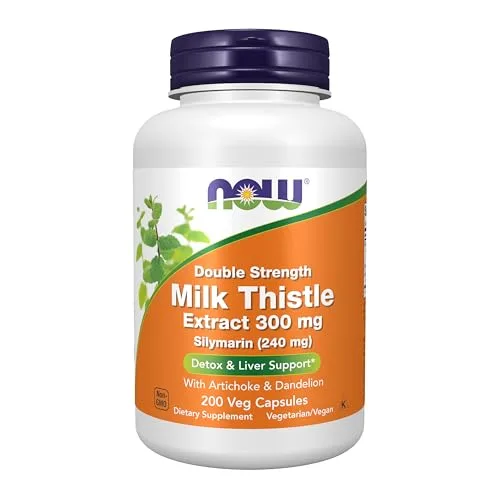
Milk Thistle (Silymarin)
NOW Foods Silymarin 300mg
300mg silymarin (from 375mg extract at 80%) per capsule
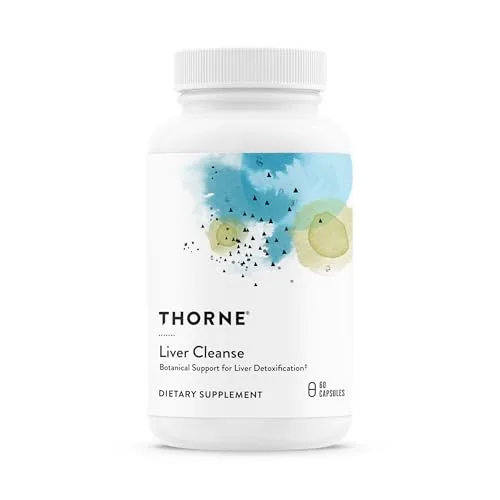
TUDCA (Tauroursodeoxycholic Acid)
Thorne Liver Cleanse
TUDCA + silymarin phytosome + NAC per serving
How to Choose
Root vs Leaf: They Do Different Things
Dandelion root and dandelion leaf have distinct phytochemical profiles. The root is rich in inulin (prebiotic fiber), taraxasterol (hepatoprotective triterpenoid), and bitter compounds that stimulate bile flow. The leaf is primarily used as a natural diuretic due to its potassium-sparing properties. For liver support and digestive health, choose root. For water retention, leaf may be more appropriate.
Why Organic Matters for Dandelion
Dandelions are ubiquitous plants that grow in lawns, parks, and fields — many of which are treated with herbicides and pesticides. Wildcrafted dandelion (harvested from wild sources) can carry residual chemicals. USDA Organic certification ensures the dandelion root was grown without synthetic pesticides, herbicides, or fertilizers, which is particularly important for an herb used to support liver detoxification.
Capsules vs Tea vs Tincture
Capsules offer standardized dosing and convenience. Tea is the most traditional preparation and provides a pleasant ritual, but delivers lower and less consistent doses of active compounds. Tinctures (alcohol or glycerin extracts) offer the fastest absorption and broadest spectrum of extracted compounds. For clinical doses, capsules are most practical. For gentle daily use, tea is a reasonable choice.
Ready to Buy?
Peak Performance Organic Dandelion Root Capsules
8.9/10$0.60 / countBest for: Overall best organic dandelion root capsule
The best dandelion root supplement is an organic, standardized extract providing 1,500-3,000mg per serving with verified taraxasterol content.
Evidence:RCT (2009) · n=17 · moderate confidence[#1]. See full reference list below.Read Our Full Dandelion Root Research Guide
Evidence level, dosage, side effects, and more →
Already taking supplements?
Check how Dandelion Root fits with your current stack — interactions, timing, and optimization →
Related Supplements
Related Conditions
Frequently Asked Questions
What is the best dandelion root supplement?
What is the best dandelion root supplement?
The best dandelion root supplement for most people is an organic capsule providing 1,500-3,000mg of dandelion root per serving. Peak Performance and Oregon's Wild Harvest are our top picks for their organic certification, clean formulations, and adequate dosing. For liquid format, Gaia Herbs offers excellent quality with full supply chain transparency.
Can dandelion root detox your liver?
Can dandelion root detox your liver?
While the term "detox" is often overused, dandelion root does contain taraxasterol and other compounds that demonstrate hepatoprotective properties in preclinical studies. It also contains bitter compounds that stimulate bile flow, which is a genuine mechanism for supporting liver function. It should not be considered a treatment for liver disease, but it may support normal liver function as part of a healthy diet.
Is dandelion root safe to take daily?
Is dandelion root safe to take daily?
Yes. Dandelion root has been consumed as food and medicine for centuries with an excellent safety record. Modern studies confirm it is well-tolerated at typical supplement doses (1,000-3,000mg daily) [1]. The main cautions are for people allergic to the Asteraceae plant family, those taking lithium or diuretic medications, and individuals taking blood thinners (due to vitamin K content).
Evidence:RCT (2009) · n=17 · moderate confidence[#1]. See full reference list below.Continue Reading
References
- RCTClare BA, Conroy RS, Spelman K (2009). The diuretic effect in human subjects of an extract of Taraxacum officinale folium over a single day. Journal of Alternative and Complementary Medicine. DOI PubMed