Supplement ScienceSupplementScience
Respiratory Health

Best Supplements for Respiratory Health

Prevalence: 35+ million Americans have chronic respiratory diseases; respiratory infections are the leading cause of doctor visits — CDC data

·

This content is for informational purposes only and does not constitute medical advice. Statements about dietary supplements have not been evaluated by the FDA and are not intended to diagnose, treat, cure, or prevent any disease. Individual results may vary — consult your healthcare provider before starting any supplement. Full disclaimer

The most evidence-backed supplements for respiratory health are NAC (600-1200mg daily, which thins mucus and reduces...

The most evidence-backed supplements for respiratory health are NAC (600-1200mg daily, which thins mucus and reduces COPD exacerbations by 25%), vitamin D (2000-4000 IU daily, shown to reduce respiratory infection risk by 12%), and quercetin (500-1000mg daily, which stabilizes mast cells and reduces airway inflammation).

Get the free evidence-based Respiratory Health guide — delivered in 60 seconds.

No spam. Unsubscribe anytime.

Overview

Respiratory conditions including asthma, COPD, and recurrent infections affect over 35 million Americans. Lung function naturally declines with age, and environmental exposures accelerate this process. Several supplements have demonstrated benefits for airway inflammation, mucus regulation, and immune defense of the respiratory tract in clinical trials.

Understanding Respiratory Health

Respiratory health encompasses the function of the airways, lung parenchyma, and mucosal immune barriers that defend against pathogens and environmental irritants. The respiratory epithelium is the body's largest surface area exposed to the external environment, making it a primary target for infections and pollutants. Chronic respiratory conditions — asthma, COPD, chronic bronchitis, and recurrent respiratory infections — share common pathological features: airway inflammation, oxidative stress, mucus hypersecretion, and immune dysregulation. The lung's antioxidant defense system (glutathione, superoxide dismutase, catalase) is particularly important because inhaled oxygen and pollutants generate continuous free radical production. Nutritional deficiencies in vitamins C, D, and E and the mineral selenium directly impair both antioxidant defense and immune cell function in the airways. Supplementation strategies for respiratory health target three areas: bolstering mucosal immunity to reduce infection frequency, modulating airway inflammation, and supporting antioxidant defenses against oxidative damage.

What the Research Shows

Vitamin D has the strongest evidence for reducing respiratory infections. A landmark individual participant data meta-analysis by Martineau et al. (2017) in the BMJ pooled 25 RCTs with 11,321 participants and found that daily or weekly vitamin D supplementation reduced the risk of acute respiratory tract infections by 12% overall, and by 70% in participants with baseline 25(OH)D levels below 10 ng/mL. The protective effect was strongest with daily dosing rather than large bolus doses. Vitamin D enhances antimicrobial peptide production (cathelicidin and defensins) in respiratory epithelial cells and modulates the adaptive immune response. NAC (N-acetylcysteine) serves dual roles: it is the rate-limiting precursor for glutathione synthesis and a direct mucolytic agent that breaks disulfide bonds in mucus glycoproteins. Stey et al. (2000) meta-analyzed 8 RCTs in COPD patients and found that oral NAC (400–600 mg daily) significantly reduced the frequency of acute exacerbations. The BRONCUS trial by Decramer et al. (2005) showed a 22% reduction in exacerbations in COPD patients not already using inhaled corticosteroids. For chronic bronchitis specifically, NAC at 600 mg twice daily reduced exacerbation frequency by 40% in the PANTHEON trial (Zheng et al., 2014). Vitamin C has been studied primarily for the common cold. Hemila and Chalker (2013) published a Cochrane review of 29 trials with 11,306 participants and found that regular vitamin C supplementation (200 mg or more daily) did not reduce cold incidence in the general population but did reduce cold duration by 8% in adults and 14% in children. In physically stressed populations (marathon runners, soldiers), vitamin C reduced cold incidence by 52%. Quercetin may reduce upper respiratory illness in stressed athletes — Nieman et al. (2007) found that 1,000 mg quercetin daily for 5 weeks after heavy exercise reduced illness incidence from 45% to 5%, though this has not been widely replicated.

What to Look For in Supplements

For vitamin D, choose vitamin D3 (cholecalciferol) rather than D2 (ergocalciferol) — D3 is more effective at raising and maintaining serum 25(OH)D levels. Dose should be guided by baseline blood levels, but 2,000–4,000 IU daily is appropriate for most adults, with higher doses (5,000–10,000 IU) under medical supervision for documented deficiency. For NAC, standard 600 mg capsules taken twice daily with meals are well-studied and widely available. Some practitioners prefer the sustained-release form to reduce GI side effects. For vitamin C, 500–1,000 mg daily in divided doses is sufficient; absorption efficiency drops above 200 mg per dose. For quercetin, choose quercetin phytosome (Quercefit) for dramatically improved bioavailability, or take standard quercetin with a fat-containing meal and bromelain, which may enhance absorption. Third-party testing matters most for vitamin D products, as ConsumerLab has found significant discrepancies between labeled and actual vitamin D content.

What Doesn't Work (And Why)

Echinacea is the most widely used respiratory supplement, but evidence is disappointing. A large NCCIH-funded trial by Barrett et al. (2010) involving 719 participants found that echinacea did not significantly reduce cold duration or severity compared to placebo. A Cochrane review by Karsch-Volk et al. (2014) concluded that evidence for echinacea preventing or treating colds was weak and inconsistent. Elderberry (Sambucus nigra) gained enormous popularity during the COVID-19 pandemic, but evidence is limited to a handful of small trials with high bias risk — the widely cited Tiralongo et al. (2016) study had only 312 participants and borderline-significant results. Claims that elderberry might cause a "cytokine storm" are also unfounded. Zinc lozenges (as opposed to systemic zinc supplementation) have mixed evidence — positive trials exist but only for specific zinc formulations (acetate or gluconate) started within 24 hours of symptom onset, which is difficult to implement consistently. Colloidal silver has no evidence for respiratory health and carries the risk of permanent skin discoloration (argyria).

Combination Protocol

For respiratory immune support: vitamin D3 (2,000–4,000 IU daily year-round, adjusted by blood level), NAC (600 mg twice daily), and vitamin C (500 mg twice daily). Add quercetin (500 mg twice daily) during cold and flu season or periods of heavy physical training. NAC also supports overall glutathione status, which benefits lung tissue defense against pollution and oxidative stress. For those with COPD or chronic bronchitis, NAC at the higher dose (600 mg twice daily) has the strongest evidence for exacerbation prevention. Vitamin D should be taken with a fat-containing meal for optimal absorption. The immune support overlap with /stacks/immune-resilience is substantial — reference that protocol for a broader immune-focused approach.

Top Evidence-Based Supplements for Respiratory Health

#SupplementTypical DoseEvidence
1N-Acetyl Cysteine (NAC)600mg twice dailyStrong
See top n-acetyl cysteine (nac) picks →
2Vitamin D2000-4000 IU dailyStrong
See top vitamin d picks →
3Quercetin500-1000mg dailyModerate
See top quercetin picks →
4Omega-3 Fatty Acids2-4g EPA+DHA dailyModerate
See top omega-3 fatty acids picks →
5Elderberry Extract600-900mg daily during illnessModerate
See elderberry extract research →

Top Product Picks

As an Amazon Associate, we earn from qualifying purchases. Some links below are affiliate links — this doesn't affect our editorial independence or product ratings. How we evaluate products

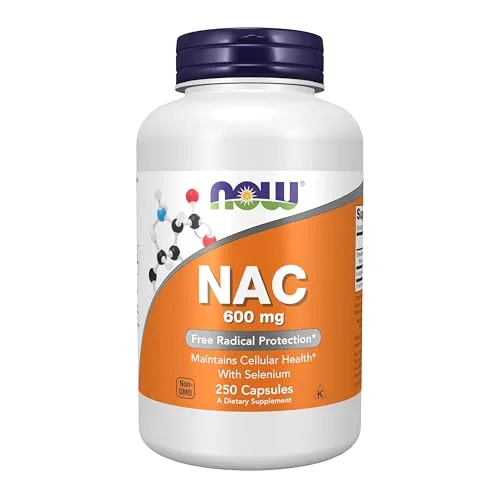
NOW Foods NAC 600mg

NOW Foods NAC 600mg

NOW Foods

9.1/10
Best overall NAC supplement for most people$0.22/serving
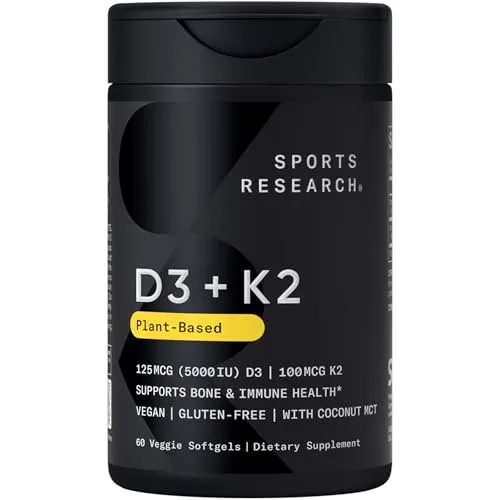
NatureWise Vitamin D3 5000 IU

NatureWise Vitamin D3 5000 IU

NatureWise

9/10
Best value vitamin D3$0.04/serving
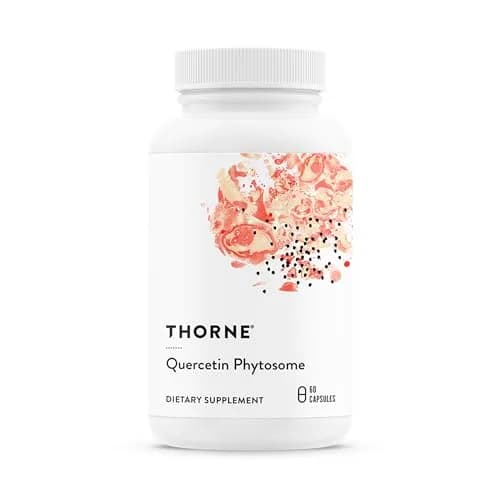
Thorne Quercetin Phytosome

Thorne Quercetin Phytosome

THORNE

9.4/10
Overall — best absorption via phytosome technology with NSF certification$0.77/serving
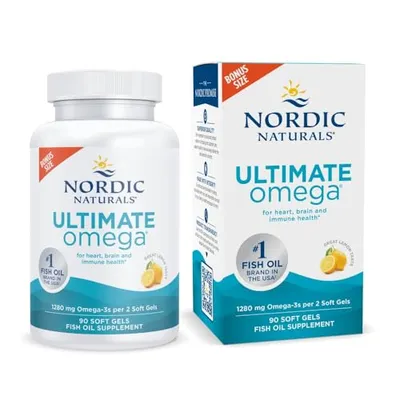
Sports Research Triple Strength Omega-3

Sports Research Triple Strength Omega-3

Sports Research

9.1/10
Heart health / EPA-predominant$0.31/serving

Detailed Ingredient Guides

NAC (N-Acetyl Cysteine)
Amino Acid Derivative
NAC at 600-1,800 mg/day is the most cost-effective glutathione precursor. It is FDA-approved for acetaminophen overdose, and has evidence for supporting liver health, reducing OCD/trichotillomania symptoms, thinning mucus, and protecting against oxidative stress. It is one of the most versatile amino acid supplements available.
Vitamin D3
Fat-Soluble Vitamin
Vitamin D3 is essential for bone health, immune function, and mood regulation. An estimated 42% of U.S. adults are deficient. Most adults benefit from 1,000-4,000 IU daily, and a 2017 meta-analysis found supplementation reduced the risk of acute respiratory infections by 12%.
Quercetin
Flavonoid / Senolytic
Quercetin is a flavonoid with dual senolytic and antioxidant properties. The dasatinib + quercetin protocol is the most studied senolytic in humans (Kirkland, 2019). As a standalone supplement, quercetin reduces inflammation, supports immunity, and shows anti-allergic effects. Standard dose is 500-1000mg daily.
Omega-3
Essential Fatty Acid
Omega-3 fatty acids (EPA + DHA) reduce inflammation, support heart and brain health, and may improve mood. The REDUCE-IT trial showed high-dose EPA (4g/day) reduced cardiovascular events by 25%. Most adults benefit from 1,000-2,000mg combined EPA+DHA daily.
Elderberry
Herbal Extract
Elderberry extract reduces cold and flu duration by an average of 4 days according to a 2019 meta-analysis. It works through direct antiviral mechanisms — blocking viral neuraminidase and hemagglutinin — plus immune-stimulating effects. Standard dosing is 600-900mg extract daily during illness or 300-600mg for prevention.
Bromelain
Proteolytic Enzyme
Bromelain at 500-2,000 GDU/day reduces post-surgical swelling by 50-70% and improves sinusitis symptoms. It works by modulating prostaglandins and degrading fibrin. Take on an empty stomach for systemic anti-inflammatory effects or with food for digestive support.
Serrapeptase
Proteolytic Enzyme
Serrapeptase at 10-60mg (60,000-120,000 SPU) daily may reduce post-surgical swelling, sinusitis symptoms, and inflammatory pain. It works by degrading fibrin and inflammatory proteins. Evidence is emerging — take on an empty stomach for systemic absorption.
Athletic Performance & Recovery
4 ingredients · $40–60/month
The evidence-based athletic performance stack is creatine monohydrate (5g/day maintenance), vitamin D3 (2000–4000 IU), omega-3 (2–3g EPA+DHA), and magnesium glycinate (300–400mg post-workout). Creatine is the most studied performance supplement in existence. The other three address the foundational deficiencies that silently cap performance and slow recovery in most athletes.
Cognitive Performance & Focus
4 ingredients · $55–80/month
The most evidence-backed cognitive stack uses lion's mane (500–1000mg extract), bacopa monnieri (300mg standardized to 55% bacosides), omega-3 (2g EPA+DHA daily), and L-theanine (100–200mg with caffeine). Lion's mane and bacopa build long-term neuroplasticity; omega-3 provides structural support; L-theanine+caffeine delivers clean acute focus.
Immune Resilience
4 ingredients · $30–50/month
The most evidence-backed immune resilience stack is vitamin D3 (2000–4000 IU daily), zinc picolinate (15–25mg daily), vitamin C (500–1000mg daily), and elderberry extract (600mg during illness). Vitamin D and zinc address the most prevalent immune-relevant deficiencies. Vitamin C has decades of evidence for reducing illness duration. Elderberry has RCT support specifically for shortening respiratory illness.
Longevity & Healthy Aging
4 ingredients · $60–90/month
The most evidence-backed longevity foundation stack includes CoQ10 as ubiquinol (200–400mg), omega-3 fatty acids (2–3g EPA+DHA), vitamin D3 with K2 (2000–4000 IU D3 + 100–200mcg MK-7), and magnesium glycinate (200–400mg). These address the four most documented aging mechanisms: mitochondrial decline, inflammation, calcium dysregulation, and deficiency-driven accelerated aging.

Related Conditions

Related Research

Learn More

Frequently Asked Questions

Does NAC help with lung health?

Yes. NAC is one of the most studied supplements for respiratory health. A Cochrane review of COPD patients found that NAC at 600mg twice daily reduced the frequency of exacerbations by 25%. NAC works by replenishing glutathione (the lungs' primary antioxidant), thinning mucus, and reducing airway inflammation. It is widely used in pulmonary medicine.

Evidence:Meta-analysis (2019) · 38 RCTs · n=10,377 · high confidence[#1]. See full reference list below.

Can vitamin D prevent respiratory infections?

An individual-participant meta-analysis of 25 RCTs involving 11,321 participants found that vitamin D supplementation reduced the risk of acute respiratory tract infections by 12% overall, with a 42% reduction in those who were severely deficient at baseline. Daily or weekly dosing was more effective than large bolus doses.

Is quercetin good for asthma and allergies?

Quercetin stabilizes mast cells and inhibits histamine release, making it relevant for allergic airway conditions. An RCT in athletes found 1000mg daily reduced upper respiratory infection incidence by 36%. While clinical trials specifically in asthma patients are limited, quercetin's anti-inflammatory and antihistamine properties make it a promising adjunct.

Does elderberry help with colds and flu?

A meta-analysis of randomized controlled trials found that elderberry supplementation significantly reduced the duration and severity of upper respiratory symptoms from colds and influenza. Elderberry contains anthocyanins and flavonoids that inhibit viral entry into cells. Typical doses are 600-900mg of standardized extract during acute illness.

Continue Reading

References

  1. Meta-analysisPoole P, Sathananthan K, Fortescue R (2019). Mucolytic agents versus placebo for chronic bronchitis or chronic obstructive pulmonary disease. Cochrane Database of Systematic Reviews. DOI PubMed
  2. Meta-analysisMartineau AR, Jolliffe DA, Hooper RL, et al. (2017). Vitamin D supplementation to prevent acute respiratory tract infections: systematic review and meta-analysis of individual participant data. BMJ. DOI PubMed
  3. RCTNieman DC, Henson DA, Gross SJ, et al. (2007). Quercetin reduces illness but not immune perturbations after intensive exercise. Medicine and Science in Sports and Exercise. DOI PubMed
  4. Meta-analysisHawkins J, Baker C, Cherry L, Dunne E (2019). Black elderberry (Sambucus nigra) supplementation effectively treats upper respiratory symptoms: a meta-analysis of randomized, controlled clinical trials. Complementary Therapies in Medicine. DOI PubMed