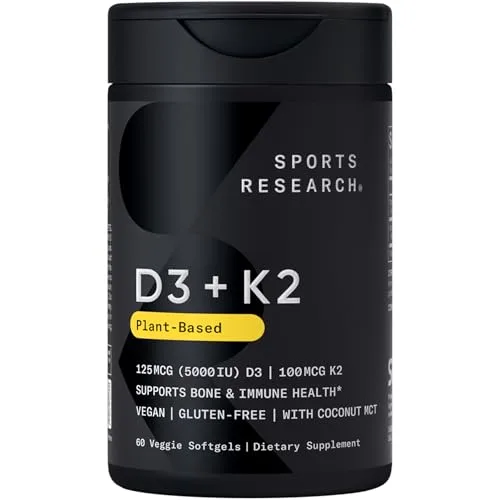
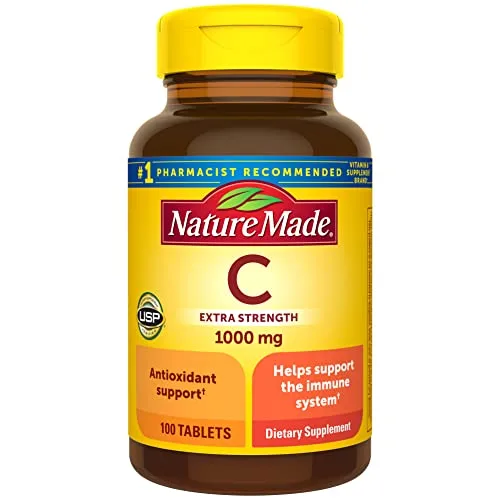
Supplements may support general immune resilience in most healthy adults but are not a substitute for medical evaluation, diagnosis, or clinician-directed care for known or suspected immune-system disease. Call 911 or seek emergency care for signs of severe infection or sepsis: high fever with confusion, severe shortness of breath, chest pain, fainting, very low or very high heart rate, severe weakness, decreased urine output with rapid breathing, stiff neck with fever, or any rapidly worsening illness — especially in people with cancer, transplant, HIV, primary immunodeficiency, or on immunosuppressants, biologics, or chemotherapy. Book a clinician visit for persistent fever lasting more than 3 days, any high fever with worsening symptoms, or any fever in someone who is immunocompromised, unexplained weight loss, drenching night sweats, recurrent infections in adults (more than several sinus, ear, lung, skin, or urinary tract infections per year), persistent fatigue, swollen lymph nodes that do not resolve, suspected primary or acquired immunodeficiency, suspected autoimmune symptoms (joint pain with rash, hair loss, persistent low-grade fever), or new infection in someone who is pregnant, an older adult, or otherwise at higher risk. Evaluation may include physical exam, CBC with differential, immunoglobulin levels when indicated, infection-specific testing, autoimmune panels when relevant, and review of medications, vaccines, and lifestyle contributors. Evidence-based care often includes treating underlying infections or conditions, age-appropriate vaccination, adequate sleep and stress management, balanced nutrition, hand hygiene and sick-contact avoidance during outbreaks, and clinician-directed therapy for any identified immune disease; zinc, vitamin D, vitamin C, probiotics, and elderberry have been studied as adjuncts within that framework. Be especially cautious with immune-active supplements (echinacea, astragalus, elderberry, mushroom extracts) if you have an autoimmune disease, are an organ-transplant recipient, or take biologics or other immunosuppressants — discuss any immune-active supplement with your prescriber before starting, and disclose all supplement use during pregnancy or breastfeeding.