Supplement ScienceSupplementScience
Allergies

Best Supplements for Allergies

Prevalence: Over 50 million Americans affected annually (nasal allergies affect 10-30% of adults)

·

This content is for informational purposes only and does not constitute medical advice. Statements about dietary supplements have not been evaluated by the FDA and are not intended to diagnose, treat, cure, or prevent any disease. Individual results may vary — consult your healthcare provider before starting any supplement. Full disclaimer

Quercetin (500-1000mg daily) is the most evidence-backed natural antihistamine, stabilizing mast cells and inhibiting...

Quercetin (500-1000mg daily) is the most evidence-backed natural antihistamine, stabilizing mast cells and inhibiting histamine release. Vitamin C (1-2g daily) and stinging nettle also show meaningful antihistamine effects in clinical trials.

Get the free evidence-based Allergies guide — delivered in 60 seconds.

No spam. Unsubscribe anytime.

Overview

Allergies affect more than 50 million Americans each year and are the sixth leading cause of chronic illness in the US. Allergic rhinitis, food allergies, and atopic conditions result from an overactive immune response. Several supplements have demonstrated natural antihistamine, mast cell-stabilizing, and anti-inflammatory properties in clinical studies.

Understanding Allergies

Allergic rhinitis and other IgE-mediated allergies result from an inappropriate immune response to harmless environmental proteins (allergens). The initial sensitization primes mast cells with allergen-specific IgE antibodies; subsequent exposures trigger mast cell degranulation, releasing histamine, leukotrienes, prostaglandins, and cytokines. Histamine acts on H1 receptors in nasal mucosa to cause vasodilation, mucus hypersecretion, and neural stimulation (sneezing, itching). The late-phase response (4–8 hours later) involves eosinophil and basophil recruitment mediated by Th2 cytokines (IL-4, IL-5, IL-13), creating chronic inflammation and nasal congestion. Allergic rhinitis affects 10–30% of adults globally and significantly impacts quality of life, sleep, and productivity. Standard treatments include antihistamines, intranasal corticosteroids, leukotriene inhibitors, and allergen immunotherapy. The supplement approach targets histamine modulation, mast cell stabilization, and Th1/Th2 immune balance — aiming to reduce the allergic response at its source rather than just blocking histamine receptors.

What the Research Shows

Quercetin is the most mechanistically studied supplement for allergies. It stabilizes mast cells (inhibiting histamine and leukotriene release), inhibits lipoxygenase and cyclooxygenase enzymes, and modulates Th1/Th2 balance. Mlcek et al. (2016) reviewed the evidence and confirmed quercetin's anti-allergic mechanisms in cell studies and animal models. However, human clinical trial evidence is limited. Kawai et al. (2020) found that quercetin-rich onion extract significantly reduced nasal congestion and eye symptoms in Japanese cedar pollen allergic rhinitis patients in a double-blind RCT. The bioavailability challenge is significant — standard quercetin has poor absorption, but quercetin phytosome (Quercefit) and enzymatically modified isoquercitrin (EMIQ) have dramatically improved bioavailability. Butterbur (Petasites hybridus) has the strongest clinical trial evidence among allergy supplements. Schapowal (2002) conducted a pivotal RCT comparing butterbur extract (Ze 339, 1 tablet three times daily) to cetirizine (10 mg daily) in 125 seasonal allergic rhinitis patients and found equivalent symptom control without the sedation associated with antihistamines. Lee et al. (2004) confirmed these findings in a larger trial. The mechanism involves leukotriene and histamine inhibition. Critical caveat: only pyrrolizidine alkaloid-free (PA-free) extracts are safe — raw butterbur contains hepatotoxic PAs. Probiotics may modulate the allergic immune response. A meta-analysis by Zuccotti et al. (2015) of perinatal probiotic supplementation found significant reduction in allergic rhinitis risk. Ivory et al. (2008) found that Lactobacillus casei Shirota (in Yakult) modulated immune responses in grass pollen-allergic patients during pollen season. Vitamin C has modest antihistamine properties — Johnston et al. (1996) found that 2 g vitamin C reduced blood histamine levels by 38% in healthy volunteers. Stinging nettle leaf extract is traditionally used for allergies — Mittman (1990) conducted a small DBRCT and found 300 mg freeze-dried nettle provided modest symptom relief, though the evidence base is thin.

What to Look For in Supplements

For quercetin, choose enhanced-bioavailability forms: quercetin phytosome (Quercefit, 500 mg twice daily) or EMIQ (enzymatically modified isoquercitrin). Standard quercetin requires very high doses (1,000+ mg) to achieve meaningful blood levels. Take with meals containing fat. For butterbur, only use PA-free (pyrrolizidine alkaloid-free) standardized extracts — Petadolex is the brand used in clinical trials, providing 8 mg petasins per tablet, taken three times daily during allergy season. For probiotics, choose strains with allergy-specific evidence: L. casei Shirota, L. rhamnosus GG, or multi-strain combinations at 10+ billion CFU daily. Begin probiotic supplementation 4–8 weeks before allergy season for best results. For vitamin C, 500–1,000 mg twice daily provides the studied antihistamine dose range. For nettle, choose freeze-dried leaf extract (300–600 mg daily), which preserves more active compounds than standard dried nettle.

What Doesn't Work (And Why)

Local honey for allergies is one of the most persistent folk remedies, but a well-designed trial by Rajan et al. (2002) found no difference between local honey, non-local honey, and corn syrup placebo for allergy symptoms. The theory that local honey contains relevant pollen is flawed — most allergenic pollen is wind-borne (grasses, trees, ragweed), while honey comes from insect-pollinated flowers. Bee pollen supplements carry similar theoretical problems and additionally pose anaphylaxis risk in pollen-allergic individuals. Apple cider vinegar for allergies has no clinical evidence whatsoever. Bromelain, while having anti-inflammatory properties, has not demonstrated significant benefit for allergic rhinitis in controlled trials. High-dose vitamin D, sometimes promoted for allergy prevention, has inconsistent evidence for treating established allergic rhinitis. Essential oils (eucalyptus, lavender) may provide momentary symptomatic relief from congestion through menthol-like effects, but do not modulate the allergic immune response.

Combination Protocol

For seasonal allergic rhinitis: quercetin phytosome (500 mg twice daily), butterbur PA-free extract (1 tablet three times daily during pollen season), and vitamin C (500 mg twice daily). Add a probiotic containing L. casei or L. rhamnosus (10 billion CFU daily), started 4–8 weeks before allergy season for immune priming. This combination targets mast cell stabilization (quercetin), leukotriene inhibition (butterbur), histamine reduction (vitamin C), and Th2 immune modulation (probiotics). These supplements can be used alongside intranasal corticosteroids and second-generation antihistamines — there are no known interactions. For perennial allergies, maintain quercetin and probiotics year-round. See /stacks/immune-resilience for a broader immune-modulation protocol.

Top Evidence-Based Supplements for Allergies

#SupplementTypical DoseEvidence
1Quercetin500-1000mg daily, divided into 2 dosesModerate
See top quercetin picks →
2Vitamin C1-2g dailyModerate
See top vitamin c picks →
3Probiotics10-20 billion CFU daily (Lactobacillus strains)Moderate
See top probiotics picks →
4Stinging Nettle (Urtica dioica)300-600mg freeze-dried leaf extract dailyEmerging
See stinging nettle (urtica dioica) research →
5Bromelain500-1000mg daily on an empty stomachEmerging
Top picks for Osteoarthritis →

Top Product Picks

As an Amazon Associate, we earn from qualifying purchases. Some links below are affiliate links — this doesn't affect our editorial independence or product ratings. How we evaluate products

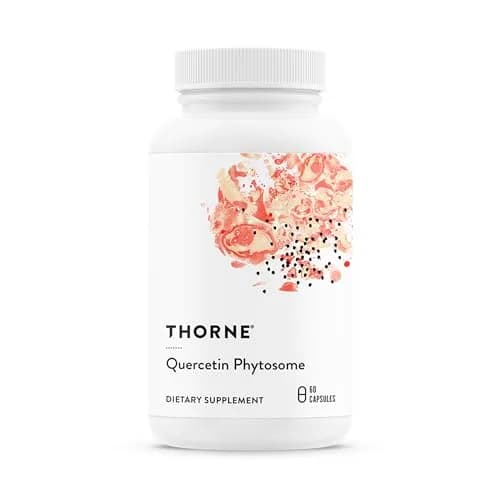
Thorne Quercetin Phytosome

Thorne Quercetin Phytosome

THORNE

9.4/10
Overall — best absorption via phytosome technology with NSF certification$0.77/serving
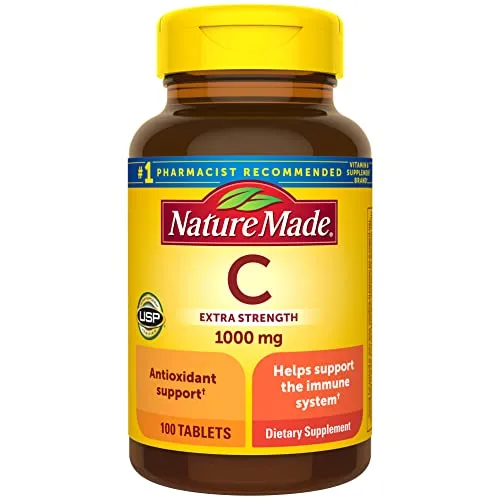
Nature Made Vitamin C 1000mg

Nature Made Vitamin C 1000mg

Nature Made

9/10
Overall best for most people$0.10/serving
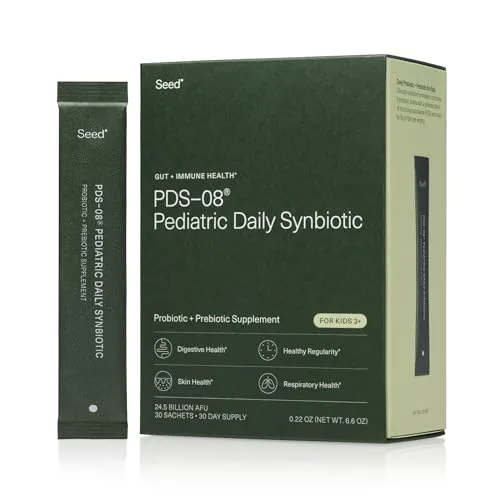
Seed PDS-08 Pediatric Daily Synbiotic

Seed PDS-08 Pediatric Daily Synbiotic

Seed

9/10
Comprehensive pediatric gut support with prebiotics and probiotics in one$1.33/serving

Detailed Ingredient Guides

Quercetin
Flavonoid / Senolytic
Quercetin is a flavonoid with dual senolytic and antioxidant properties. The dasatinib + quercetin protocol is the most studied senolytic in humans (Kirkland, 2019). As a standalone supplement, quercetin reduces inflammation, supports immunity, and shows anti-allergic effects. Standard dose is 500-1000mg daily.
Vitamin C
Vitamin
Vitamin C is essential for immune cell function, accumulating at high concentrations in neutrophils and lymphocytes. Meta-analyses show regular supplementation reduces cold duration by 8% in adults and 14% in children. Doses of 200mg-1g daily maintain optimal immune function; higher doses (1-2g) may help during acute illness.
Probiotics
Live Microorganisms
Probiotics are live beneficial bacteria that support gut health, immunity, and mood through the gut-brain axis. A 2018 meta-analysis found significant IBS symptom reduction with multi-strain probiotics. Benefits are strain-specific — choose based on your health goal. Typical dose: 10-50 billion CFU daily. Look for third-party tested products with guaranteed potency through expiration.
Stinging Nettle Root
Herbal Extract
Stinging nettle root extract may increase free testosterone by binding SHBG and is an approved phytotherapy for BPH in several European countries. At 300-600mg daily, it reduces urinary symptoms and is commonly combined with saw palmetto. Evidence is moderate for prostate health.
Bromelain
Proteolytic Enzyme
Bromelain at 500-2,000 GDU/day reduces post-surgical swelling by 50-70% and improves sinusitis symptoms. It works by modulating prostaglandins and degrading fibrin. Take on an empty stomach for systemic anti-inflammatory effects or with food for digestive support.
Spirulina
Superfood Algae
Spirulina is a nutrient-dense blue-green algae rich in phycocyanin, a potent antioxidant. Clinical trials show it reduces LDL cholesterol by ~16%, modulates immune response, and relieves allergic rhinitis symptoms. Standard dose is 1-3g daily, up to 8g in clinical settings.
Black Seed Oil
Seed Oil / Herbal Extract
Black seed oil (Nigella sativa) at 1-3g daily reduces CRP, blood sugar, and cholesterol. Thymoquinone is the key compound, inhibiting NF-kB and COX-2. Choose cold-pressed oil standardized to ≥2% thymoquinone. Well-studied in Middle Eastern and Asian clinical trials.
Bee Pollen
Bee Product
Bee pollen is a nutrient-dense bee product rich in proteins, flavonoids, and antioxidants. Emerging evidence supports anti-inflammatory and immune-modulating properties, though most research is preclinical. Standard dose is 3-5 teaspoons of granules daily.

Related Conditions

Related Research

Learn More

Frequently Asked Questions

What is the best natural antihistamine supplement?

Quercetin is considered the most effective natural antihistamine supplement. It works by stabilizing mast cells and preventing them from releasing histamine. A 2020 RCT found 500mg daily significantly reduced allergic rhinitis symptoms. For best results, take quercetin with vitamin C (which enhances its absorption and provides additional antihistamine effects) and bromelain (which improves quercetin bioavailability).

Evidence:Review (2016) · moderate confidence[#1]. See full reference list below.

Can vitamin C help with allergies?

Yes. Vitamin C acts as a natural antihistamine by enhancing histamine degradation. A 2018 study found high-dose vitamin C reduced blood histamine levels by 38%. At oral doses of 1-2g daily, vitamin C can reduce allergy symptoms, particularly nasal congestion and sneezing. It also supports immune regulation and reduces the inflammatory response associated with allergic reactions.

Do probiotics help with seasonal allergies?

A 2015 meta-analysis of 23 RCTs involving nearly 2,000 patients found probiotics significantly improved allergy-related quality of life scores. Lactobacillus strains (particularly L. rhamnosus and L. paracasei) appear most effective for allergic rhinitis. Probiotics help regulate Th1/Th2 immune balance, shifting away from the Th2-dominant response that drives allergic reactions. Allow 4-8 weeks for full effects.

How should I combine allergy supplements?

The most synergistic combination is quercetin (500mg twice daily) + vitamin C (1g daily) + bromelain (500mg daily). Vitamin C enhances quercetin absorption and has its own antihistamine properties, while bromelain improves quercetin bioavailability and has independent anti-inflammatory effects on nasal mucosa. Start supplements 2-4 weeks before allergy season for preventive benefit.

Continue Reading

References

  1. ReviewMlcek J, Jurikova T, Skrovankova S, Sochor J (2016). Quercetin and its anti-allergic immune response. Molecules. DOI PubMed
  2. ObservationalVollbracht C, Raithel M, Krick B, et al. (2018). Intravenous vitamin C in the treatment of allergies: an interim subgroup analysis of a long-term observational study. Journal of International Medical Research. DOI PubMed
  3. Meta-analysisGuevenc IA, Muluk NB, Mutlu FS, et al. (2016). Do probiotics have a role in the treatment of allergic rhinitis? A comprehensive systematic review and meta-analysis. American Journal of Rhinology & Allergy. DOI PubMed
  4. RCTMittman P (1990). Randomized, double-blind study of freeze-dried Urtica dioica in the treatment of allergic rhinitis. Planta Medica. DOI PubMed