SupplementScience

Best Supplements for Gout

Prevalence: 9.2 million US adults (3.9% of the population) — Arthritis Foundation / NHANES data

This content is for informational purposes only and does not constitute medical advice. Consult your healthcare provider before starting any supplement. Full disclaimer

TL;DR — Quick Answer

The most evidence-backed supplements for gout are tart cherry extract (which lowers uric acid and reduces flare risk by 35-45%), vitamin C (500mg daily shown to reduce uric acid by 0.35 mg/dL), and quercetin (500mg daily inhibits xanthine oxidase activity).

Overview

Gout is an inflammatory arthritis caused by the deposition of monosodium urate crystals in joints, most commonly the big toe. It affects approximately 9.2 million adults in the United States and is strongly associated with elevated serum uric acid levels. Several supplements have demonstrated urate-lowering or anti-inflammatory properties in clinical studies.
Top Evidence-Based Supplements for Gout

#SupplementTypical DoseEvidence
1Tart Cherry Extract480mg extract or 8 oz juice twice dailyModerate
2Vitamin C500mg dailyStrong
3Quercetin500mg dailyEmerging
4Omega-3 Fatty Acids1-2g EPA+DHA dailyModerate
5Turmeric / Curcumin500mg curcumin twice dailyEmerging

Top Product Picks

Our recommendations are based on published research, not commission rates. Some links below are affiliate links — we may earn a commission at no extra cost to you. How we evaluate products

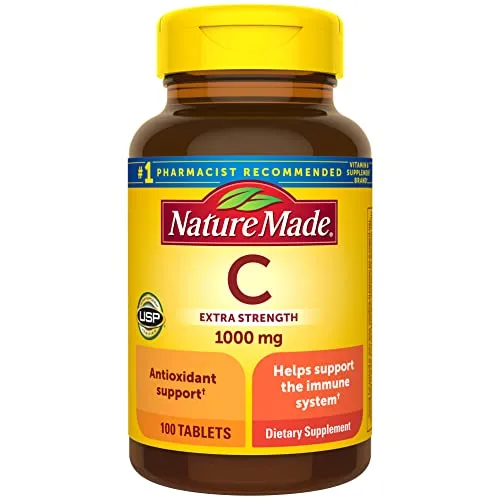
Nature Made Vitamin C 1000mg

Nature Made Vitamin C 1000mg

Nature Made

9/10
Overall best for most people$0.06/serving
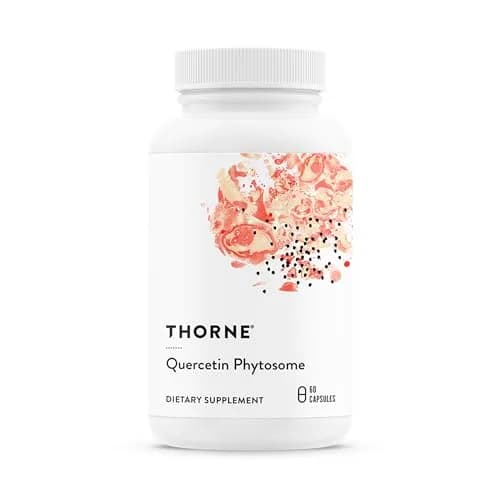
Thorne Quercetin Phytosome

Thorne Quercetin Phytosome

Thorne

9.4/10
Overall — best absorption via phytosome technology with NSF certification$0.52/serving
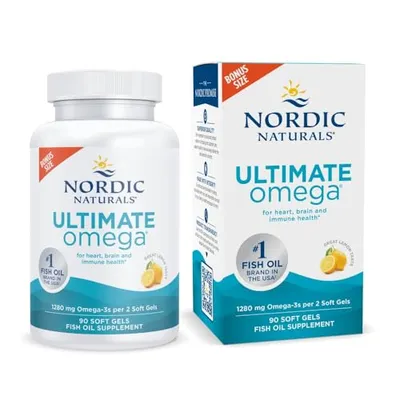
Nordic Naturals Ultimate Omega

Nordic Naturals Ultimate Omega

Nordic Naturals

9.4/10
Overall / General health$0.28/serving
Thorne Meriva-SF Curcumin Phytosome

Thorne Meriva-SF Curcumin Phytosome

Thorne

9.3/10
Overall best curcumin for joint and inflammation support$0.42/serving

Detailed Ingredient Guides

Tart Cherry
Polyphenol / Recovery
Tart cherry juice (8-12 oz of concentrate twice daily, or equivalent capsules) reduces muscle soreness by 13-23%, accelerates strength recovery, and lowers inflammatory markers after intense exercise (Howatson et al., 2010). It also contains natural melatonin that may improve sleep quality — a key recovery factor.
Vitamin C
Water-Soluble Vitamin
Vitamin C is a powerful antioxidant essential for immune function, collagen production, and iron absorption. A Cochrane meta-analysis of 29 trials found regular supplementation reduces cold duration by 8%. Most adults benefit from 500-2,000 mg daily, with the Linus Pauling Institute recommending at least 400 mg.
Quercetin
Bioflavonoid
Quercetin is a plant flavonoid with anti-inflammatory, immune-modulating, and senolytic properties. The phytosome form absorbs up to 20x better than standard quercetin. Typical doses are 500-1000mg daily (or 250-500mg as phytosome). It is commonly paired with vitamin C or bromelain to further enhance absorption and effects.
Omega-3
Essential Fatty Acid
Omega-3 fatty acids (EPA + DHA) reduce inflammation, support heart and brain health, and may improve mood. The REDUCE-IT trial showed high-dose EPA (4g/day) reduced cardiovascular events by 25%. Most adults benefit from 1,000-2,000mg combined EPA+DHA daily.
Turmeric / Curcumin
Plant Extract / Polyphenol
Curcumin is the primary bioactive in turmeric with strong evidence for reducing joint pain (comparable to ibuprofen in meta-analysis), lowering inflammatory markers, and supporting gut and brain health. Standard curcumin absorbs poorly (~1%); choose enhanced forms like Meriva phytosome (29x), Longvida (65x free curcumin), or piperine-boosted C3 Complex (20x) for clinically relevant blood levels. Typical effective dose: 500-1500mg curcumin daily with an absorption enhancer.

Frequently Asked Questions

Does tart cherry juice help with gout?

Yes. A prospective study of 633 gout patients published in Arthritis & Rheumatism found that cherry intake (whole fruit or extract) over a two-day period was associated with a 35% lower risk of gout attacks. Tart cherry contains anthocyanins that inhibit inflammatory pathways and may modestly reduce uric acid levels.

Can vitamin C lower uric acid levels?

A meta-analysis of 13 randomized controlled trials found that vitamin C supplementation (median dose 500mg/day) significantly reduced serum uric acid by 0.35 mg/dL. Vitamin C enhances renal uric acid excretion. While helpful for mild hyperuricemia, it should not replace urate-lowering therapy prescribed for diagnosed gout.

What natural anti-inflammatories help during a gout flare?

Omega-3 fatty acids (1-2g EPA+DHA) and curcumin (500mg twice daily) both reduce pro-inflammatory cytokines involved in gout flares. Tart cherry extract also provides acute anti-inflammatory benefits. These can complement, but should not replace, physician-directed flare management.

Should I take quercetin for gout?

Quercetin inhibits xanthine oxidase, the same enzyme targeted by the prescription drug allopurinol, though with weaker potency. A small RCT in hyperuricemic men showed 500mg daily reduced uric acid levels. Evidence is still emerging, but quercetin may be a useful adjunct for mild hyperuricemia.

References

  1. (). Cherry consumption and decreased risk of recurrent gout attacks. Arthritis & Rheumatism. DOI
  2. (). Effect of oral vitamin C supplementation on serum uric acid: a meta-analysis of randomized controlled trials. Arthritis Care & Research. DOI
  3. (). Quercetin lowers plasma uric acid in pre-hyperuricaemic males: a randomised, double-blinded, placebo-controlled, cross-over trial. British Journal of Nutrition. DOI
  4. (). Suppression of acute and chronic inflammation by dietary omega-3 fatty acids. Journal of Rheumatology.