Supplement ScienceSupplementScience
Inflammation

Best Supplements for Inflammation

Prevalence: Chronic inflammation underlies 7 of the top 10 causes of death in the US

·

This content is for informational purposes only and does not constitute medical advice. Statements about dietary supplements have not been evaluated by the FDA and are not intended to diagnose, treat, cure, or prevent any disease. Individual results may vary — consult your healthcare provider before starting any supplement. Full disclaimer

Turmeric (curcumin), omega-3 fatty acids, and beetroot are the three most evidence-backed anti-inflammatory supplements.

Turmeric (curcumin), omega-3 fatty acids, and beetroot are the three most evidence-backed anti-inflammatory supplements. Curcumin at 500-1,000mg daily (with piperine for absorption) has shown CRP reductions comparable to some NSAIDs in meta-analyses. Omega-3s at 2-3g EPA+DHA lower IL-6 and TNF-alpha, while beetroot reduces inflammation through nitric oxide and betalain pathways.

Get the free evidence-based Inflammation guide — delivered in 60 seconds.

No spam. Unsubscribe anytime.

Overview

Chronic low-grade inflammation is increasingly recognized as a root driver of heart disease, type 2 diabetes, neurodegenerative conditions, and certain cancers. Unlike acute inflammation — a healthy immune response to injury — chronic inflammation simmers silently for years. Diet, exercise, and targeted supplementation can measurably reduce inflammatory biomarkers such as CRP and IL-6.

Understanding Inflammation

Most people conflate all inflammation as bad, but that misunderstanding leads to counterproductive supplement strategies. Acute inflammation — the redness, swelling, and heat after an injury or infection — is a vital healing mechanism that you should not suppress. Chronic low-grade inflammation is the real problem: a persistent, systemic activation of inflammatory pathways that damages tissues over months and years without producing obvious symptoms. This "silent inflammation" is driven by factors including visceral adiposity (fat tissue actively secretes pro-inflammatory cytokines like IL-6 and TNF-alpha), chronic psychological stress (which activates NF-kB signaling), excessive omega-6 to omega-3 fatty acid ratios in modern diets (often 15:1 or higher versus the evolutionary 1:1-4:1 ratio), and environmental toxin exposure. The result is elevated levels of biomarkers like high-sensitivity C-reactive protein (hs-CRP), interleukin-6, and TNF-alpha — all of which are independently associated with increased risk of cardiovascular disease, type 2 diabetes, Alzheimer's disease, and certain cancers. The most effective anti-inflammatory supplements work by interrupting specific molecular pathways (NF-kB, COX-2, LOX-5) rather than broadly suppressing immune function, which distinguishes them from immunosuppressant drugs.

What the Research Shows

Curcumin is the most extensively studied natural anti-inflammatory compound, with over 120 randomized controlled trials examining its effects on inflammatory biomarkers. Sahebkar et al. (2016) conducted a systematic review and meta-analysis of 16 RCTs and found that curcumin supplementation significantly reduced both CRP (p<0.001) and IL-6 levels compared to placebo across diverse populations including metabolic syndrome, arthritis, and obesity. A separate meta-analysis by Derosa et al. (2016) confirmed significant TNF-alpha reductions. The mechanism is multi-targeted: curcumin inhibits NF-kB (the master transcription factor for inflammatory gene expression), blocks COX-2 and LOX-5 enzyme activity (the same pathways targeted by NSAIDs), and scavenges reactive oxygen species that amplify inflammatory signaling. Critically, curcumin's anti-inflammatory effects are dose-dependent and absorption-dependent. Standard curcumin has less than 1% oral bioavailability, but formulations using piperine (BioPerine) increase absorption by 2,000% according to Shoba et al. (1998), while phospholipid complexes (Meriva) improve it by 29-fold. Effective doses in clinical trials typically range from 500-1,000mg daily of bioavailable curcumin. Omega-3 fatty acids address inflammation through a fundamentally different and complementary mechanism. EPA and DHA do not merely suppress inflammatory mediator production — they are converted into specialized pro-resolving mediators (SPMs) including resolvins, protectins, and maresins that actively promote the resolution of inflammation. This is a critical distinction: curcumin blocks inflammatory initiation, while omega-3-derived SPMs accelerate its resolution. Calder (2017) published a comprehensive review in Biochemical Society Transactions detailing how omega-3 supplementation at 2-3g EPA+DHA daily significantly reduces TNF-alpha, IL-6, and CRP in chronic inflammatory conditions. The REDUCE-IT cardiovascular trial demonstrated that high-dose EPA (4g/day of icosapent ethyl) reduced cardiovascular events by 25% — an effect largely attributed to its anti-inflammatory properties, as the reduction was independent of triglyceride lowering. Beetroot contains betalains — nitrogen-containing pigments with potent anti-inflammatory and antioxidant properties. Clinical trials show beetroot supplementation reduces NF-kB activity (the central inflammatory switch) and lowers CRP by up to 19% in overweight adults. Clifford et al. (2015) demonstrated that beetroot juice supplementation reduced markers of inflammation and oxidative stress in a controlled trial of healthy volunteers following eccentric exercise. The nitric oxide pathway also contributes: dietary nitrate from beetroot is converted to nitric oxide, which has anti-inflammatory effects on vascular endothelium.

What to Look For in Supplements

For curcumin, a bioavailable formulation is non-negotiable — standard turmeric powder or curcumin extract has negligible absorption. The three most validated delivery systems are: BioPerine/piperine co-administration (cheapest option, well-studied), Meriva (curcumin-phospholipid complex with 29x improved bioavailability), and Longvida (lipidated curcumin optimized for brain penetration). Avoid products that list only "turmeric" without specifying curcuminoid content — turmeric powder is only 2-5% curcuminoids. For omega-3, total EPA+DHA per serving is the critical metric. Choose triglyceride-form (not ethyl ester) fish oil verified by IFOS for oxidation levels and heavy metal content. For beetroot, concentrated juice or standardized extract providing quantified betalain content is more reliable than whole beetroot powder.

What Doesn't Work (And Why)

Generic "turmeric" supplements without standardized curcumin content or bioavailability enhancement provide negligible anti-inflammatory benefit. Turmeric root powder is only 2-5% curcuminoids, and even those curcuminoids are almost entirely unabsorbed without a delivery system. This means a standard 500mg turmeric capsule delivers effectively zero curcumin to your bloodstream. Boswellia (frankincense) has some promising preliminary evidence but lacks the meta-analytic depth of curcumin or omega-3 — most positive trials are small and industry-funded. Ginger supplements have modest anti-inflammatory effects in clinical trials but with much smaller effect sizes than curcumin, and the evidence is inconsistent across preparations. Resveratrol generated enormous excitement after animal studies, but a systematic review by Sahebkar et al. (2015) found that resveratrol supplementation did not significantly reduce CRP in human trials. CBD oil is frequently marketed as an anti-inflammatory, but human trials for systemic inflammation are sparse and poorly controlled, with most evidence extrapolated from preclinical models using doses far exceeding what consumers typically take.

Combination Protocol

The comprehensive anti-inflammatory stack combines curcumin (500-1,000mg of a bioavailable form like Meriva or with BioPerine, taken with a fat-containing meal), omega-3 fish oil (2-3g combined EPA+DHA, split into two daily doses with meals), and beetroot extract or concentrated juice (500mg extract or 250ml juice daily). Curcumin inhibits inflammatory initiation through NF-kB and COX-2. Omega-3s generate specialized pro-resolving mediators that accelerate inflammation resolution. Beetroot provides additional NF-kB inhibition plus nitric oxide-mediated vascular anti-inflammatory effects. This three-pronged approach targets inflammation at multiple stages and through distinct molecular pathways. Monitor progress by testing hs-CRP levels at baseline and after 8-12 weeks — a meaningful reduction (below 1.0 mg/L) confirms the protocol is working.

Top Evidence-Based Supplements for Inflammation

#SupplementTypical DoseEvidence
1Turmeric (Curcumin)500-1,000mg curcumin with piperine dailyStrong
See top turmeric (curcumin) picks →
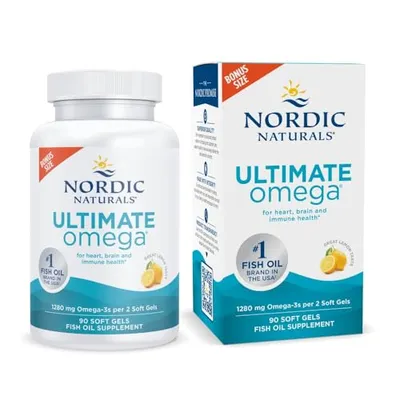
2Omega-3 Fatty Acids (EPA/DHA)2-3g combined EPA+DHA dailyStrong
See top omega-3 fatty acids (epa/dha) picks →
3Beetroot250-500ml juice or 500mg extract dailyModerate
See top beetroot picks →

Top Product Picks

As an Amazon Associate, we earn from qualifying purchases. Some links below are affiliate links — this doesn't affect our editorial independence or product ratings. How we evaluate products

Peak Performance Theracurmin

Peak Performance Theracurmin

Peak Performance

8/10
Daily anti-inflammatory support for active RA patients seeking the most bioavailable curcumin form on the market$0.33/serving
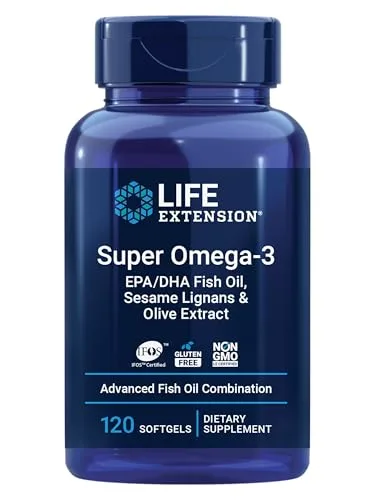
Sports Research Triple Strength Omega-3

Sports Research Triple Strength Omega-3

Sports Research

9.1/10
Heart health / EPA-predominant$0.31/serving
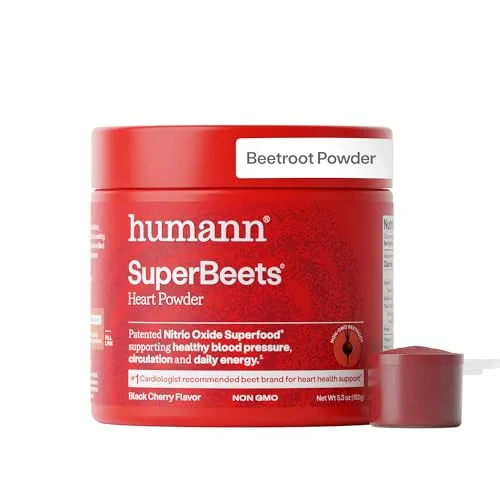
HumanN SuperBeets Black Cherry Powder

HumanN SuperBeets Black Cherry Powder

Humann

8.9/10
Clinically studied beet root for blood pressure$1.27/serving

Detailed Ingredient Guides

Turmeric / Curcumin
Plant Extract / Polyphenol
Curcumin is the primary bioactive in turmeric with strong evidence for reducing joint pain (comparable to ibuprofen in meta-analysis), lowering inflammatory markers, and supporting gut and brain health. Standard curcumin absorbs poorly (~1%); choose enhanced forms like Meriva phytosome (29x), Longvida (65x free curcumin), or piperine-boosted C3 Complex (20x) for clinically relevant blood levels. Typical effective dose: 500-1500mg curcumin daily with an absorption enhancer.
Omega-3
Essential Fatty Acid
Omega-3 fatty acids (EPA + DHA) reduce inflammation, support heart and brain health, and may improve mood. The REDUCE-IT trial showed high-dose EPA (4g/day) reduced cardiovascular events by 25%. Most adults benefit from 1,000-2,000mg combined EPA+DHA daily.
Beet Root
Superfood / Nitric Oxide Booster
Beet root is a potent source of dietary nitrate that the body converts to nitric oxide, lowering blood pressure by 3-10 mmHg and improving exercise endurance by 3-5%. Take 300-500mg dietary nitrate daily (equivalent to ~5-7g powder) for cardiovascular and performance benefits.
Spirulina
Superfood Algae
Spirulina is a nutrient-dense blue-green algae rich in phycocyanin, a potent antioxidant. Clinical trials show it reduces LDL cholesterol by ~16%, modulates immune response, and relieves allergic rhinitis symptoms. Standard dose is 1-3g daily, up to 8g in clinical settings.
Chlorella
Superfood Algae
Chlorella is a nutrient-dense freshwater algae with unique detoxification properties and immune-stimulating Chlorella Growth Factor (CGF). Clinical trials show it activates NK cells, may reduce cholesterol, and supports liver function. Standard dose is 2-3g daily, up to 10g in studies.
Moringa
Herbal Supplement
Moringa is a nutrient-dense plant with emerging evidence for reducing inflammation, lowering blood sugar, and supporting immune function. Take 3-5g of leaf powder or 150-500mg of standardized extract daily. Results typically appear within 2-4 weeks for blood sugar effects.
Krill Oil
Omega-3 Supplement
Krill oil provides phospholipid-bound omega-3s (EPA and DHA) with up to 68% better cell membrane incorporation than fish oil triglycerides. At 1-3g daily, it supports heart health, reduces inflammation, lowers triglycerides, and relieves PMS symptoms. Natural astaxanthin prevents rancidity.
Black Seed Oil
Seed Oil / Herbal Extract
Black seed oil (Nigella sativa) at 1-3g daily reduces CRP, blood sugar, and cholesterol. Thymoquinone is the key compound, inhibiting NF-kB and COX-2. Choose cold-pressed oil standardized to ≥2% thymoquinone. Well-studied in Middle Eastern and Asian clinical trials.
Boswellia
Herbal Extract
Boswellia serrata extract (standardized to AKBA) at 300-500mg daily reduces joint pain and inflammation by inhibiting 5-LOX enzyme. Clinical trials show significant improvement in osteoarthritis symptoms within 1-2 weeks. Choose extracts standardized to ≥30% boswellic acids.
Bromelain
Proteolytic Enzyme
Bromelain at 500-2,000 GDU/day reduces post-surgical swelling by 50-70% and improves sinusitis symptoms. It works by modulating prostaglandins and degrading fibrin. Take on an empty stomach for systemic anti-inflammatory effects or with food for digestive support.
Cat's Claw
Herbal Extract
Cat's claw extract at 60-350mg daily reduces joint pain in osteoarthritis and rheumatoid arthritis. It inhibits NF-kB and TNF-alpha production. Choose extracts standardized to pentacyclic oxindole alkaloids (POAs). Evidence is emerging but promising.
Collagen Peptides
Amino Acid
Collagen peptides provide the amino acids (glycine, proline, hydroxyproline) needed for skin, joint, and connective tissue repair. At 5-15 g/day, clinical trials show reduced wrinkles, improved joint pain, and enhanced tendon recovery. Type I and III support skin; Type II targets joints.
Devil's Claw
Herbal Extract
Devil's claw extract providing 50-100mg harpagosides daily reduces lower back pain and OA symptoms comparably to some NSAIDs. Approved by German Commission E for musculoskeletal pain. Choose products standardized to ≥2% harpagosides.
Ginger
Herbal Extract
Ginger extract at 250-1,000mg daily reduces osteoarthritis pain by ~30% and lowers inflammatory markers including CRP and IL-6. It inhibits both COX-2 and 5-LOX pathways. Also highly effective for nausea. Choose standardized extracts with ≥5% gingerols.
Green Tea Extract
Polyphenol
Green tea extract (250-500mg EGCG daily) reduces CRP, IL-6, and oxidative stress markers. EGCG inhibits NF-kB and COX-2 while boosting antioxidant defenses. Also supports fat oxidation and metabolic health. Choose decaffeinated extracts if caffeine-sensitive.
L-Arginine
Amino Acid
L-Arginine boosts nitric oxide production, supporting blood flow and cardiovascular health. Meta-analyses show 3-6 g/day can lower blood pressure by 5-7 mmHg systolic. However, L-Citrulline may be more effective at sustaining elevated plasma arginine due to better oral bioavailability.
L-Glutathione
Amino Acid
L-Glutathione is the body's master antioxidant, essential for detoxification and immune function. Liposomal and S-acetyl forms have improved oral bioavailability compared to standard reduced glutathione. At 250-1000 mg/day, it supports liver health, skin brightening, and immune defense.
Omega-3 Fish Oil
Essential Fatty Acid
Omega-3 fish oil (EPA + DHA) at 2-4g daily reduces inflammatory markers like CRP by 15-30% and triglycerides by 15-25%. EPA is the primary anti-inflammatory component. Choose a product providing at least 1g combined EPA/DHA per serving for meaningful benefits.
Palmitoylethanolamide (PEA)
Endocannabinoid-like Lipid
PEA at 300-1,200mg daily reduces chronic and neuropathic pain by 40-60% in clinical trials. It works through PPAR-alpha activation and mast cell stabilization — not through opioid or cannabinoid receptors. Micronized forms have better absorption. Very safe with no known drug interactions.
Serrapeptase
Proteolytic Enzyme
Serrapeptase at 10-60mg (60,000-120,000 SPU) daily may reduce post-surgical swelling, sinusitis symptoms, and inflammatory pain. It works by degrading fibrin and inflammatory proteins. Evidence is emerging — take on an empty stomach for systemic absorption.
White Willow Bark
Herbal Extract
White willow bark providing 120-240mg salicin daily reduces lower back pain and OA symptoms. It acts like a gentler, slower-acting aspirin with added polyphenol benefits. Effects take 1-2 weeks to develop. Not suitable for aspirin-allergic individuals.
Wheatgrass
Superfood Grass
Wheatgrass is a chlorophyll-rich young grass with antioxidant and anti-inflammatory properties. Preliminary clinical evidence shows potential benefits for anemia, ulcerative colitis, and blood sugar regulation, though large-scale trials are lacking.
Bee Pollen
Bee Product
Bee pollen is a nutrient-dense bee product rich in proteins, flavonoids, and antioxidants. Emerging evidence supports anti-inflammatory and immune-modulating properties, though most research is preclinical. Standard dose is 3-5 teaspoons of granules daily.
Cod Liver Oil
Fish Oil
Cod liver oil provides a unique combination of omega-3s (EPA/DHA), vitamin A, and vitamin D3 in a single supplement. Strong evidence supports benefits for bone health, moderate evidence for cardiovascular protection and immune function.
Flaxseed Oil
Plant Oil
Flaxseed oil provides 7.3g ALA omega-3 per tablespoon, the richest plant source. At 1-2 tablespoons daily, it modestly reduces blood pressure, improves cholesterol ratios, supports skin hydration, and lowers inflammatory markers — though conversion to EPA/DHA is limited to 5-10%.
Hemp Seed Oil
Plant Oil
Hemp seed oil provides an optimal 3:1 omega-6 to omega-3 ratio with anti-inflammatory gamma-linolenic acid (GLA). At 1-2 tablespoons daily, it supports skin health, reduces eczema symptoms, lowers inflammatory markers, and provides cardiovascular benefits — all without THC or CBD.
Fish Oil
Omega-3 Supplement
Fish oil provides preformed EPA and DHA omega-3s — the gold standard for cardiovascular, brain, and anti-inflammatory support. At 1-3g combined EPA+DHA daily, it reduces triglycerides by 15-30%, lowers inflammation, supports cognitive function, and improves joint pain. High-dose EPA reduces cardiovascular events by 25%.

Related Conditions

Related Research

Learn More

Frequently Asked Questions

What is the best natural supplement for chronic inflammation?

Curcumin (the active compound in turmeric) has the broadest anti-inflammatory evidence, with a systematic review and meta-analysis of randomized controlled trials showing significant reductions in circulating IL-6 concentrations versus placebo [1]. To maximize absorption, look for formulations that include piperine (black pepper extract) or use a bioavailable form like Meriva or Longvida. A typical effective dose is 500-1,000mg daily.

Evidence:Meta-analysis (2016) · high confidence[#1]. See full reference list below.

Can I tell if I have chronic inflammation?

A high-sensitivity C-reactive protein (hs-CRP) blood test is the most common way to check for systemic inflammation. Levels above 3.0 mg/L are considered high risk. Other markers include IL-6, TNF-alpha, and fibrinogen. If your hs-CRP is elevated, lifestyle changes — particularly diet, exercise, and targeted supplementation — can meaningfully lower it within 8-12 weeks.

Can I take turmeric and omega-3 together?

Yes, combining curcumin and omega-3s is safe and may be synergistic. They target different inflammatory pathways: curcumin inhibits NF-kB and COX-2, while omega-3s produce anti-inflammatory resolvins and protectins. Several researchers have noted that combining both provides broader inflammatory coverage than either alone.

Continue Reading

References

  1. Meta-analysisDerosa G, Maffioli P, Simental-Mendía LE, Bo S, Sahebkar A (2016). Effect of curcumin on circulating interleukin-6 concentrations: A systematic review and meta-analysis of randomized controlled trials. Pharmacological Research. DOI PubMed
  2. ReviewCalder PC (2017). Omega-3 fatty acids and inflammatory processes: from molecules to man. Biochemical Society Transactions. DOI PubMed