SupplementScience
Beet Root supplement
Superfood / Nitric Oxide Booster

Beet Root: Benefits, Dosage, Forms & Research

Superfood / Nitric Oxide Booster

DJP
Reviewed by , MD, Board Certified Internal Medicine

This content is for informational purposes only and does not constitute medical advice. Consult your healthcare provider before starting any supplement. Full disclaimer

TL;DR — Quick Answer

Beet root is a potent source of dietary nitrate that the body converts to nitric oxide, lowering blood pressure by 3-10 mmHg and improving exercise endurance by 3-5%. Take 300-500mg dietary nitrate daily (equivalent to ~5-7g powder) for cardiovascular and performance benefits.

Key Facts

  • What it is: A root vegetable rich in inorganic nitrate, converted to nitric oxide (NO) in the body
  • Primary benefits:
    • Lowers blood pressure via nitric oxide
    • Improves exercise endurance by 3-5%
    • Enhances blood flow and oxygen delivery
    • Rich in antioxidants (betalains)
    • Anti-inflammatory properties
  • Typical dosage: 300-500mg dietary nitrate daily (5-7g powder)
  • Evidence level: Strong
  • Safety: Generally Safe

What the Research Says

Beet root supplementation has strong clinical evidence, particularly for cardiovascular and exercise outcomes. Siervo et al. (2013) conducted a systematic review and meta-analysis demonstrating significant blood pressure reduction with beetroot juice supplementation. Dominguez et al. (2017) confirmed cardiorespiratory endurance improvements in athletes, with beetroot juice extending time to exhaustion by 3-5%. A 2018 systematic review by Bonilla Ocampo et al. reinforced these findings, concluding that dietary nitrate from beetroot juice is an effective non-pharmacological strategy for hypertension management.

Benefits of Beet Root

  • Blood pressure reduction — a 2013 meta-analysis of 16 trials found beet root supplementation reduced systolic blood pressure by 3-10 mmHg via nitric oxide-mediated vasodilation
  • Exercise endurance — a 2017 systematic review found beetroot juice supplementation improved cardiorespiratory endurance by 3-5% and extended time to exhaustion in athletes
  • Blood flow and oxygen delivery — dietary nitrate increases nitric oxide production, improving vascular function and tissue oxygenation, particularly beneficial during exercise
  • Antioxidant protection — betalains (the red pigments in beets) have potent antioxidant and anti-inflammatory activity, reducing oxidative stress markers in clinical studies
  • Anti-inflammatory effects — beetroot supplementation has been shown to reduce markers of systemic inflammation including CRP and IL-6 in controlled trials

Forms of Beet Root

FormBioavailabilityBest For
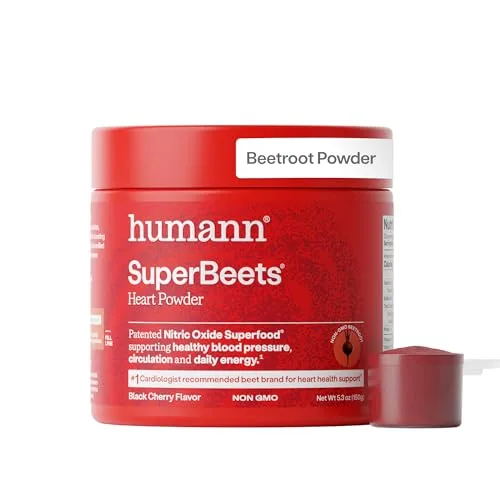
Beet Root PowderHighDaily supplementation — concentrated, easy to mix, standardized nitrate content
Beet Root Juice/ConcentrateHighPre-workout — fast absorption, most studied form in exercise trials
Beet Root CapsulesModerate-HighConvenience — no taste, standardized dosing, portable
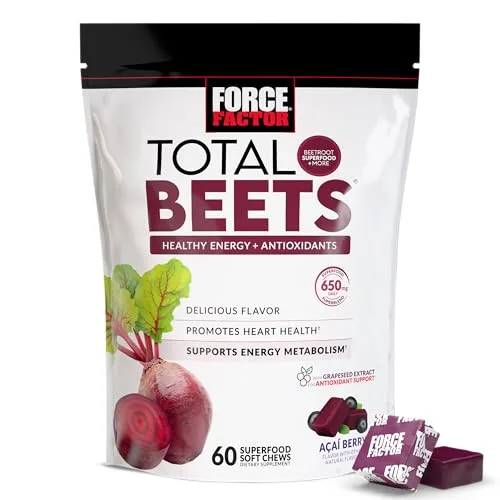
Beet Root GummiesModeratePalatability — flavored option for those who dislike beet taste
Freeze-Dried Beet RootHighNutrient preservation — retains more betalains than heat-processed forms

Dosage Recommendations

General recommendation: 300-500mg dietary nitrate daily (equivalent to ~2 cups juice or 5-7g powder)

Timing: 2-3 hours before exercise for performance benefits; any time for blood pressure support

Dosage by Condition

ConditionRecommended DoseEvidence
Blood pressure300-500mg dietary nitrate daily for 4+ weeksStrong
Exercise performance400-500mg nitrate 2-3 hours before exerciseStrong
General cardiovascular health300mg dietary nitrate dailyModerate
Antioxidant support5-7g beet root powder dailyModerate

Upper limit: No established upper limit for dietary nitrate from beet root; doses up to 800mg nitrate studied safely

Side Effects and Safety

Safety profile: Generally Safe

Potential Side Effects

  • Beeturia — harmless red or pink discoloration of urine (affects ~10-14% of people)
  • Red discoloration of stools (harmless)
  • Mild GI discomfort at high doses
  • May lower blood pressure too much in hypotensive individuals
  • Potential kidney stone risk in those with oxalate sensitivity (beets are high in oxalates)

Drug & Supplement Interactions

  • Blood pressure medications — additive hypotensive effect; monitor BP closely
  • PDE5 inhibitors (Viagra, Cialis) — both increase nitric oxide; combined use may cause excessive vasodilation
  • Blood thinners — beet root has mild antiplatelet properties
BenefitsDosage GuideSide EffectsTypes & FormsResearchFAQ

Related Conditions

Related Research

Related Supplements

Looking for the best beet root supplement?

We analyzed and ranked the top products based on form, dosage, third-party testing, and value.

See Our Top Picks

Frequently Asked Questions

Does beet root really lower blood pressure?

Yes. Multiple meta-analyses confirm that beet root supplementation reduces systolic blood pressure by 3-10 mmHg. The mechanism is well-understood: dietary nitrate is converted to nitric oxide, which relaxes blood vessel walls and improves blood flow. Effects are typically seen within 2-3 hours of ingestion and persist with daily supplementation.

When should I take beet root for exercise?

2-3 hours before exercise to allow for the nitrate-to-nitrite-to-nitric oxide conversion pathway. Peak nitric oxide levels occur approximately 2-3 hours after ingestion. For chronic benefits (blood pressure, vascular health), daily supplementation at any time is effective.

Is beet root powder as effective as beet juice?

Research shows concentrated beet root powder delivers equivalent nitrate content in a more convenient form. The key factor is the dietary nitrate dose (300-500mg), not the delivery method. Powder supplements are often standardized to a specific nitrate content, making dosing more precise than juice.

References

  1. (). Inorganic nitrate and beetroot juice supplementation reduces blood pressure in adults: a systematic review and meta-analysis. Journal of Nutrition. DOI
  2. (). Effects of beetroot juice supplementation on cardiorespiratory endurance in athletes. A systematic review. Nutrients. DOI
  3. (). Dietary Nitrate from Beetroot Juice for Hypertension: A Systematic Review. Biomolecules. DOI