Supplement ScienceSupplementScience
Greens Powder supplement
Superfood Blend

Greens Powder — Research Profile

Evidence:Emerging
·

This content is for informational purposes only and does not constitute medical advice. Statements about dietary supplements have not been evaluated by the FDA and are not intended to diagnose, treat, cure, or prevent any disease. Individual results may vary — consult your healthcare provider before starting any supplement. Full disclaimer

Greens powders deliver concentrated phytonutrients from spirulina, chlorella, wheatgrass, and other green superfoods.

Greens powders deliver concentrated phytonutrients from spirulina, chlorella, wheatgrass, and other green superfoods. A 2009 study found a greens blend increased blood antioxidant levels by 30%. Look for formulas with digestive enzymes, probiotics, and minimal added sugar. Standard dosing is 5-12g powder daily (1 scoop).

Bottom line: Greens powders are useful nutritional insurance if you struggle to eat enough vegetables. Choose formulas with transparent dosing, digestive enzymes, and third-party testing.

Evidence:RCT (2011) · n=10 · low confidence[#1]. See full reference list below.

Key Facts

What it is
A concentrated powder blend of green vegetables, algae, and grasses with added digestive support
Primary benefits
  • Boosts daily micronutrient and phytonutrient intake
  • Provides alkalizing minerals (magnesium, potassium)
  • Supports detoxification via chlorophyll and chlorella
  • Digestive support from enzymes and probiotics
  • Convenient way to increase vegetable servings
Typical dosage
5-12g powder daily (1 scoop)
Evidence level
Emerging
Safety profile
Generally Safe

Get the free evidence-based Greens Powder guide — delivered in 60 seconds.

No spam. Unsubscribe anytime.

What the Research Says

While large-scale clinical trials on greens powder blends as finished products are limited, the individual ingredients have substantial research backing. Rao et al. (2009) found that a commercial greens supplement increased antioxidant capacity and reduced lipid peroxidation over 90 days. Spirulina has been extensively studied, with a 2010 systematic review by Deng & Chow confirming its antioxidant, anti-inflammatory, and lipid-lowering properties. Chlorella supplementation has demonstrated heavy metal detoxification capacity and immune modulation in clinical studies. The synergistic effects of combining multiple green superfoods are supported by the food synergy concept, though more research on specific blended formulations is needed.
Benefits of Greens Powder

  • Micronutrient density — a single scoop of quality greens powder delivers concentrated phytonutrients from 20-40 ingredients, providing carotenoids, flavonoids, and chlorophyll that many diets lack
  • Antioxidant support — a 2009 study by Rao et al. found that daily greens powder supplementation significantly increased blood antioxidant capacity and reduced oxidative stress markers over 90 days
  • Alkalizing effect — greens powders are rich in alkalizing minerals (magnesium, potassium, calcium) from leafy green concentrates, which may help buffer the acid load of typical Western diets
  • Digestive health — many greens formulations include prebiotic fiber (inulin), digestive enzymes (bromelain, amylase, lipase), and probiotics that support gut microbiome diversity and nutrient absorption
  • Detoxification support — chlorella and spirulina have demonstrated heavy metal-binding properties in animal and human studies, while chlorophyll from wheatgrass supports the body's phase II detoxification enzymes

Our Top Greens Powder Picks

As an Amazon Associate, we earn from qualifying purchases. Some links below are affiliate links — this doesn't affect our editorial independence or product ratings. How we evaluate products

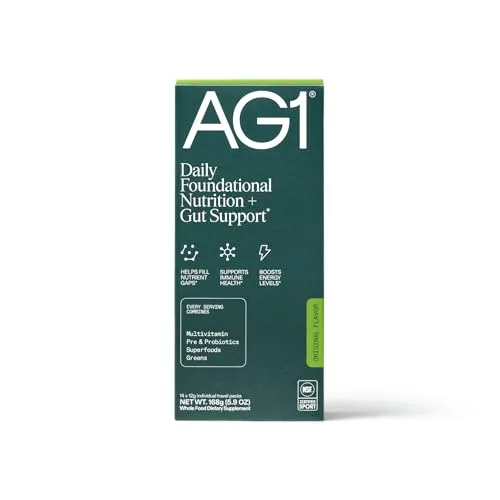
Athletic Greens AG1
Athletic Greens AG1
AG1
#1 Top Pick
OverallForm: PowderPrice: $1.50/serving
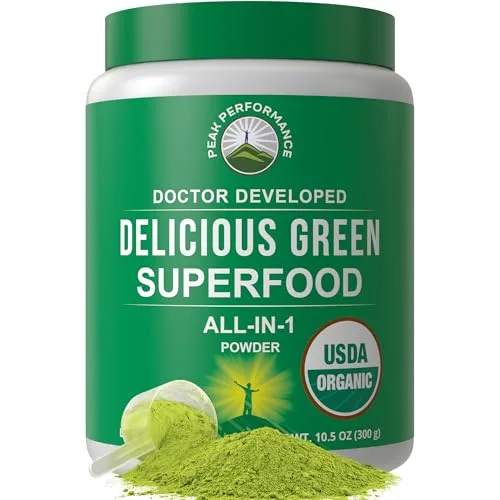
Peak Performance Greens Superfood Powder
Peak Performance
OrganicForm: PowderPrice: $1.47/serving
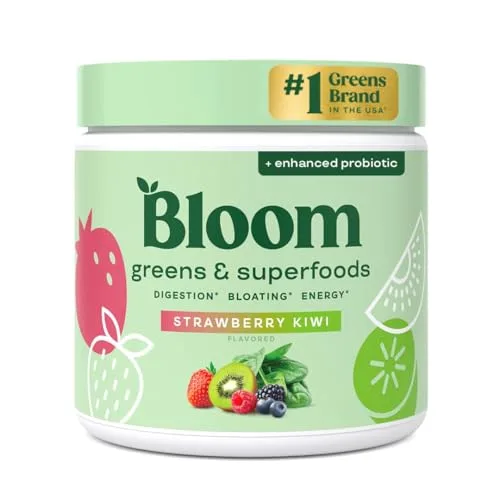
Bloom Greens & Superfoods
Bloom Nutrition
Budget / Best TasteForm: PowderPrice: $1.17/serving
Did you know?

While large-scale clinical trials on greens powder blends as finished products are limited, the individual ingredients have substantial research backing.

Forms of Greens Powder

Greens Powder supplement forms compared by bioavailability and best use
FormBioavailabilityBest For
Powder Blend (Mix with Water)Moderate-HighDaily use — most popular form, versatile mixing, typically the best value per serving
CapsulesModerateConvenience and travel — pre-measured doses, no mixing, but requires many capsules for equivalent serving
Travel PacketsModerate-HighOn-the-go — single-serving packets for travel, gym, and office use
Greens + Collagen BlendModerate-HighMulti-benefit — combines greens phytonutrients with collagen peptides for skin and joint support

Dosage Recommendations

General recommendation: 5-12g powder daily (1 scoop), mixed with water or blended into a smoothie

Timing: Morning on an empty stomach or with breakfast for best absorption; some people prefer pre-lunch for an afternoon energy boost

Dosage by Condition

Daily micronutrient boost
5-8g powder dailyEmerging
Antioxidant support
8-12g powder dailyEmerging
Digestive support
5-10g daily with a probiotic-containing formulaEmerging

Upper limit: Follow manufacturer recommendations; typically 1-2 scoops daily

Side Effects and Safety

Safety profile: Generally Safe

Potential Side Effects

  • Bloating and gas during initial adjustment (1-2 weeks), especially from fiber and probiotic content
  • Green discoloration of stools (harmless, from chlorophyll)
  • Mild nausea if taken on an empty stomach in sensitive individuals
  • Possible allergic reaction to specific ingredients (wheatgrass, spirulina)
  • Grassy or earthy taste may be unpalatable for some users

Drug & Supplement Interactions

  • Blood thinners (warfarin) — some greens powders contain vitamin K from green vegetables; check labels and maintain consistent intake
  • Thyroid medications — seaweed ingredients (kelp) in some formulas may affect iodine intake; separate dosing by 2+ hours
  • Immunosuppressants — spirulina and chlorella may stimulate immune function; consult physician

Do not exceed: Follow manufacturer recommendations; typically 1-2 scoops daily

Check Greens Powder interactions with other supplements →
BenefitsDosage GuideSide EffectsTypes & FormsResearchFAQ

Related Conditions

Commonly Taken Together

Related Guides

Related Supplements

Learn More

Looking for the best greens powder supplement?

We analyzed and ranked the top products based on form, dosage, third-party testing, and value.

See Our Top Picks

Frequently Asked Questions

Can greens powder replace eating vegetables?

No. Greens powders lack the fiber, water content, and full micronutrient matrix of whole vegetables. They also cannot replicate the satiety, texture, and gut-filling benefits of eating actual produce. Think of greens powder as nutritional insurance — a concentrated phytonutrient boost that complements (not replaces) a whole-food diet. That said, if you consistently struggle to eat enough vegetables, a daily greens powder is meaningfully better than nothing.

What should I look for in a greens powder?

Prioritize formulas with clinically studied ingredients (spirulina, chlorella, wheatgrass) at meaningful doses — avoid proprietary blends that hide individual amounts. Look for added digestive enzymes and probiotics for absorption support. Third-party testing for heavy metals is critical since algae and grasses can accumulate contaminants. Avoid products with excessive added sugar, artificial sweeteners, or fillers. Transparency about individual ingredient doses is a major quality indicator.

Should I take greens powder and reds powder?

They serve different purposes and work well together. Greens powders focus on alkalizing minerals, chlorophyll, and digestive support from leafy greens and algae. Reds powders focus on antioxidant polyphenols, anthocyanins, and nitric oxide from berries and beets. Using both covers a broader spectrum of phytonutrient classes. Many people take greens in the morning for energy and digestion, and reds pre-workout or in the afternoon for blood flow and antioxidant protection.

What is the best form of Greens Powder to take?

Powder is the standard form and lets you use a full serving of concentrated ingredients, while capsules deliver far less per pill and are impractical for the same dose. No study has compared powder against capsules or against simply eating vegetables for any health outcome, so "best form" comes down to whether you will actually take it. Mixing the powder into water or a smoothie is typical; there is no evidence a particular delivery form changes absorption of a blend.

What are the proven benefits of Greens Powder?

Proven clinical benefits are minimal: the strongest human data is a single 10-person trial of one blend showing higher blood antioxidant capacity and reduced oxidative markers after 4 weeks, not improvements in any disease or symptom. Component reviews of spirulina and chlorella describe antioxidant and lipid effects, but these rest largely on preclinical and small, limited human studies rather than robust trials. A greens powder is best viewed as a convenience supplement, not a proven substitute for eating vegetables.

Evidence:RCT (2011) · n=10 · low confidence[#1]. See full reference list below.

How much Greens Powder should I take per day?

No evidence-based daily dose exists; in practice you follow the product's label serving, usually one scoop, because formulas differ too much to generalize. The one controlled trial used 3 to 6 teaspoons of a specific blend per day, with the antioxidant effect larger at the higher intake, but that figure applies only to that product. Starting at the low end of the label and increasing gradually helps limit the bloating and gas that concentrated fiber can cause.

Evidence:RCT (2011) · n=10 · low confidence[#1]. See full reference list below.

When is the best time to take Greens Powder?

No study has compared morning versus evening or with-food versus fasting intake for a greens powder, so there is no evidence-based best time. People often take it in the morning simply out of routine. If it upsets your stomach, taking it with a meal rather than on an empty stomach is a reasonable adjustment.

What are the side effects of Greens Powder?

The most common complaints are digestive: bloating, gas, and loose stools from the concentrated fiber and plant matter, plus a strong grassy taste some people dislike. Algae-based blends occasionally cause nausea and carry the added concern of contamination—microcystins and trace metals such as aluminum, lead, and cadmium that spirulina and chlorella bioaccumulate—when products are not third-party tested. Serious reactions are uncommon, but the vitamin K load can matter for people on anticoagulants.

Evidence:Review (2021) · high confidence[#4]. See full reference list below.

Does Greens Powder interact with any medications?

The clearest interaction is with warfarin and similar anticoagulants: greens powders are rich in vitamin K, and per NIH ODS, sudden changes in vitamin K intake can increase or decrease the drug's effect, so intake must be kept consistent. Kelp-containing blends add iodine that can interfere with thyroid medication and testing. Because formulas vary widely, anyone on prescription medication should check the full ingredient list rather than assume a greens blend is inert.

Evidence:Review (2021) · high confidence[#4]. See full reference list below.

Who should consider taking Greens Powder?

A greens powder is most reasonable for people who struggle to eat vegetables regularly and want a convenient way to add plant compounds, accepting that the clinical evidence is thin. People on warfarin should avoid inconsistent use because of the vitamin K content, and those who are pregnant, have thyroid conditions, or want to avoid algae-contamination risk should scrutinize the ingredient list and testing. Anyone already eating plenty of vegetables gains little proven benefit from adding one.

Evidence:Review (2021) · high confidence[#4]. See full reference list below.

How long does Greens Powder take to show results?

There is no established onset because greens powders are variable multi-ingredient blends with no single measurable clinical endpoint. The one small controlled trial of a commercial blend (Greens+, 10 healthy adults taking 3-6 teaspoons daily for 4 weeks) measured a dose-dependent rise in blood antioxidant capacity and lower protein and lipid oxidation, but did not track any symptom you would notice. No trials establish a timeline for energy, digestion, or other subjective benefits often advertised.

Evidence:RCT (2011) · n=10 · low confidence[#1]. See full reference list below.

Is Greens Powder safe for long-term daily use?

Long-term safety has not been formally studied; the longest controlled human data on a commercial greens blend runs only about 4 weeks. Because these products are dominated by leafy-green and algae ingredients, the practical long-term concerns are the vitamin K content, which can destabilize warfarin dosing, and, for spirulina- or chlorella-based blends, contaminants that accumulate with daily use: microcystins from cyanobacteria and trace metals such as aluminum, lead, and cadmium that algae readily bioaccumulate. A 2025 survey of commercial spirulina and chlorella supplements found lead and cadmium within EU limits but flagged aluminum as contributing a meaningful share of the tolerable weekly intake, so choosing a third-party-tested product and keeping intake consistent addresses most of the practical risk.

Evidence:RCT (2011) · n=10 · low confidence[#1]. See full reference list below.

Can you take too much Greens Powder?

No tolerable upper limit exists for a blend, so risk depends on the ingredients rather than a single threshold. Vitamin K itself has no established UL and low toxicity (ODS), but exceeding the label serving increases exposure to everything else in the mix, including microcystins (regulatory limit 1 ppm) and trace metals such as aluminum, lead, and cadmium that algae bioaccumulate and that scale with dose. A 2025 analysis of commercial spirulina and chlorella supplements found these metals mostly within regulatory limits but noted aluminum can reach a notable fraction of the tolerable weekly intake. Overdoing a serving most commonly just causes bloating, gas, and loose stools from the fiber and concentrated plant matter.

Evidence:Review (2021) · high confidence[#4]. See full reference list below.

Can I combine Greens Powder with other supplements?

The main hazard is duplication rather than a direct clash: many greens powders already add vitamins and minerals, so stacking a multivitamin can push fat-soluble vitamins, iron, or iodine (from kelp-containing blends) toward excess. Check the label and total your intake across products before combining. If you take warfarin, the vitamin K in a greens blend is the ingredient that matters most for anything you add or change.

Evidence:Review (2021) · high confidence[#4]. See full reference list below.

What should I look for when buying a Greens Powder supplement?

There is no standardized greens formula, so ingredient transparency matters most: prefer products that disclose the amount of each component rather than hiding them in a single "proprietary blend." For any spirulina- or chlorella-based product, third-party testing is the key safeguard, since these algae bioaccumulate both microcystins (1 ppm is the accepted benchmark) and trace metals like aluminum, lead, and cadmium. Testing surveys are broadly reassuring—most commercial samples fall within regulatory limits—but a 2025 analysis still found aluminum reaching a notable share of the tolerable weekly intake in some products, which is why per-product verification beats assuming any blend is clean. Watch for undisclosed added vitamins and minerals if you also take a multivitamin.

Evidence:Study (2023) · high confidence[#5]. See full reference list below.

Continue Reading

References

  1. RCTRao V, Balachandran B, Shen H, Logan A, Rao LG (2011). In vitro and in vivo antioxidant properties of the plant-based supplement Greens+. International Journal of Molecular Sciences. DOI PubMed
  2. ReviewDeng R, Chow TJ (2010). Hypolipidemic, antioxidant, and anti-inflammatory activities of microalgae Spirulina. Cardiovascular Therapeutics. DOI PubMed
  3. ReviewPanahi Y, Darvishi B, Jowzi N, Beiraghdar F, Sahebkar A (2016). Chlorella vulgaris: A multifunctional dietary supplement with diverse medicinal properties. Current Pharmaceutical Design. DOI PubMed
  4. ReviewNational Institutes of Health, Office of Dietary Supplements (2021). Vitamin K — Health Professional Fact Sheet. NIH Office of Dietary Supplements.
  5. Pinchart PE, Leruste A, Pasqualini V, Mastroleo F (2023). Microcystins and Cyanobacterial Contaminants in the French Small-Scale Productions of Spirulina (Limnospira sp.). Toxins (Basel). PubMed
  6. Sochacka M, Kózka B, Kurek E, Giebułtowicz J (2025). Spirulina and Chlorella Dietary Supplements—Are They a Source Solely of Valuable Nutrients?. International Journal of Molecular Sciences. PubMed